BLOG
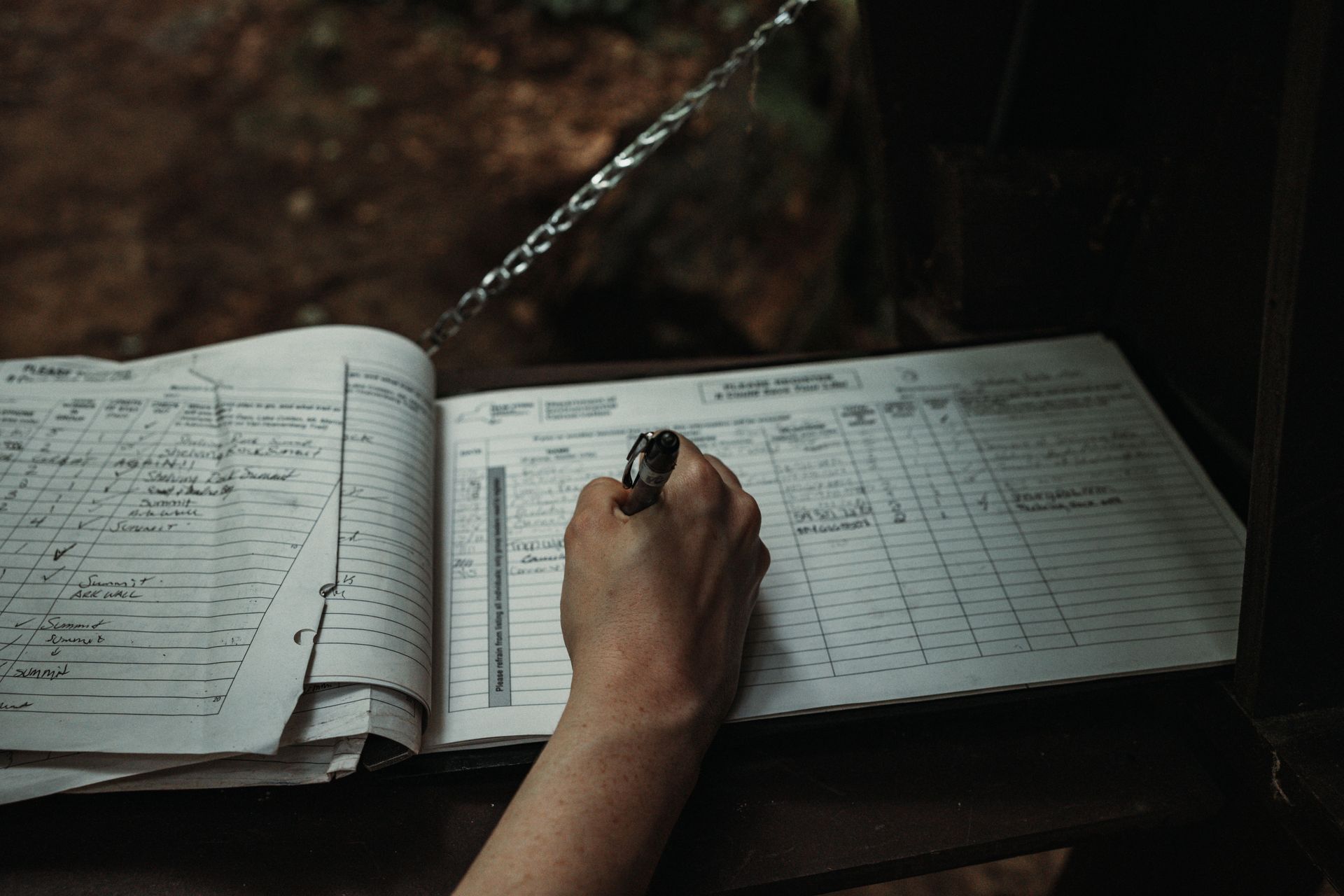
Medical offices, outpatient facilities, clinics, and other healthcare environments depend on consistent cleaning routines. Unlike many standard commercial spaces, healthcare facilities often need more structured procedures because treatment areas, waiting rooms, restrooms, and high-touch surface s can all have different cleaning requirements. One way to support that consistency is through documentation. Cleaning logs, checklists, schedules, and service records can help facility managers understand what was cleaned, when it was completed, and whether important tasks are being handled as planned.
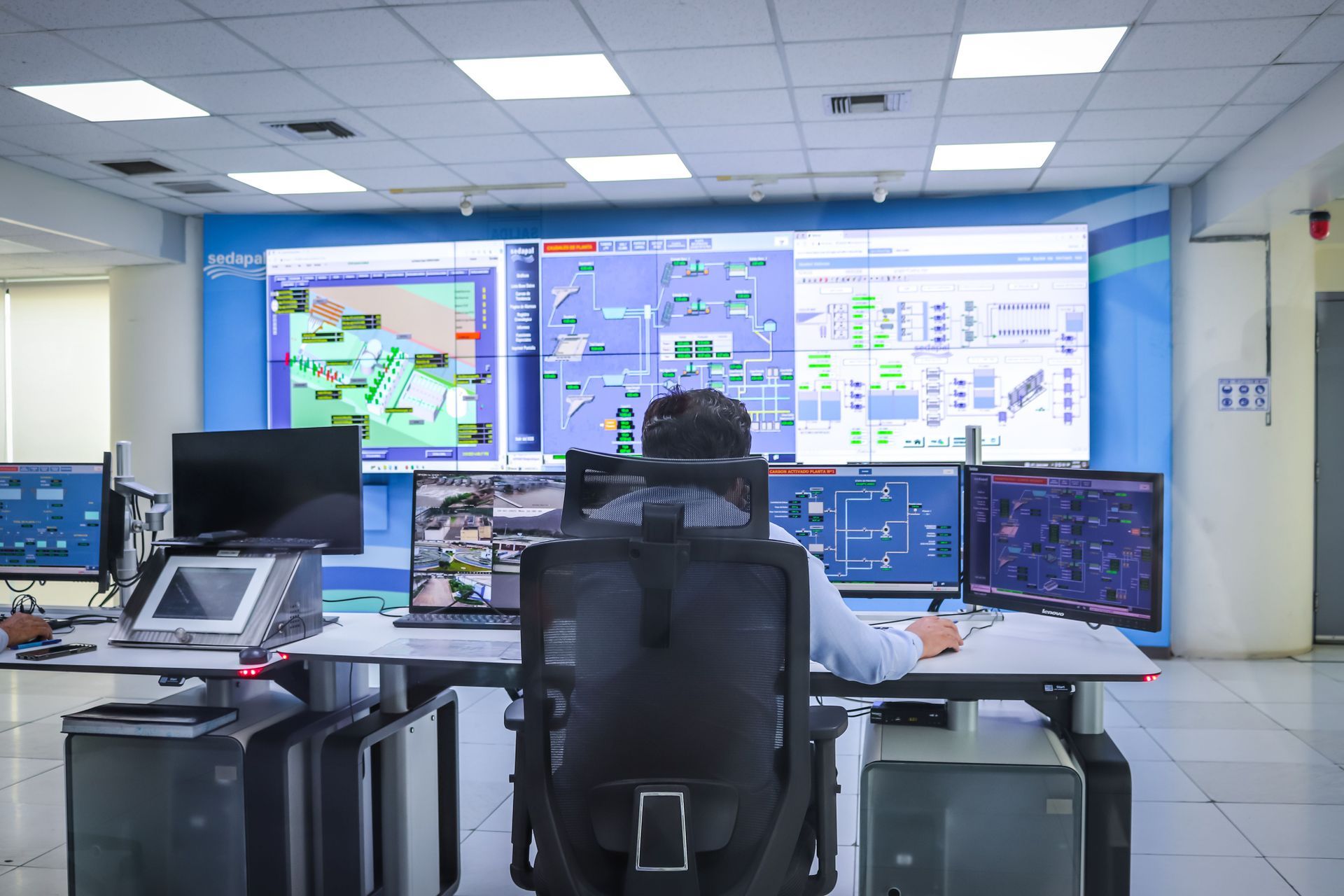
A commercial cleaning schedule should reflect how a building is actually used. A facility that once stayed presentable with nightly service may begin showing signs that the current schedule is no longer enough. Higher occupancy, seasonal traffic, new tenants, longer business hours, or changes in how common areas are used can all increase cleaning needs. For facility managers , recognizing those changes early can help maintain appearance, reduce complaints, and prevent problem areas from deteriorating.
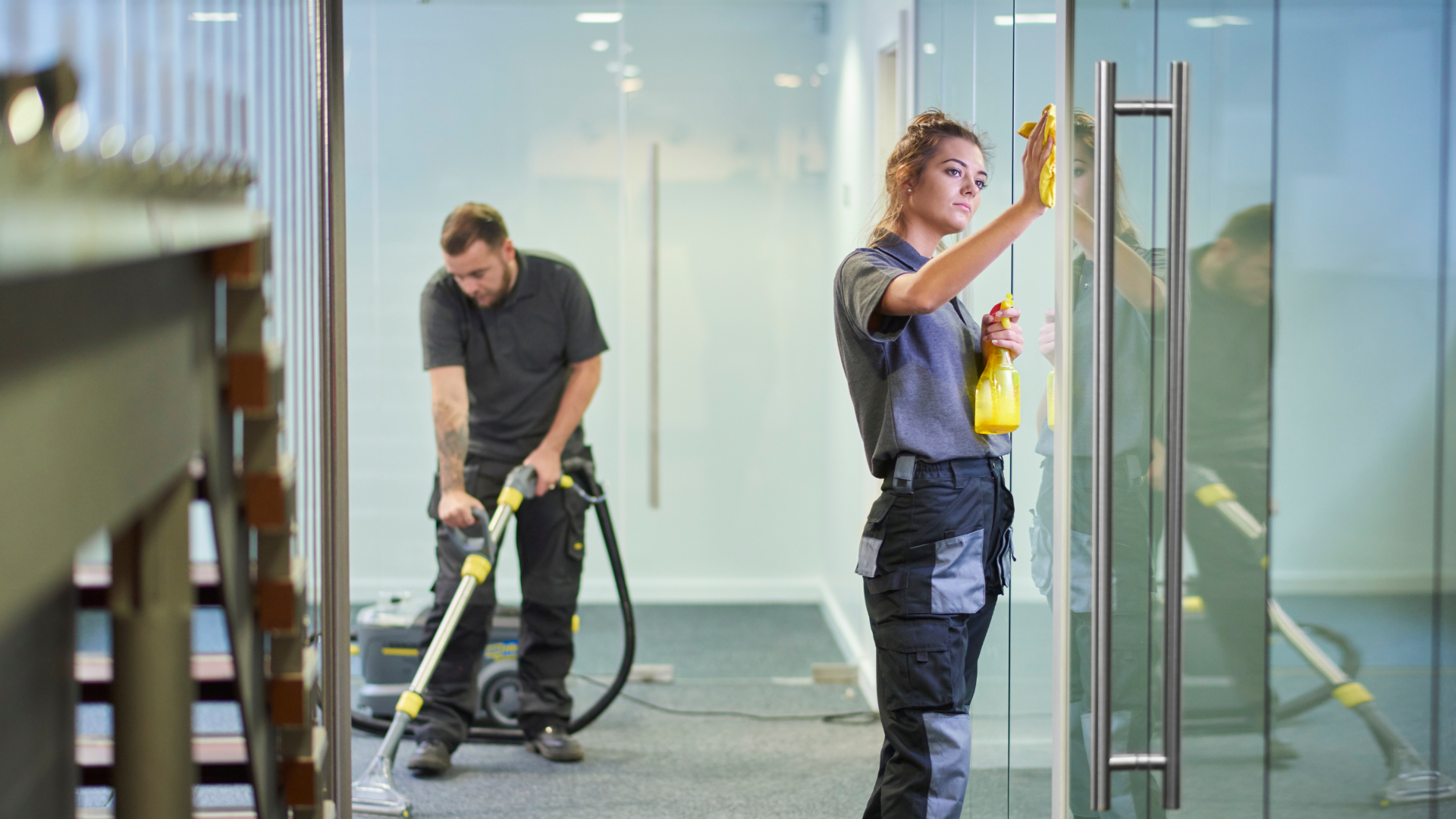
A commercial cleaning program should not remain exactly the same throughout the year. Weather, building traffic, pollen, moisture, salt, and seasonal illnesses can all change what a facility needs from its janitorial team. For property managers and facility leaders, adjusting the cleaning plan seasonally can help maintain appearance, reduce wear on surfaces, and keep high-use areas functioning more effectively. ABS Facility Solutions provides commercial janitorial, floor care, disinfection, restroom, day porter, and post-construction cleaning services tailored to the needs of individual facilities.
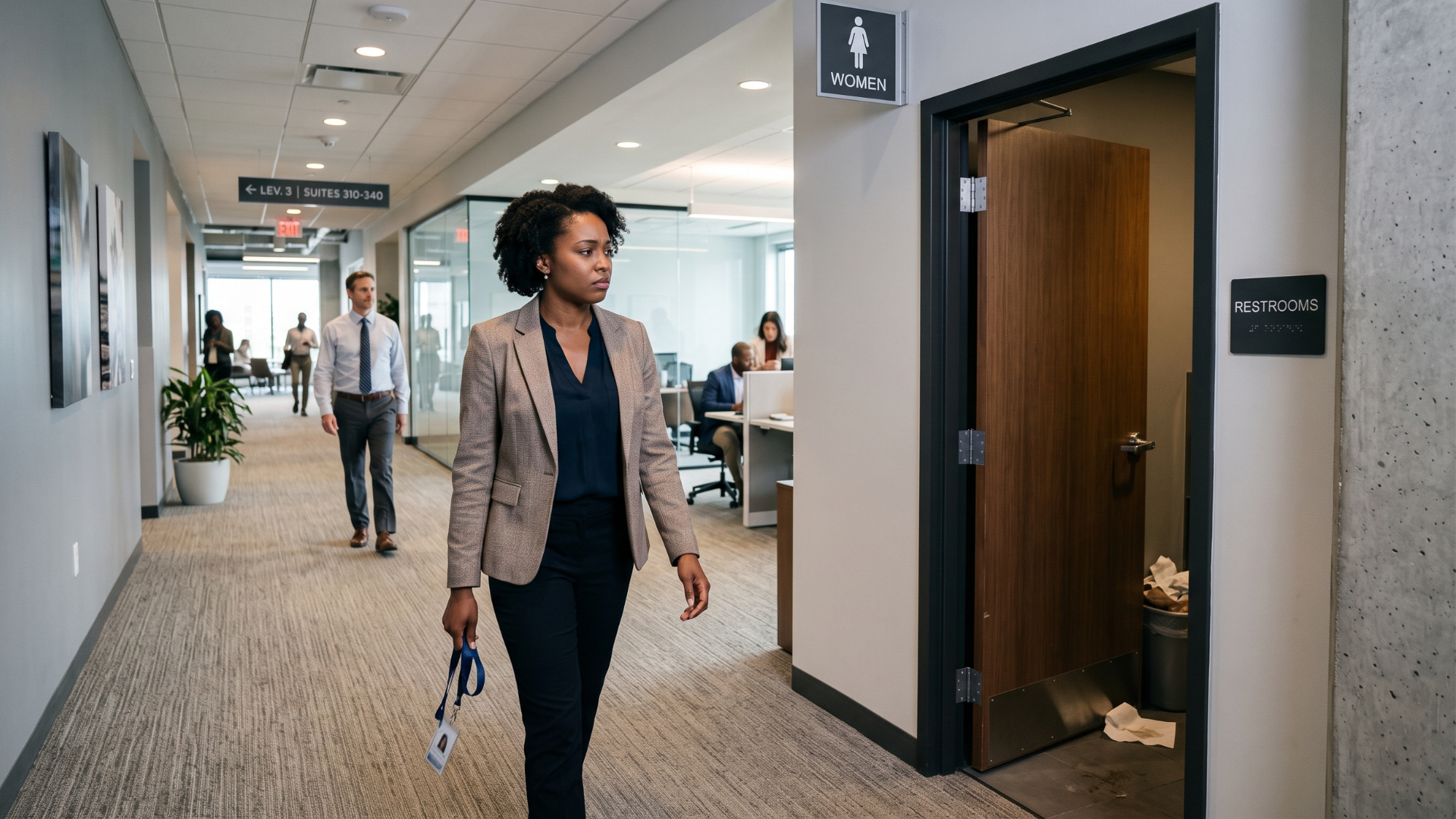
Restrooms may occupy only a small part of a commercial building, but they can have an outsized effect on how the entire facility is perceived. Employees, tenants, customers, and visitors often judge cleanliness based on what they see and experience in these shared spaces. When restroom maintenance is inconsistent, the impact can extend beyond unpleasant odors or empty soap dispensers. It can contribute to complaints, create avoidable sanitation concerns, and make an otherwise well-maintained property feel neglected. ABS Facility Solutions provides commercial janitorial and restroom services designed to help facilities maintain a cleaner, more consistent standard throughout the building.
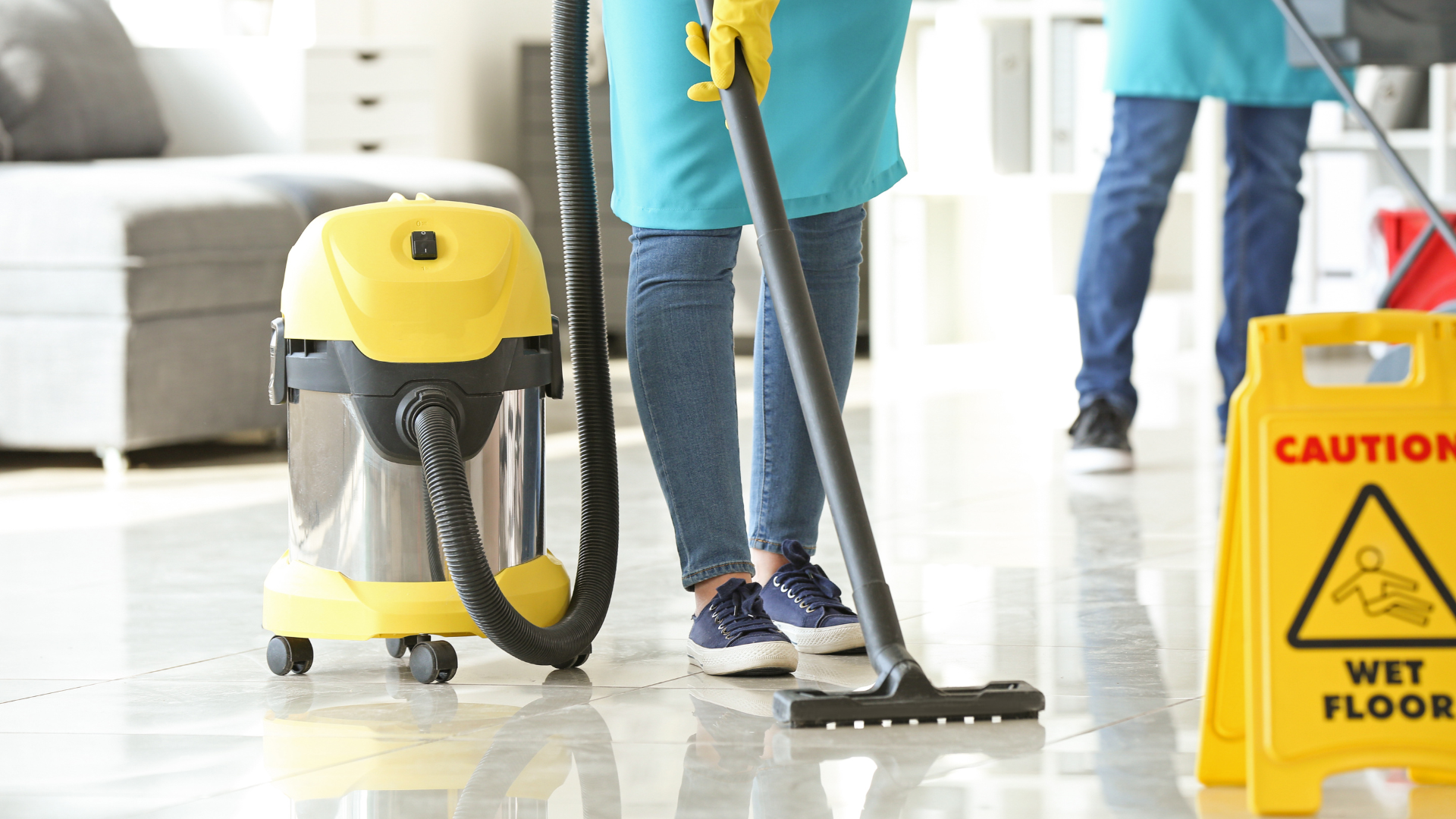
A professional janitorial program should do more than keep a building looking presentable. It should support day-to-day operations, help protect flooring and fixtures, maintain clean shared spaces, and create a consistent standard throughout the facility. For offices, healthcare environments, multi-tenant buildings, retail properties, and other commercial spaces, that requires a structured plan rather than a one-size-fits-all cleaning schedule. ABS Facility Solutions provides customized commercial janitorial programs built around the needs of each property. The most effective programs combine routine cleaning with floor care, restroom sanitation, high-touch surface attention, waste removal, and periodic services that address areas requiring deeper maintenance.
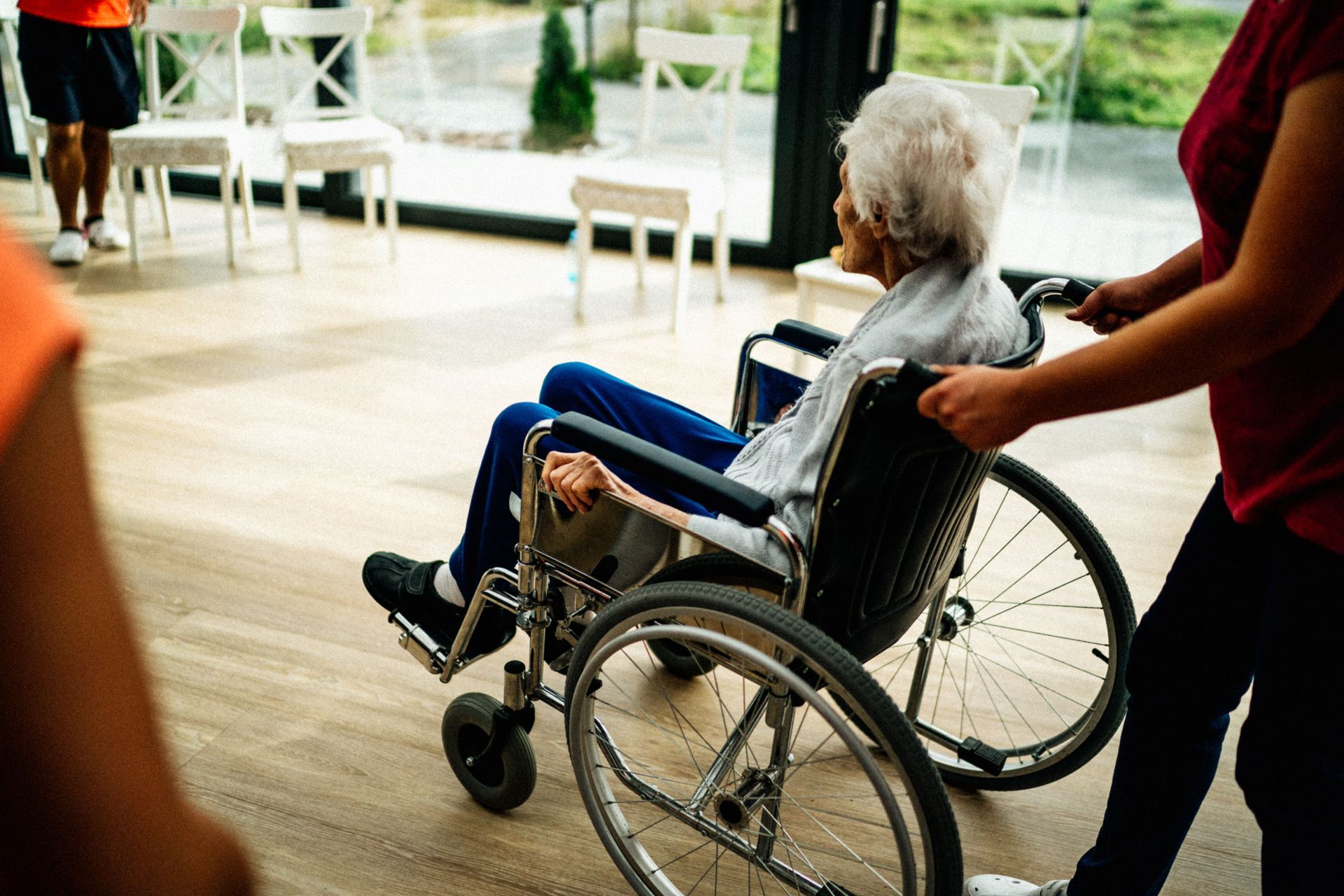
Senior living communities are designed to provide residents with comfortable, supportive environments where they can enjoy a high quality of life. While thoughtful design, dedicated staff, and engaging programs all contribute to that experience, cleanliness also plays a vital role. From common areas and dining rooms to hallways and administrative offices, every part of a senior living community benefits from consistent, professional cleaning. Maintaining these facilities requires more than routine housekeeping. It calls for a structured commercial cleaning program that supports daily operations, preserves the building’s appearance, and helps create an environment where residents, visitors, and employees feel comfortable. ABS Facility Solutions provides professional commercial janitorial services that help senior living communities maintain clean, organized, and inviting facilities.
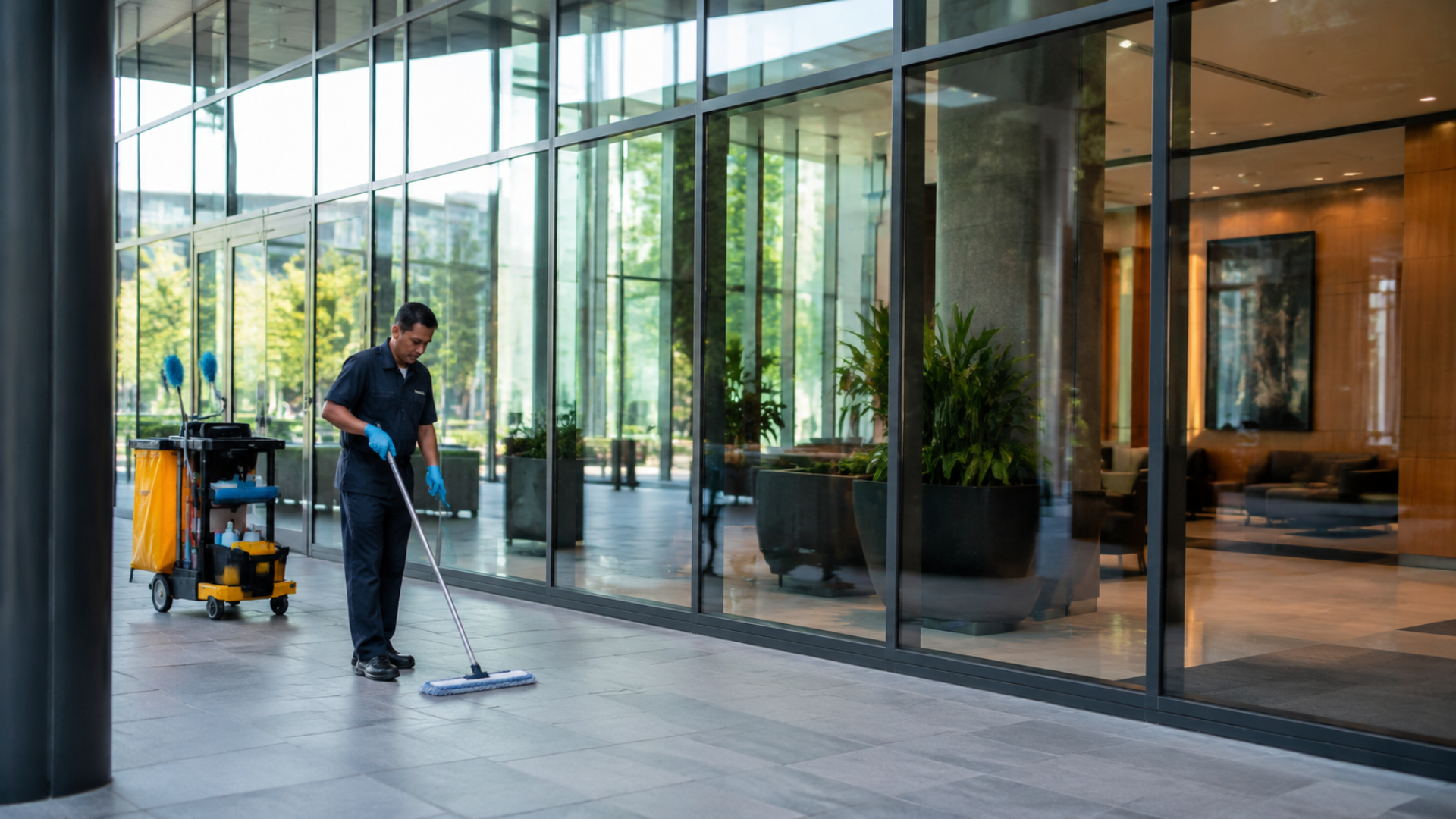
Managing a single commercial building requires careful planning, but overseeing multiple properties presents an entirely different set of challenges. Property managers and facility directors are often responsible for maintaining office buildings, retail centers, industrial facilities, medical offices, or mixed-use developments spread across different locations. Ensuring each property remains clean, safe, and welcoming requires consistency, organization, and a well-designed maintenance strategy. Partnering with a professional commercial cleaning company can simplify this process by providing standardized services that help every property reflect the same high level of care.
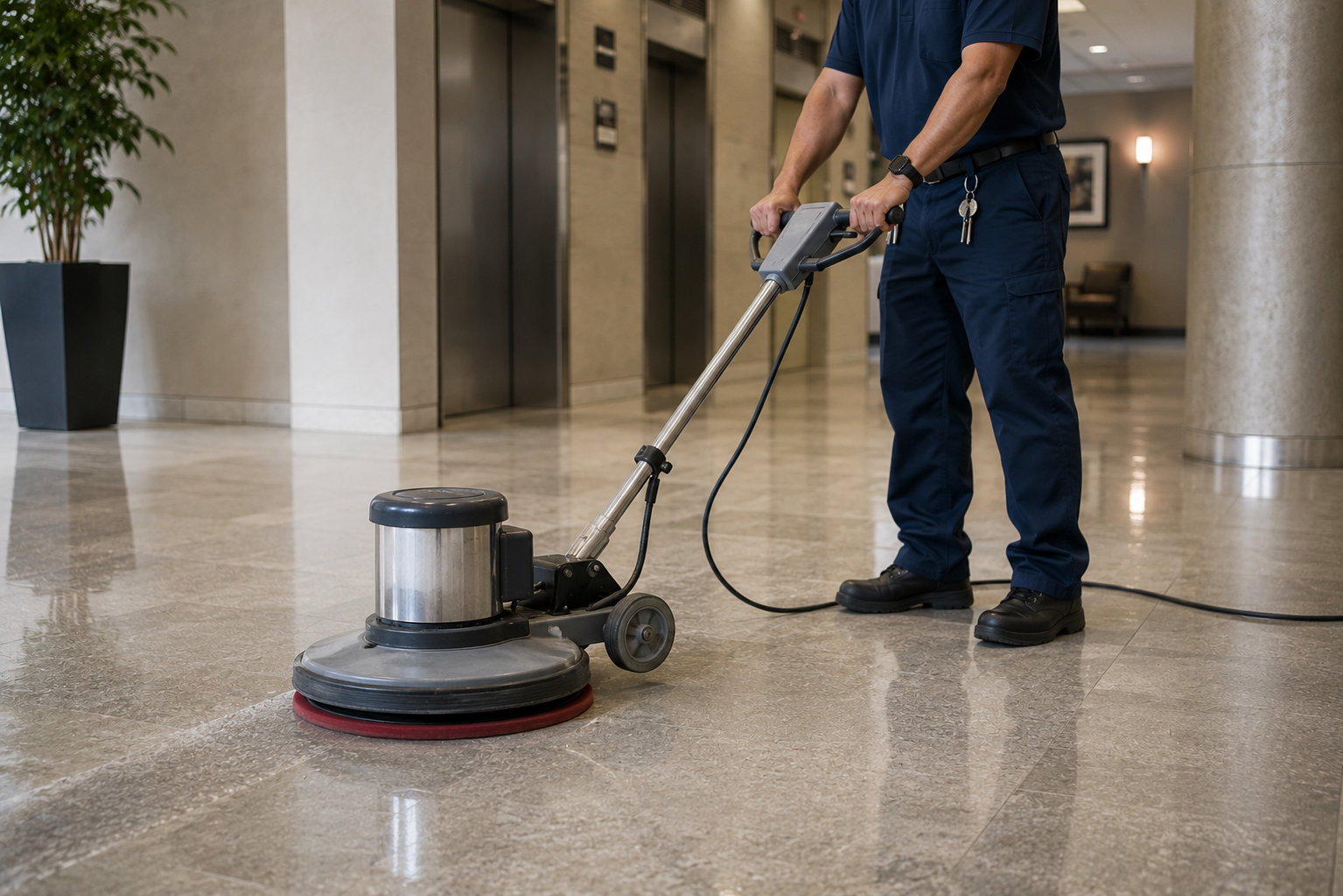
Slip-and-fall accidents are among the most common workplace incidents across many industries. Whether in office buildings, healthcare facilities, schools, retail stores, or industrial environments, poorly maintained floors can create unnecessary safety risks for employees, customers, and visitors. While spills and weather-related hazards often receive the most attention, the condition of the floor itself plays a significant role in slip resistance. A comprehensive floor maintenance program—including routine cleaning, professional floor stripping and waxing, and regular inspections—helps create safer walking surfaces while preserving the appearance and longevity of commercial flooring.
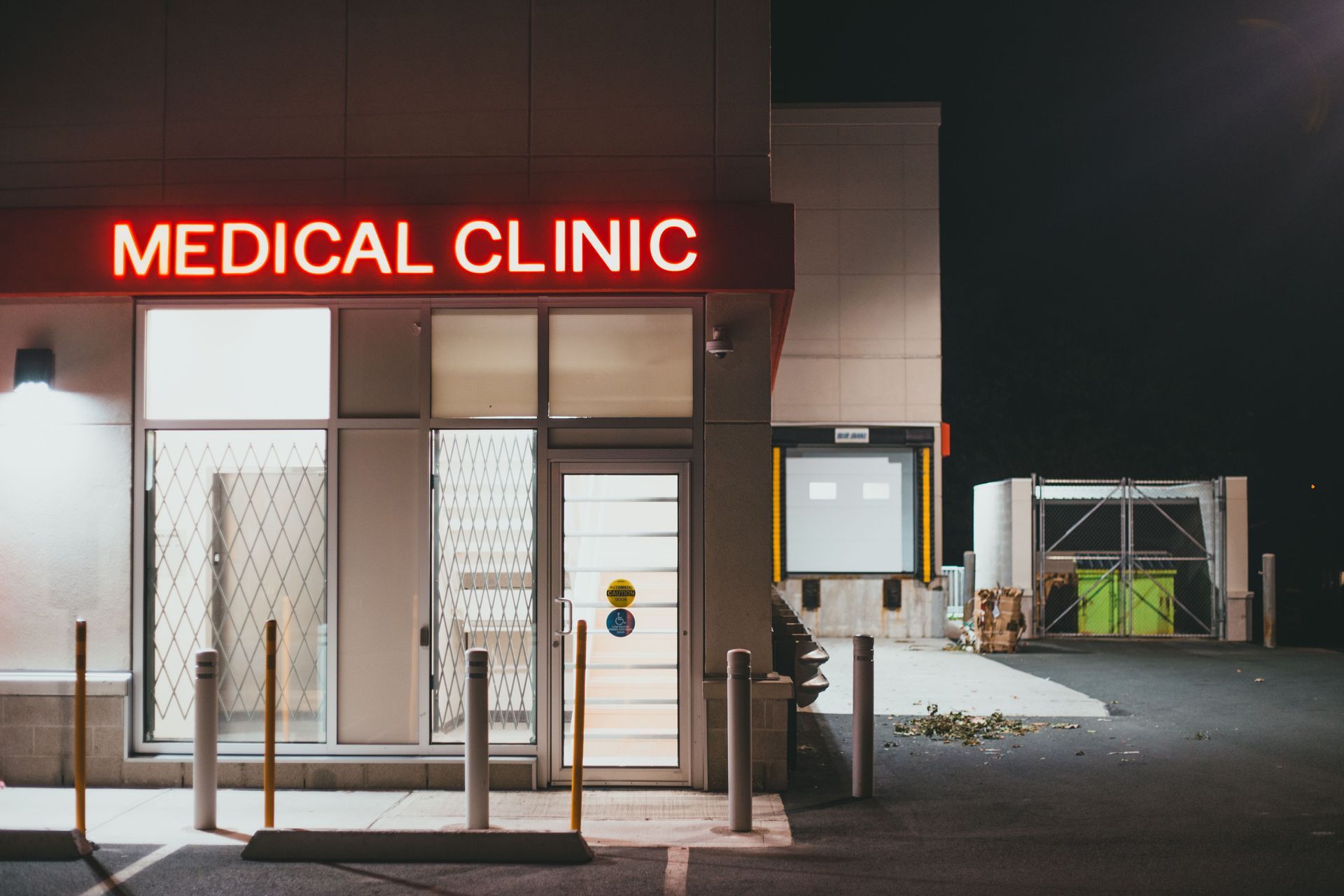
Healthcare facilities operate under unique demands. Every day, patients, visitors, physicians, nurses, and support staff depend on clean, well-maintained environments that promote comfort, professionalism, and efficient operations. From medical offices and outpatient clinics to specialty care centers and healthcare campuses, cleanliness is far more than an aesthetic concern—it is an essential part of facility management. Professional janitorial services help healthcare organizations maintain consistently clean environments while supporting day-to-day operations and helping facilities meet their own cleanliness and maintenance standards. Healthcare Facilities Require Specialized Cleaning Medical environments differ significantly from traditional office buildings. Patient waiting areas, examination rooms, restrooms, administrative offices, break rooms, and common spaces each have different cleaning needs and traffic patterns. These areas require carefully planned cleaning schedules and procedures that address the specific functions of each space while minimizing disruption to patients and staff. A customized cleaning program helps ensure that every area receives the appropriate level of attention.

Maintaining a clean commercial facility is about more than creating a positive first impression. For many businesses, routine cleaning plays an important role in supporting workplace safety, protecting employees and visitors, and helping organizations meet industry-specific regulatory expectations. Whether managing a healthcare facility, educational institution, manufacturing plant, office building, or commercial property, regularly scheduled janitorial services contribute to an organized and well-maintained environment that supports compliance efforts. While cleaning alone does not guarantee compliance with every applicable regulation, it is often an essential part of a broader facility management strategy. Clean Facilities Support Safer Work Environments Many workplace regulations emphasize providing employees with a safe and healthful environment . Routine janitorial services help reduce the accumulation of dust, debris, spills, and other contaminants that may contribute to slips, trips, falls, or other workplace hazards . Regular attention to high-traffic areas, restrooms, entrances, break rooms, and shared spaces helps facilities maintain consistent cleanliness while supporting overall workplace safety initiatives. A well-maintained building also makes it easier for facility managers to identify maintenance issues before they develop into larger concerns.
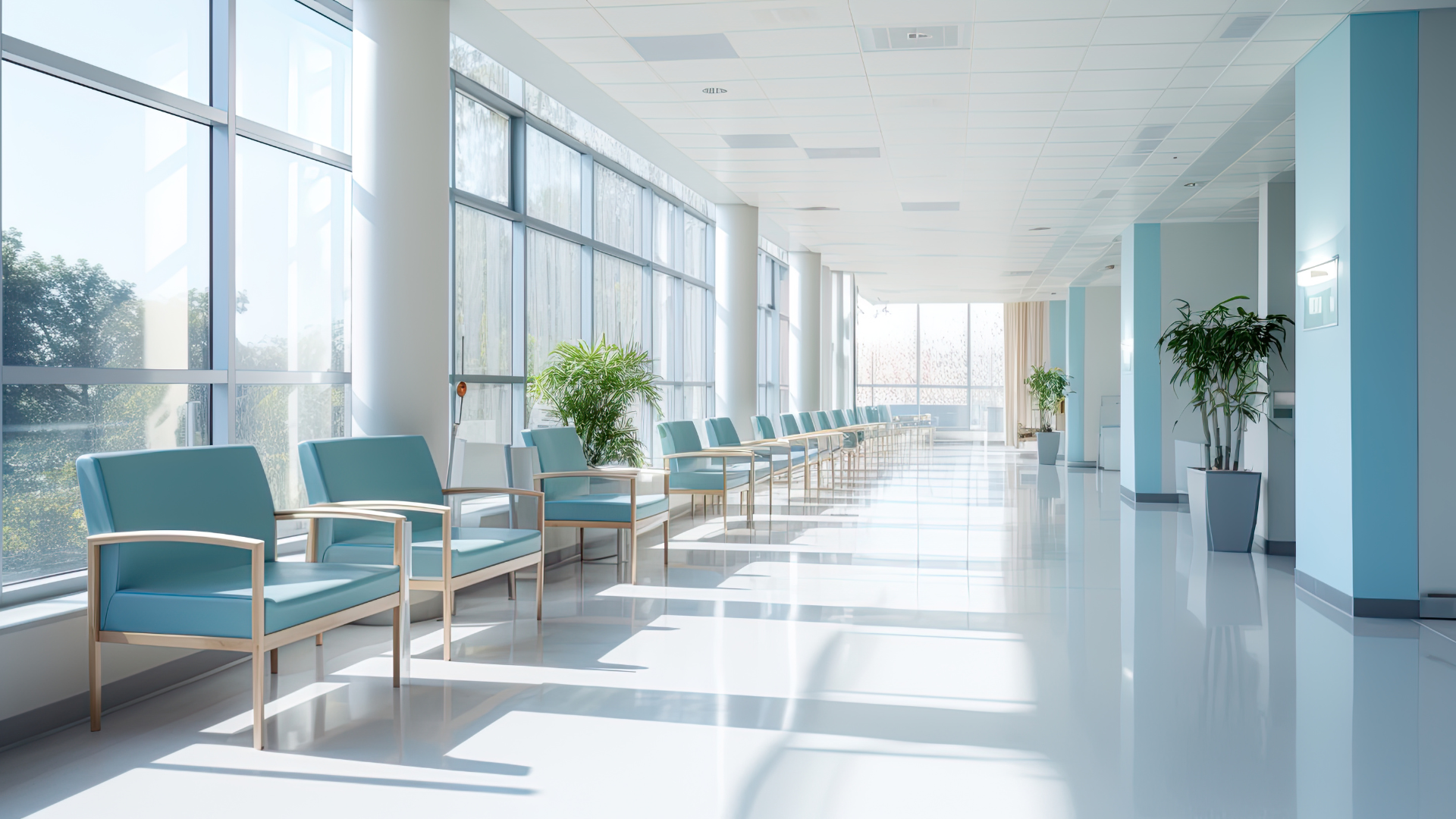
For healthcare facilities, cleanliness is about more than appearance. Every surface, hallway, waiting room, and treatment area contributes to the overall experience of patients, visitors, and staff. While patients naturally expect medical providers to deliver quality care, they also expect the environment to reflect the same level of professionalism and attention to detail. One important aspect of that environment is environmental hygiene —the ongoing process of maintaining healthcare spaces through consistent cleaning and disinfection protocols. A well-maintained facility not only supports day-to-day operations but can also influence how patients perceive the quality and professionalism of the organization.
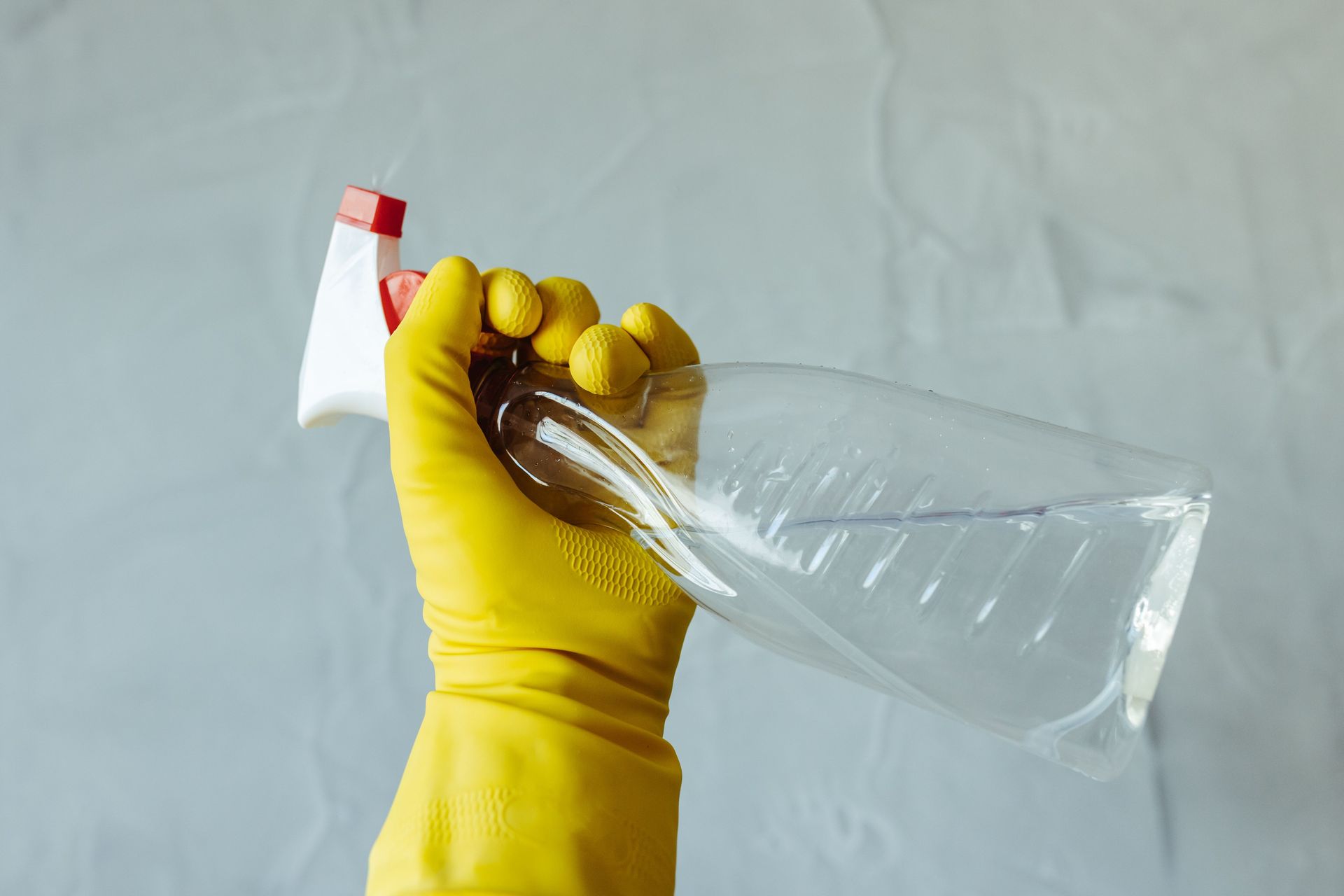
The terms “cleaning” and “disinfecting” are often used interchangeably, but they are not the same thing. Both play important roles in maintaining healthy, professional environments, yet they serve different purposes and involve different processes. Understanding the distinction can help facility managers, property owners, healthcare administrators, and business leaders make more informed decisions about their cleaning programs. Whether managing an office building, healthcare facility, educational institution, or commercial property, knowing when cleaning and disinfecting are appropriate is an important part of maintaining a well-cared-for environment. What Is Cleaning? Cleaning focuses on removing visible dirt, dust, debris, and other contaminants from surfaces. This process typically involves the use of cleaning products, water, and physical action to lift and remove unwanted materials. Floors are swept and mopped, desks are wiped down, trash is removed, and surfaces are cleaned to improve appearance and general cleanliness. The primary goal of cleaning is to remove substances that accumulate during normal use. A properly cleaned environment looks better, feels more professional, and supports overall facility maintenance efforts. However, cleaning alone is not necessarily intended to address all microorganisms that may be present on surfaces.