The Importance of Preventive Cleaning in High Traffic Commercial Buildings
High traffic commercial buildings face unique challenges that come from a constant flow of employees, customers, clients, and visitors. These spaces collect more dirt, germs, and debris than low traffic environments, and without a structured cleaning plan in place, surfaces and floors can deteriorate quickly. At ABS Facility Solutions, we understand how preventive cleaning protects both the appearance and long term health of a building. A carefully maintained facility remains safer, more inviting, and more cost effective to operate over time.
Why High Traffic Areas Require Special Attention
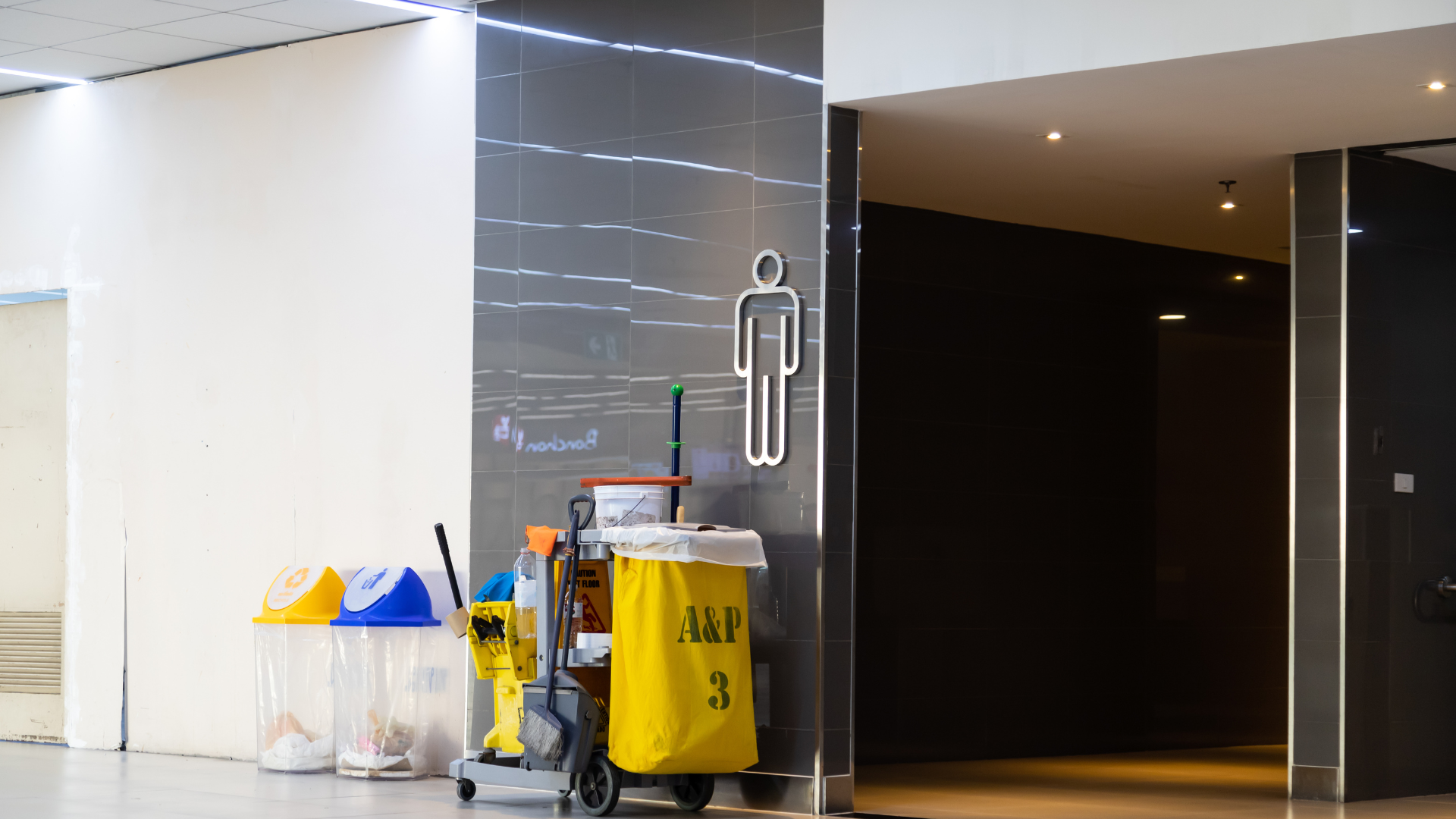
Entrances, hallways, elevators, lobbies, and restrooms experience the highest volume of daily use. These areas are the first to show wear because they encounter more foot traffic, weather exposure, and contact with frequently touched surfaces. Dirt and moisture accumulate quickly, creating slip hazards and damaging flooring materials. Germs spread more easily when large groups share the same spaces and surfaces throughout the day.
Preventive cleaning ensures that these areas receive consistent and strategic care. Rather than waiting for noticeable buildup or deterioration, we focus on daily and weekly routines that keep small problems from turning into larger and more expensive issues.
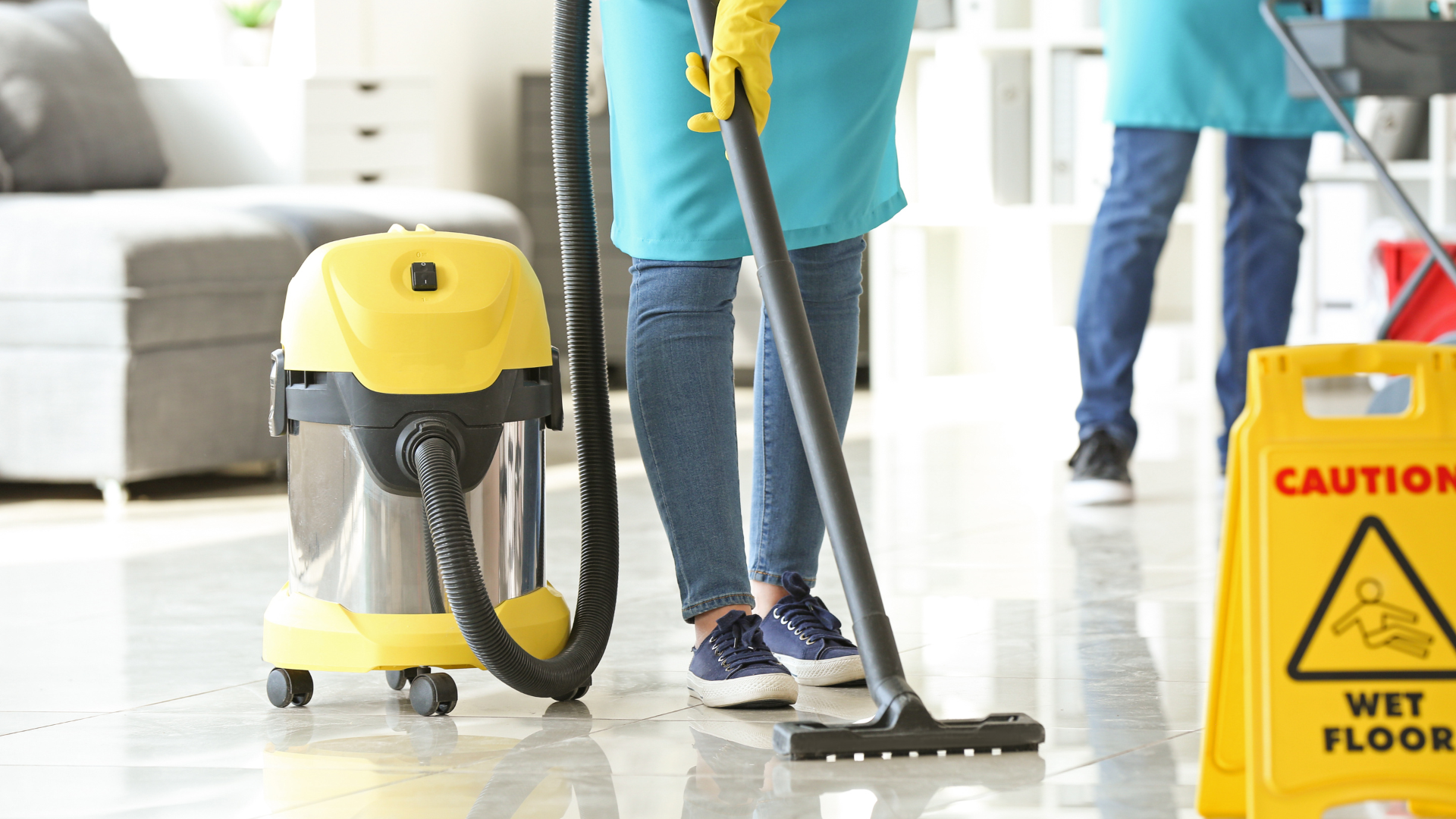
Protecting Flooring From Premature Damage
Flooring is one of the most heavily used and costly features in a commercial building. When grime, moisture, and debris collect on floors, they begin to break down finishes and shorten the life span of the material. High traffic areas are especially vulnerable because abrasive particles accumulate at a faster rate.
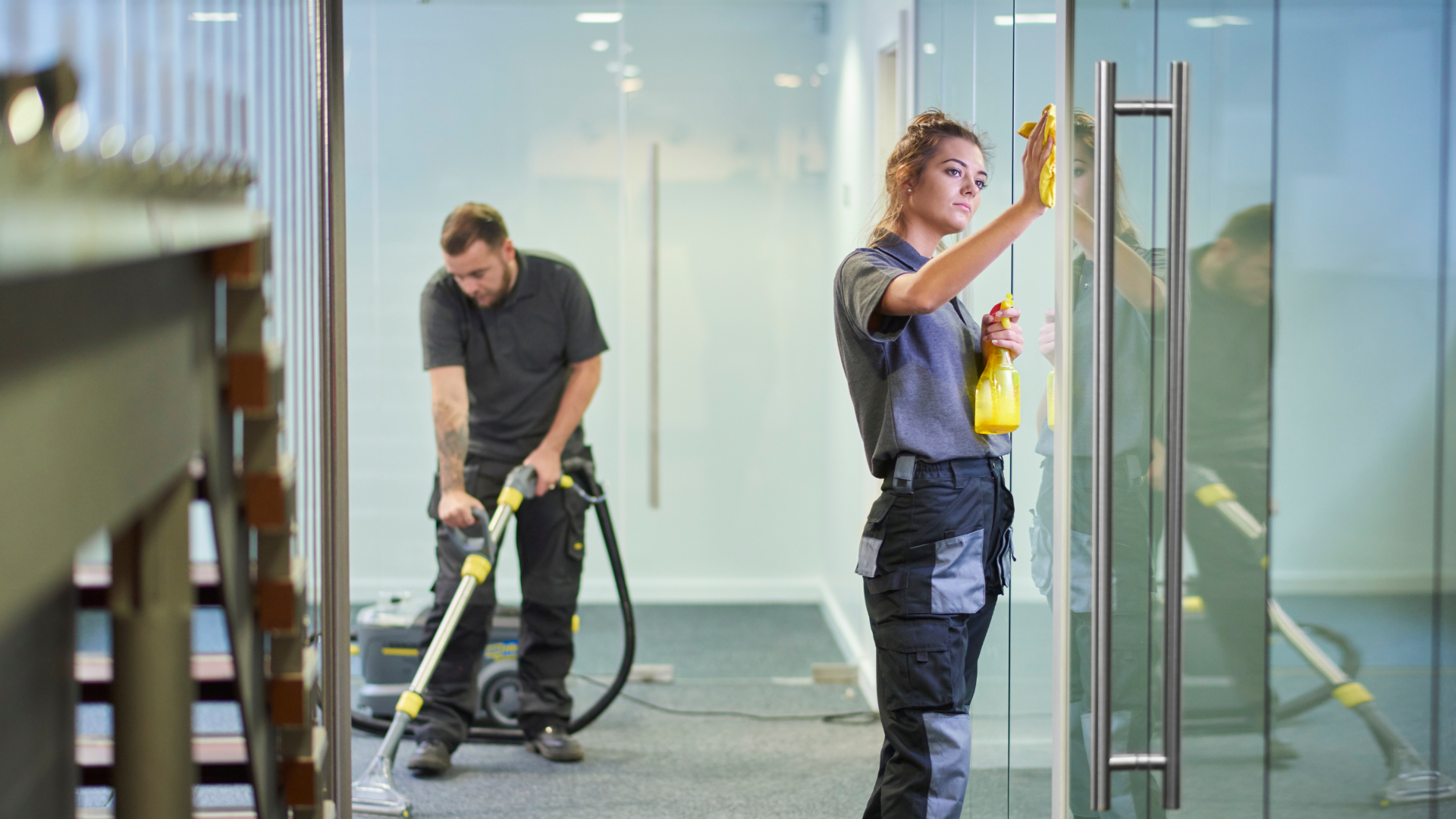
Preventive cleaning includes regular sweeping, vacuuming, and mopping, as well as scheduled machine scrubbing when needed. These procedures remove the material that causes scratches and staining. In addition, properly maintained floors reduce slip and trip hazards, which helps protect both employees and visitors from injury. Over time, preventive care reduces the need for early replacement, saving the facility significant costs.
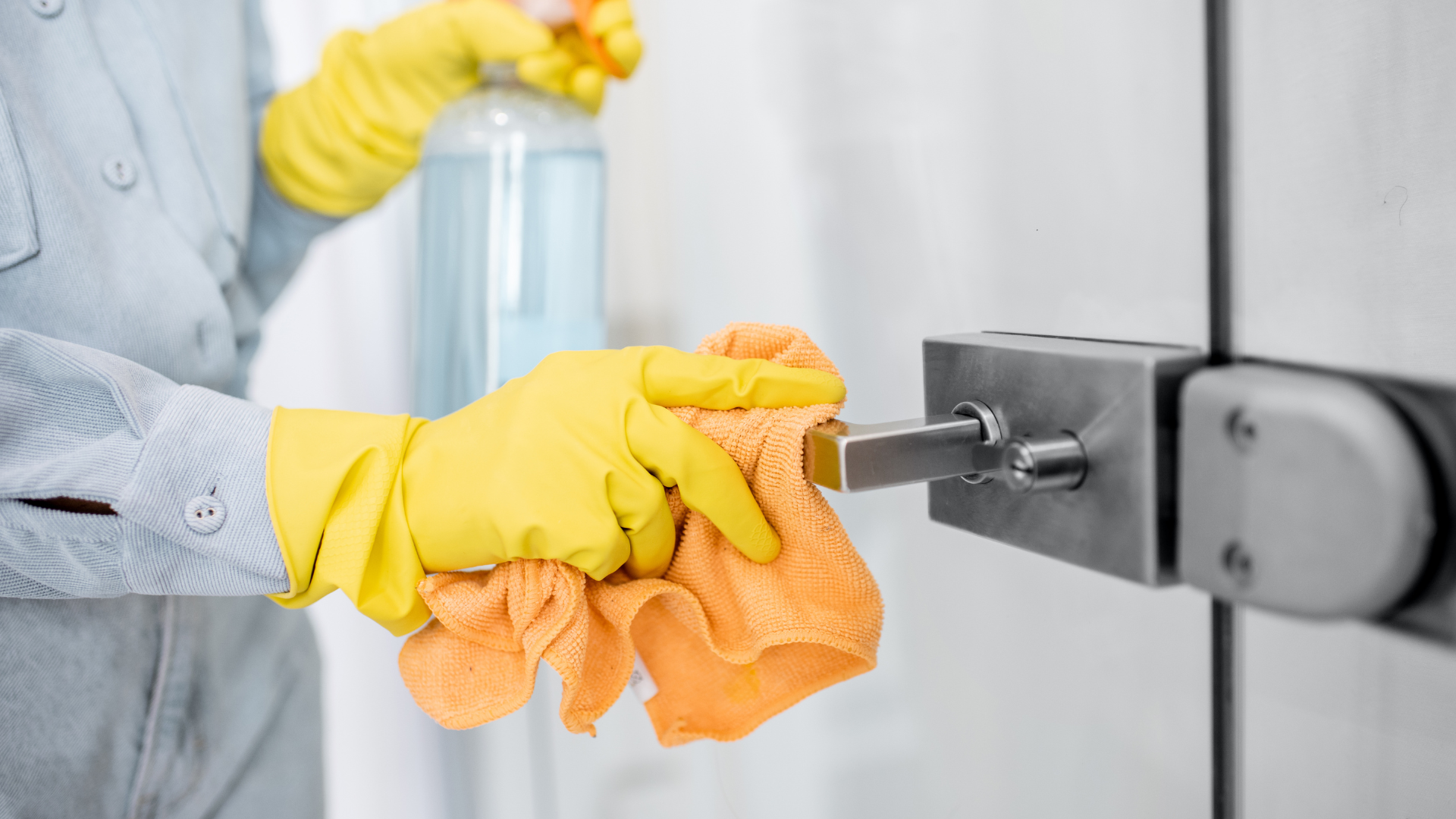
Reducing Germ Spread Through Frequent Surface Care
High-touch surfaces such as door handles, elevator buttons, railings, and reception counters require consistent attention. In busy buildings, these surfaces are touched hundreds or even thousands of times per day. Without daily cleaning and disinfection, they become hotspots for microbial buildup.
A preventive approach focuses on scheduled wipe downs and targeted sanitizing throughout the day. Our teams use cleaning solutions that provide effective microbial reduction while being safe for the facility’s materials. By maintaining surface hygiene, we help reduce the spread of common illnesses and support a healthier environment for everyone who enters the building.
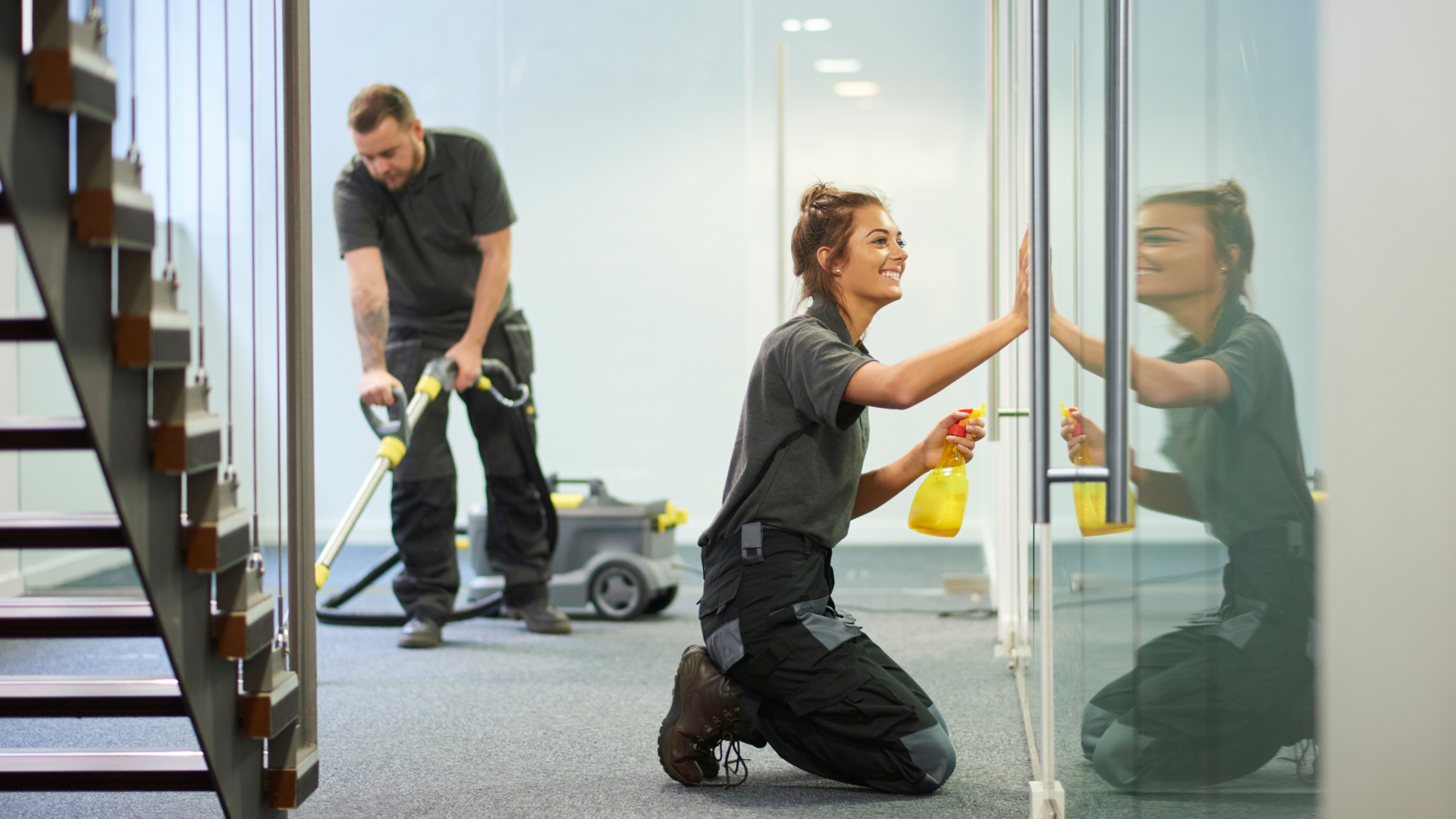
Improving Air Quality Through Scheduled Maintenance
High traffic environments generate more dust and particulate matter, especially in areas with heavy movement or frequent door openings. Without routine dusting and vacuuming, these particles circulate throughout the building and negatively affect air quality. Poor air quality may contribute to discomfort, reduced productivity, and increased cleaning needs throughout the facility.
Preventive cleaning includes regular dust removal, high efficiency vacuuming, and attention to vents and air returns. Cleaner air helps occupants feel more comfortable and supports the overall health of the building.

Preserving a Positive First Impression
First impressions matter in commercial spaces. Visitors often judge a business by the condition of its facility. Clean floors, polished surfaces, and well maintained restrooms communicate professionalism and reliability. Preventive cleaning ensures that the building remains consistently presentable rather than only looking its best after deep cleaning sessions.
A clean environment also influences the morale of employees. When workspaces are orderly and well cared for, employees tend to take more pride in their surroundings and feel more comfortable in the workplace.
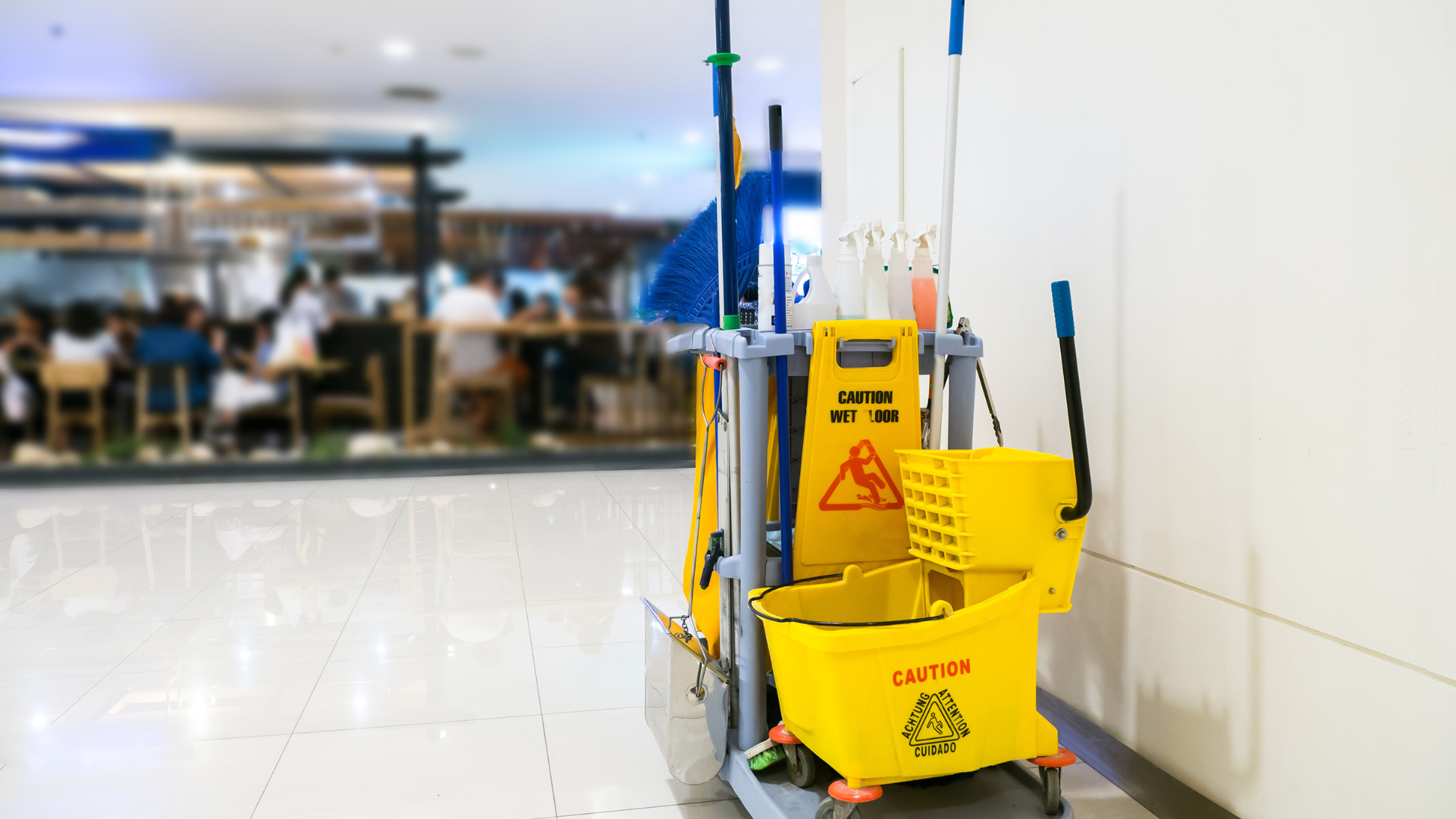
Preventive Maintenance as a Cost Saving Strategy
Many facility managers initially focus on cleaning only when problems become visible, but reactive cleaning often leads to higher long term costs. Stains that set, finishes that deteriorate, and odors that develop all require more intensive restoration services. Preventive cleaning minimizes these issues by stopping deterioration before it begins.
At ABS Facility Solutions, we design cleaning programs that align with the unique needs of each building. Our goal is to preserve surface life, maintain health standards, and reduce unplanned maintenance costs through consistent and proactive care.
Creating a Safer, Cleaner Future
Preventive cleaning is an investment that protects the appearance, safety, and function of high traffic commercial buildings. When surfaces, floors, and touchpoints receive consistent attention, the entire facility benefits. At ABS Facility Solutions, we are committed to supporting our clients with programs that meet the demands of busy environments while ensuring long lasting results. A cleaner building today creates a safer and more efficient workplace for tomorrow.