Why Consistent Janitorial Services Matter More Than Occasional Deep Cleaning
Beyond Deep Cleaning
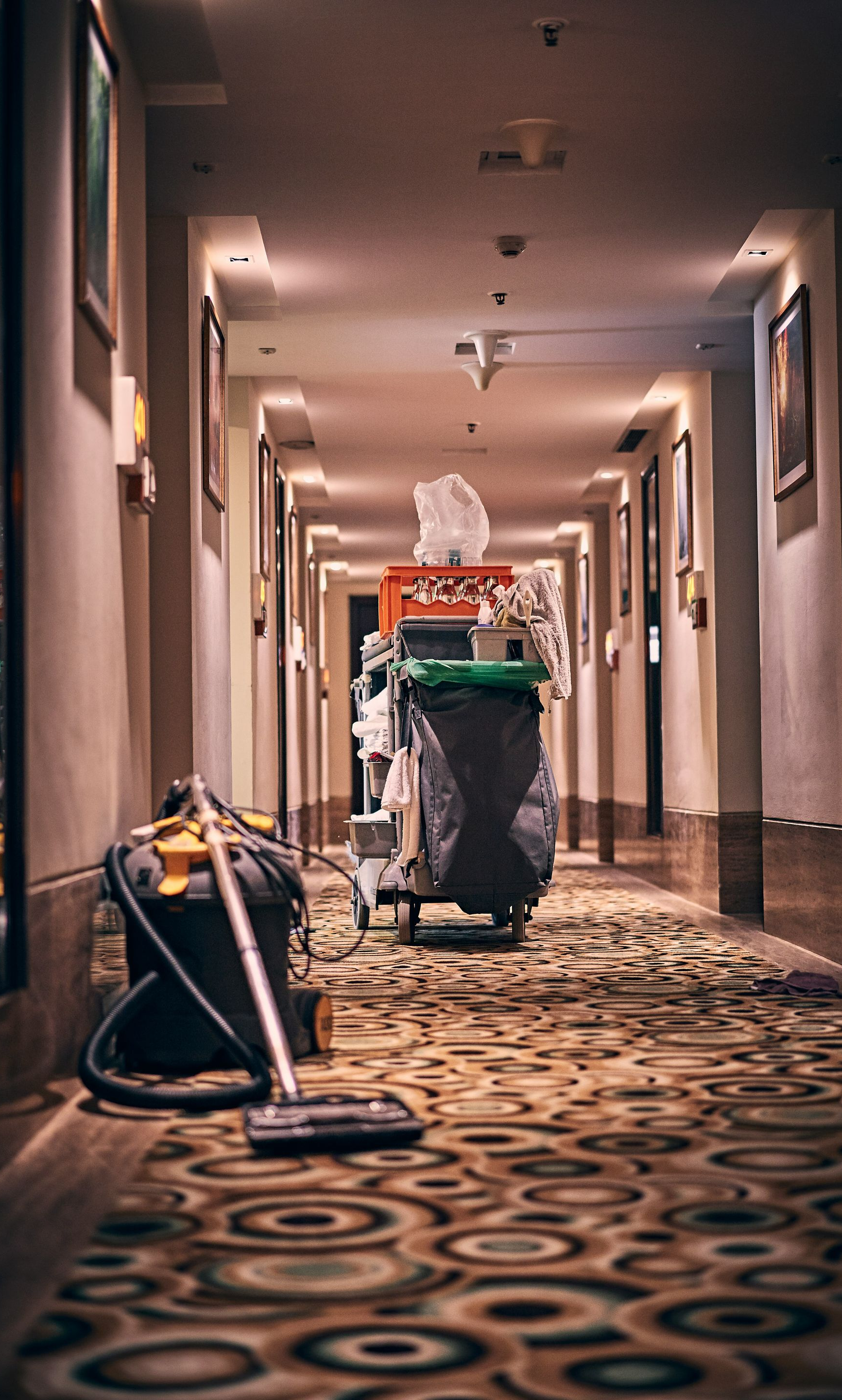
Facility managers are often faced with a familiar question: is it better to invest in periodic deep cleaning, or to maintain consistent janitorial services throughout the year. While deep cleaning has its place, relying on it alone can create gaps in cleanliness, compliance, and overall facility performance. Consistent janitorial services provide ongoing value that occasional intensive cleaning cannot replace.
Cleanliness Is a Daily Standard, Not an Event
Facilities are used every day. Employees, visitors, and customers interact with surfaces, restrooms, floors, and shared spaces continuously. When cleaning is treated as an occasional event rather than a daily standard, contaminants are allowed to accumulate between services.
Consistent janitorial services address cleanliness as an ongoing process. Regular attention to
high-touch surfaces, restrooms, and common areas helps maintain a baseline level of hygiene that supports health and safety expectations at all times.
Preventing Problems Before They Escalate
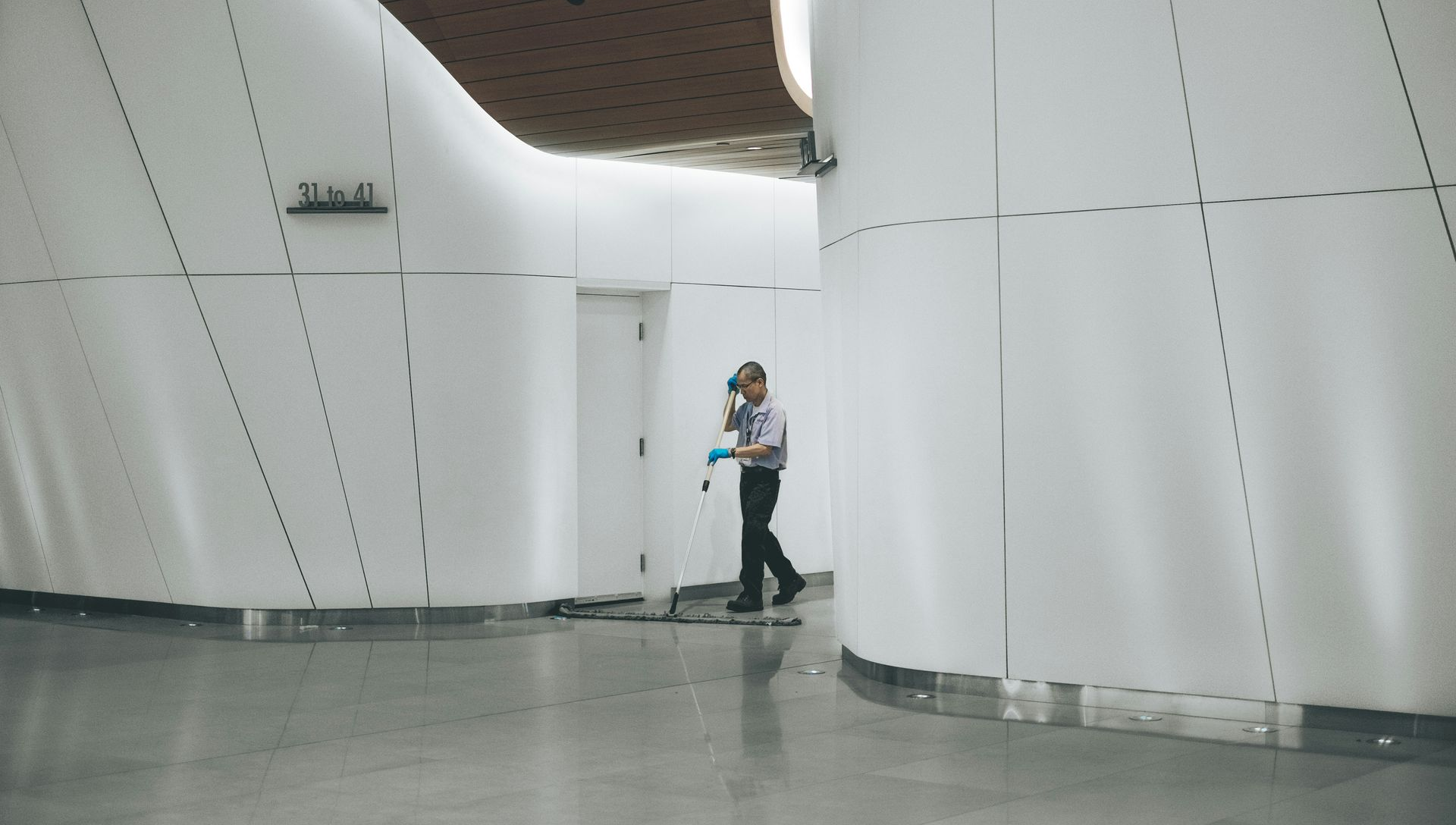
Dirt, debris, and spills may seem minor when they first appear, but over time they can cause damage to flooring, fixtures, and surfaces. Regular cleaning removes abrasive particles and residues before they contribute to wear or staining.
This preventive approach helps extend the life of facility assets. Floors maintain their finish longer, restrooms remain easier to sanitize, and surfaces retain their appearance. Occasional deep cleaning often addresses damage after it has already occurred.
Supporting Health and Workplace Well Being
Consistent cleaning plays an important role in maintaining a healthier indoor environment. Dust, allergens, and bacteria can build up quickly in high traffic spaces. Regular janitorial services help manage these factors through routine removal and disinfection.
A cleaner environment supports employee comfort and may reduce the spread of illness. While deep cleaning can address issues periodically, it does not provide the same level of day to day protection.
Compliance and Risk Management
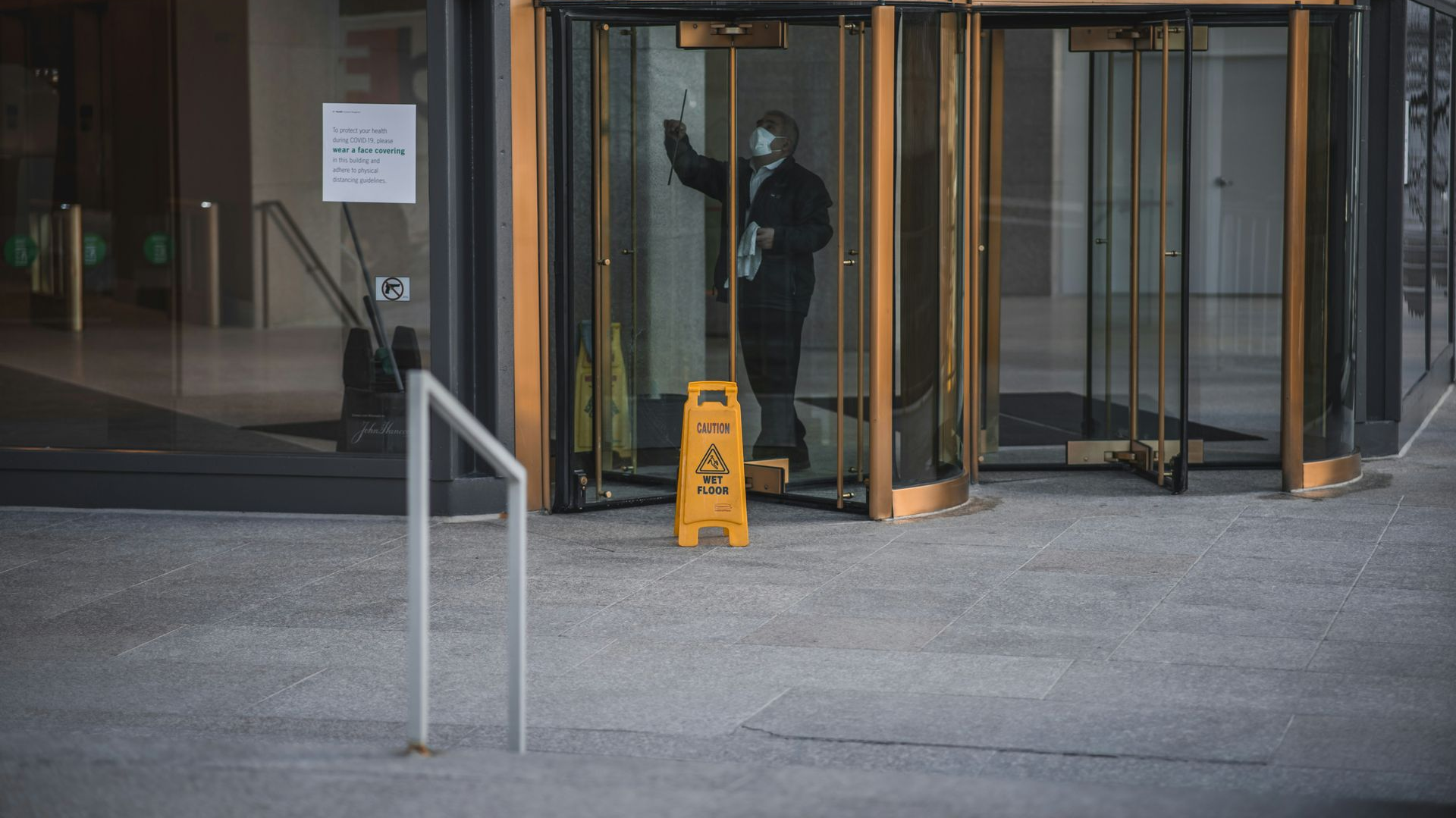
Facilities are subject to health, safety, and cleanliness expectations from regulatory bodies, clients, and internal stakeholders. Inconsistent cleaning increases the risk of falling short during inspections or audits.
Regular janitorial services create consistency and documentation that support compliance efforts. Cleaning checklists, schedules, and quality control measures demonstrate an ongoing commitment to facility standards rather than reactive responses.
Operational Efficiency and Predictability
Deep cleaning often requires special scheduling, disruption of normal operations, or temporary closures. While necessary in some cases, relying on deep cleaning alone can interrupt workflows and create inconvenience.
Consistent janitorial services are integrated into daily operations. They provide predictable results without requiring major adjustments to schedules or facility use. This predictability supports smoother operations and better planning.
Perception Matters Every Day
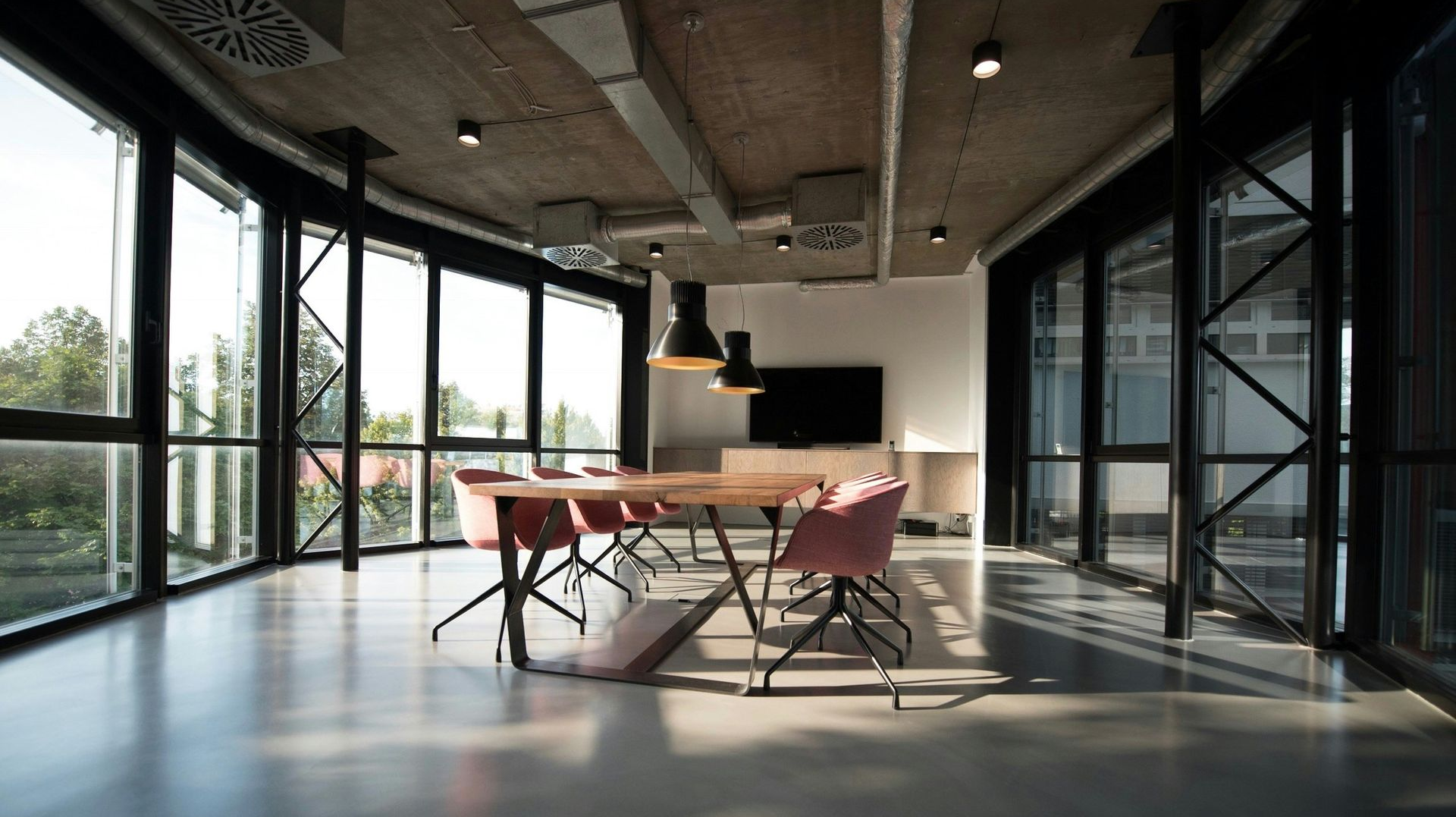
The appearance of a facility sends a message to anyone who enters. Clean restrooms, orderly common areas, and well maintained floors contribute to a professional image. When cleaning is inconsistent, appearance can fluctuate, leading to negative impressions.
Consistency ensures that the facility presents well at all times, not just after a deep cleaning service. This reliability builds trust with employees, visitors, and customers.
Deep Cleaning Still Has a Role
This does not mean deep cleaning is unnecessary. Periodic deep cleaning addresses areas that require more intensive attention, such as carpet extraction or high level dusting. However, deep cleaning is most effective when it supplements a strong foundation of regular janitorial care.
Without consistent services, the benefits of deep cleaning diminish quickly.

A Long Term Facility Strategy
Cleaning should be viewed as part of a long term facility management strategy rather than a series of isolated tasks. Consistent janitorial services support cleanliness, asset protection, compliance, and operational stability.
At ABS Facility Solutions, we emphasize the value of reliable, ongoing janitorial services tailored to the needs of each facility. By maintaining consistent standards rather than relying solely on occasional deep cleaning, facilities are better positioned to operate safely, efficiently, and professionally every day.