The Importance of Floor Care in Long Term Facility Maintenance

Why Preventive Floor Care Matters
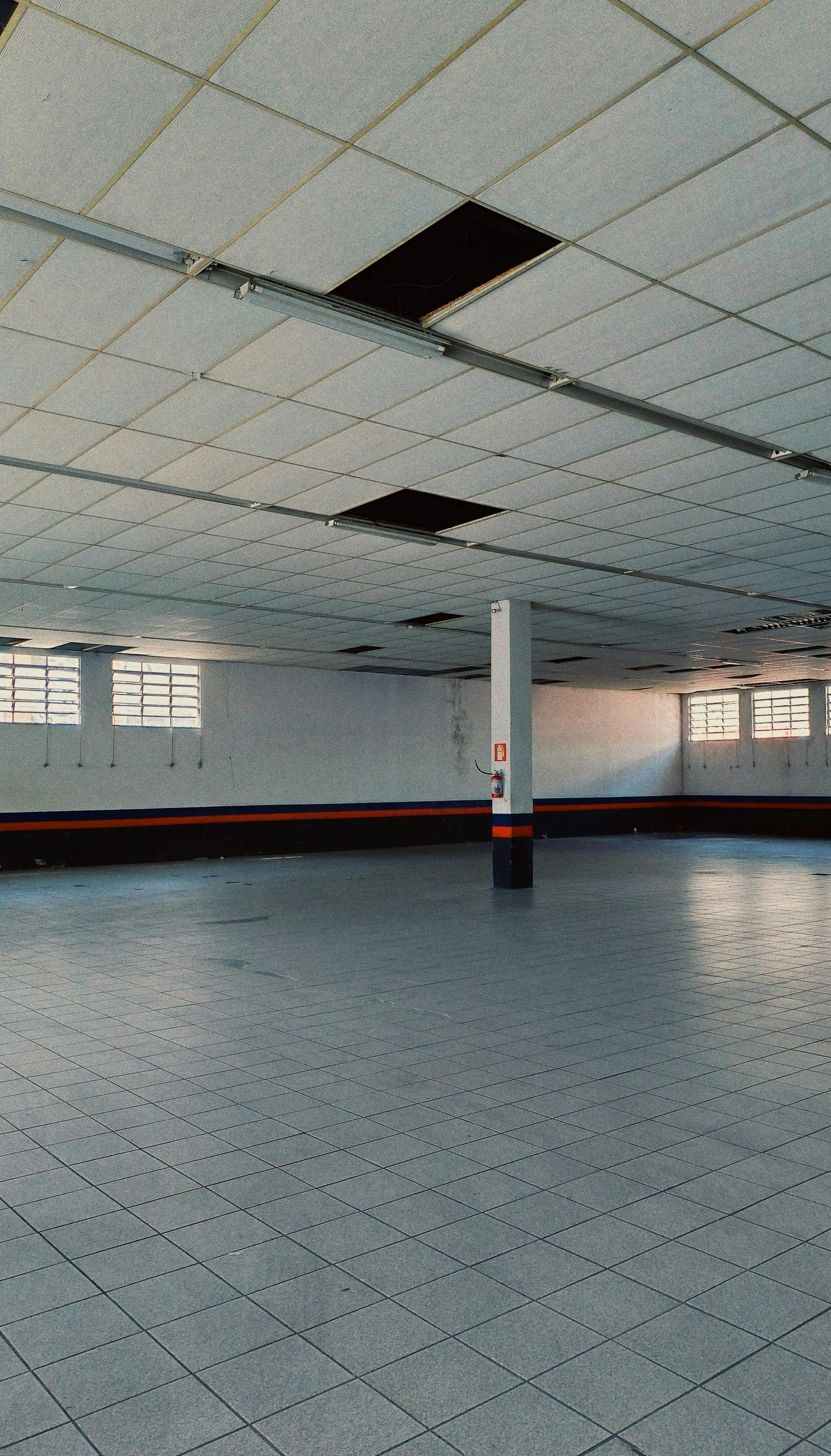
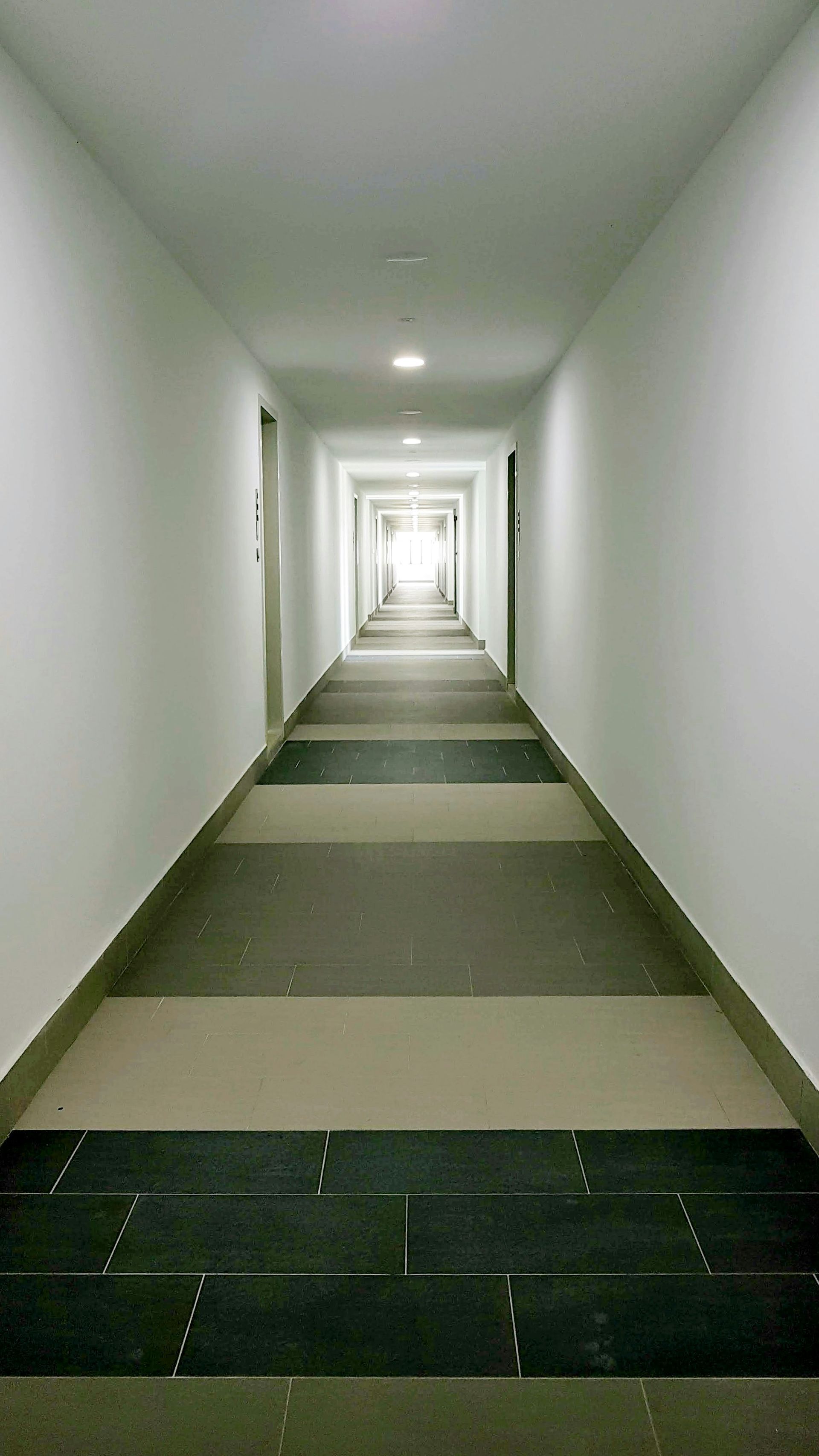
Preventive floor care focuses on preserving the integrity of flooring rather than reacting to visible damage. This approach helps facilities extend the lifespan of flooring materials such as vinyl, tile, concrete, and carpet.
By maintaining protective finishes and addressing buildup before it becomes embedded, facilities can avoid costly restoration or replacement projects. Preventive care also helps maintain a consistent appearance, which is important for professional environments where first impressions matter. Schedule a floor care maintenance plan review.
Safety and Liability Considerations
Poorly maintained floors can increase slip and fall risk. Dirt, moisture residue, worn finishes, and uneven surfaces all contribute to unsafe walking conditions. Regular floor maintenance helps control these hazards by improving traction and surface consistency.
In commercial settings, slip and fall incidents can result in injuries, insurance claims, and operational disruption. Proactive floor care is one way to reduce these
liabilities while supporting a safer environment for occupants and visitors. Contact us for more information.

ABS Capabilities
ABS provides a comprehensive range of floor care services to help maintain the longevity of your facility’s flooring while reducing risks and controlling costs. Our services include:
- Floor Stripping & Waxing/Refinishing (as applicable)
- Burnishing to enhance shine and cleanliness
- Carpet Extraction for deep cleaning and stain removal
- Sealing/Polishing Options (where applicable) for long-lasting finishes
- Scheduled Maintenance Programs (monthly/quarterly) to ensure consistent, high-quality floor care
Material Specific Care Is Essential
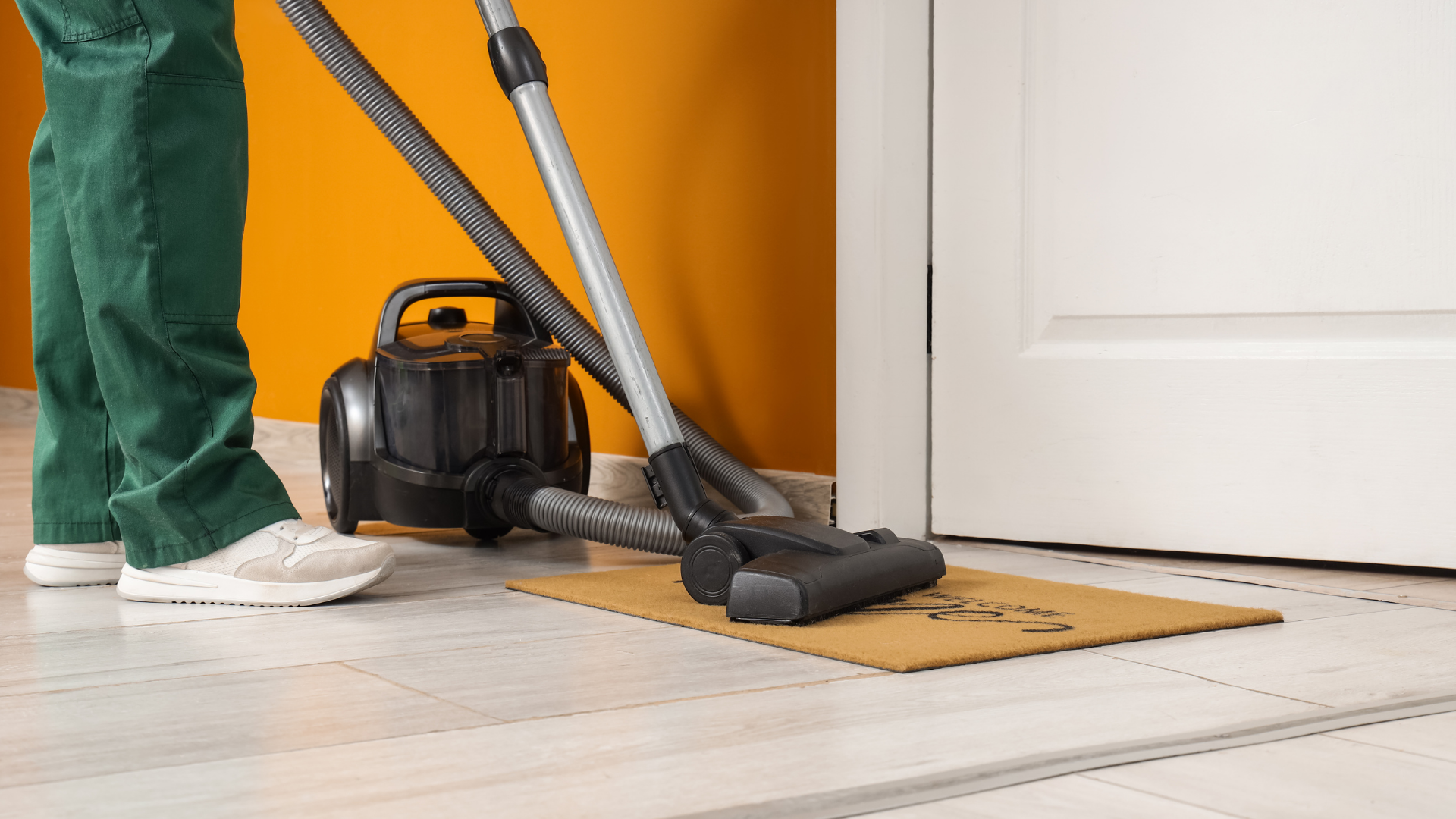
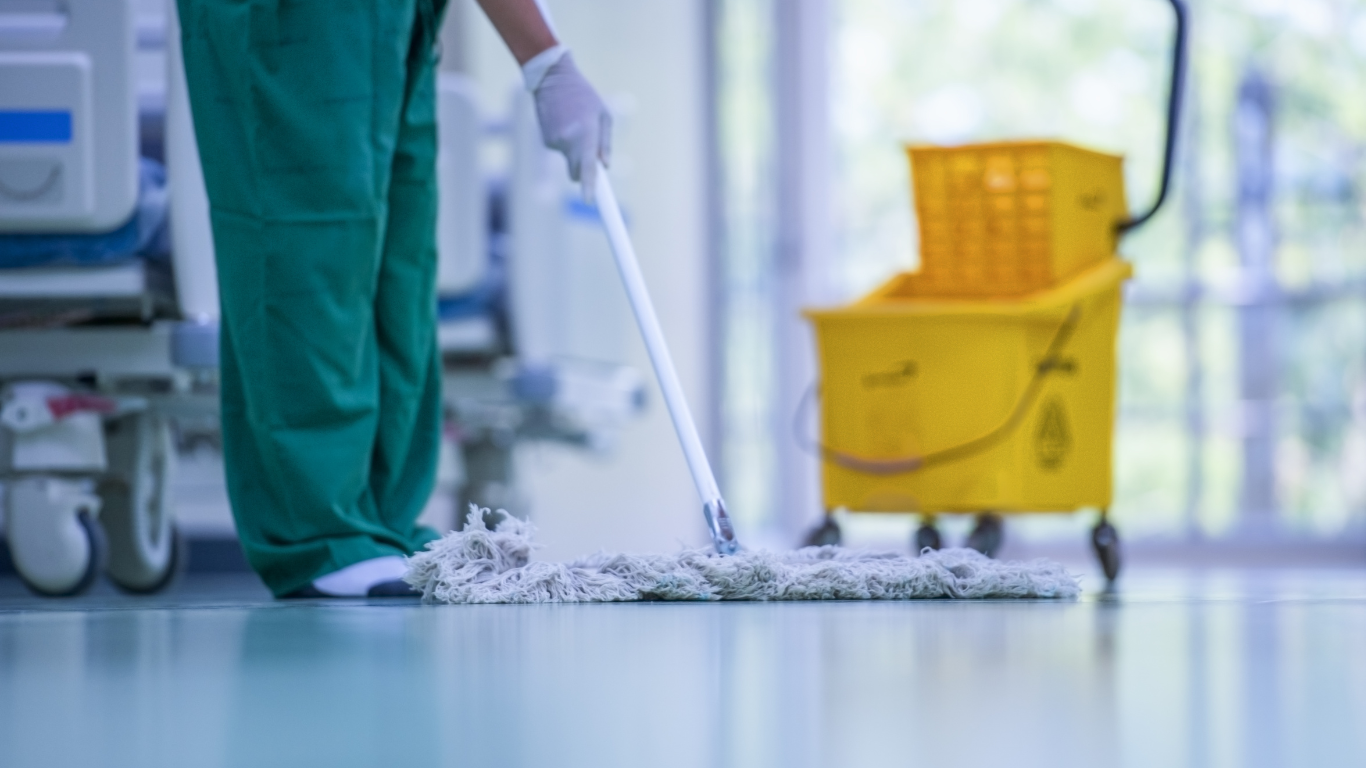
Different flooring materials require different care strategies. Hard surface floors may need periodic stripping and refinishing to restore protective layers. Carpeted areas benefit from deep extraction to remove embedded soil that regular vacuuming cannot reach.
Concrete and specialty flooring may require sealing or polishing to maintain durability and appearance. Applying the wrong method or product can damage surfaces, shorten lifespan, and increase long term costs.
Professional floor care ensures that materials are treated appropriately and consistently.
Appearance Reflects Facility Management Standards
Floor condition has a significant impact on how a facility is perceived. Dull, stained, or damaged floors can make an otherwise well maintained space feel neglected. Clean, well cared for floors support a professional image and reinforce confidence in facility management.
This is particularly important in shared commercial spaces where tenant satisfaction and retention depend on overall building condition.
Long Term Cost Control
While professional floor care represents an investment, it often reduces total cost over time. Extending the life of flooring materials delays replacement expenses and minimizes disruption associated with renovation.
Consistent maintenance also helps facilities budget more predictably. Scheduled floor care is easier to plan for than emergency repairs or premature replacement caused by neglect.

Integrating Floor Care Into a Comprehensive Cleaning Plan
Floor care should be integrated into a broader janitorial and maintenance strategy. This includes daily cleaning, periodic deep care, and seasonal adjustments based on weather and usage patterns.
A comprehensive approach allows facilities to address immediate cleanliness needs while also protecting long term assets.
Supporting Facility Longevity Through Professional Care
Flooring is a major component of any facility’s infrastructure. Treating it as a long term asset rather than a surface level concern supports safety, appearance, and financial sustainability.
At ABS Facility Solutions, we view floor care as an essential part of responsible facility management. Through consistent, material appropriate maintenance, we help facilities protect their investment and maintain professional standards over time.