How Outsourcing Janitorial Services Helps Businesses Maintain Compliance
Creating a Safer, Healthier Facility Through Professional Cleaning
Maintaining a clean and safe facility is more than a matter of appearance. It is an essential part of meeting workplace safety obligations and demonstrating a commitment to the well being of employees, customers, and visitors. Many businesses attempt to handle cleaning through internal staff, but the complexity of modern safety regulations often requires a more structured and specialized approach. Outsourcing janitorial services allows organizations to rely on trained professionals who understand current standards and deliver consistent results. At ABS Facility Solutions, we provide cleaning programs that support regulatory compliance and create a healthier workplace environment.

Understanding the Role of OSHA and Health Standards
The Occupational Safety and Health Administration, along with public health agencies, establishes guidelines that govern workplace safety, sanitation practices, and exposure control. These regulations outline expectations regarding cleanliness, chemical handling, restroom sanitation, waste disposal, and the proper use of personal protective equipment. Businesses are responsible for maintaining conditions that minimize health risks. Failure to do so can result in regulatory penalties, employee complaints, or preventable health incidents.
OSHA standards cover hazards that may arise from biological contamination, chemical exposure, and poor indoor air quality. Many of these issues are related to cleaning frequency, the quality of sanitation procedures, and the products used within the facility. When cleaning is performed inconsistently or without proper training, gaps in compliance may occur.
The Value of Professional Training and Expertise
Outsourced janitorial teams receive ongoing training that covers proper sanitation techniques, hazard communication, safe chemical handling, and equipment use. This training ensures that cleaning tasks are performed correctly and safely. Internal staff may not be familiar with these procedures or may not have time to complete them in a comprehensive manner.
We follow established protocols designed to reduce risks associated with high touch surfaces, restroom contamination, and shared workspaces. Our teams understand how to apply disinfectants correctly, how long products must remain on surfaces, and which materials require special handling. This level of knowledge helps facilities maintain alignment with OSHA and public health guidance.
Consistency and Accountability in Cleaning Programs
Regulatory compliance requires routine and predictable cleaning. Outsourcing provides structure through scheduled services, documented procedures, and quality control measures. When internal employees are responsible for cleaning, tasks may be delayed or overlooked during busy periods. Outsourced programs eliminate these inconsistencies.
We implement checklists and supervisory inspections that verify all required areas receive appropriate care. Restrooms, break rooms, workstations, and common spaces are cleaned with the frequency needed to meet sanitation expectations. This consistency reduces the likelihood of hazards developing due to neglect.
Proper Use of Cleaning Chemicals and Equipment
Improper chemical use is a common source of safety issues. OSHA regulations require clear labeling, safe storage, and adherence to manufacturer instructions. Professional janitorial providers are trained in these requirements and use products that meet safety and environmental standards. Our teams know how to dilute solutions correctly, how to ventilate spaces when needed, and how to minimize exposure.
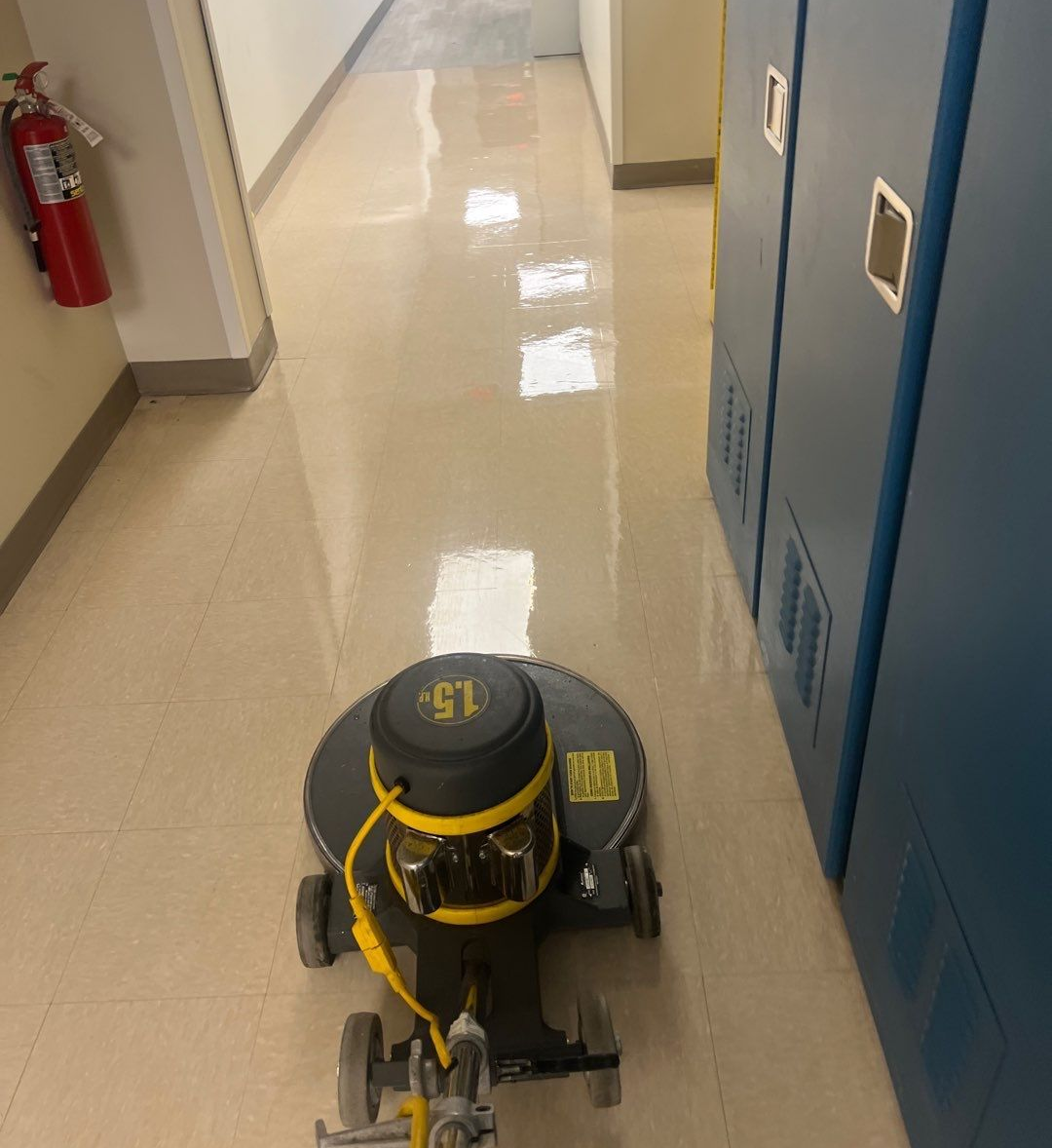
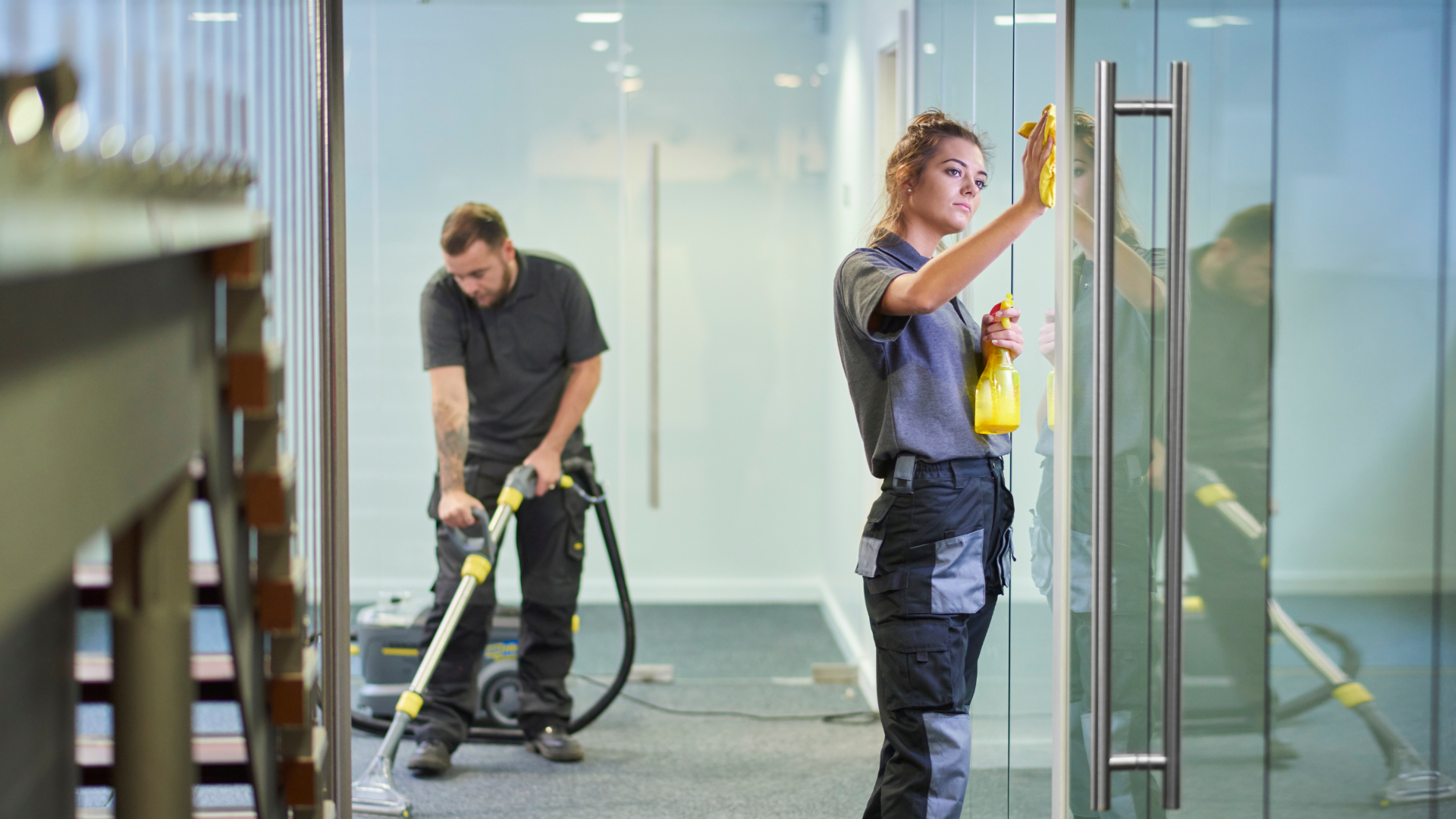
Specialized equipment such as floor machines, carpet extractors, and electrostatic sprayers must also be used properly to avoid accidents or surface damage. Outsourced teams are familiar with these tools and understand how to operate them safely. This reduces liability for the business and helps maintain compliance.
Reducing Health Risks and Supporting Employee Well Being
A clean facility supports employee health by lowering the presence of contaminants that contribute to illness. High quality cleaning reduces the buildup of dust, allergens, and bacteria on surfaces. Consistent restroom sanitation and waste removal help prevent the spread of germs.
Outsourcing also helps maintain indoor air quality by preventing dust accumulation in high areas and addressing moisture that can lead to
mold growth. These practices align with health recommendations and create a more comfortable work environment.
Protecting Businesses Through Reliable Service
Outsourcing janitorial services supports compliance by delivering trained personnel, consistent procedures, and documented accountability. With a structured cleaning program, businesses reduce their regulatory risk and create safer spaces for everyone who enters the facility. Our goal is to help organizations maintain conditions that meet the expectations of OSHA and health agencies while contributing to productivity and employee satisfaction.
Building a Safer and More Compliant Workplace
Reliable janitorial services are an essential part of regulatory compliance. Through proper training, consistent procedures, and a clear understanding of safety standards, outsourced cleaning programs help businesses meet their responsibilities. At ABS Facility Solutions, we provide the support and expertise required to maintain a clean, safe, and fully compliant environment, allowing organizations to focus on their core operations with confidence.