The Role of Janitorial Services in Creating Healthier Indoor Environments
Supporting Safer Commercial Spaces
Indoor environments have a direct impact on the people who occupy them every day. Employees, visitors, students, and customers all spend significant amounts of time inside commercial facilities, which makes indoor environmental quality an important operational consideration. One of the most effective ways to support healthier indoor spaces is through consistent, professional janitorial services.
Indoor Health Goes Beyond Appearance
Cleanliness is often judged by appearance alone, but a healthy indoor environment involves more than what is visible. Dust, allergens, bacteria, and other contaminants can accumulate on surfaces and in the air even when a facility looks orderly.
Professional janitorial services focus on both visible cleanliness and the removal of contaminants that affect indoor conditions. Regular cleaning addresses areas that are frequently overlooked, such as high touch surfaces, corners, and shared equipment.

Managing Dust and Particulates
Dust buildup is a common issue in commercial spaces. It can settle on surfaces, circulate through air systems, and contribute to respiratory discomfort. Routine cleaning helps reduce dust accumulation by removing particles before they are redistributed throughout the facility.
Consistent vacuuming, surface wiping, and floor care play an important role in managing particulate levels. Over time, this helps support cleaner air and a more comfortable environment for occupants.
High Touch Surfaces and Shared Spaces
Door handles, light switches, desks, restrooms, and break areas are touched repeatedly throughout the day. These surfaces can become points of contamination if not cleaned regularly.
Janitorial services that prioritize
high-touch areas help reduce the spread of germs within a facility. This approach supports general health practices and contributes to a cleaner shared environment.

Restroom Hygiene and Indoor Health
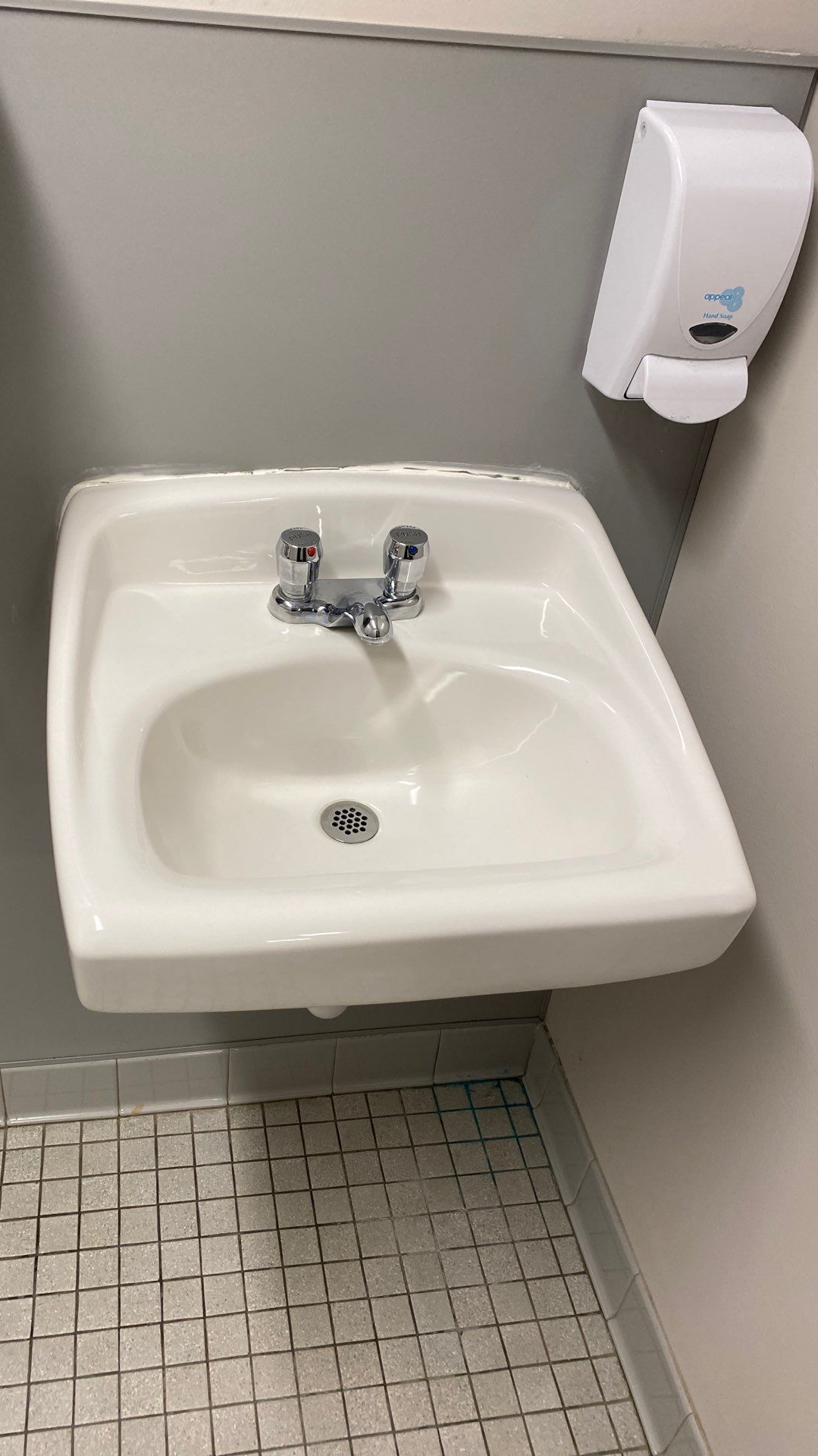
Restrooms are critical to overall facility hygiene. Poorly maintained restrooms can contribute to unpleasant odors, surface contamination, and negative perceptions of cleanliness.
Regular restroom sanitation helps control bacteria and maintain a hygienic environment. Consistent attention to these spaces supports occupant comfort and reinforces health standards throughout the facility.
Supporting Air Quality Through Cleaning Practices
While HVAC systems play a role in air circulation, cleaning practices directly influence indoor air quality. Dust and debris that remain on floors, carpets, and surfaces can become airborne through daily activity.
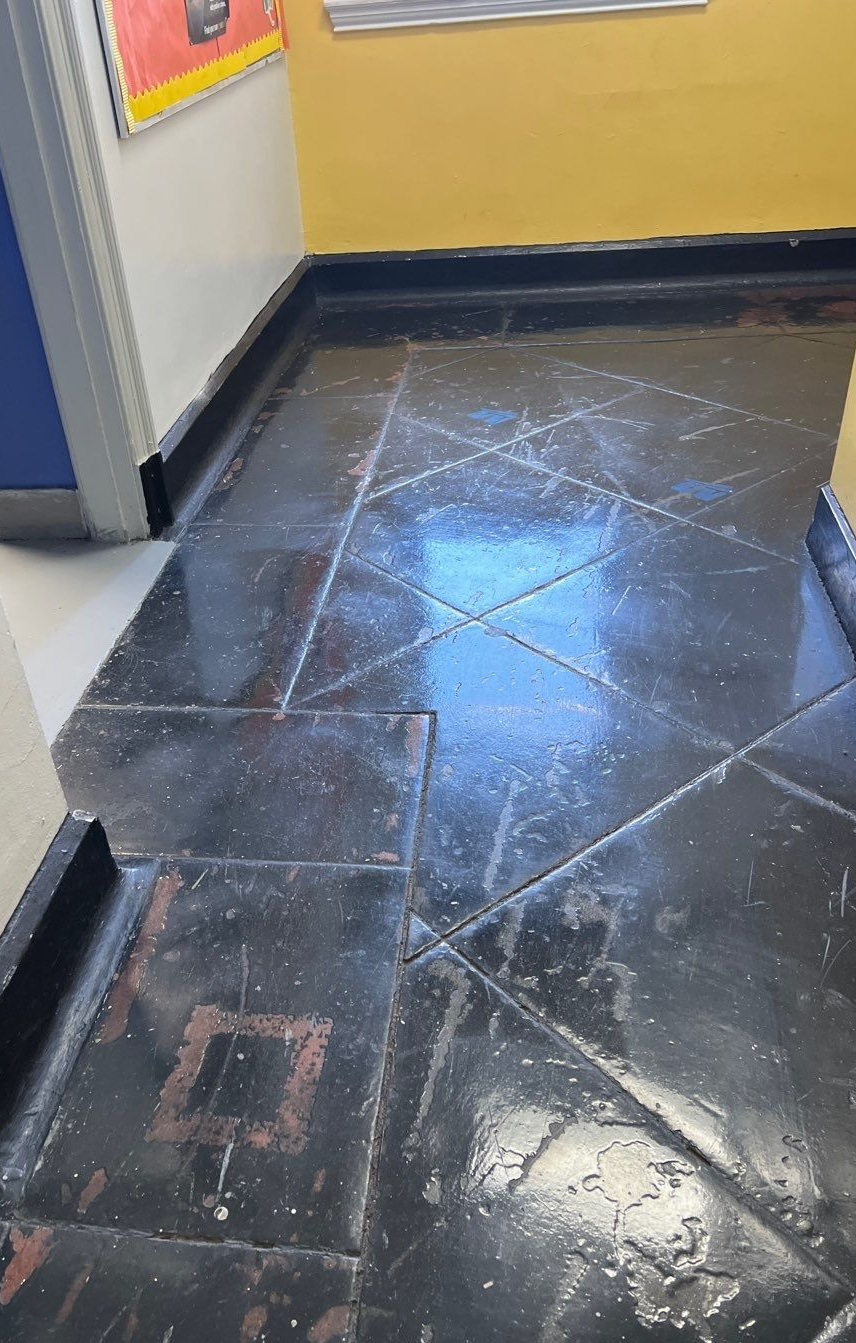
Routine cleaning reduces the amount of material available to circulate in the air. Proper floor care, including vacuuming and hard surface maintenance, helps support cleaner indoor air conditions.
Reducing Illness Related Disruptions
Healthier indoor environments may contribute to fewer illness related disruptions. While no cleaning program can eliminate all risks, maintaining consistent sanitation helps reduce potential exposure.
For businesses and organizations, fewer disruptions support productivity, attendance, and overall continuity of operations.
Consistency Is Key
Occasional cleaning cannot provide the same benefits as a consistent janitorial program. Health related improvements depend on regular attention and standardized procedures.
A structured cleaning schedule ensures that critical areas are addressed routinely. This consistency helps maintain healthier conditions over time rather than allowing contaminants to accumulate between services.
Documentation and Accountability
Professional janitorial services often include checklists, quality control processes, and documentation. These tools support accountability and provide visibility into cleaning practices.
Documentation is especially valuable for facilities that must meet internal standards or respond to health related concerns. Clear records demonstrate an ongoing commitment to maintaining a healthy environment.
A Proactive Approach to Facility Health
Creating healthier indoor environments requires proactive planning rather than reactive cleaning. Janitorial services are a foundational component of this effort.
At ABS Facility Solutions, we approach cleaning as an essential part of facility health and performance. Through consistent janitorial services, we help support indoor environments that are cleaner, more comfortable, and better suited for the people who rely on them every day.