Using Regular Janitorial Services to Support Regulatory Compliance
Safer, Compliant Facilities
Regulatory compliance is a responsibility that affects every commercial facility, regardless of industry. While compliance is often associated with equipment, training, and documentation, cleanliness plays an important supporting role. Regular janitorial services help facilities maintain safer environments, reduce preventable risks, and align daily operations with regulatory expectations. At ABS Facility Solutions, we view consistent cleaning as a foundational part of compliance planning rather than an afterthought.
Clean Facilities Support OSHA Safety Expectations
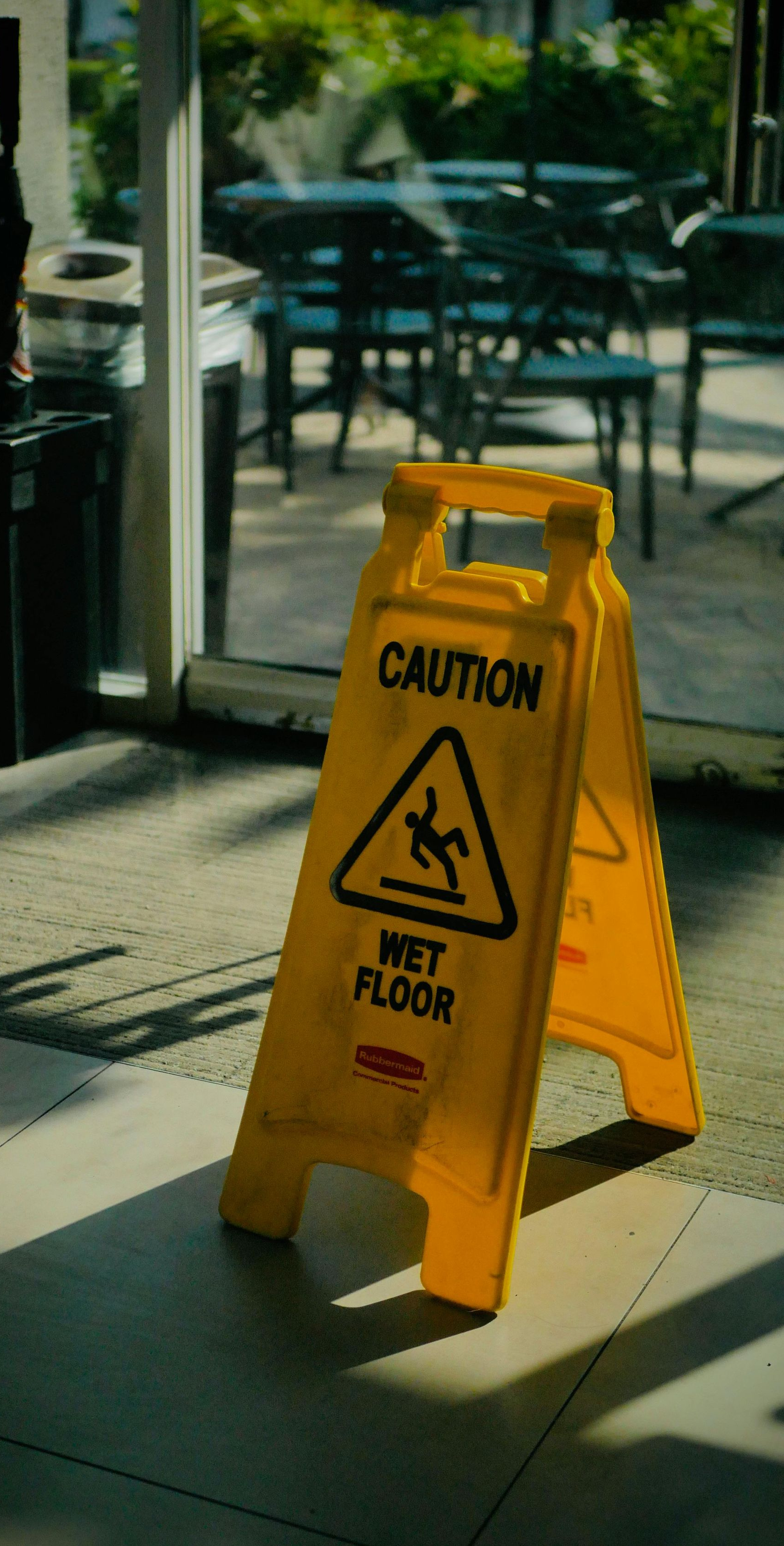
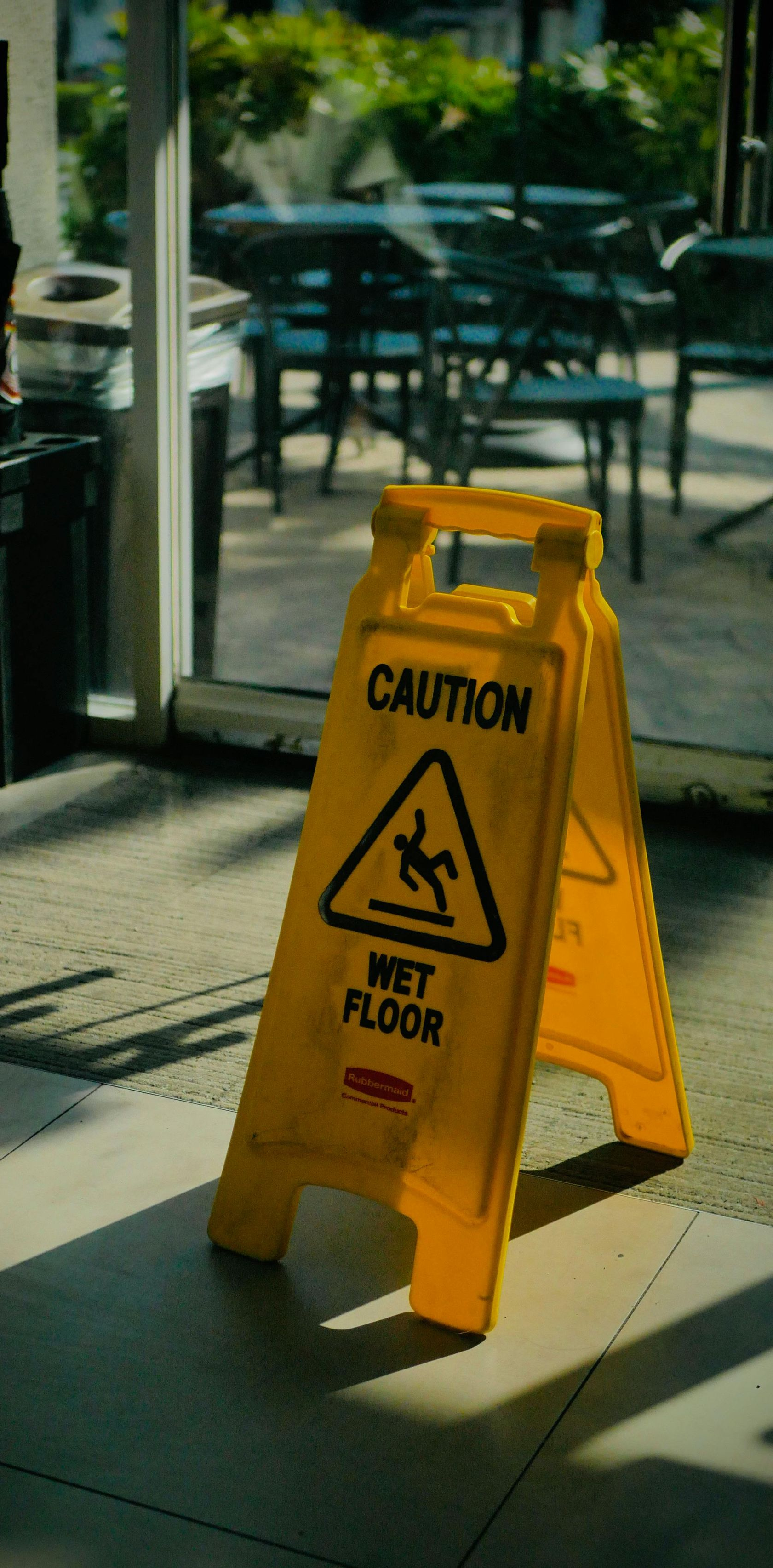
The Occupational Safety and Health Administration requires employers to provide workplaces free from recognized hazards. While OSHA standards cover a wide range of safety issues, many common citations involve conditions that are directly affected by cleanliness. Slips, trips, and falls remain among the most frequent workplace incidents, and these risks are often tied to dirty or poorly maintained surfaces.
Regular janitorial services help address debris, spills, and buildup before they become hazards. Clean floors, properly maintained restrooms, and orderly common areas contribute to safer working conditions. While cleaning alone does not guarantee compliance, it supports a safer baseline environment that reduces avoidable risks.
Hygiene and Sanitation Matter in Shared Spaces
Workplaces with shared spaces such as restrooms, break rooms, and entry areas require consistent sanitation. High touch surfaces including door handles, light switches, tables, and fixtures can become sources of contamination if neglected. Routine cleaning helps limit the spread of germs and supports general hygiene expectations.
OSHA guidance emphasizes the importance of maintaining sanitary conditions, particularly in environments where employees share facilities. Regular janitorial services help ensure that these areas are cleaned on a consistent schedule rather than relying on irregular or reactive efforts.
Environmental Considerations and EPA Awareness
The Environmental Protection Agency plays a role in regulating substances that affect indoor and outdoor environments. While janitorial services are not responsible for regulatory filings, they influence how cleaning chemicals are used and managed within a facility.
Professional janitorial programs often incorporate products and practices designed to reduce unnecessary exposure and environmental impact. Proper dilution, application, and
disposal of cleaning agents support safer use and align with broader environmental expectations. Consistency matters, as improper or excessive chemical use can create issues that extend beyond cleanliness.

Documentation and Consistency Reduce Risk
One challenge many facilities face is inconsistency. When cleaning is handled sporadically or informally, standards vary depending on who is available and when tasks are addressed. This inconsistency can become a problem during inspections or audits.
Regular janitorial services create predictable routines. Cleaning logs, schedules, and defined scopes of work help demonstrate that a facility takes cleanliness seriously as part of its operational standards. While janitorial services do not replace formal compliance documentation, they support a culture of consistency that regulators expect to see.

Preventive Cleaning Versus Reactive Cleanup
Facilities that rely on reactive cleaning often address problems only after they become visible or disruptive. This approach increases the likelihood of safety issues and can contribute to negative findings during inspections. Preventive cleaning focuses on maintaining conditions before they deteriorate.
Regular janitorial services emphasize prevention. Dust accumulation, restroom neglect, and floor buildup are addressed as part of routine maintenance rather than emergency response. This proactive approach supports compliance by reducing conditions that could be interpreted as neglect.
Industry Expectations Continue to Rise
Regulatory expectations evolve over time. Cleanliness standards that were once considered adequate may no longer meet current expectations, particularly in healthcare, education, manufacturing, and high occupancy facilities. Consistent janitorial services help facilities adapt to these changing expectations without requiring disruptive changes.
Staying ahead of cleanliness expectations also supports employee confidence and public perception. A well maintained facility reflects organizational responsibility and attention to detail.
Cleanliness as Part of a Compliance Strategy
Janitorial services are not a substitute for safety programs, training, or regulatory oversight. However, they play an essential supporting role. Clean, orderly environments reduce hazards, support hygiene, and reinforce compliance efforts across multiple regulatory areas.
At ABS Facility Solutions, we work with facilities that understand the value of consistency. Regular janitorial services help maintain conditions that support compliance goals while creating safer and more professional environments for employees and visitors alike.