How Clean Common Areas Improve Tenant Retention in Multi Tenant Properties
Why Clean Common Areas Drive Tenant Satisfaction
In multi tenant properties, common areas play a critical role in how occupants experience the building on a daily basis. Lobbies, hallways, elevators, restrooms, break rooms, and shared amenities are used by everyone, often multiple times per day. When these spaces are consistently clean and well maintained, they contribute to a positive environment that tenants notice and appreciate. At ABS Facility Solutions, LLC, we understand that professional cleaning of common areas is not just about appearance, it is a strategic component of tenant retention.
First Impressions Influence Long Term Perception
For many tenants, common areas form their first and last impressions of a property each day. A clean lobby, spotless floors, and well maintained restrooms signal professionalism and care. Conversely, dirty or neglected shared spaces can quickly create frustration and dissatisfaction.
Tenants often associate the condition of common areas with the overall
quality of property management. Even when individual suites are well maintained, poorly cleaned shared spaces can undermine confidence and reflect negatively on the building as a whole.
Daily Use Creates Accelerated Wear
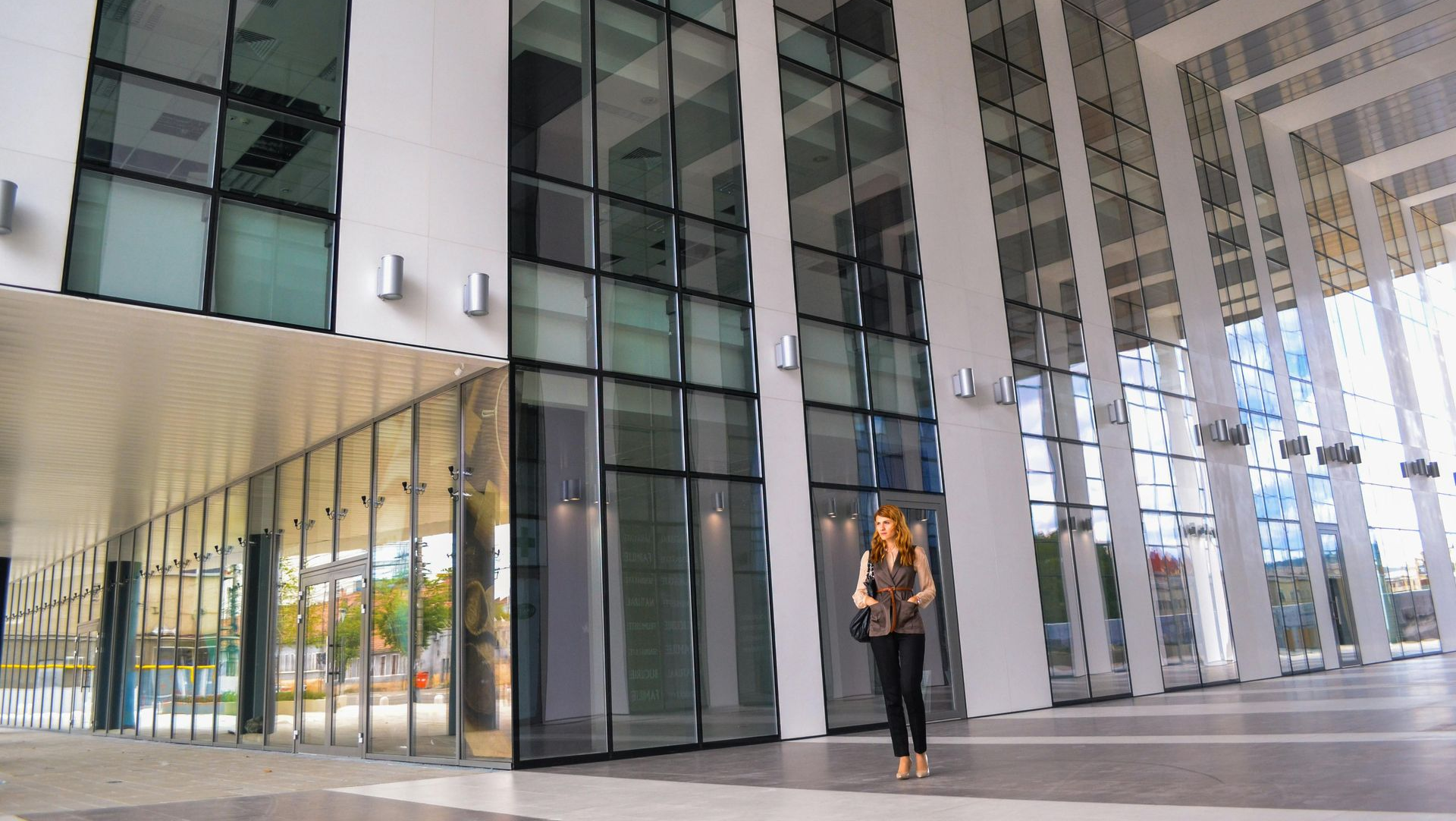
Common areas experience significantly higher foot traffic than private offices or leased spaces. Dirt, moisture, debris, and bacteria accumulate quickly, especially in entrances, corridors, and elevator lobbies. Without consistent cleaning, these areas can deteriorate faster and require costly repairs or renovations.
Regular professional cleaning helps manage this wear by removing contaminants before they cause permanent damage. Proper floor care, surface cleaning, and trash management extend the lifespan of finishes and fixtures, protecting the property’s long term value.
Cleanliness Supports Tenant Comfort and Health
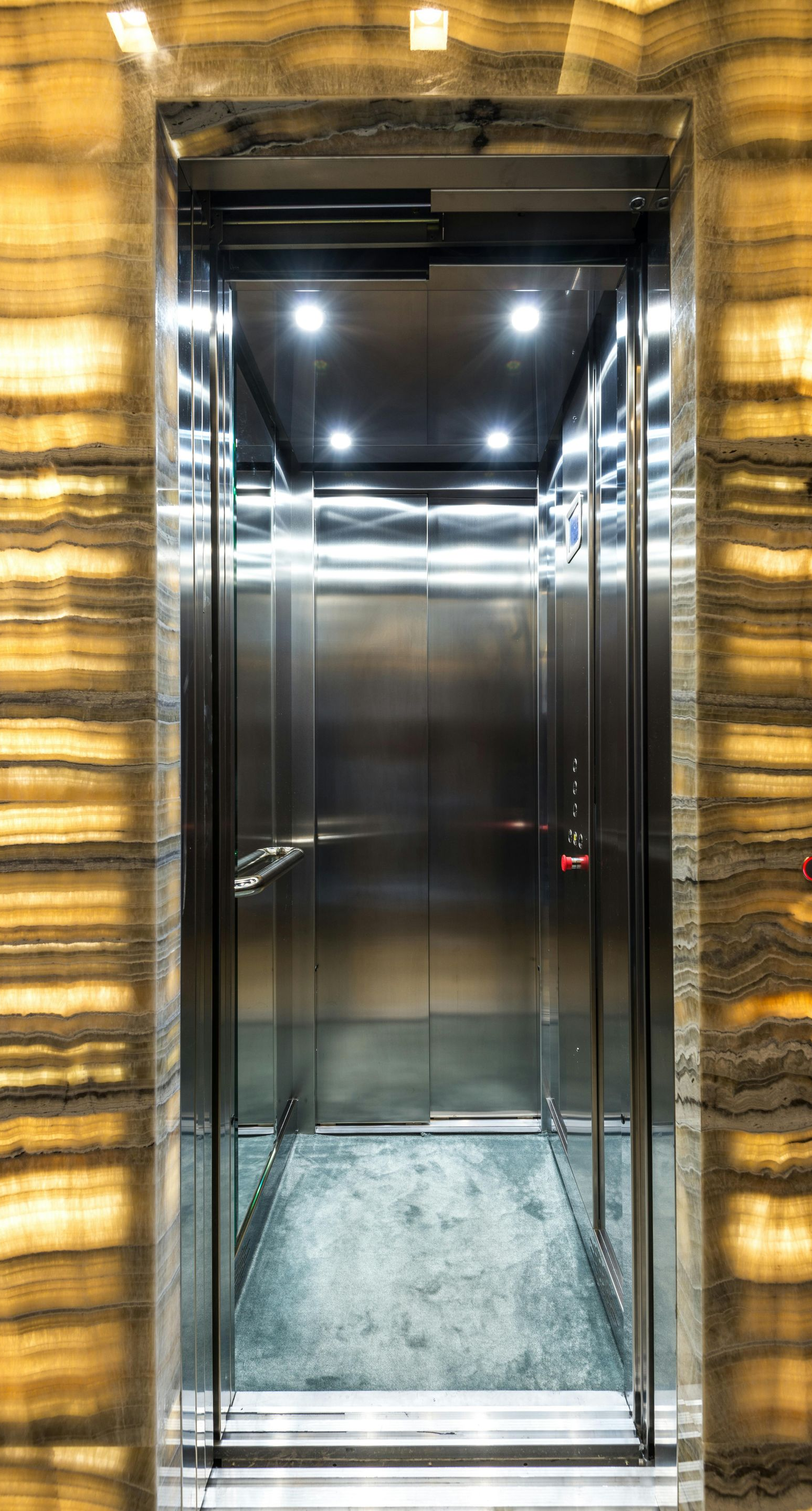
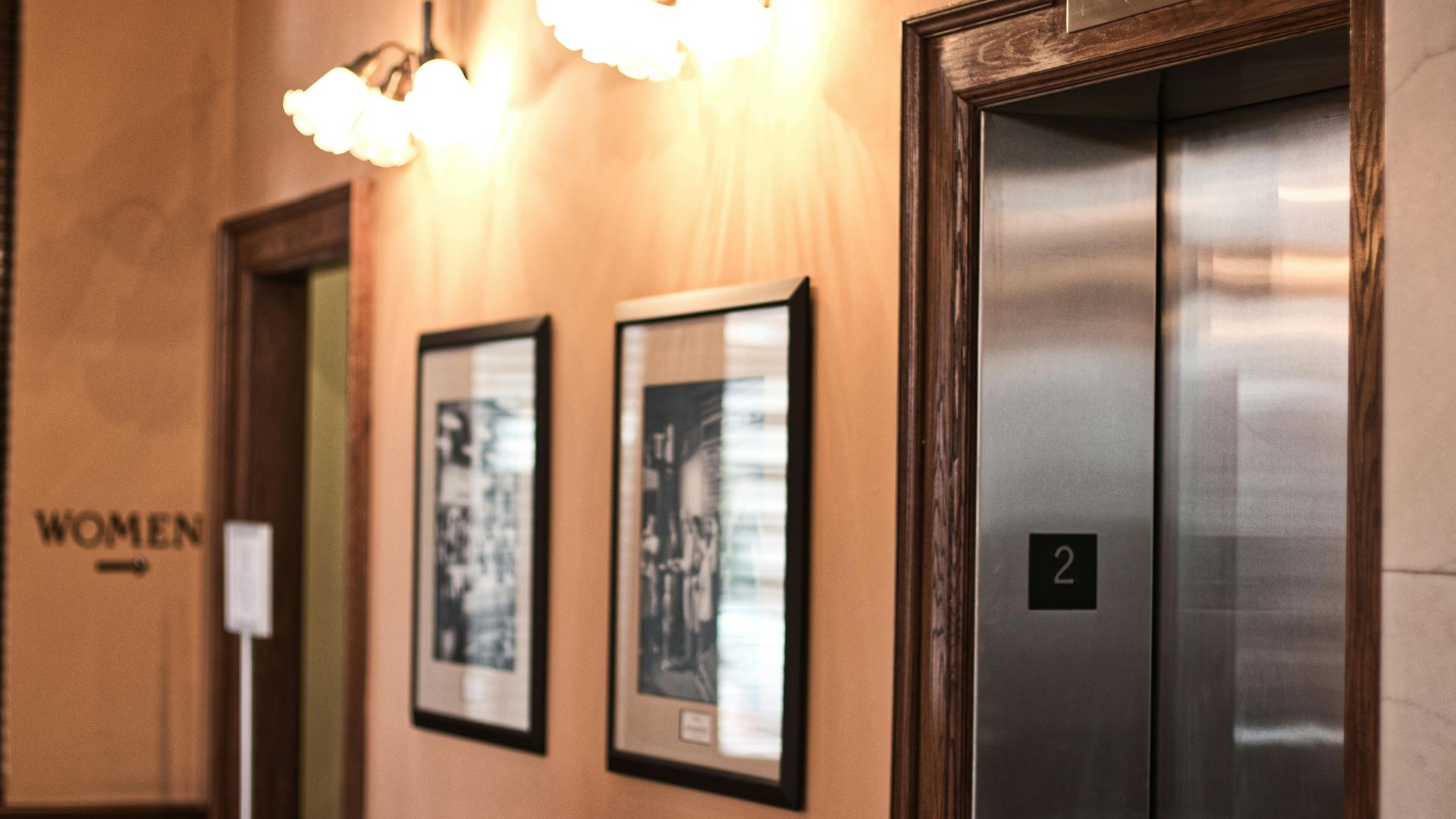
Shared spaces are used by people from different companies, departments, and schedules. This constant circulation increases the likelihood of cross contamination on high touch surfaces such as door handles, railings, elevator buttons, and restroom fixtures.
When common areas are cleaned and disinfected consistently, tenants may feel more comfortable using shared amenities. This sense of cleanliness can reduce complaints, increase satisfaction, and support a healthier work environment, all of which influence a tenant’s decision to renew a lease.
Consistency Builds Trust With Tenants
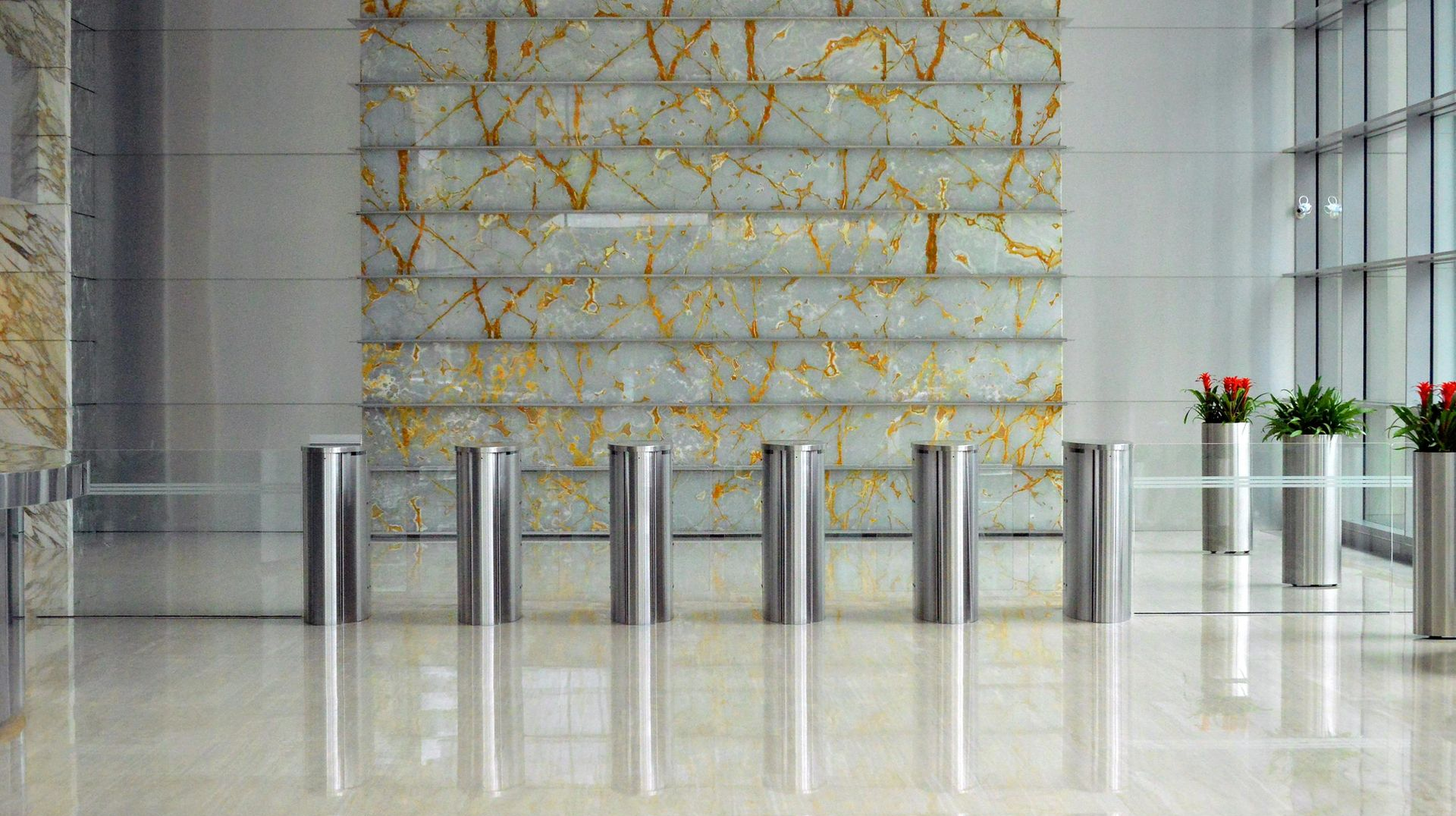
One of the most important factors in tenant retention is consistency. Tenants notice when cleaning quality fluctuates or when standards are not maintained. Inconsistent service can lead to repeated complaints and erode trust in property management.
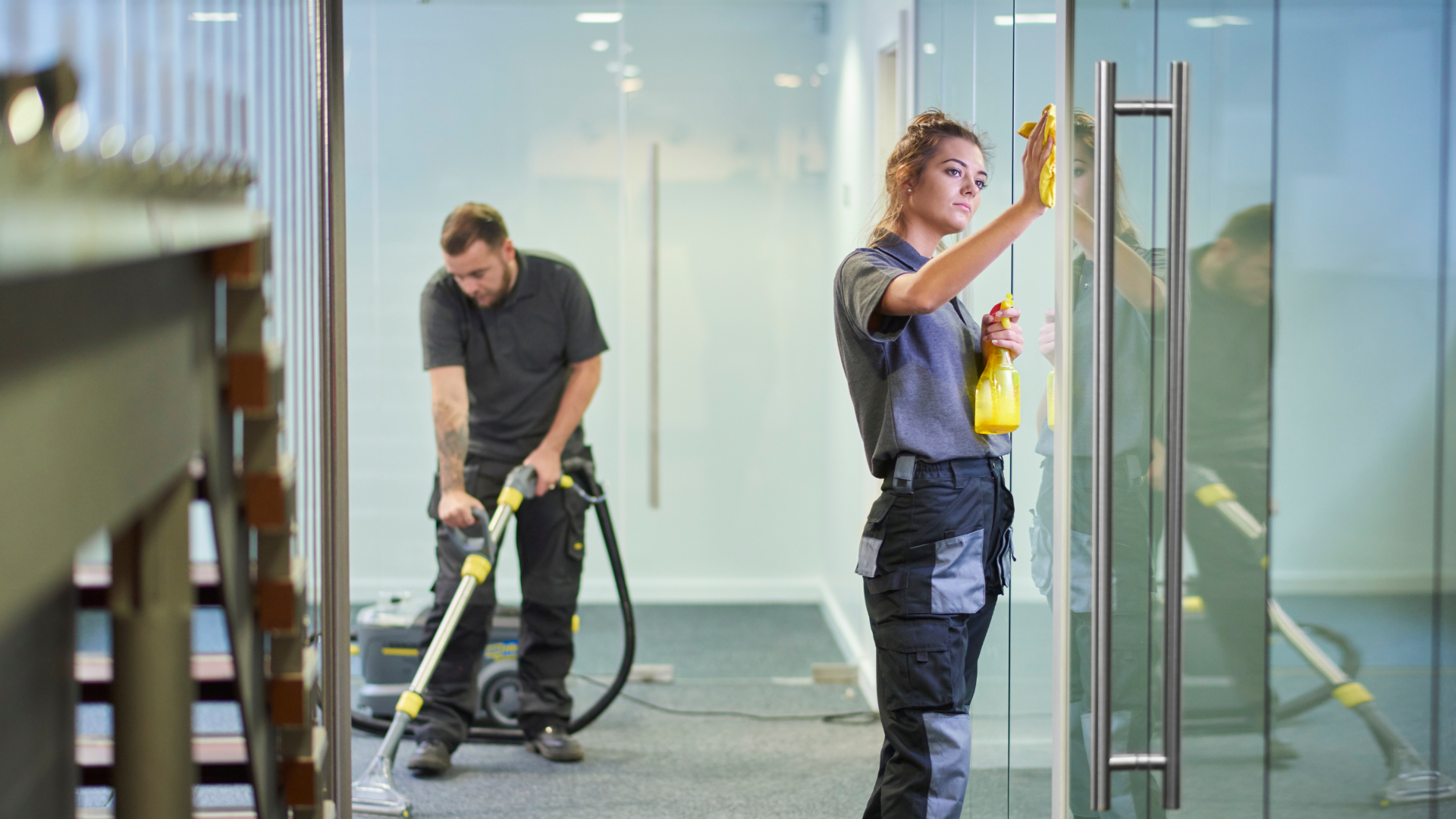
A structured janitorial program ensures that common areas are serviced according to a defined schedule and checklist. At ABS Facility Solutions, LLC, we focus on delivering predictable, reliable results so tenants know what to expect. This reliability helps reinforce confidence in the property and its management.
Clean Common Areas Reflect Professional Standards
For many businesses, common areas serve as extensions of their own workplace. Clients, vendors, and visitors often pass through lobbies and corridors before entering a tenant’s suite. The cleanliness of these spaces can influence how those visitors perceive not only the building but also the businesses within it.
Well maintained common areas support a professional atmosphere that tenants are proud to be associated with. This pride can play a meaningful role in renewal decisions, particularly in competitive leasing markets.
Reducing Complaints and Management Burden
When common areas are cleaned proactively, property managers spend less time responding to complaints and emergency cleaning requests. This allows management teams to focus on higher value responsibilities rather than addressing avoidable issues.
A dependable cleaning partner helps streamline operations and reduces friction between tenants and management. Fewer complaints often correlate with higher tenant satisfaction and longer lease terms.
A Long Term Investment in Retention
Tenant turnover is costly. Vacancies, marketing efforts, and build outs all impact a property’s bottom line. Investing in professional cleaning for common areas is a practical way to support tenant retention while protecting the condition of the facility.
At ABS Facility Solutions, LLC, we work with property managers to develop cleaning programs that reflect the specific needs of multi tenant buildings. By maintaining clean, welcoming shared spaces, we help create environments where tenants feel comfortable, valued, and more likely to stay.