Why Consistent Floor Care Matters for Safety, Appearance, and Long Term Maintenance
Protecting Your Facility Starts from the Ground Up
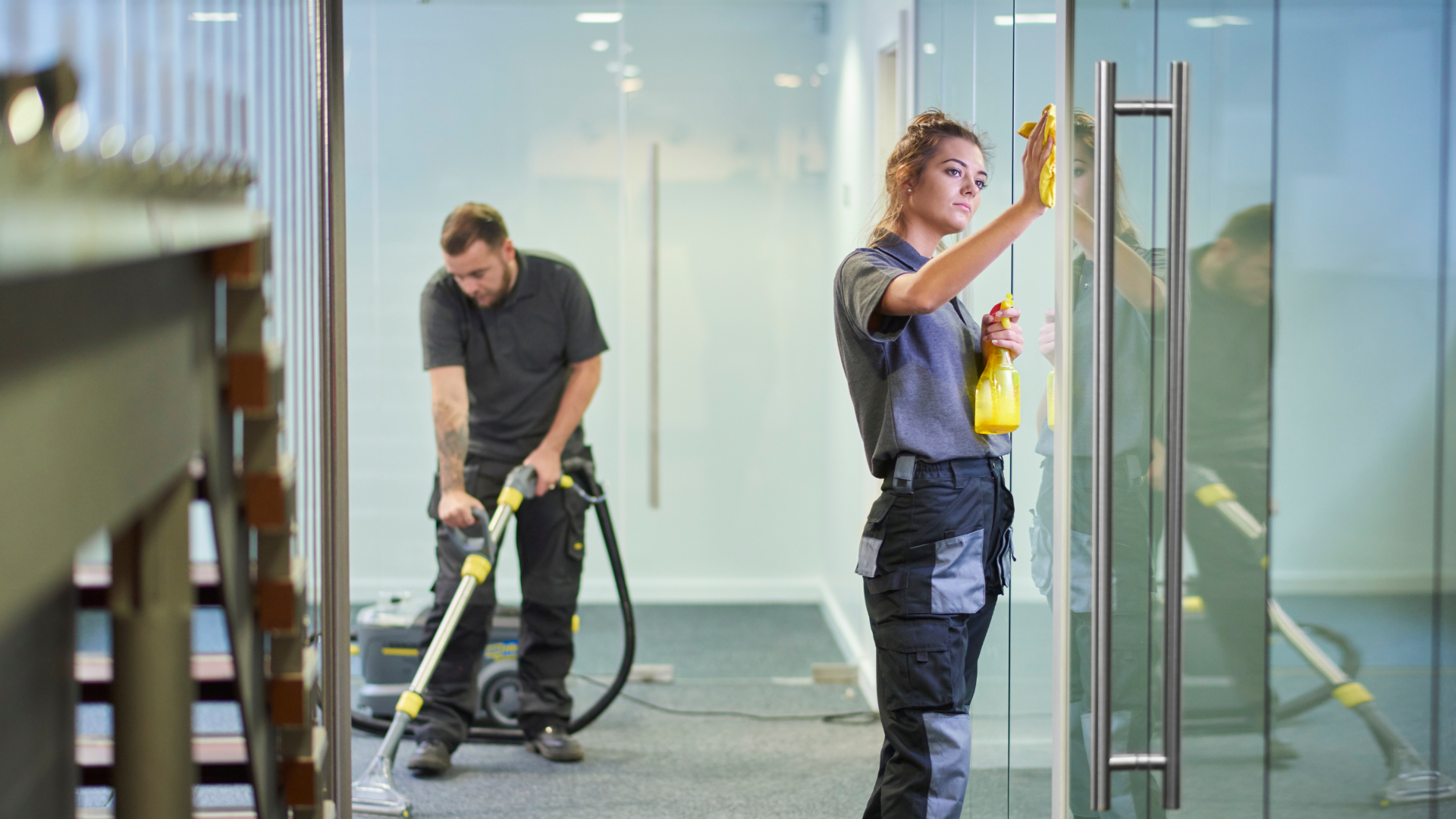
Floors experience more wear than any other surface in a commercial building. Daily foot traffic, equipment movement, weather exposure, and spills all contribute to visible wear and compromised safety when floors are not maintained properly. At ABS Facility Solutions, LLC, we help businesses preserve the integrity and appearance of their flooring through consistent, professional care. A structured maintenance plan does more than improve the way a facility looks. It also protects employees, reduces long term costs, and supports smooth daily operations.

The Connection Between Floor Care and Safety
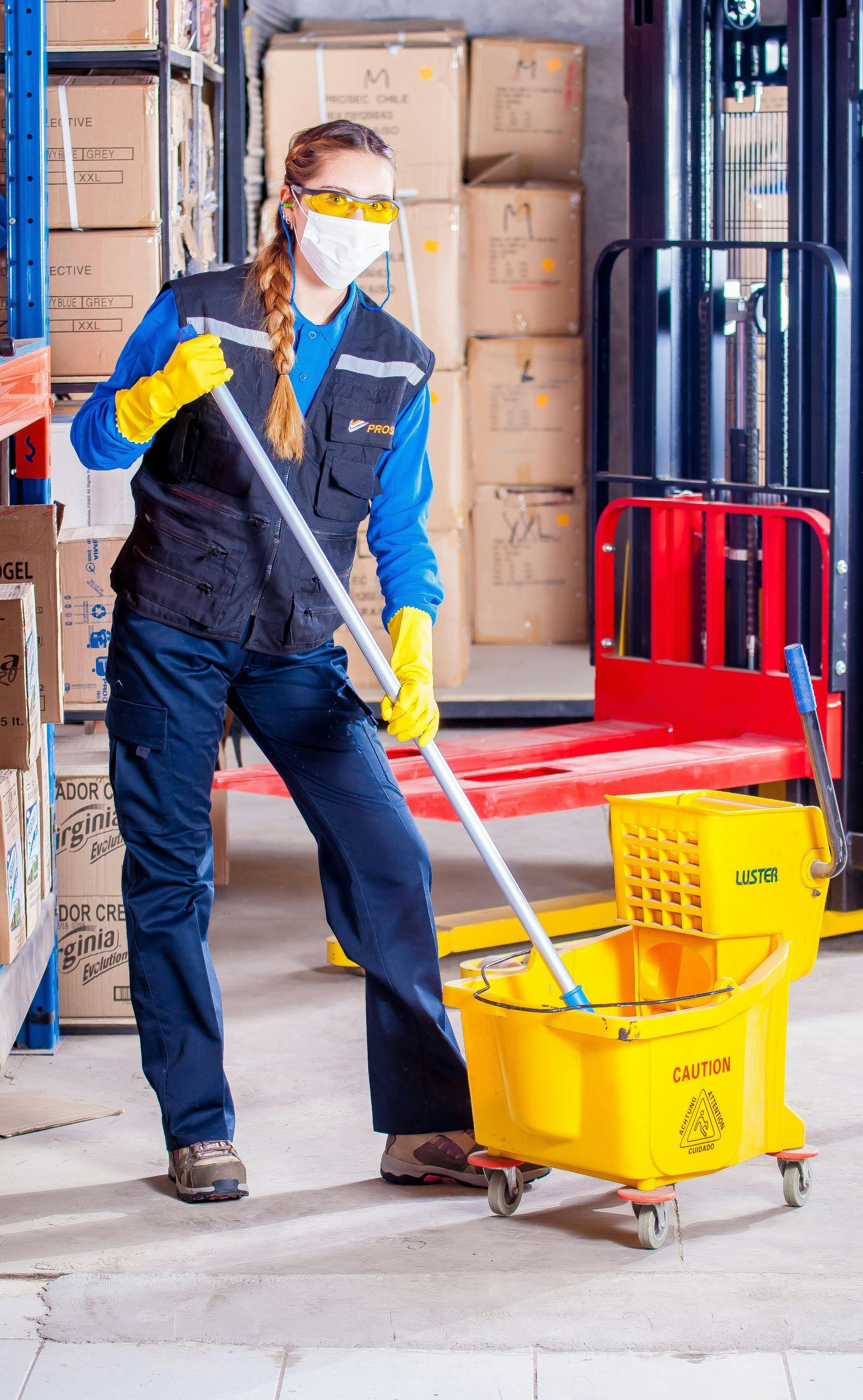
Safety is one of the strongest reasons to prioritize routine floor care. Dirt, dust, and moisture accumulate quickly, especially in high traffic areas. When these substances remain on the floor, the surface becomes slippery or uneven, increasing the risk of slips, trips, and falls. Proper maintenance helps remove these hazards before they cause accidents.
Regular cleaning also supports the condition of non-slip flooring surfaces. Over time, debris can fill the texture of safety flooring, reducing its effectiveness. By cleaning the floor consistently and using appropriate products, we help maintain the traction that keeps employees and visitors safe.
In addition, wear patterns can develop when floors are not sanitized or restored routinely. Deep cleaning, scrubbing, and refinishing help smooth out these uneven surfaces and reduce
trip hazards. Maintaining a consistent schedule helps identify potential risks early so that facility managers can address them before they become safety concerns.
Enhancing the Appearance of the Workplace
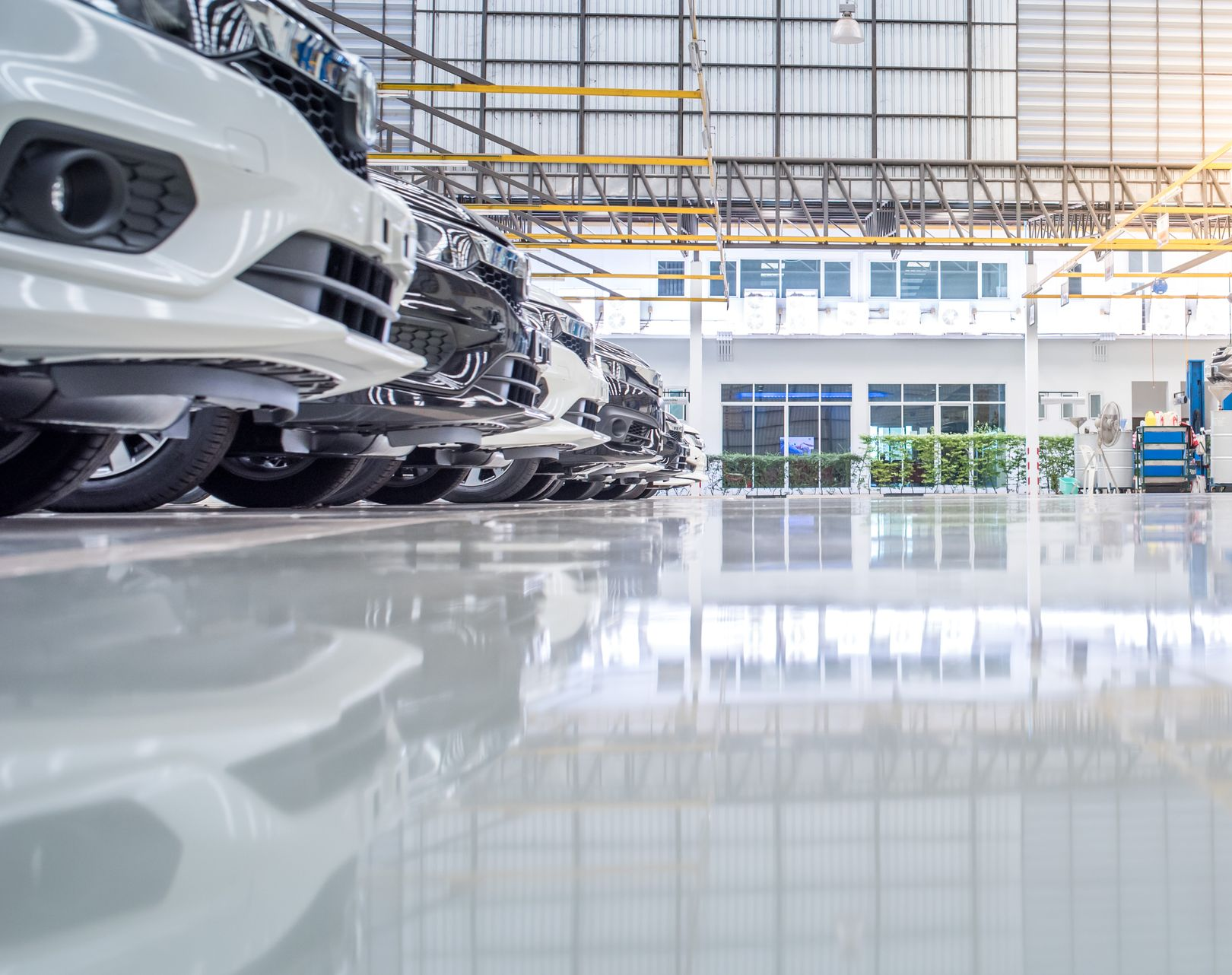
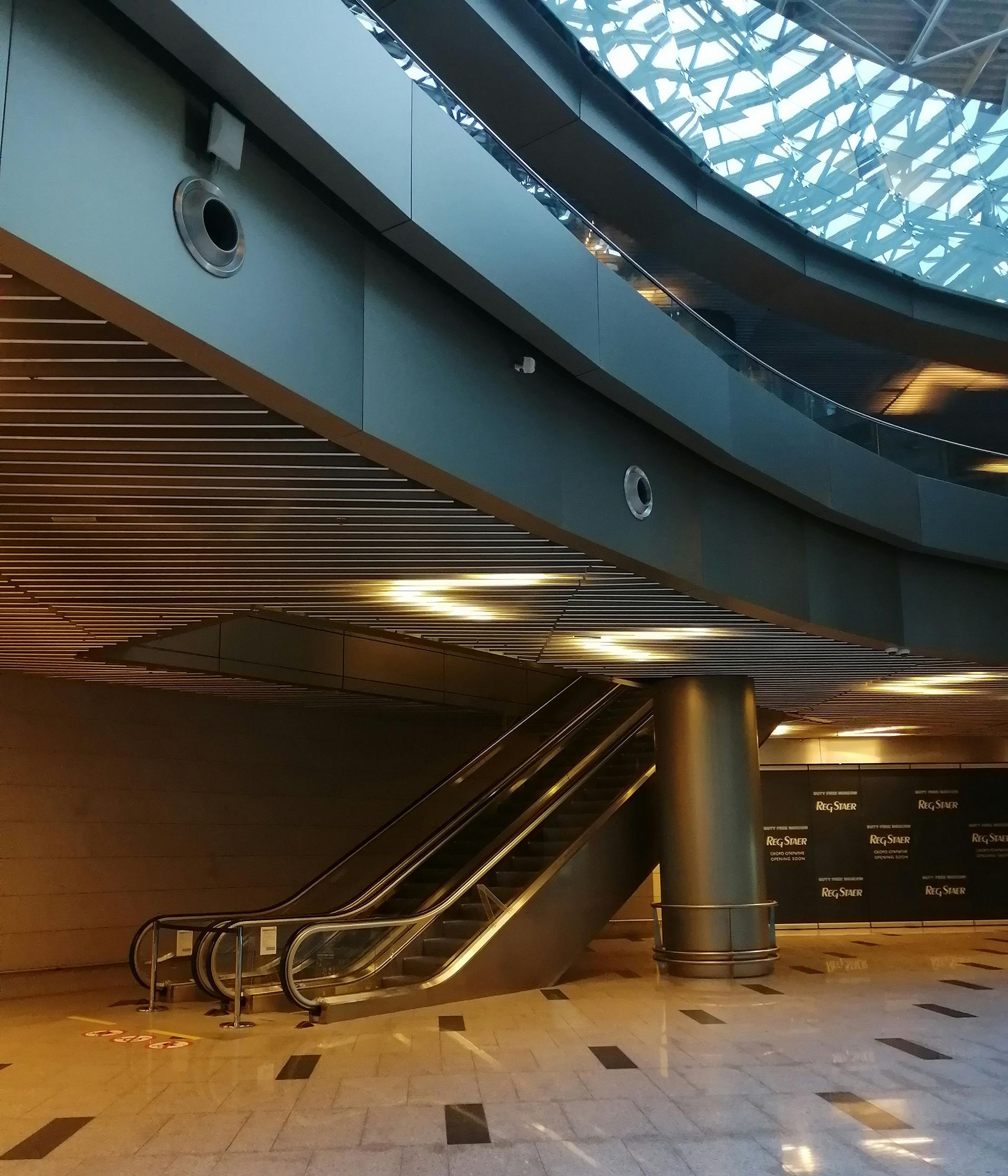
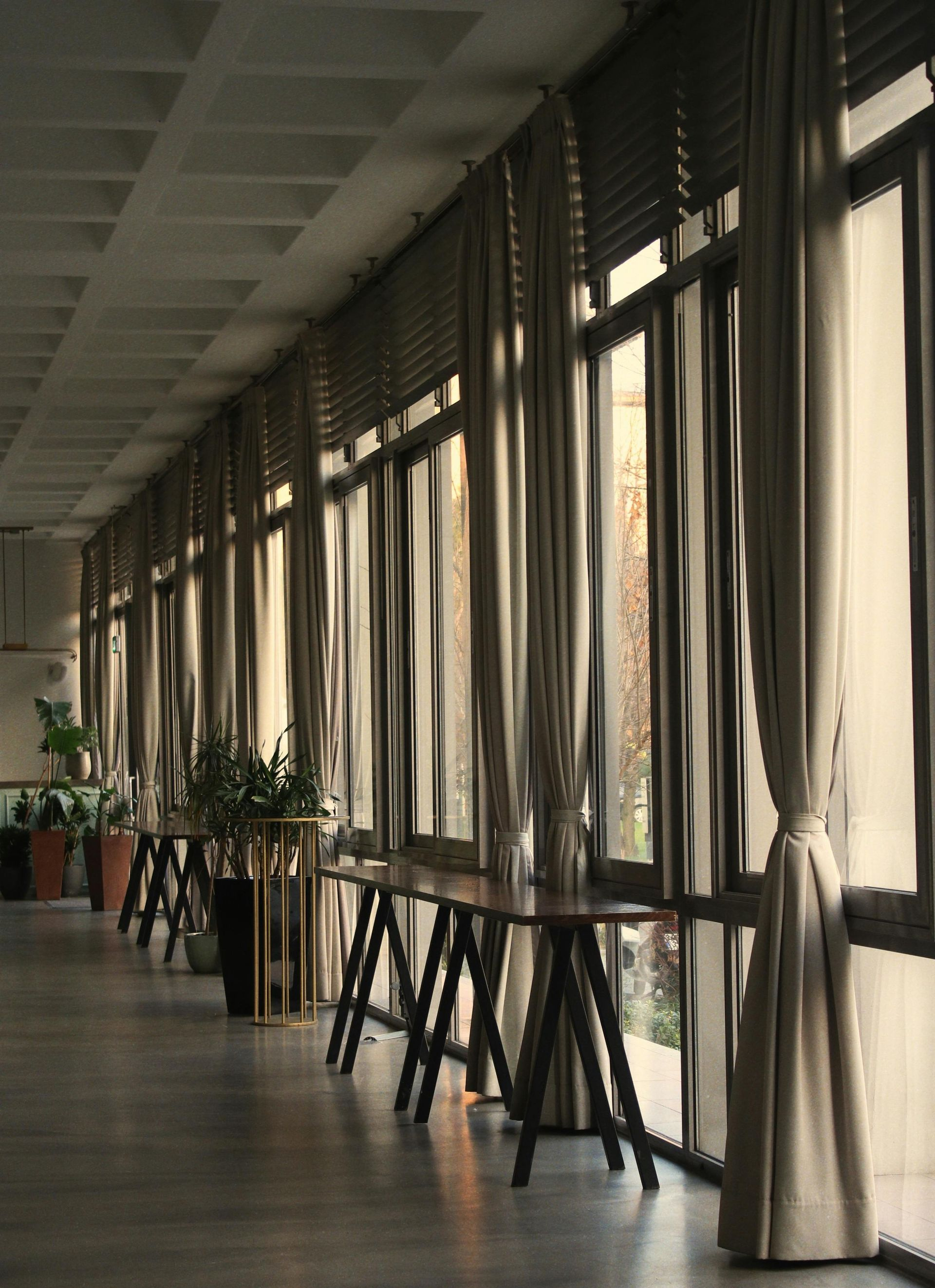
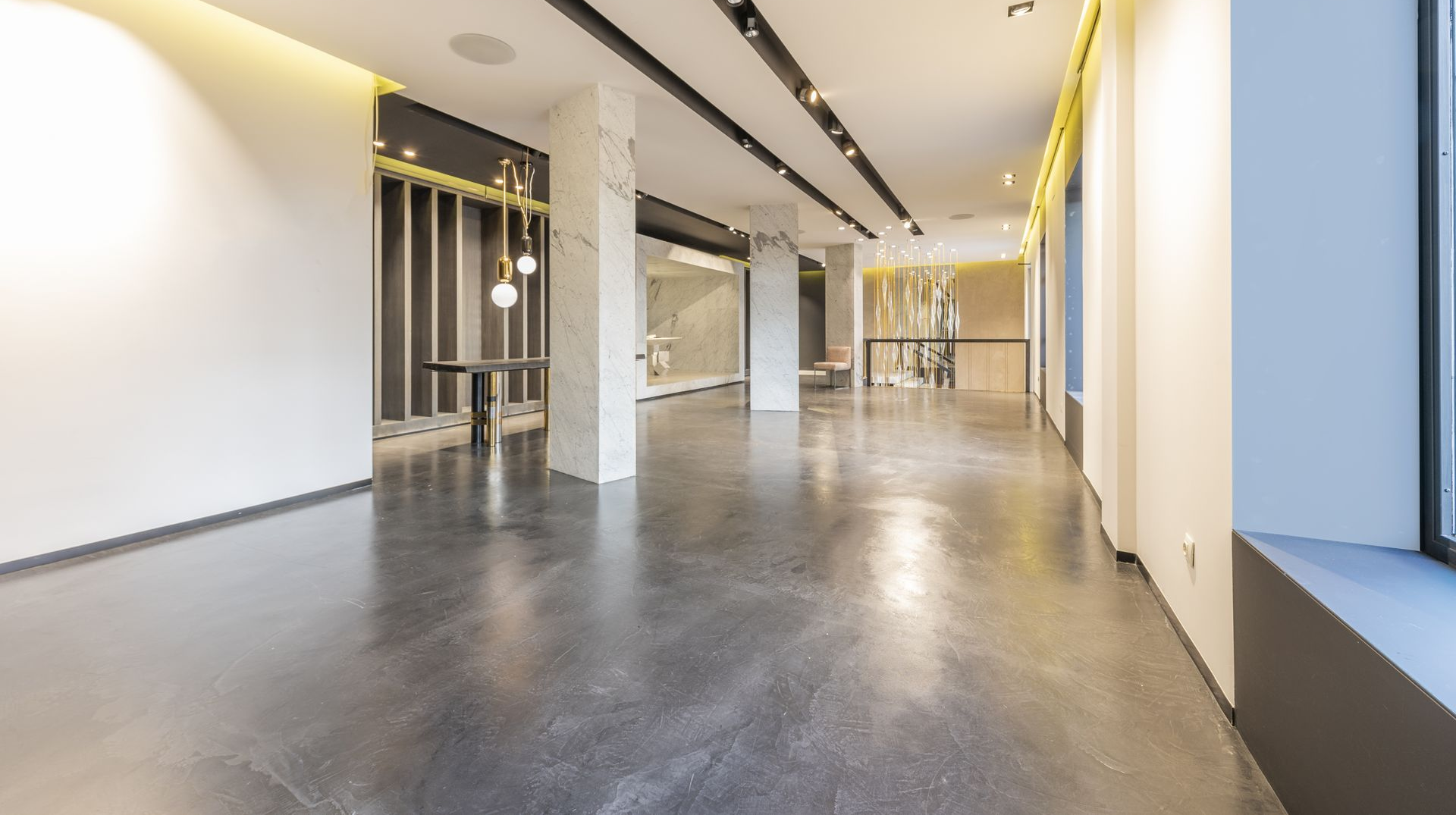
Clean floors contribute significantly to the professional appearance of a facility. The moment someone enters a building, floors are one of the first things they notice. Stains, scuffs, worn finishes, and embedded dirt give the impression of neglect, even when other parts of the facility are well maintained. Regular cleaning, polishing, and refinishing create a polished, professional environment that reflects positively on the entire business.
For facilities that receive frequent visitors, clients, or customers, the condition of the floors plays a meaningful role in shaping perception. A clean and well maintained floor signals organization, attention to detail, and respect for the people who use the space. This impression supports brand reputation and strengthens confidence in the business.
Protecting the Longevity of Flooring Materials
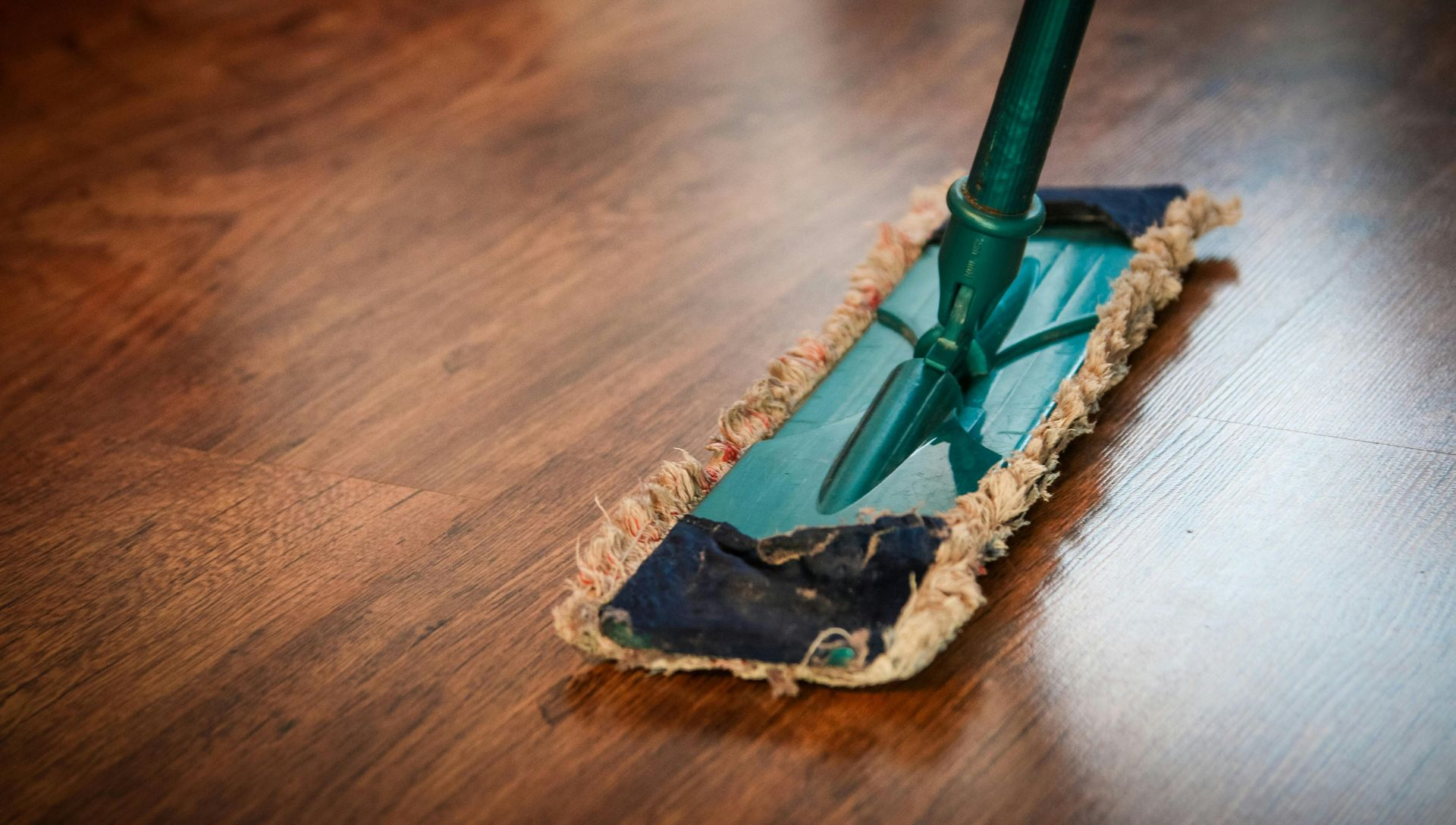
Every type of flooring, from vinyl and laminate to hardwood and tile, has a recommended maintenance schedule that helps preserve its structure and appearance. When floors are not cared for regularly, dirt and grit settle into the surface and act like sandpaper as people walk across it. This accelerates wear, dulls finishes, and weakens protective coatings.
Regular cleaning may help prevent deep staining and reduce damage caused by moisture or chemical exposure. Refinishing and polishing services restore protective layers that help resist future wear. When flooring materials remain in good condition, businesses can delay the need for replacement, which results in long term cost savings.
Proper care also ensures that flooring performs as intended. For example, grout lines remain cleaner and more durable, vinyl flooring retains its smooth surface, and hardwood finishes resist scratches. A consistent schedule preserves the quality of these materials and supports a smooth, safe, and attractive surface for daily activities.

Improving Facility Efficiency and Maintenance Planning
A structured floor care plan helps facilities operate more efficiently. Routine cleaning minimizes the need for emergency repairs or last minute attention during busy periods. When we identify potential issues during scheduled maintenance, we can address them before they escalate. This keeps facility managers informed and helps prevent disruptions.
Planning maintenance in advance also allows businesses to coordinate services during slower hours, reducing the impact on employees or customers. With a clear schedule, everyone knows what to expect. Floors remain consistently clean, and maintenance becomes predictable rather than reactive.
Supporting a Cleaner, Healthier Indoor Environment
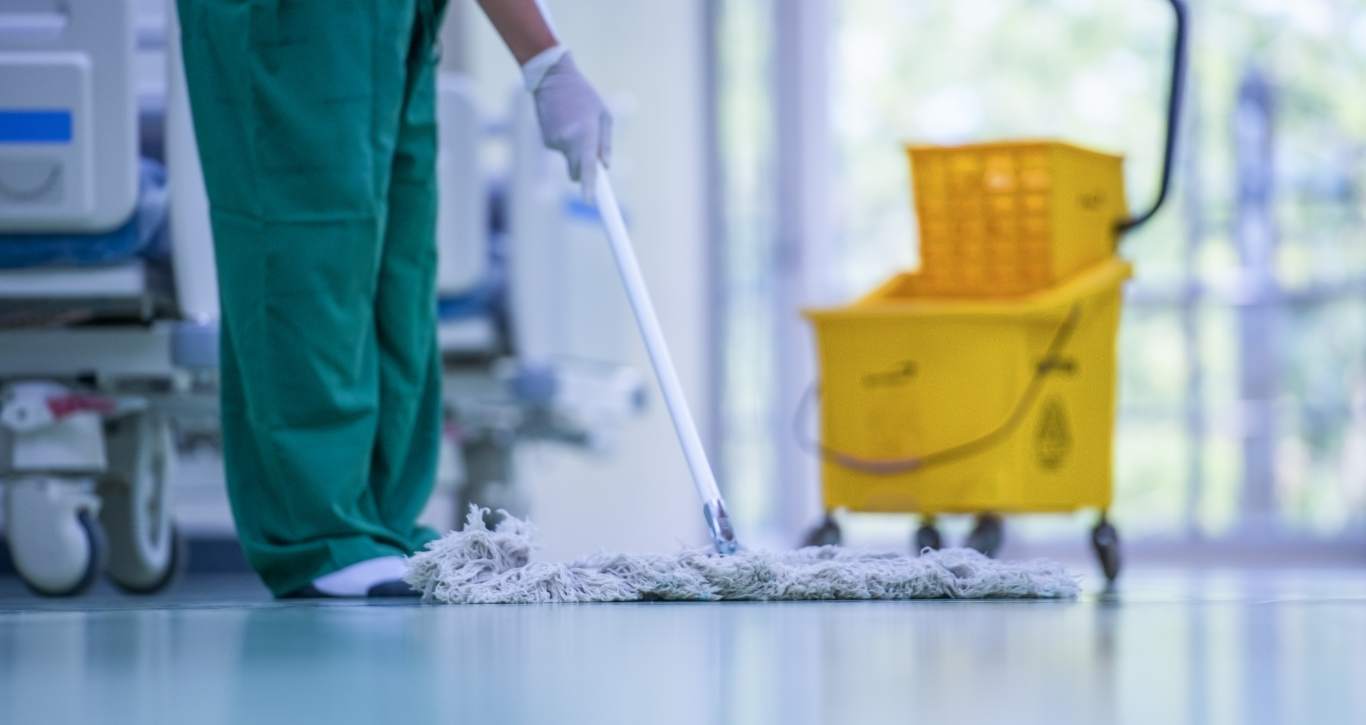
Dirty floors contribute to dust accumulation, which can circulate through the facility each time someone walks by. Regular cleaning helps reduce airborne particles and contributes to a cleaner indoor environment. This creates a more pleasant atmosphere for employees and visitors and supports a healthier workspace overall.
A Better Facility Begins With the Floors
Consistent floor care is one of the most practical ways to enhance safety, maintain a polished appearance, and extend the life of flooring materials. By committing to regular cleaning and restoration, facilities protect their investment and create an environment that supports productivity and professionalism. At ABS Facility Solutions, LLC, we help businesses build maintenance plans that keep their floors in excellent condition and their operations running smoothly.