Why HVAC Dust and Airflow Affect Building Cleanliness
When people think about commercial cleaning, they usually focus on visible surfaces such as floors, restrooms, windows, and common areas. However, one of the most overlooked contributors to building cleanliness is the HVAC system. Heating, ventilation, and air conditioning systems constantly move air throughout a facility, and with that airflow comes dust, debris, and airborne particles that affect overall cleanliness every day.
At ABS Facility Solutions, we understand that maintaining a clean commercial environment involves more than surface-level appearance alone. Air circulation patterns and HVAC-related dust accumulation play a major role in how buildings look, feel, and function over time.
Airflow Moves Dust Continuously
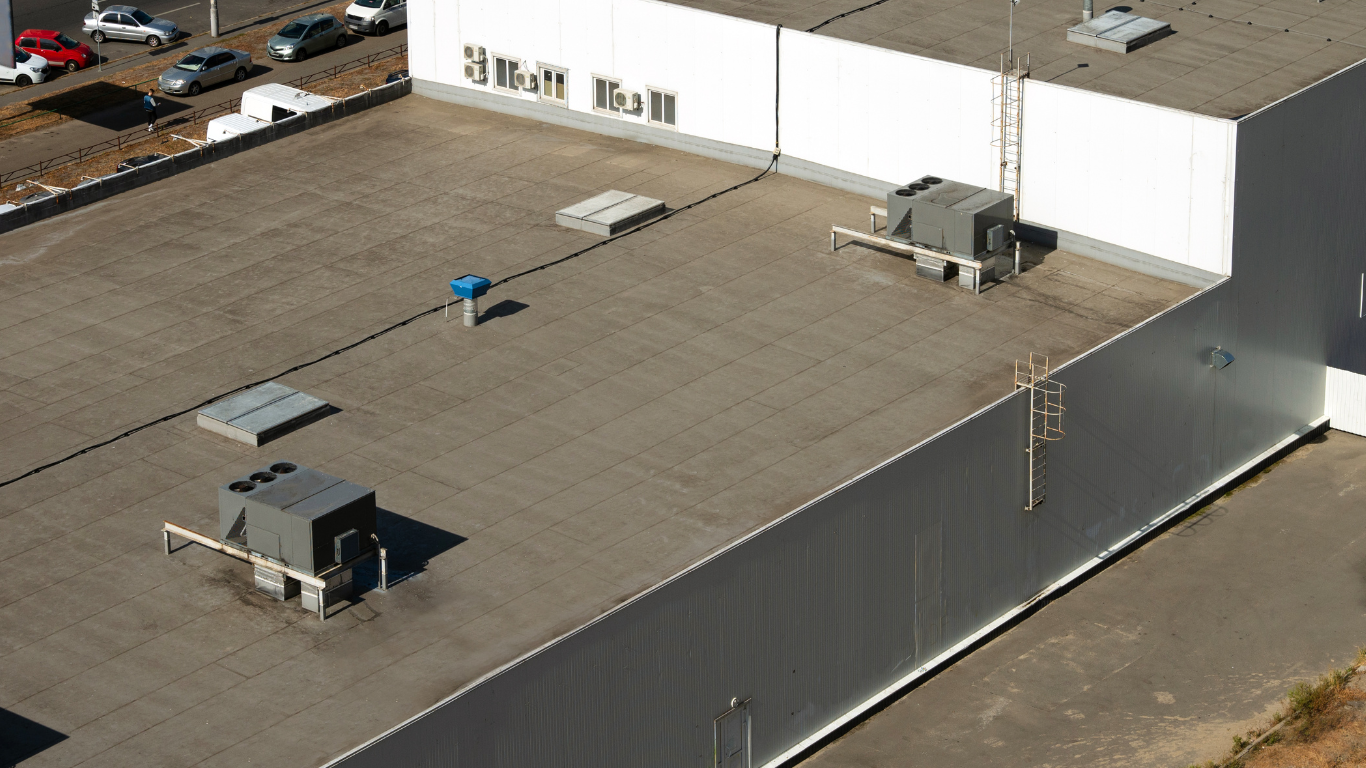
Commercial HVAC systems operate throughout most of the day, circulating air across offices, hallways, breakrooms, lobbies, and shared workspaces. As air moves through the building, microscopic dust particles travel with it.
These particles gradually settle onto:
- Floors
- Desks and workstations
- Shelving
- Window ledges
- Vents and ceiling areas
- Electronics and equipment
Even buildings that appear relatively clean can
accumulate dust continuously because airflow constantly redistributes airborne particles throughout the facility.
Dust Builds Up Faster in Commercial Environments
Commercial buildings typically experience higher levels of airborne contamination than residential spaces because of increased foot traffic, larger ventilation systems, and constant daily activity.
Employees, visitors, deliveries, paper materials, outdoor debris, and equipment operation all contribute to indoor dust accumulation. HVAC systems then circulate many of these particles repeatedly throughout the building.
Facilities with high occupancy or large shared spaces often experience especially rapid dust buildup because more movement naturally introduces more airborne particles into circulation.
HVAC Systems Influence Where Dust Collects
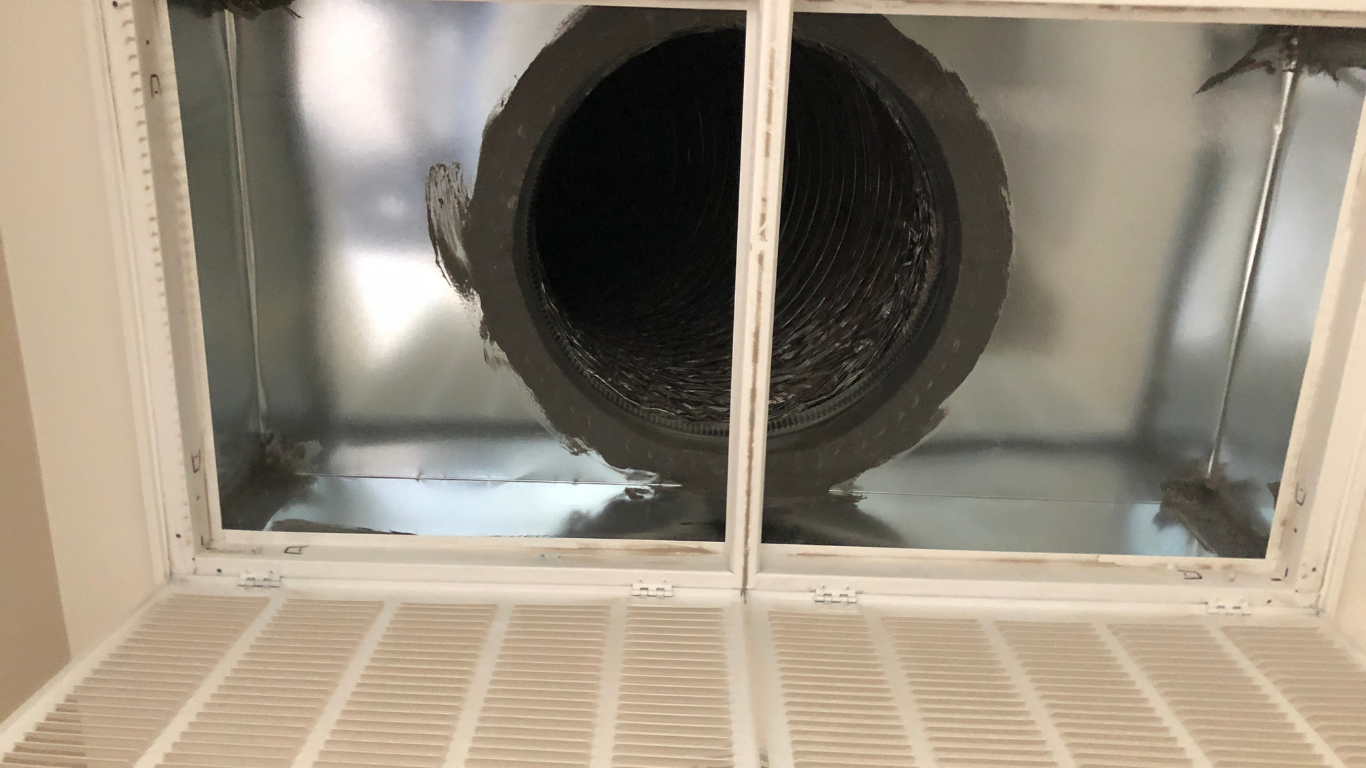
Airflow patterns strongly affect where dust accumulates inside a facility. Certain areas may collect noticeably more dust because of ventilation placement, return air systems, or high-traffic airflow movement.
For example:
- Air vents may accumulate residue around airflow edges
- Corners and low-circulation areas may trap settled dust
- Ceiling surfaces near vents often gather buildup gradually
- Workstations near airflow pathways may require more frequent cleaning
Understanding these patterns helps commercial cleaning teams focus attention on areas where buildup develops most aggressively.
Dust Affects More Than Appearance
While visible dust impacts appearance, it may also affect indoor comfort and overall facility experience. Excess dust accumulation can contribute to:
- Poor first impressions
- Increased surface wear
- Reduced workplace comfort
- More frequent cleaning demands
- Greater strain on facility maintenance routines
In some environments, excessive dust buildup may also affect sensitive electronics or specialized equipment.
Clean facilities generally feel more organized, professional, and comfortable to both employees and visitors.
Seasonal Conditions Increase Airborne Debris
Outdoor environmental conditions also affect indoor dust levels significantly. Seasonal weather changes often increase the amount of debris entering the building.
Examples include:
- Pollen during spring months
- Dry dust during summer conditions
- Leaves and organic debris during fall
- Salt and particulate residue during winter
HVAC systems then continue circulating many of these particles throughout interior spaces once they enter the facility.
This is one reason commercial cleaning needs often fluctuate seasonally.
Regular Cleaning Helps Manage Airborne Buildup
Routine janitorial services play an important role in controlling HVAC-related dust accumulation. Consistent cleaning helps remove settled particles before buildup becomes excessive throughout the facility.
Professional cleaning programs often focus on:
- High-dust accumulation zones
- Vent and airflow areas
- Shared surfaces
- Flooring and carpeting
- Hard-to-reach ledges and corners
By addressing buildup proactively, facilities remain cleaner and easier to maintain over time.
HVAC Maintenance and Cleaning Work Together
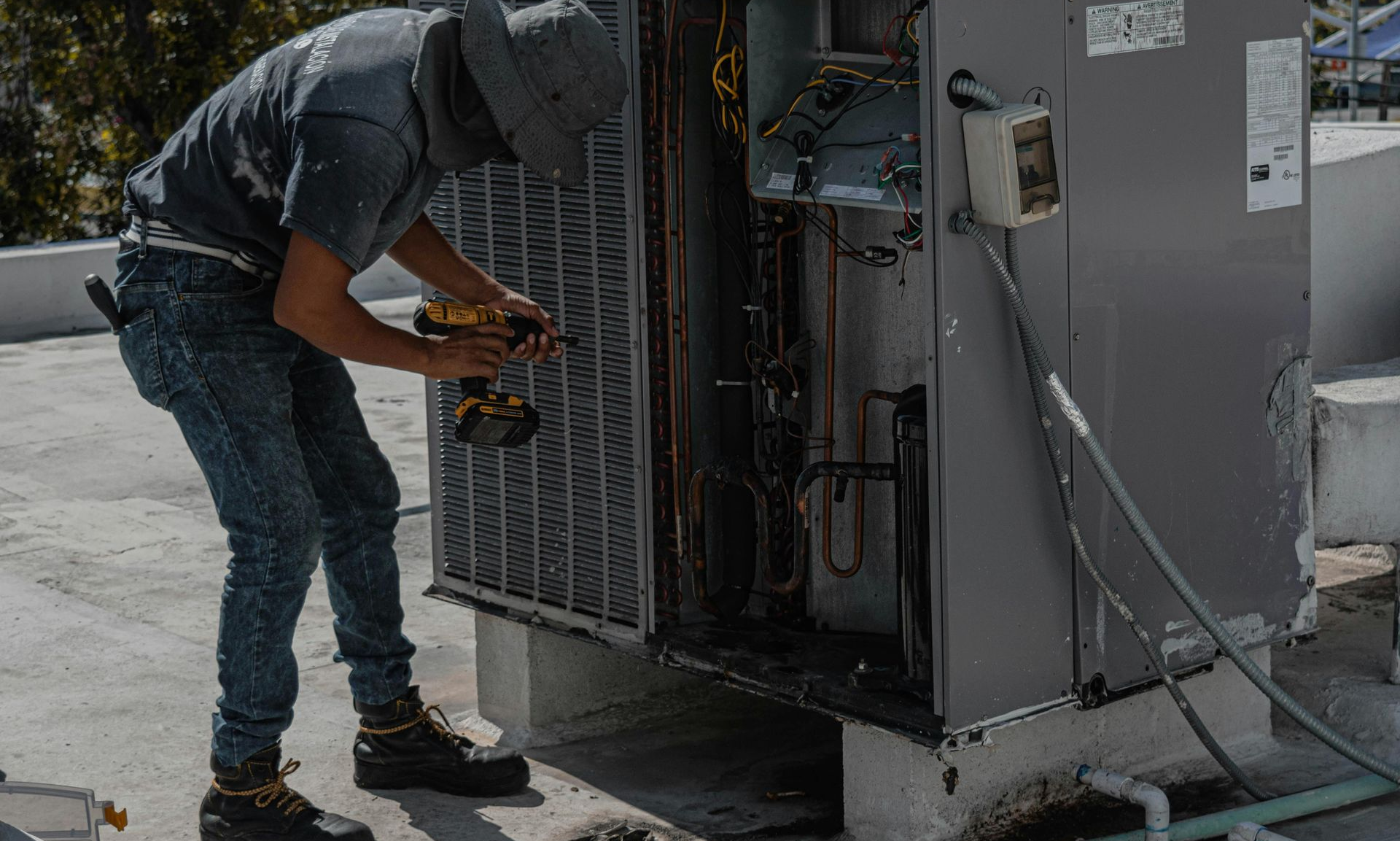
Building cleanliness and HVAC performance are closely connected. Even well-maintained HVAC systems still circulate airborne particles continuously, which means regular cleaning remains essential.
At ABS Facility Solutions, we help commercial properties maintain cleaner environments through structured janitorial programs designed to address both visible contamination and the gradual buildup caused by everyday airflow patterns.
Consistent cleaning helps support cleaner surfaces, more professional spaces, and more manageable long-term facility maintenance.
Supporting Cleaner Commercial Environments
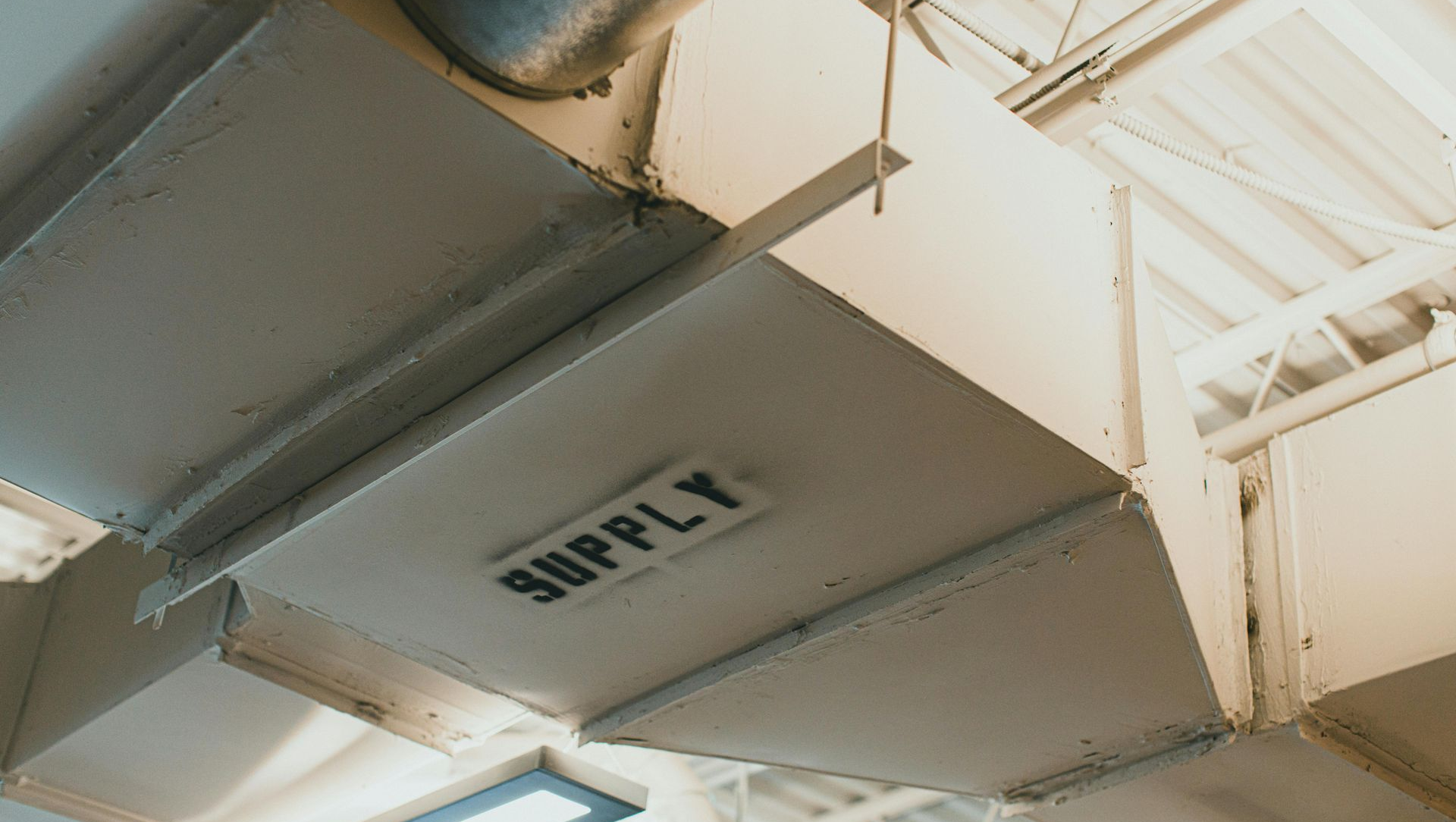
HVAC systems quietly influence commercial cleanliness every day by circulating dust and airborne particles throughout the building. Because airflow continuously redistributes contaminants, dust accumulation is an ongoing challenge in nearly every commercial facility.
ABS Facility Solutions provides professional janitorial and facility maintenance services designed to help businesses manage dust buildup, maintain cleaner environments, and support more comfortable commercial spaces year-round.
If your facility is experiencing ongoing dust accumulation or high-maintenance cleaning demands, contact ABS Facility Solutions to learn more about our commercial cleaning and janitorial services.