How Weather Conditions Affect Interior Facility Maintenance
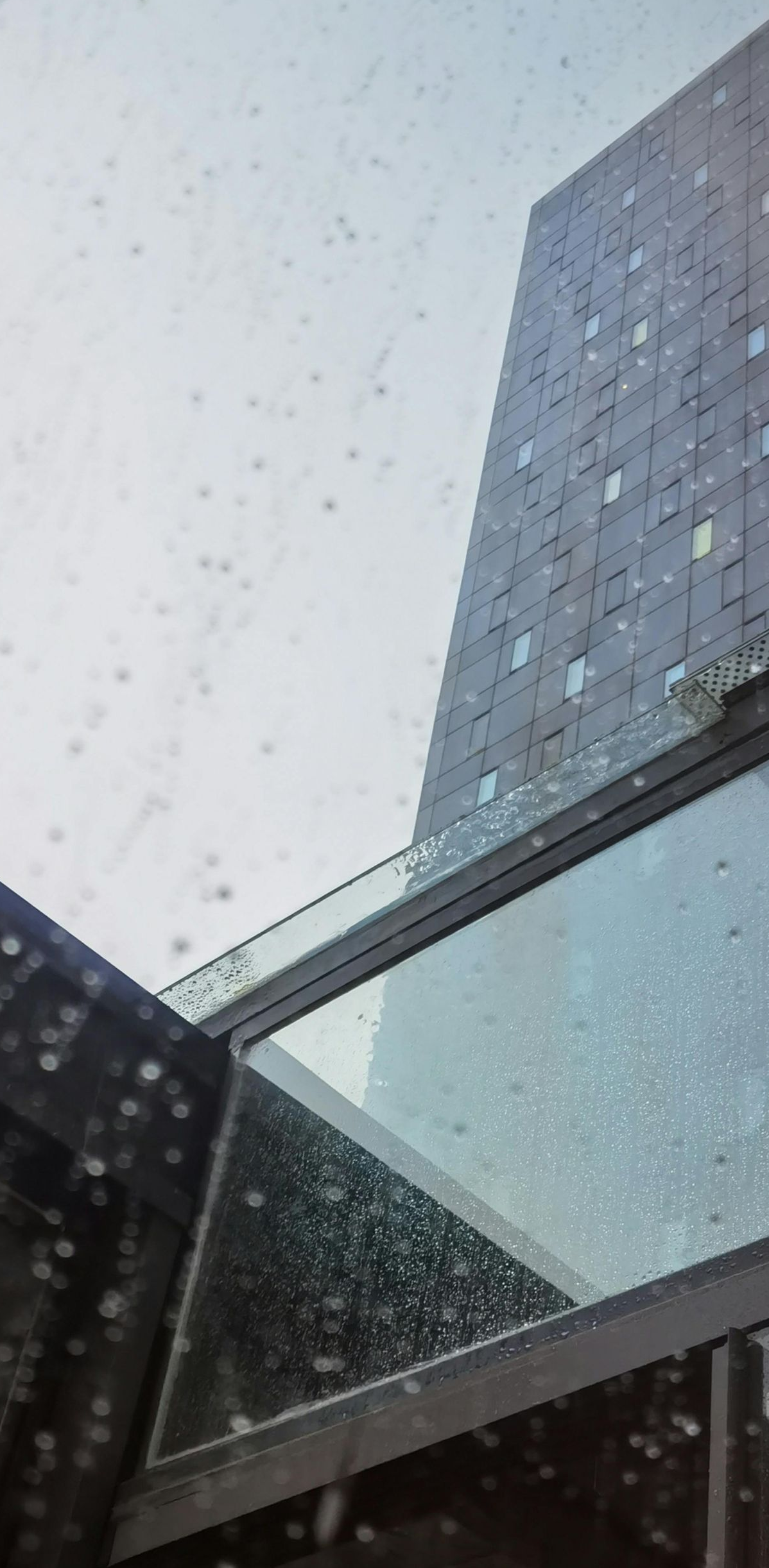
When people think about weather-related property maintenance, they usually focus on exterior surfaces such as roofs, parking lots, or landscaping. However, weather conditions also have a major impact on the interior condition of commercial buildings. Rain, snow, humidity, heat, and seasonal debris all influence how quickly indoor spaces accumulate dirt, moisture, and wear.
At ABS Facility Solutions, we understand that effective facility maintenance requires adapting cleaning strategies to changing environmental conditions throughout the year. Weather does not stay outside the building. It constantly affects interior cleanliness, flooring condition, air quality, and overall facility appearance.
Moisture Enters Buildings Daily
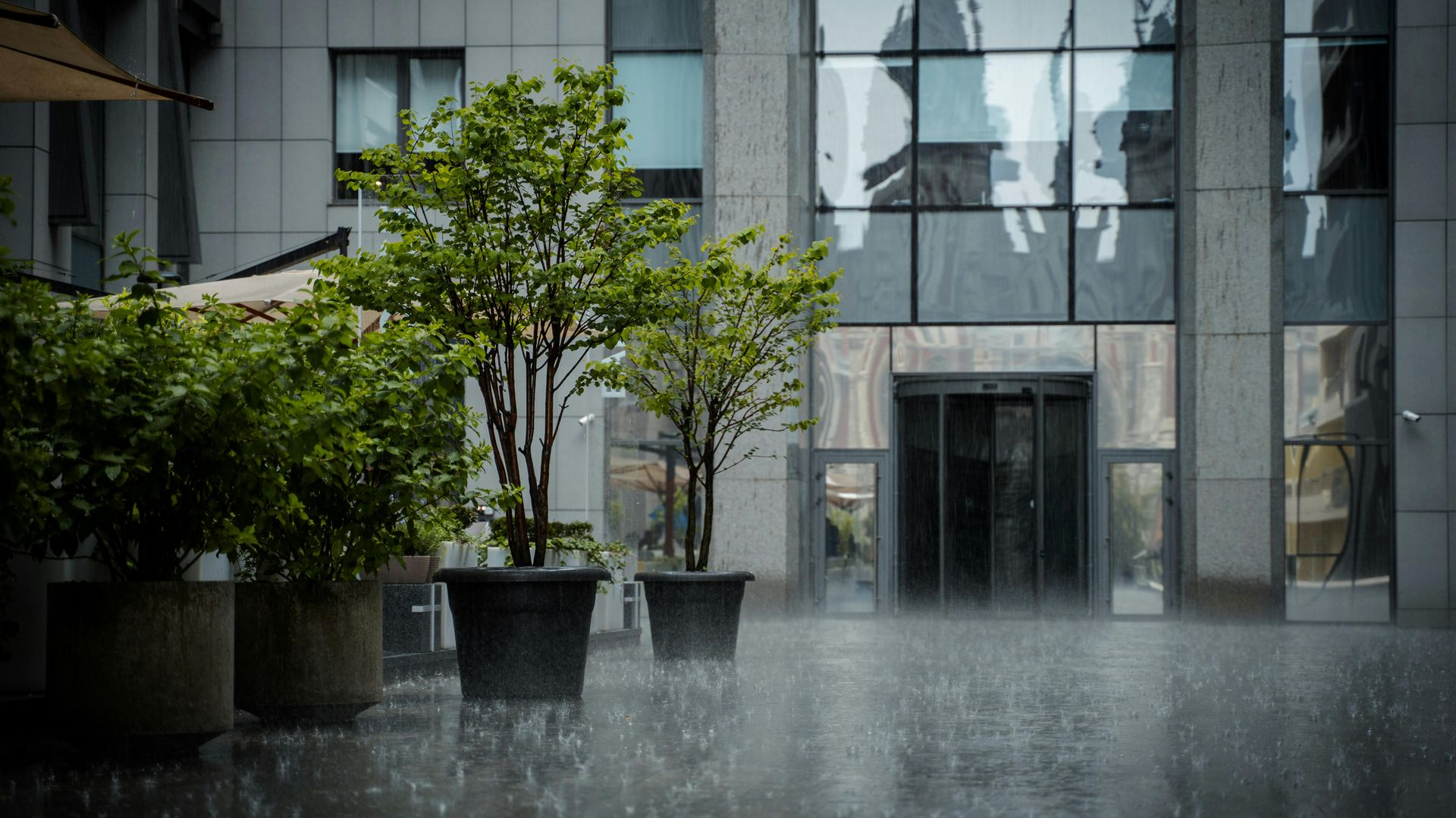
One of the biggest weather-related maintenance challenges is moisture tracking. During rainy weather, snow events, or periods of heavy humidity, water is repeatedly carried indoors through entrances, hallways, and common areas.
Even small amounts of moisture create several problems over time, including:
- Slippery flooring surfaces
- Increased dirt accumulation
- Damage to flooring materials
- Odor development
- Faster surface deterioration
Commercial buildings with high foot traffic experience these issues especially quickly because moisture spreads throughout the facility continuously during the workday.
Seasonal Debris Increases Cleaning Demands
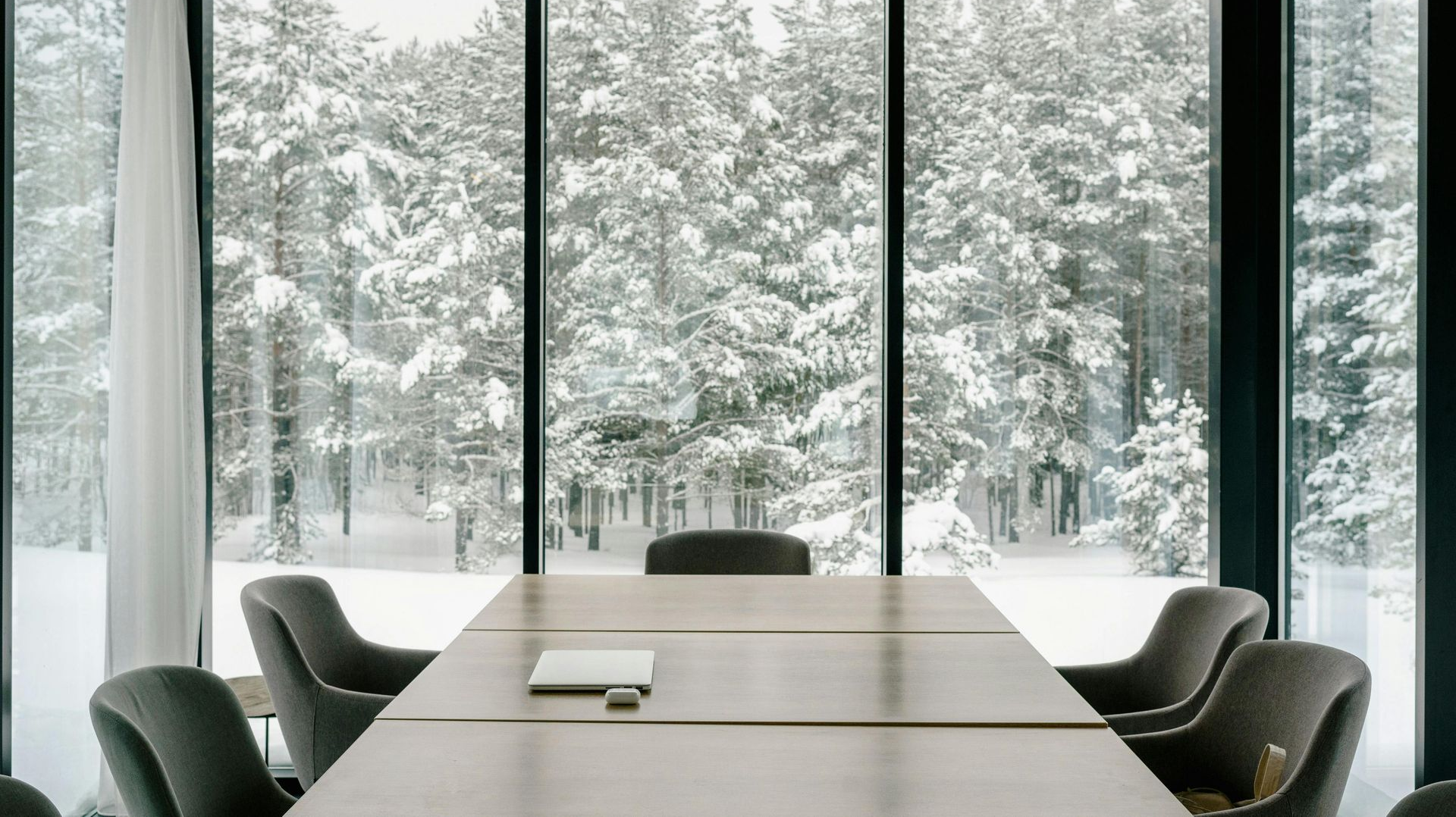
Different seasons introduce different types of debris into commercial facilities.
For example:
- Spring often brings mud, pollen, and moisture
- Summer introduces dust and outdoor foot traffic debris
- Fall increases leaf debris and organic material
- Winter creates salt, slush, and snow-related residue
These materials accumulate rapidly in lobbies, entryways, elevators, hallways, and shared common spaces. Without consistent cleaning, debris spreads deeper into the building and becomes more difficult to manage. This is one reason seasonal cleaning adjustments are so important in facility maintenance programs.
Flooring Experiences Constant Environmental Stress
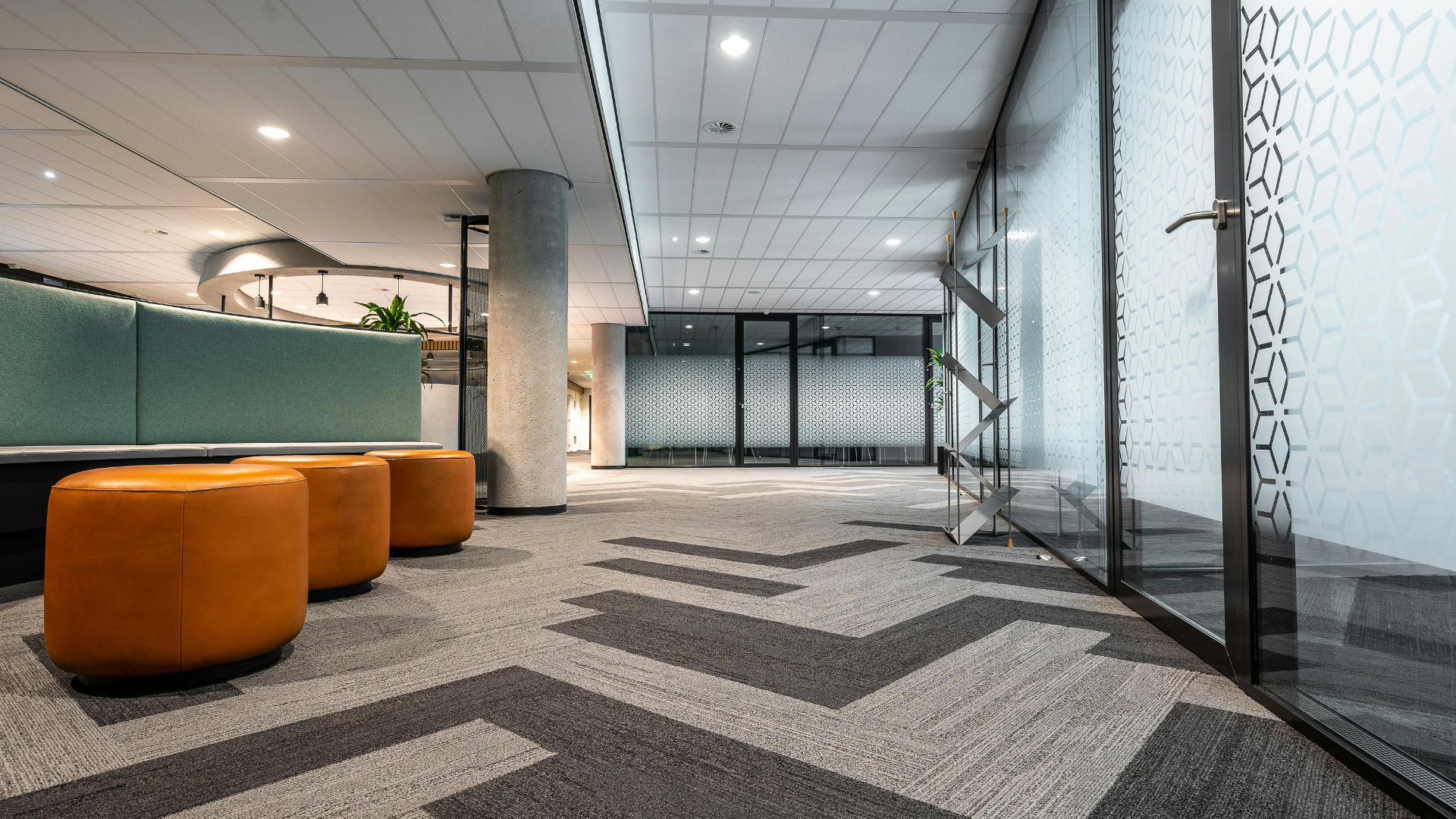
Commercial flooring absorbs much of the environmental impact caused by changing weather conditions. Dirt particles, moisture, and salt residue gradually wear down flooring surfaces through repeated foot traffic.
Salt and winter residue are particularly damaging because abrasive particles continue grinding into flooring materials throughout the day. Over time, this can affect both appearance and long-term durability.
Routine cleaning and floor maintenance help reduce this gradual wear while preserving the condition of carpets, tile, vinyl, and other commercial flooring systems.
Humidity Affects Indoor Conditions
Humidity also influences interior facility maintenance in ways that are sometimes overlooked. Excess moisture in the air can contribute to odors, surface residue, and indoor air quality concerns.
In some environments, elevated humidity may also increase the likelihood of mold or mildew development, particularly in restrooms, breakrooms, locker areas, and poorly ventilated spaces.
Professional cleaning programs help control moisture-related buildup and support healthier indoor conditions throughout the year.
Entryways Require Special Attention
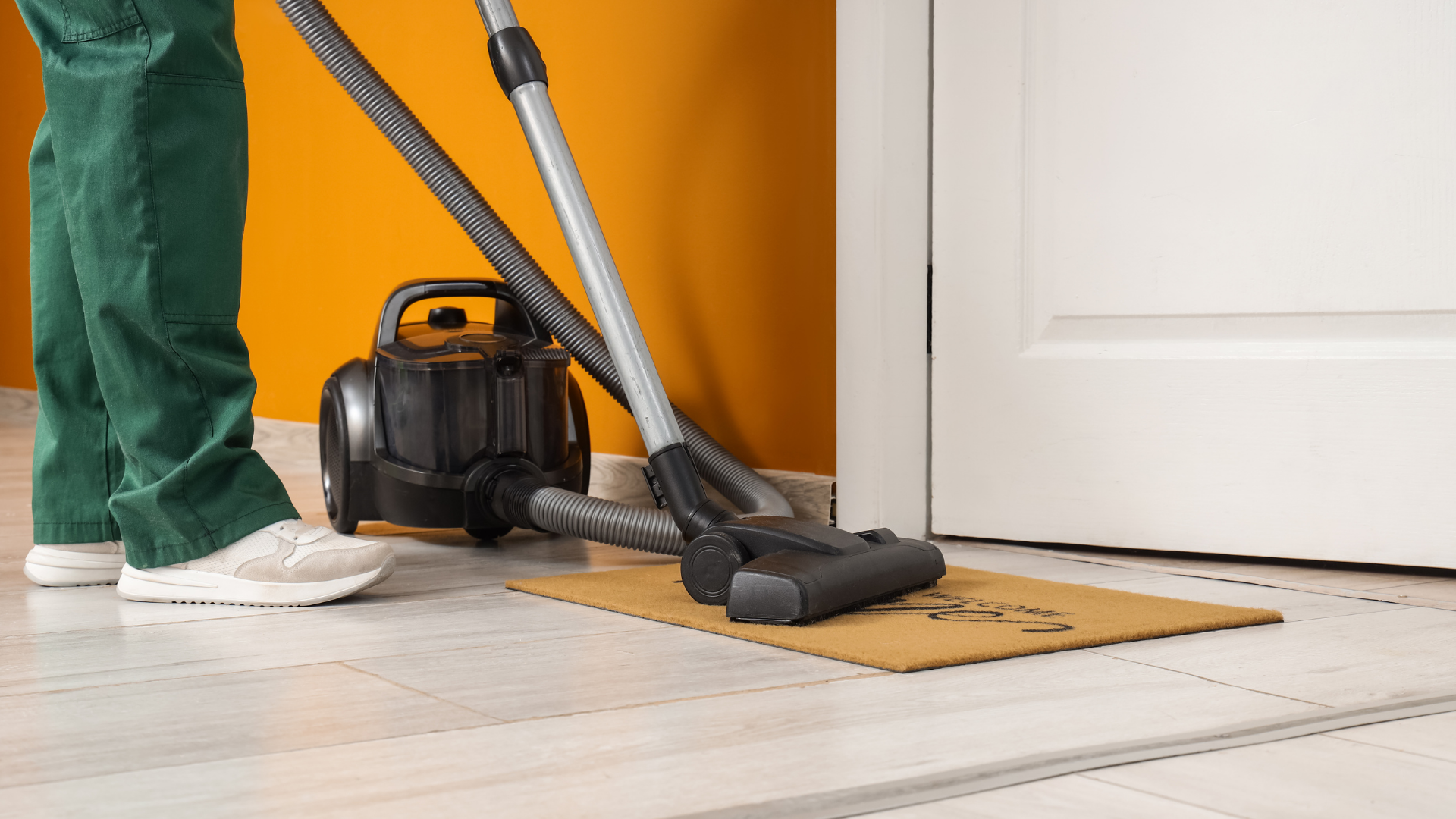
Entry points experience some of the highest cleaning demands in any commercial building. During poor weather conditions, dirt and moisture concentrate heavily around entrances before spreading throughout the facility.
Proper mat placement, frequent cleaning, and routine floor care all play important roles in reducing the spread of contaminants indoors.
Maintaining clean entryways also influences how visitors, tenants, and employees perceive the overall condition of the property. First impressions are often formed immediately upon entering the building.

Weather Impacts More Than Appearance
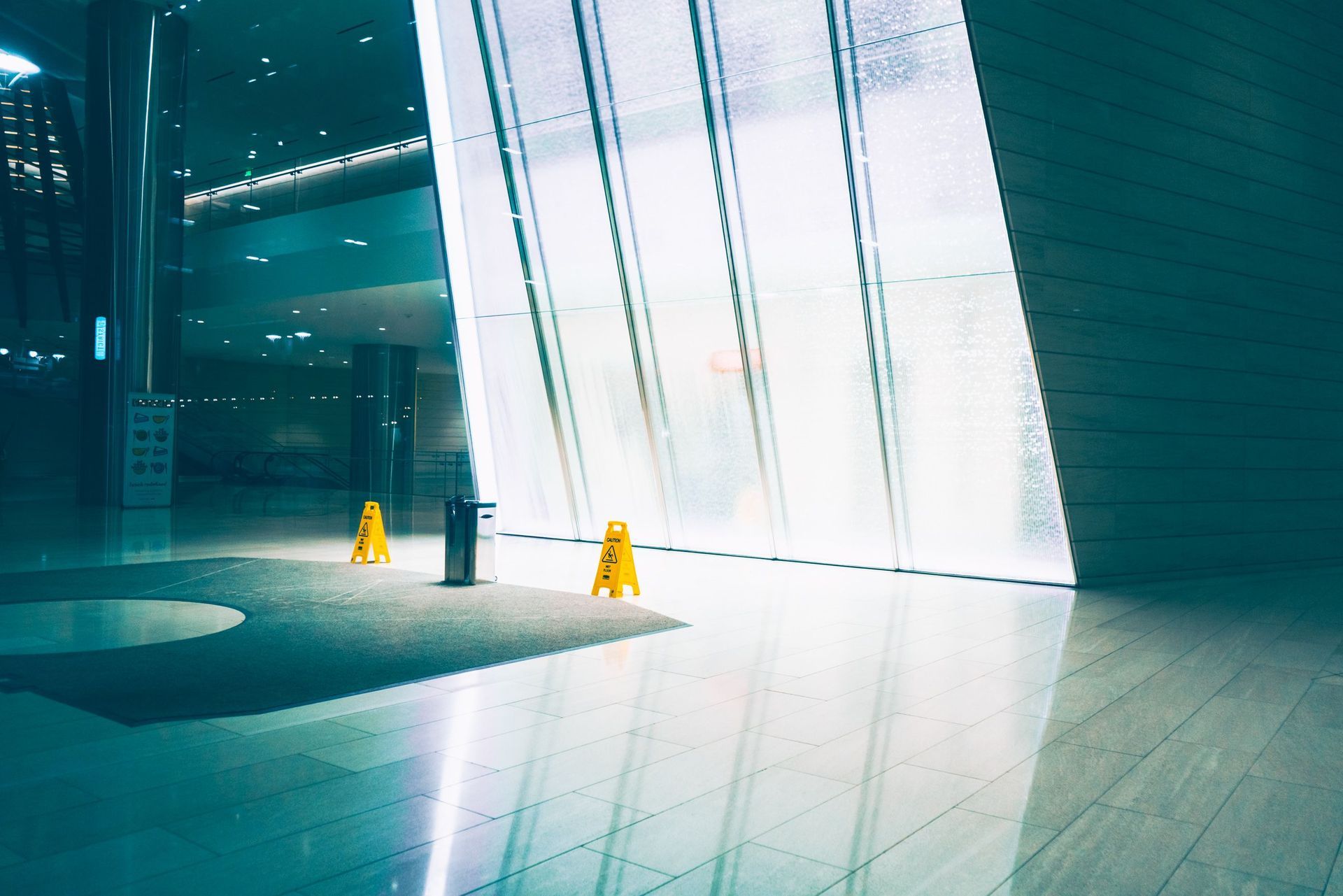
Weather-related cleaning challenges are not only cosmetic. Moisture and debris can also create safety concerns if not managed properly.
Wet floors increase slip risks, while excessive dirt buildup may affect indoor air quality and surface longevity. Over time, neglected environmental buildup contributes to higher maintenance costs and faster material deterioration.
Preventative cleaning helps facilities manage these risks before they develop into larger operational problems.
Adapting Cleaning Programs Throughout the Year
Effective commercial cleaning requires flexibility because facility conditions change constantly with the seasons. A cleaning schedule that works during dry weather may not be sufficient during winter storms or heavy rainfall periods.
At ABS Facility Solutions, we tailor janitorial and facility maintenance services to the changing needs of commercial properties throughout the year. By adjusting cleaning frequency, floor care, and high-traffic area maintenance based on environmental conditions, we help facilities remain cleaner, safer, and more presentable year-round.

Supporting Cleaner Facilities in Every Season
Weather conditions affect commercial buildings every day, even inside the facility itself. Moisture, debris, humidity, and seasonal contaminants all contribute to interior wear and maintenance demands over time.
ABS Facility Solutions provides professional janitorial and facility maintenance services designed to help commercial properties adapt to changing environmental conditions while maintaining cleaner, safer, and more professional spaces throughout the year.
If your facility needs reliable cleaning support that adjusts with the seasons, contact ABS Facility Solutions to learn more about our commercial janitorial services.