How Environmental Hygiene Supports Patient Confidence
For healthcare facilities, cleanliness is about more than appearance. Every surface, hallway, waiting room, and treatment area contributes to the overall experience of patients, visitors, and staff. While patients naturally expect medical providers to deliver quality care, they also expect the environment to reflect the same level of professionalism and attention to detail.
One important aspect of that environment is
environmental hygiene—the ongoing process of maintaining healthcare spaces through consistent cleaning and disinfection protocols. A well-maintained facility not only supports day-to-day operations but can also influence how patients perceive the quality and professionalism of the organization.
First Impressions Begin Immediately
Patients begin forming opinions about a healthcare facility long before they meet a physician or healthcare provider.
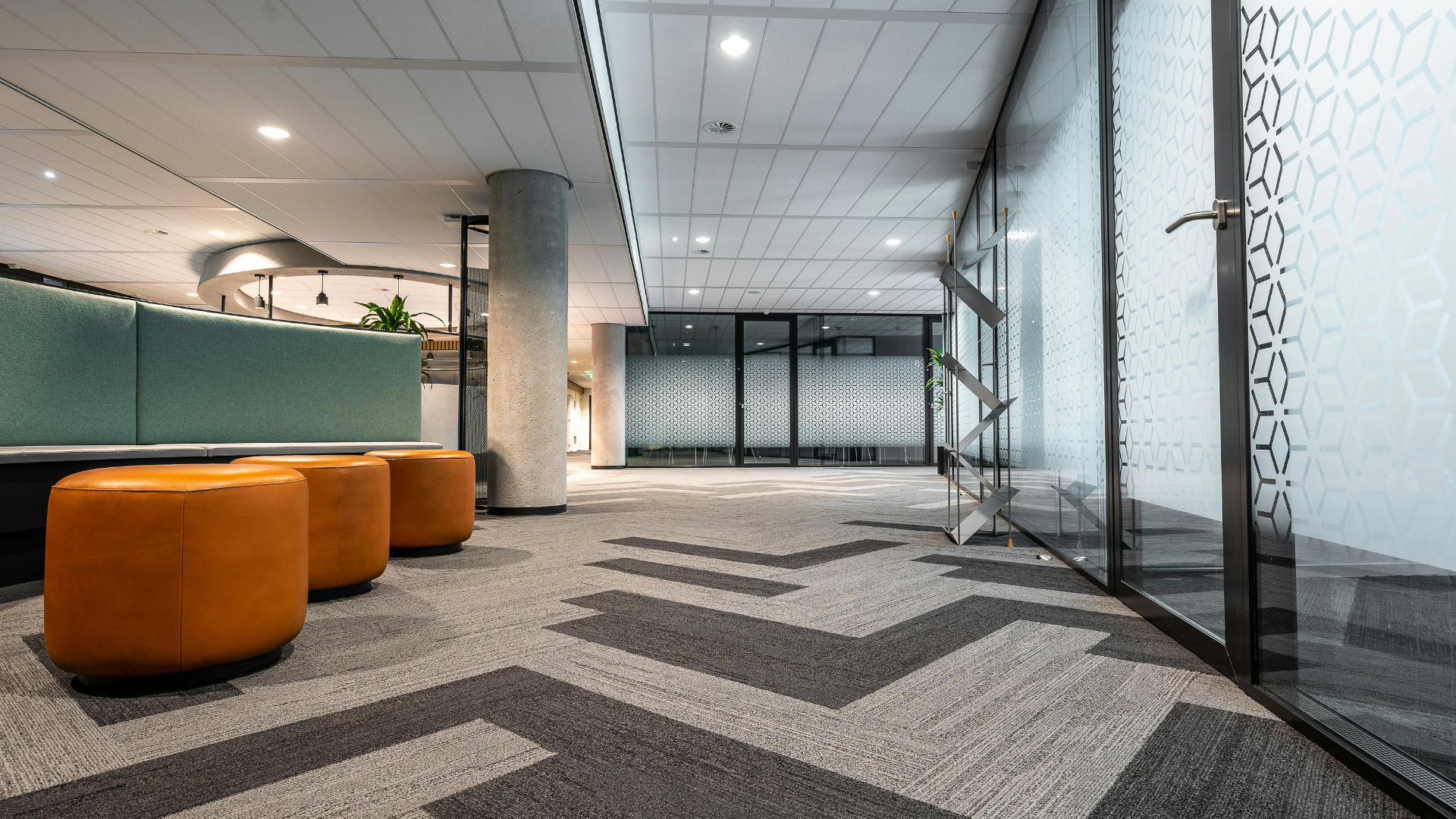
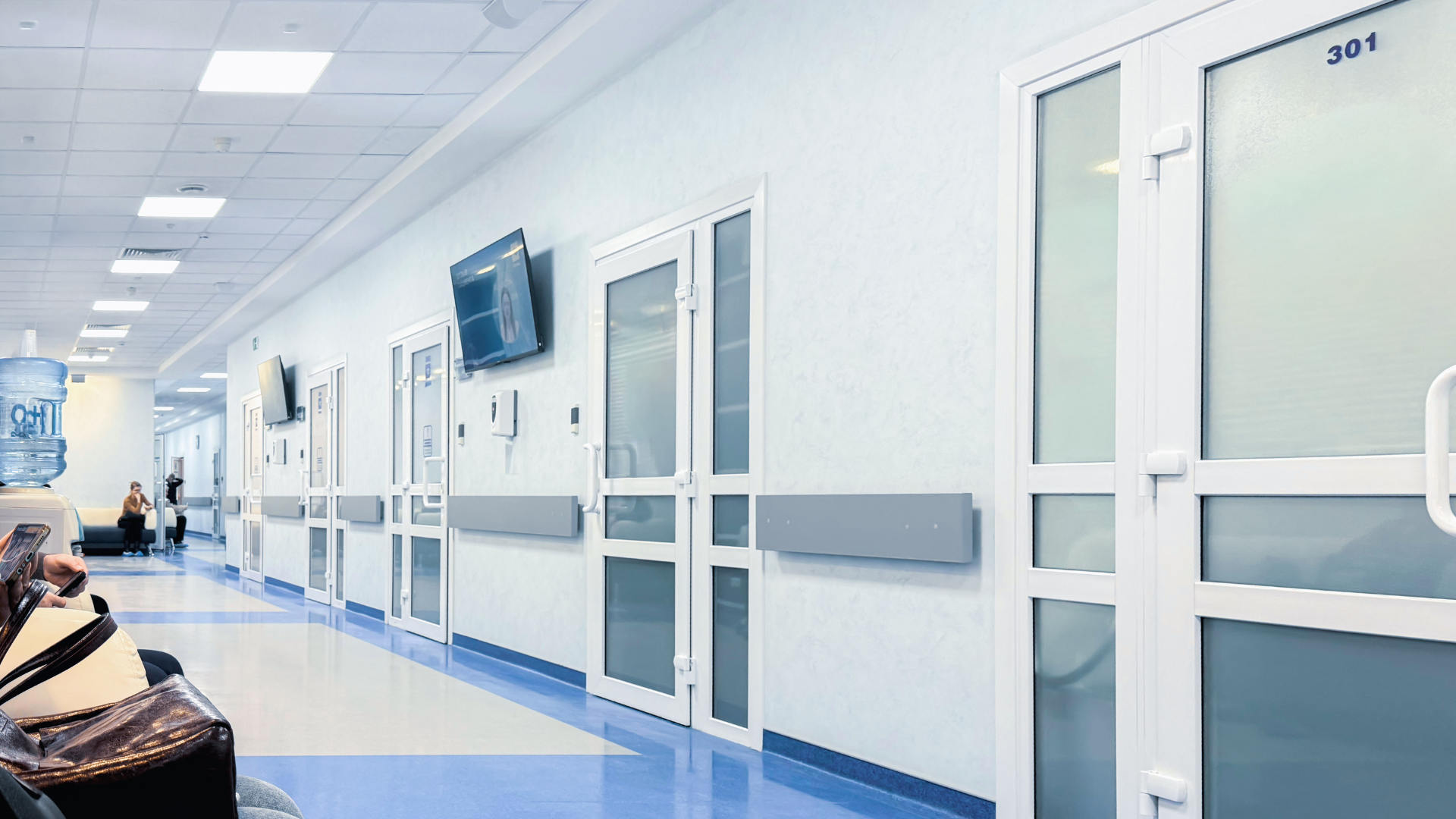
The parking lot, building entrance, reception area, waiting room, and restrooms all contribute to those first impressions. Floors, windows, furniture, and common areas that appear clean and well cared for communicate that the facility values organization and attention to detail.
Conversely, visible dust, overflowing trash receptacles, clutter, or poorly maintained spaces may create uncertainty, even if excellent medical care is ultimately provided.
A clean environment helps establish confidence from the moment patients arrive.
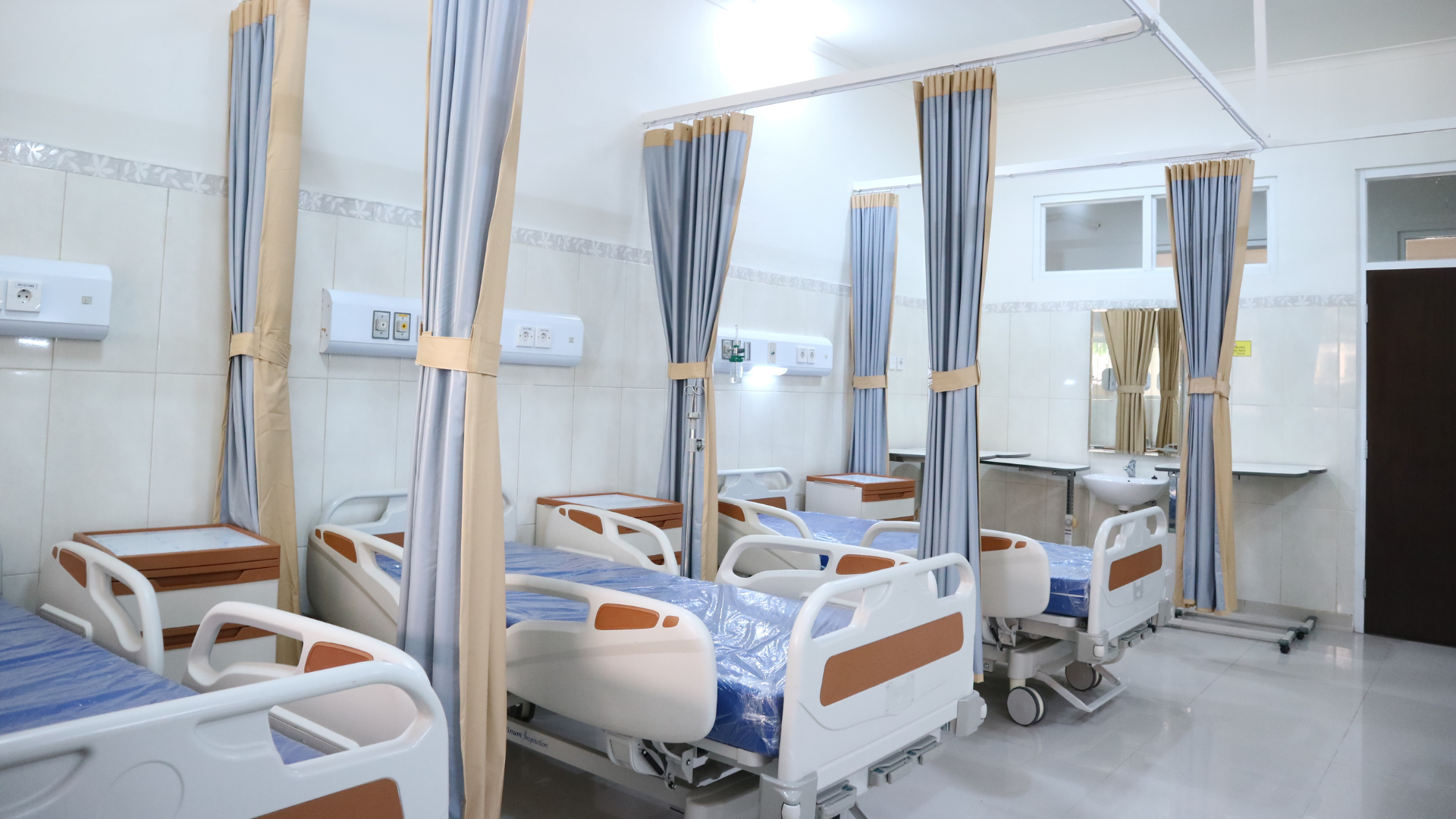
Cleanliness Demonstrates Professionalism
Healthcare organizations manage complex responsibilities every day.
Patients often recognize that these facilities operate under demanding schedules while caring for many individuals. Consistently clean environments demonstrate that maintaining the facility remains an organizational priority despite those daily demands.
Attention to environmental hygiene reflects a commitment to professionalism throughout the entire patient experience.
Although patients may never meet the environmental services team, they regularly benefit from their work.
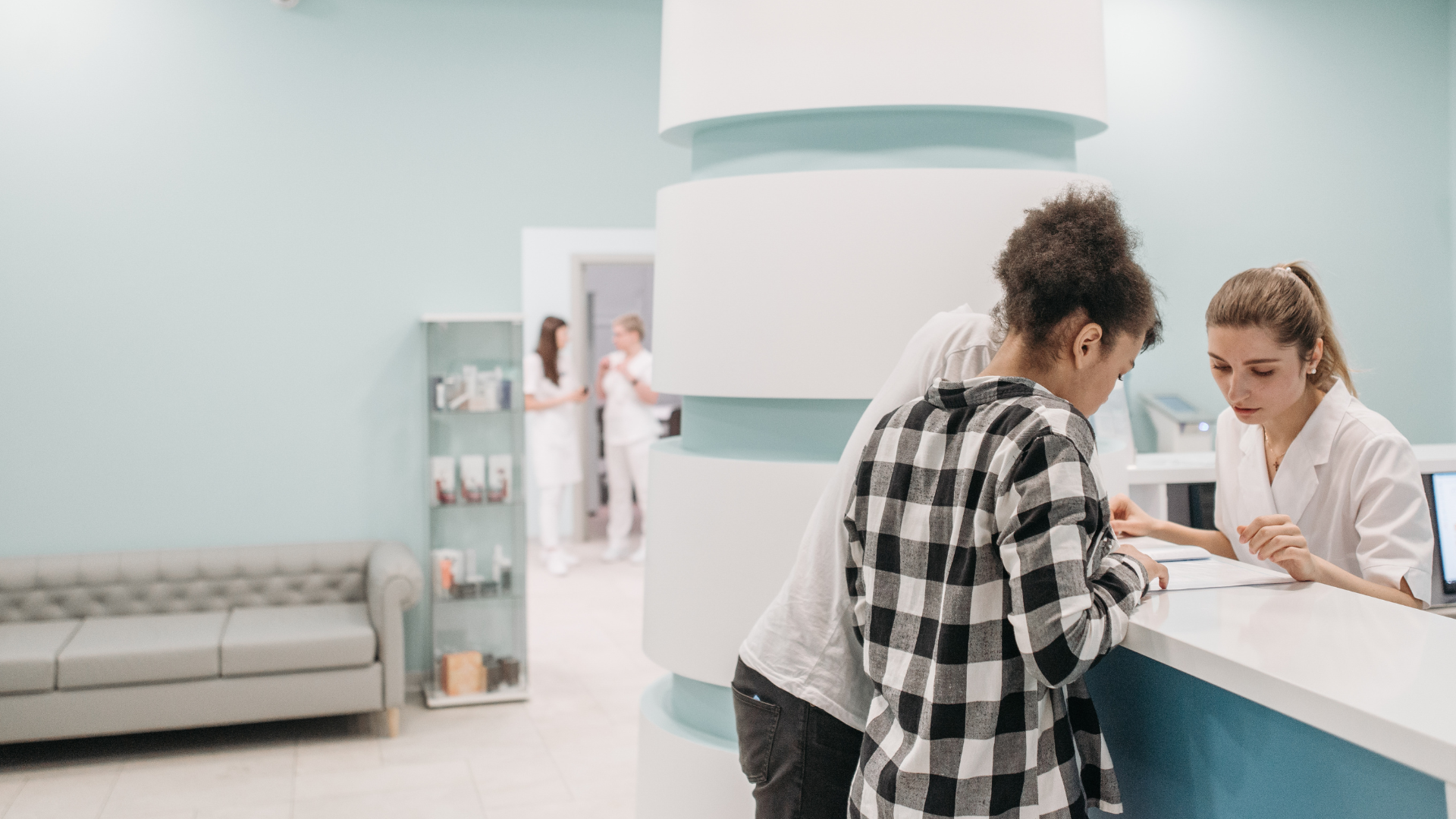
High-Touch Areas Require Ongoing Attention
Healthcare facilities contain numerous surfaces that experience frequent contact throughout the day.
Reception counters, waiting room chairs, door handles, elevator buttons, light switches, handrails, restrooms, and shared equipment all require regular attention as part of a comprehensive cleaning program.
Because these areas are used continuously by patients, visitors, and staff, maintaining consistent cleaning schedules helps keep facilities looking their best throughout the day.
Regular attention to high-touch surfaces also demonstrates that the organization values maintaining a clean and orderly environment.

Supporting Staff and Daily Operations
Environmental hygiene benefits more than patients alone.
Healthcare professionals rely on clean, organized workspaces to support their daily responsibilities. Exam rooms, treatment areas, administrative offices, and common spaces all function more efficiently when routine cleaning is consistently performed.
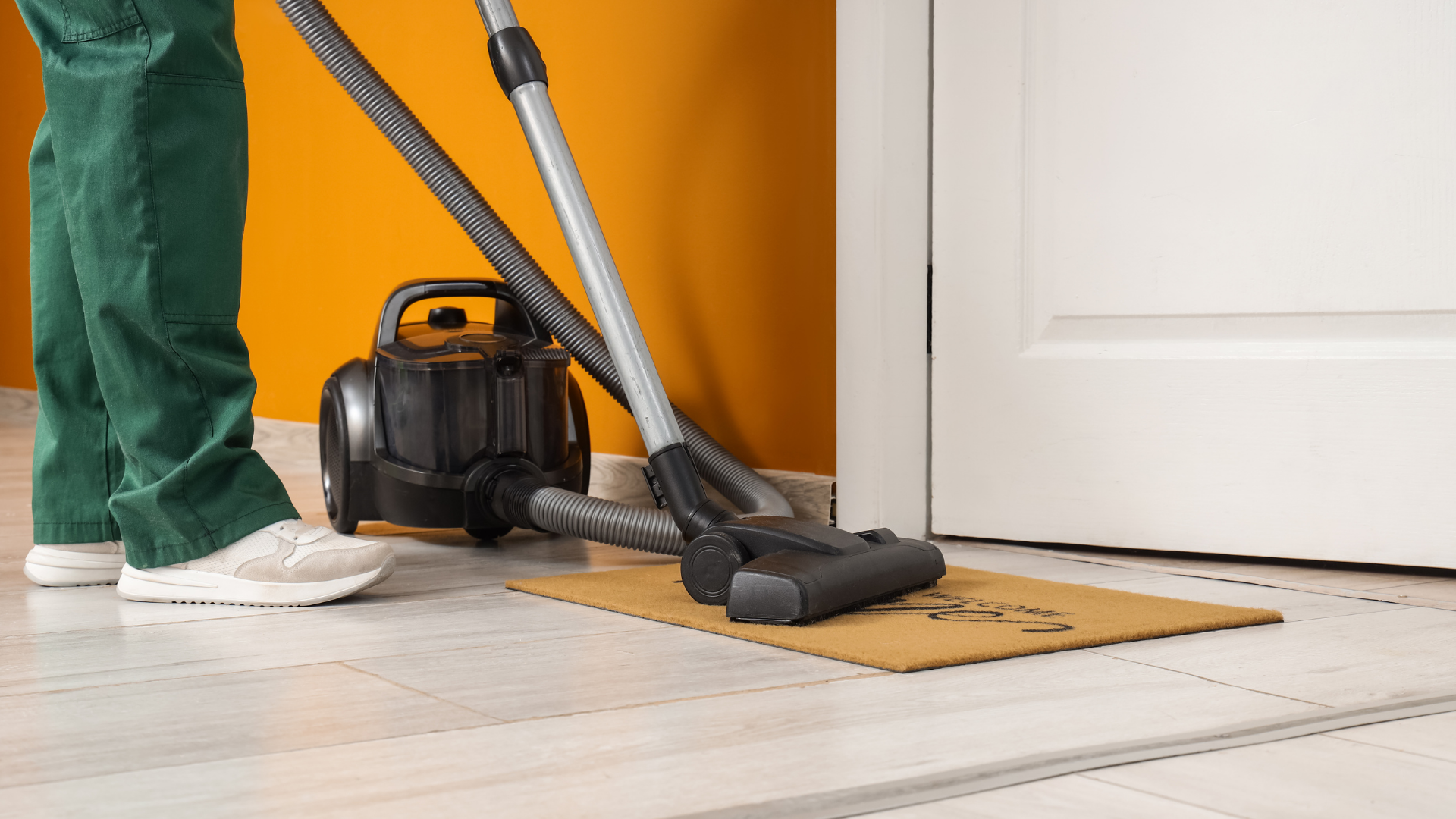
Professional janitorial teams help maintain these environments so healthcare staff can remain focused on delivering patient care.
Reliable cleaning programs become an important part of the facility’s overall operations.
Consistency Builds Trust
Patients may visit a medical office several times each year.
When they consistently encounter clean waiting areas, well-maintained restrooms, organized treatment rooms, and orderly common spaces, they develop confidence that the facility maintains high operational standards.
Consistency often has a greater impact than occasional deep cleaning.
Maintaining a professional appearance every day helps reinforce positive patient experiences throughout the year.
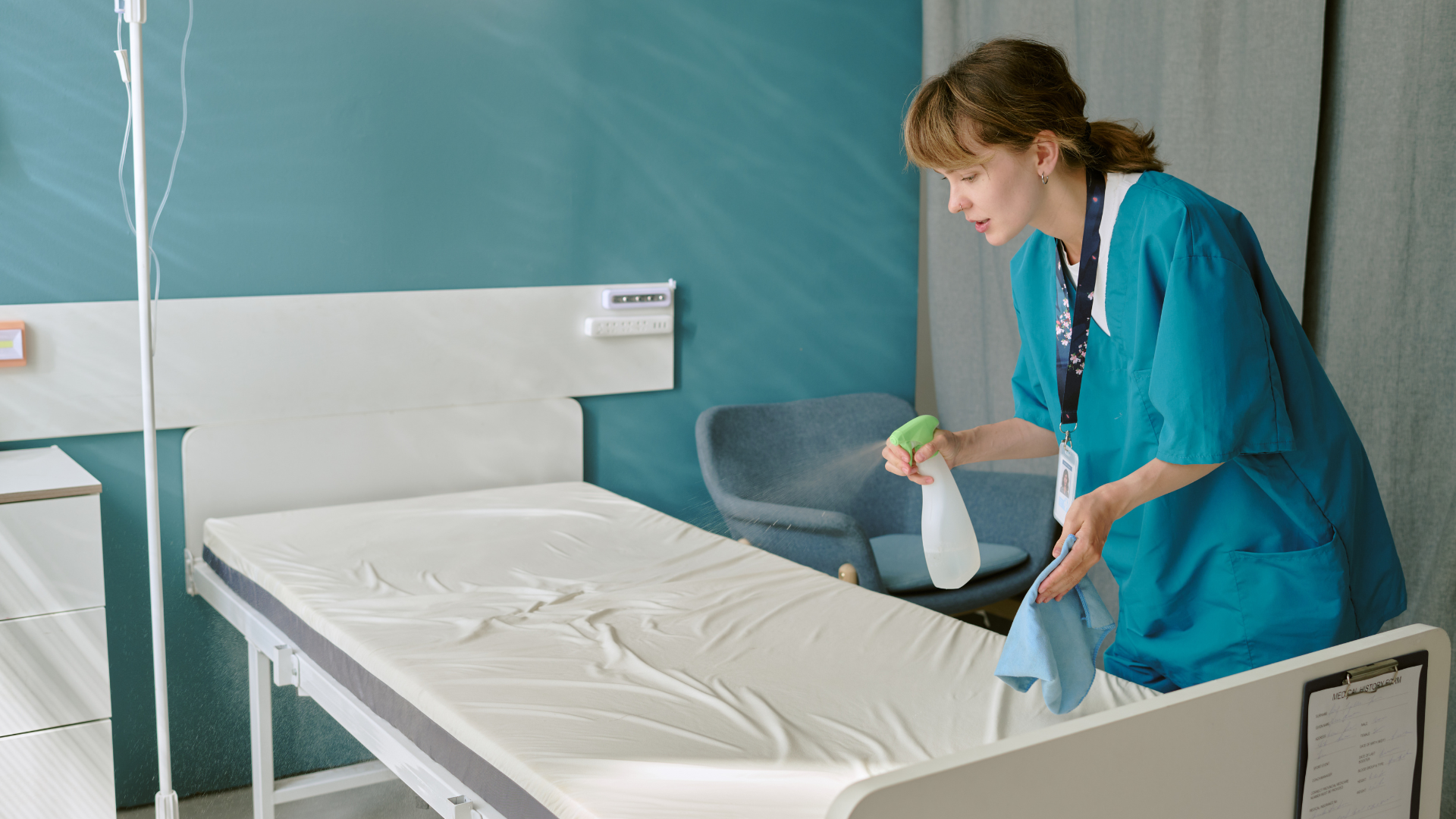
Environmental Hygiene Is a Team Effort
Creating a clean healthcare environment requires coordination across many departments.
Healthcare providers, administrative personnel, maintenance staff, and professional janitorial teams all contribute to maintaining a facility that supports patient care and daily operations.
Each group plays a different role, but together they help create an environment where patients feel welcomed, respected, and confident in the organization.
That collaborative effort extends well beyond routine housekeeping.
Supporting Healthcare Facilities Every Day
Healthcare cleaning requires specialized knowledge, consistent procedures, and close attention to detail. Every facility has unique needs, making customized cleaning programs an important part of maintaining professional healthcare environments.
ABS Facility Solutions provides specialized janitorial services for healthcare facilities, medical offices, clinics, and other professional environments. Our experienced team develops customized cleaning programs designed to help healthcare organizations maintain clean, organized, and welcoming spaces for patients, visitors, and staff.
Environmental hygiene is about more than maintaining appearances. It helps create an atmosphere of professionalism and confidence that supports the overall patient experience from the moment someone walks through the door until they leave the facility.