The Difference Between Cleaning and Disinfecting
The terms “cleaning” and “disinfecting” are often used interchangeably, but they are not the same thing. Both play important roles in maintaining healthy, professional environments, yet they serve different purposes and involve different processes.
Understanding the distinction can help facility managers, property owners, healthcare administrators, and business leaders make more informed decisions about their cleaning programs. Whether managing an office building, healthcare facility, educational institution, or commercial property, knowing when cleaning and disinfecting are appropriate is an important part of maintaining a well-cared-for environment.
What Is Cleaning?
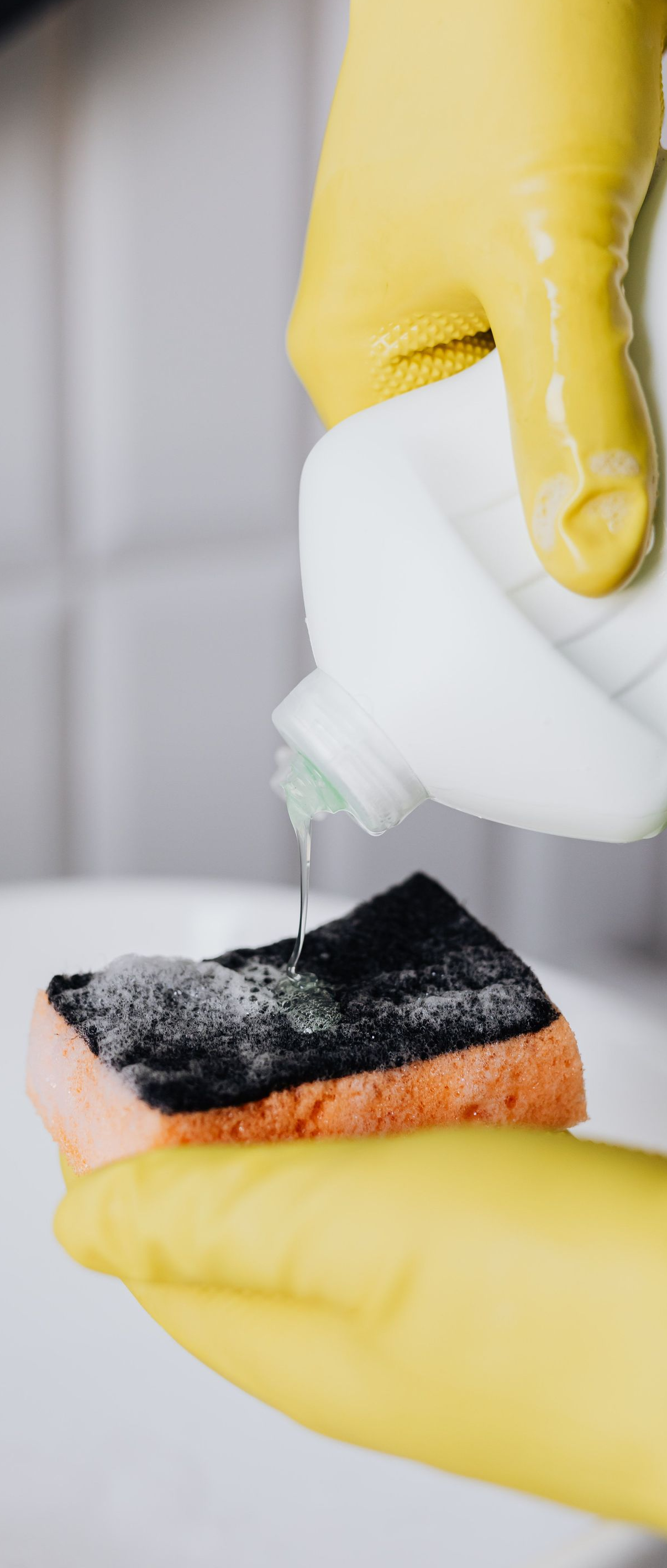
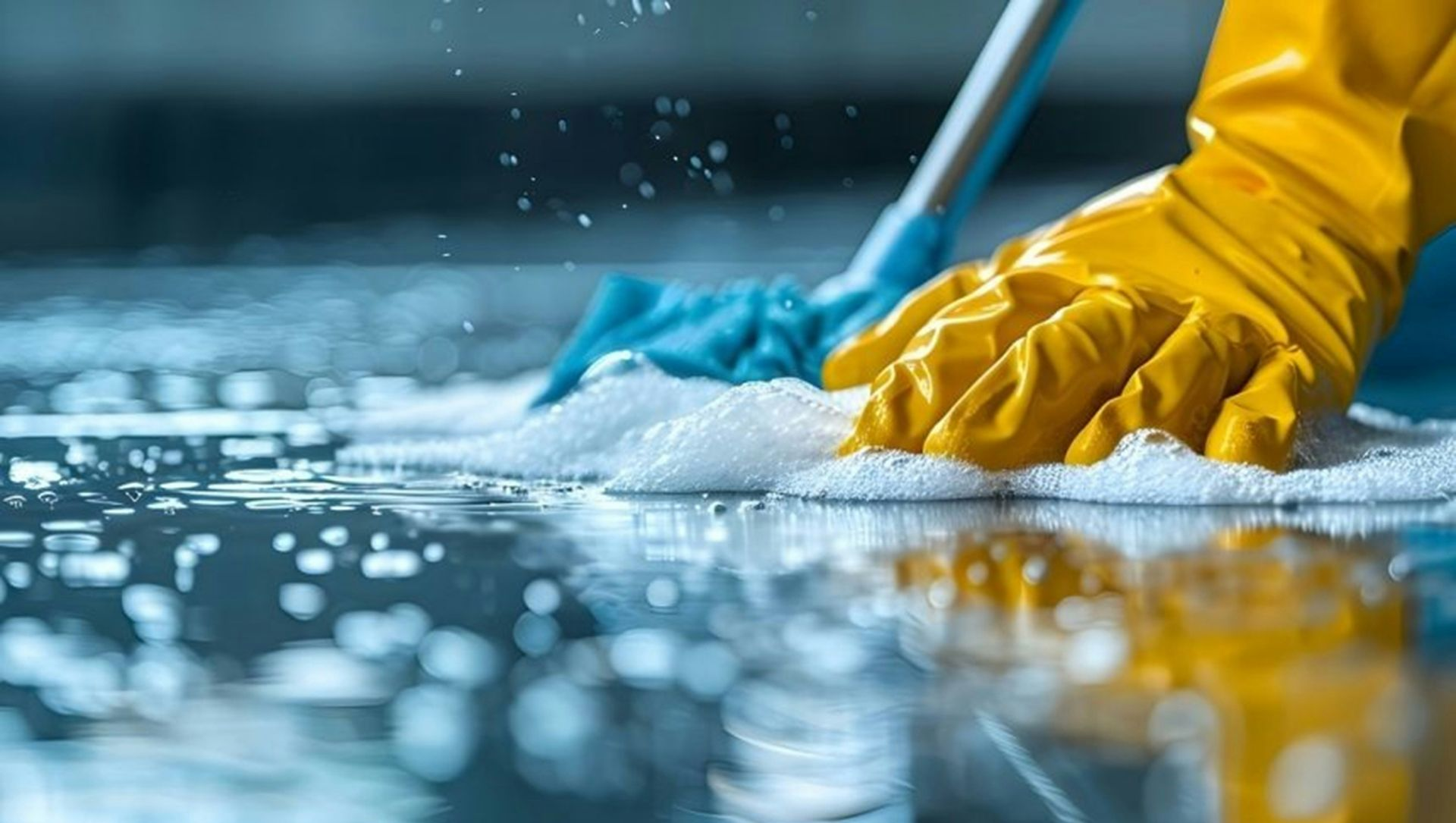
Cleaning focuses on removing visible dirt, dust, debris, and other contaminants from surfaces.
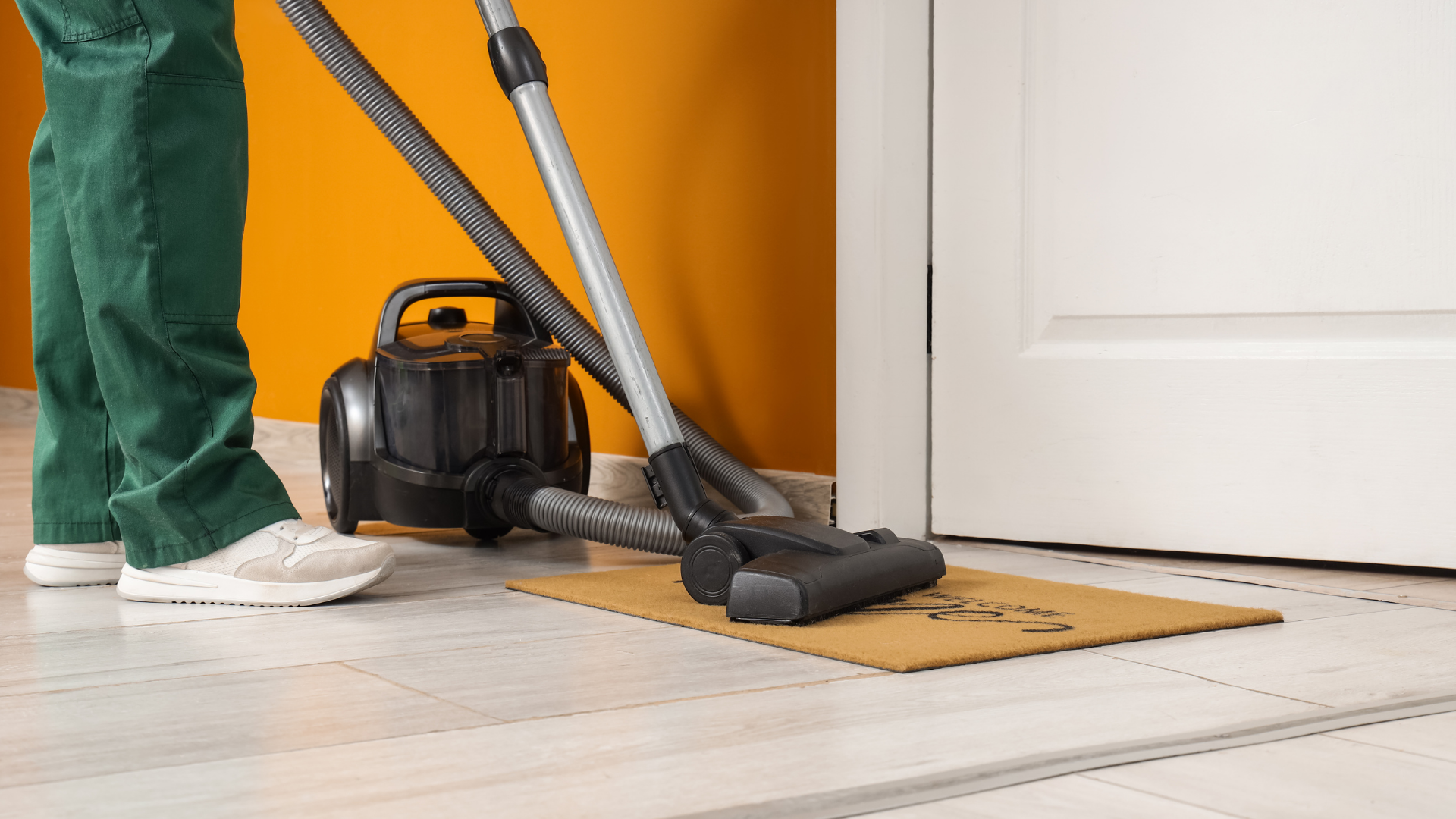
This process typically involves the use of cleaning products, water, and physical action to lift and remove unwanted materials. Floors are swept and mopped, desks are wiped down, trash is removed, and surfaces are cleaned to improve appearance and general cleanliness.
The primary goal of cleaning is to remove substances that accumulate during normal use. A properly cleaned environment looks better, feels more professional, and supports overall facility maintenance efforts. However, cleaning alone is not necessarily intended to address all microorganisms that may be present on surfaces.
What Is Disinfecting?
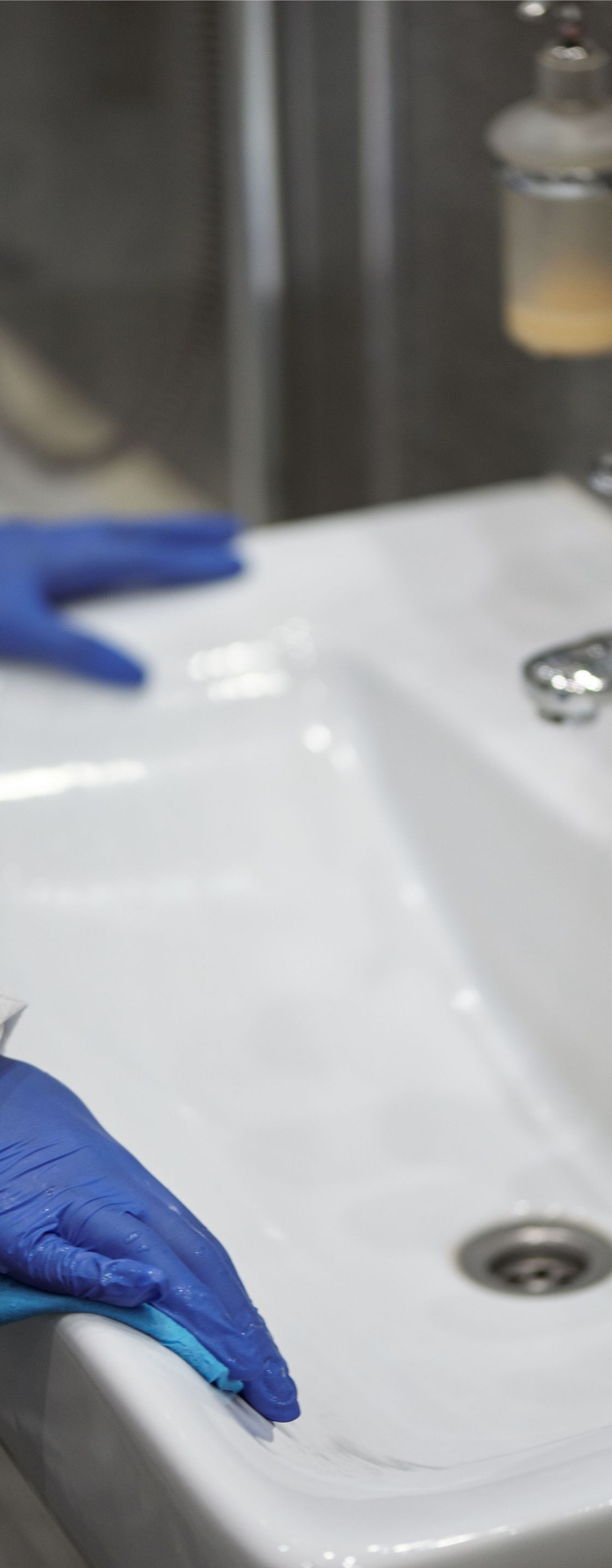
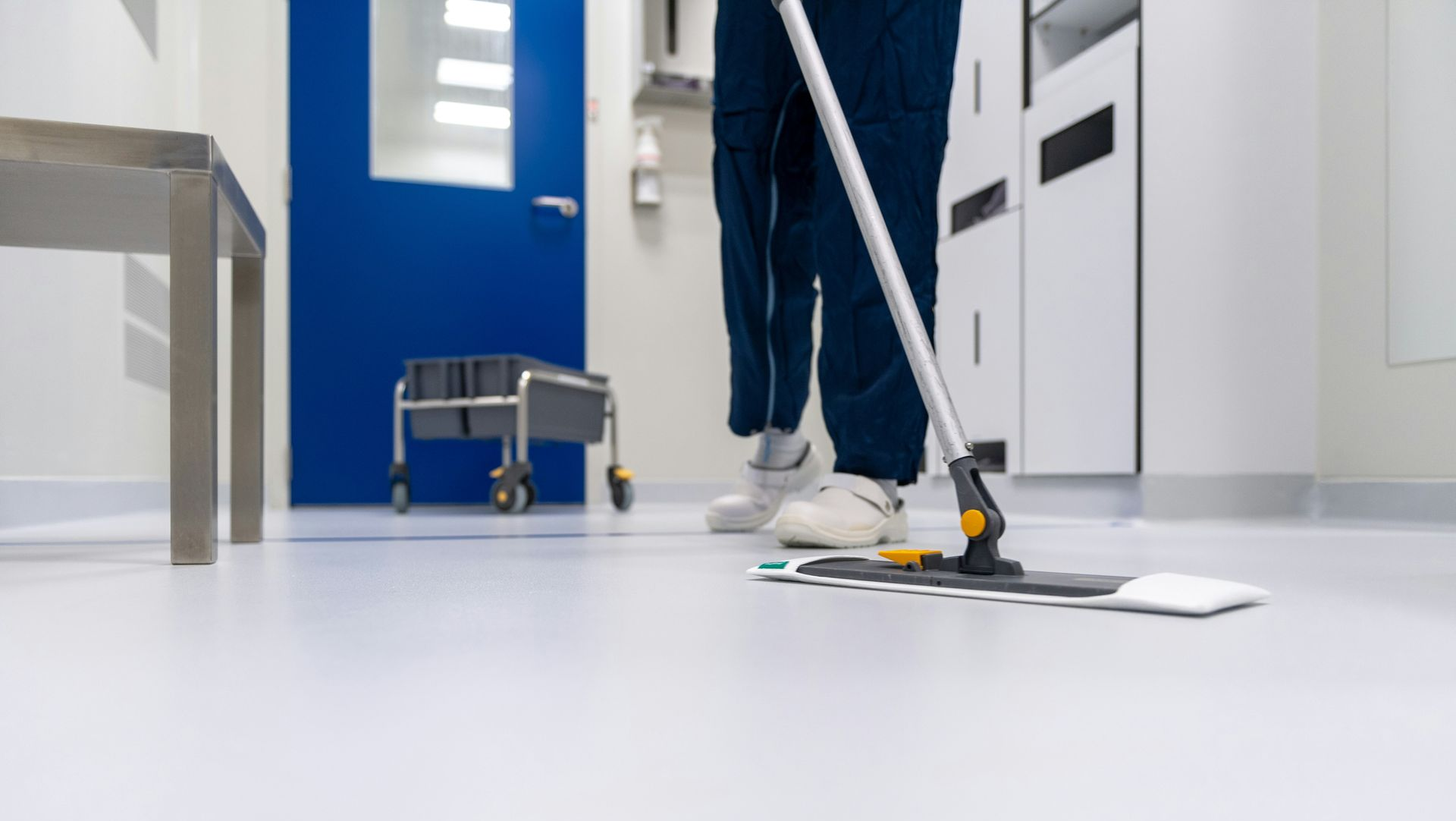
Disinfecting is a separate process that focuses on reducing or eliminating certain microorganisms on surfaces.
Unlike cleaning, disinfecting targets microscopic contaminants that may not be visible to the naked eye. The process generally involves the use of products specifically designed for disinfection and requires proper application procedures to achieve the intended results.
Disinfecting is often performed after cleaning because dirt and debris can interfere with the effectiveness of disinfecting products. In other words, a surface is typically cleaned first and then disinfected when appropriate.
Why Both Processes Matter
Cleaning and disinfecting are not competing approaches. They work together. Cleaning removes the dirt, dust, and residue that accumulate through everyday activity. Disinfecting addresses specific concerns related to microorganisms on surfaces.
A facility that focuses only on disinfecting without proper cleaning may still struggle with appearance, residue buildup, and general maintenance concerns. Conversely, a facility that focuses only on cleaning may not address situations where disinfection is recommended or required.
A comprehensive facility maintenance program often incorporates both processes based on the needs of the environment.
Different Facilities Have Different Needs
Not every building requires the same cleaning and disinfecting strategy.
For example, healthcare facilities often maintain more rigorous environmental hygiene protocols than traditional office environments. Medical settings frequently contain areas where enhanced cleaning and disinfection procedures are necessary because of the nature of patient care.
Office buildings, schools, government facilities, and commercial properties may have different priorities based on occupancy levels, facility use, and operational requirements. The most effective programs are typically customized to the specific needs of the building.
High-Touch Surfaces Receive Special Attention
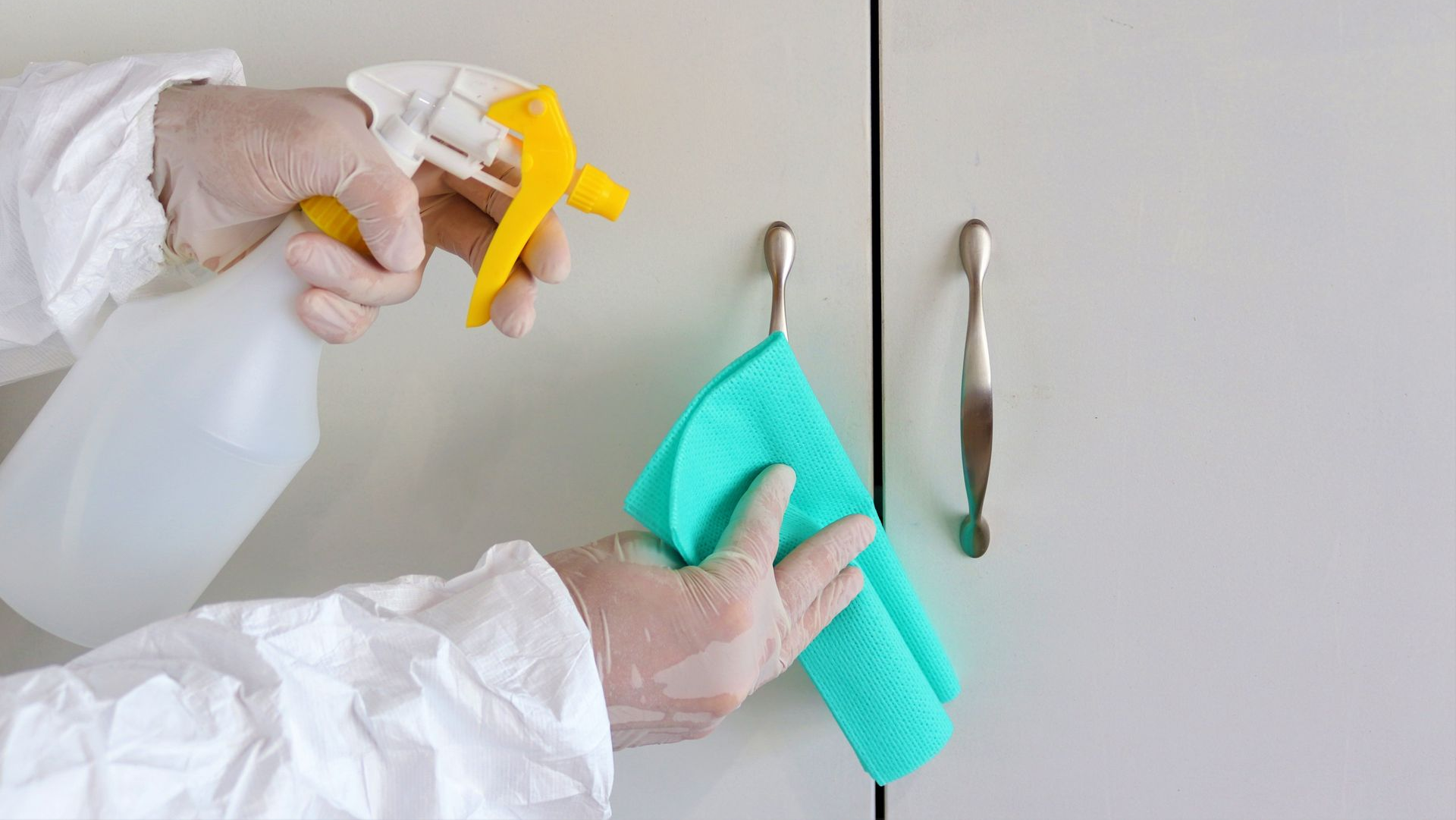
One area where disinfecting often plays an important role is high-touch surfaces.
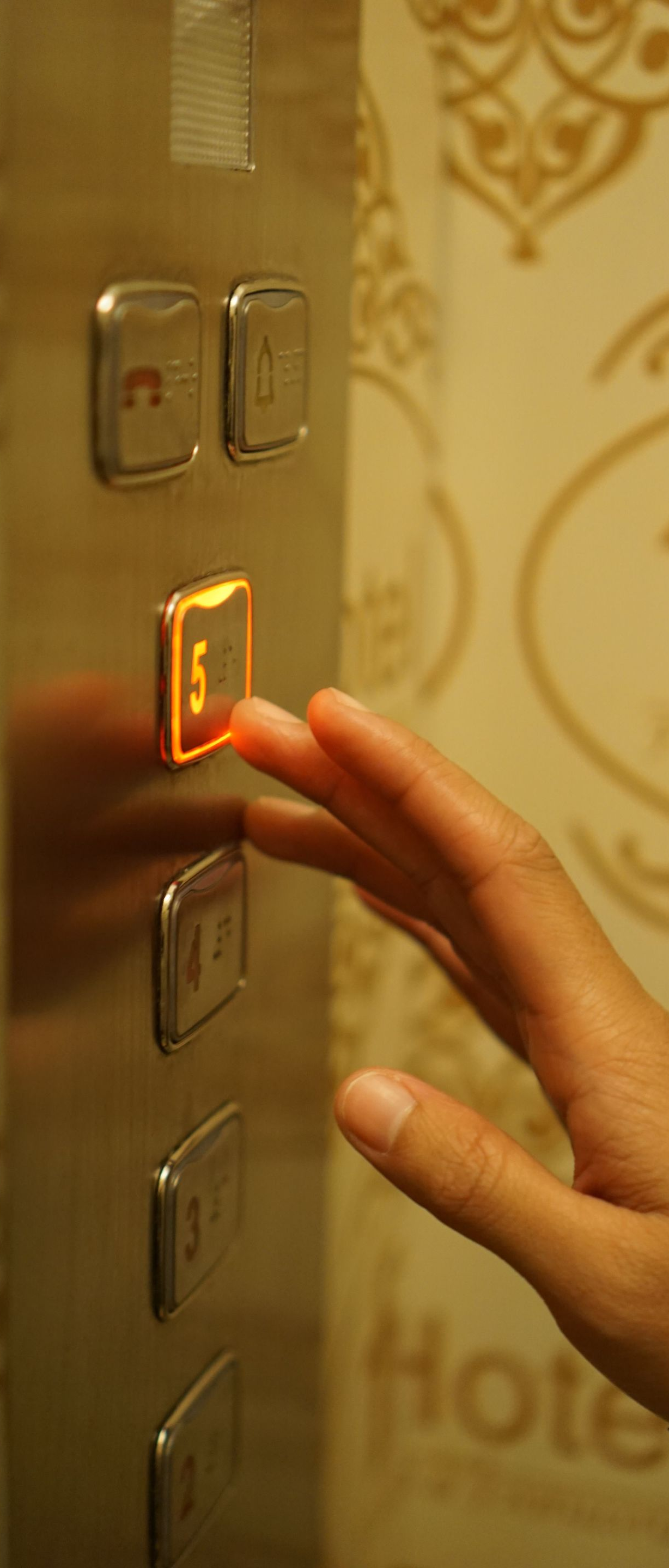
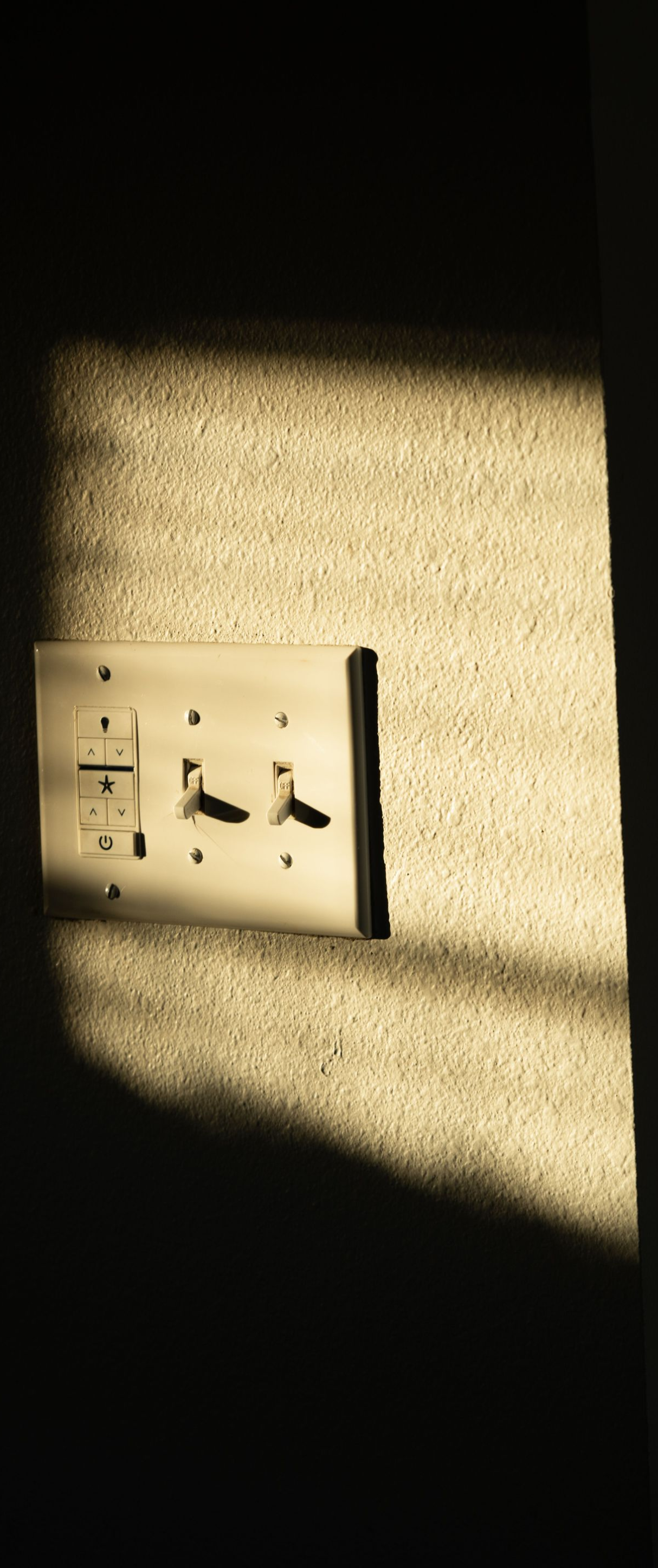
Door handles, elevator buttons, handrails, light switches, shared equipment, countertops, and other frequently touched areas can become priorities within a facility’s cleaning program.
These surfaces often receive additional attention because they experience constant interaction throughout the day. Developing a strategy for high-touch areas helps create a more comprehensive facility maintenance approach.
Consistency Is Essential
Whether the goal is cleaning, disinfecting, or both, consistency is often the key to success. A well-maintained facility is rarely the result of occasional deep cleaning alone. Instead, it is typically supported by regular service, established procedures, and attention to detail.
Consistent cleaning helps prevent the accumulation of dirt and debris, while appropriate disinfecting protocols help address environmental hygiene needs where necessary.
Together, these efforts contribute to a cleaner, more professional environment.
Building an Effective Facility Maintenance Program
Understanding the difference between cleaning and disinfecting helps organizations develop more effective maintenance strategies. Each process serves a distinct purpose, and both can play important roles in supporting facility operations.
ABS Facility Solutions provides customized janitorial and facility maintenance services for offices, healthcare facilities, multi-tenant properties, and commercial buildings. By developing cleaning programs tailored to the needs of each environment, organizations can maintain facilities that are clean, professional, and well cared for.
While the terms are often used together, cleaning and disinfecting are not the same thing. Knowing the difference is an important step toward creating a more effective facility maintenance program.