The Role of Regularly Scheduled Janitorial Services in Regulatory Compliance
Maintaining a clean commercial facility is about more than creating a positive first impression. For many businesses, routine cleaning plays an important role in supporting workplace safety, protecting employees and visitors, and helping organizations meet industry-specific regulatory expectations.
Whether managing a healthcare facility, educational institution, manufacturing plant, office building, or commercial property, regularly scheduled janitorial services contribute to an organized and well-maintained environment that supports compliance efforts. While cleaning alone does not guarantee compliance with every applicable regulation, it is often an essential part of a broader facility management strategy.
Clean Facilities Support Safer Work Environments
Many workplace regulations emphasize providing employees with a safe and healthful environment.
Routine janitorial services help reduce the accumulation of dust, debris, spills, and other contaminants that may contribute to slips, trips, falls, or other workplace hazards. Regular attention to high-traffic areas, restrooms, entrances, break rooms, and shared spaces helps facilities maintain consistent cleanliness while supporting overall workplace safety initiatives.
A well-maintained building also makes it easier for facility managers to identify maintenance issues before they develop into larger concerns.

Industry Standards Often Require Consistency
Different industries operate under different regulatory frameworks, but consistency is a common expectation.
Healthcare facilities, educational institutions, manufacturing operations, food processing environments, and commercial office buildings each have unique cleaning requirements based on the nature of their operations. Scheduled janitorial services provide a structured approach that helps ensure cleaning tasks are performed regularly rather than only when problems become visible.
This proactive approach supports documentation, accountability, and repeatable cleaning practices throughout the facility.
High-Touch Surfaces Deserve Special Attention
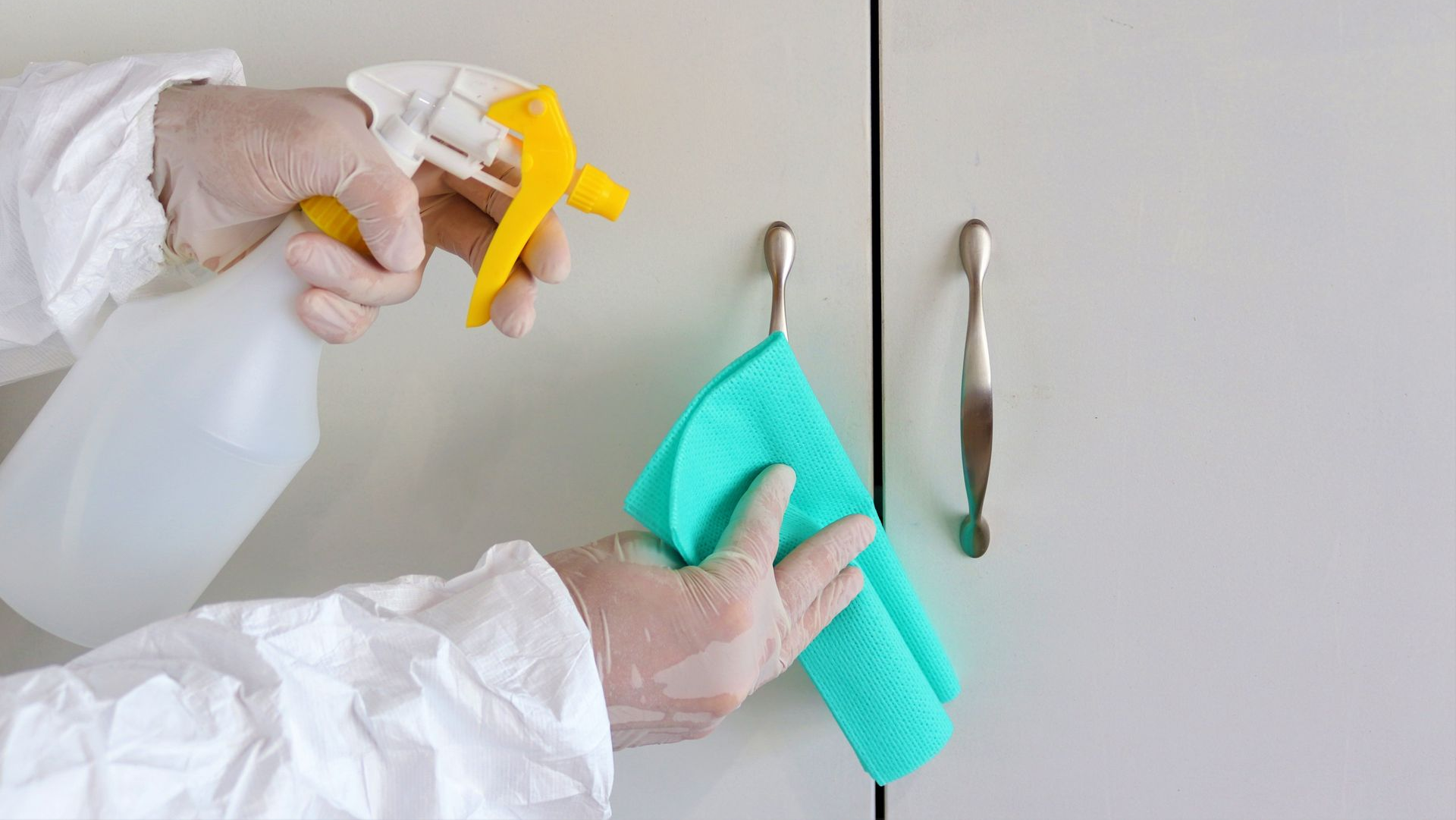
Frequently touched surfaces require ongoing attention as part of many workplace cleaning programs.
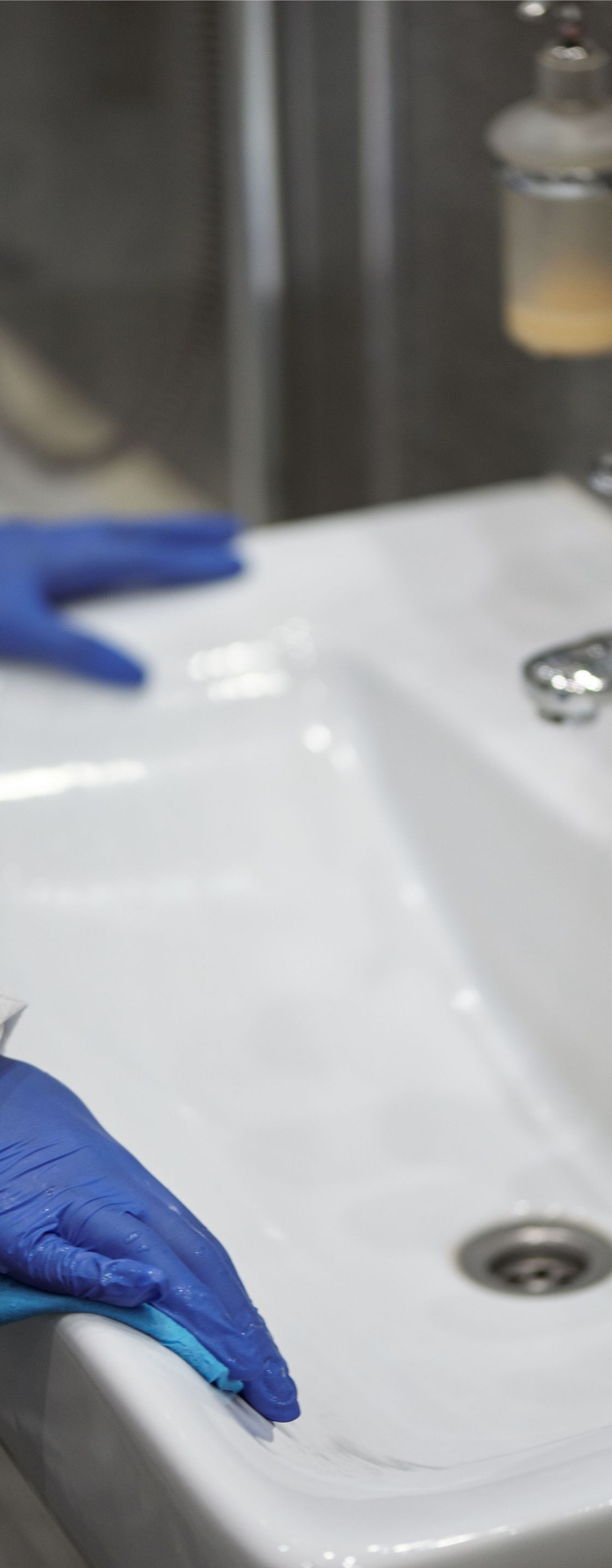
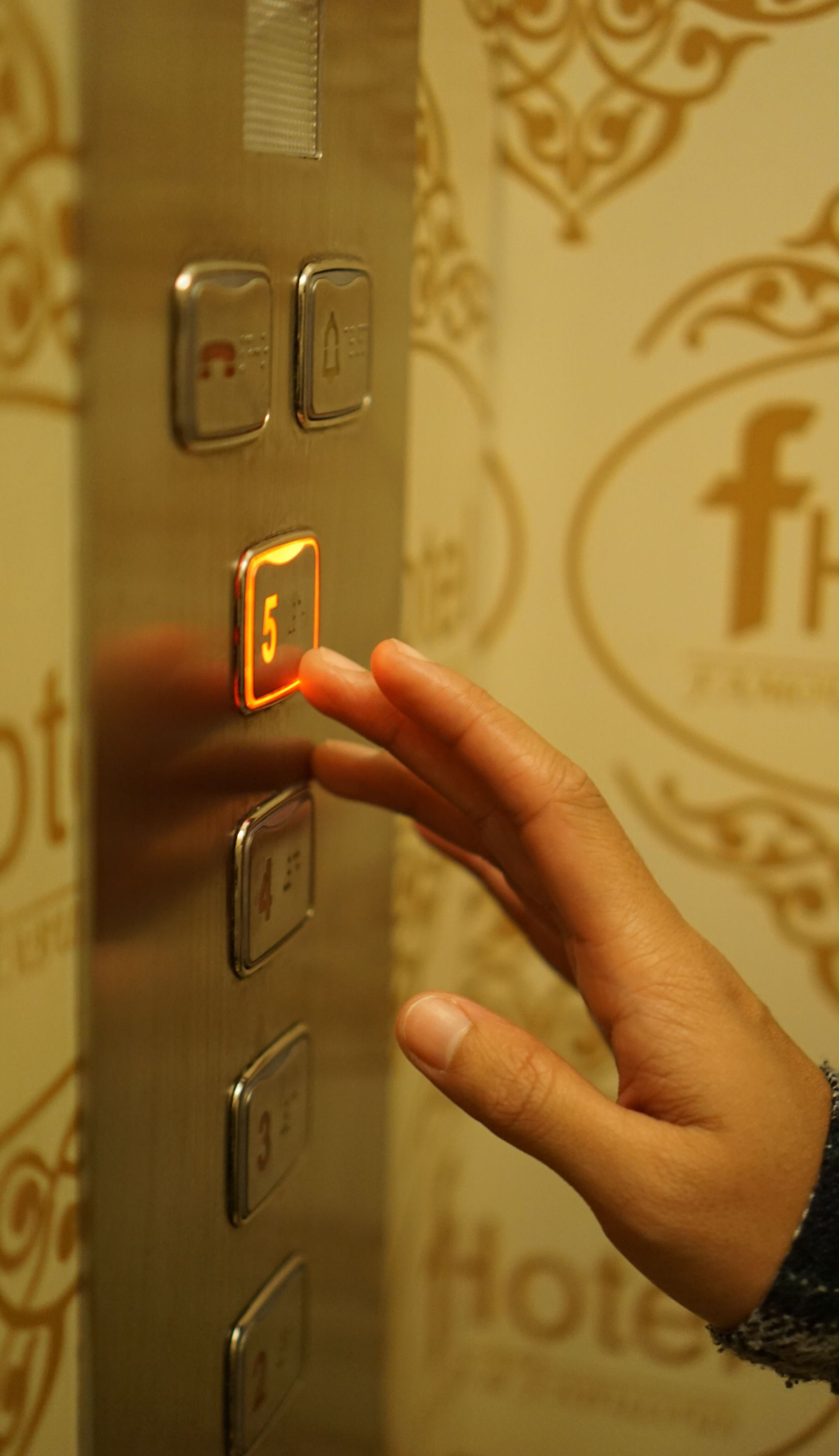
Door handles, elevator buttons, handrails, conference tables, restroom fixtures, break room appliances, and shared equipment can quickly accumulate dirt and contaminants throughout the workday. Regular cleaning and disinfection of these areas help organizations maintain a cleaner environment for employees and visitors while supporting workplace hygiene objectives.
A customized cleaning schedule ensures these critical areas receive attention appropriate to the facility’s level of use.
Floor Care Is Part of Facility Compliance
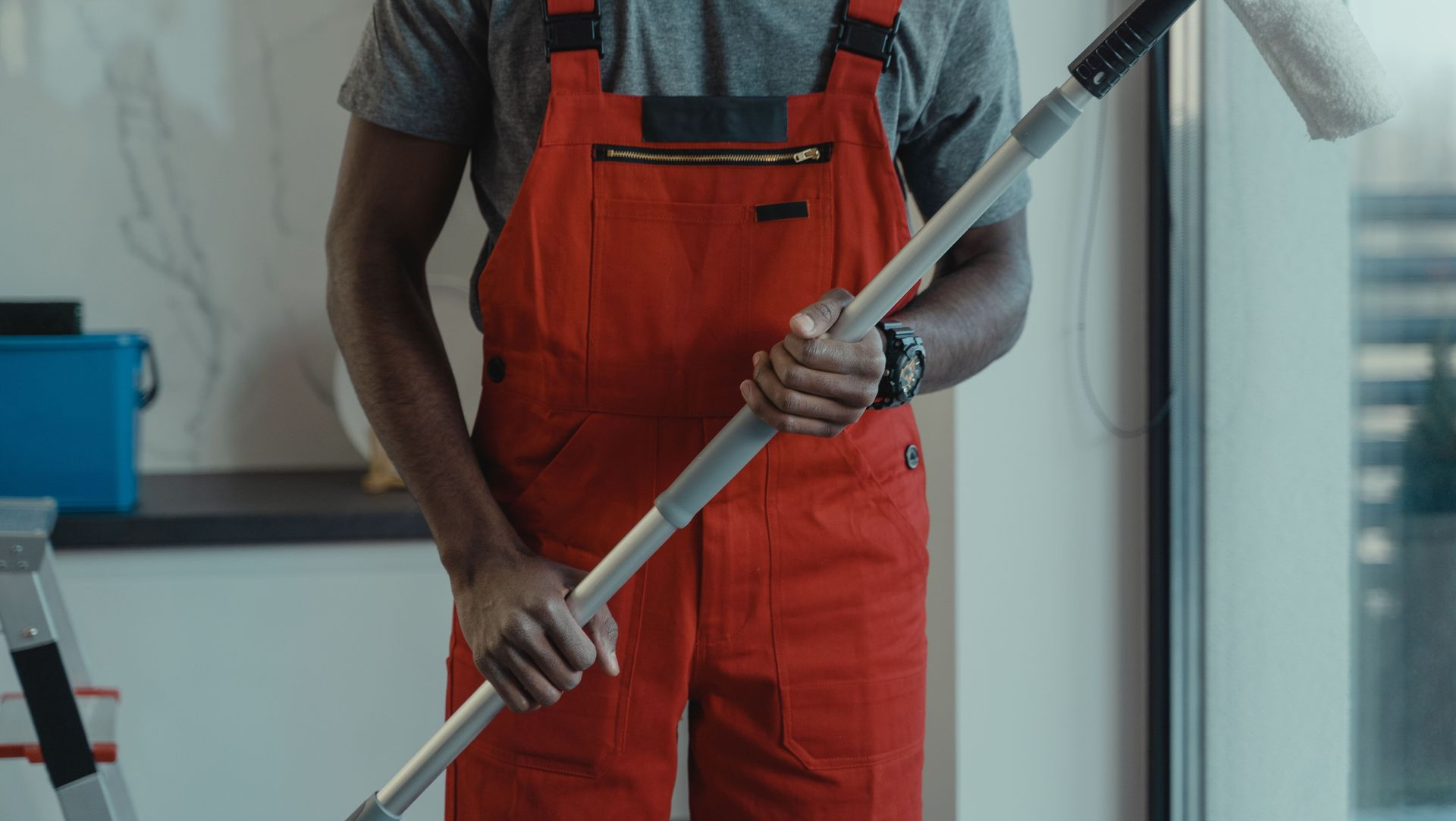
Commercial floors experience constant wear from employees, customers, equipment, and deliveries.
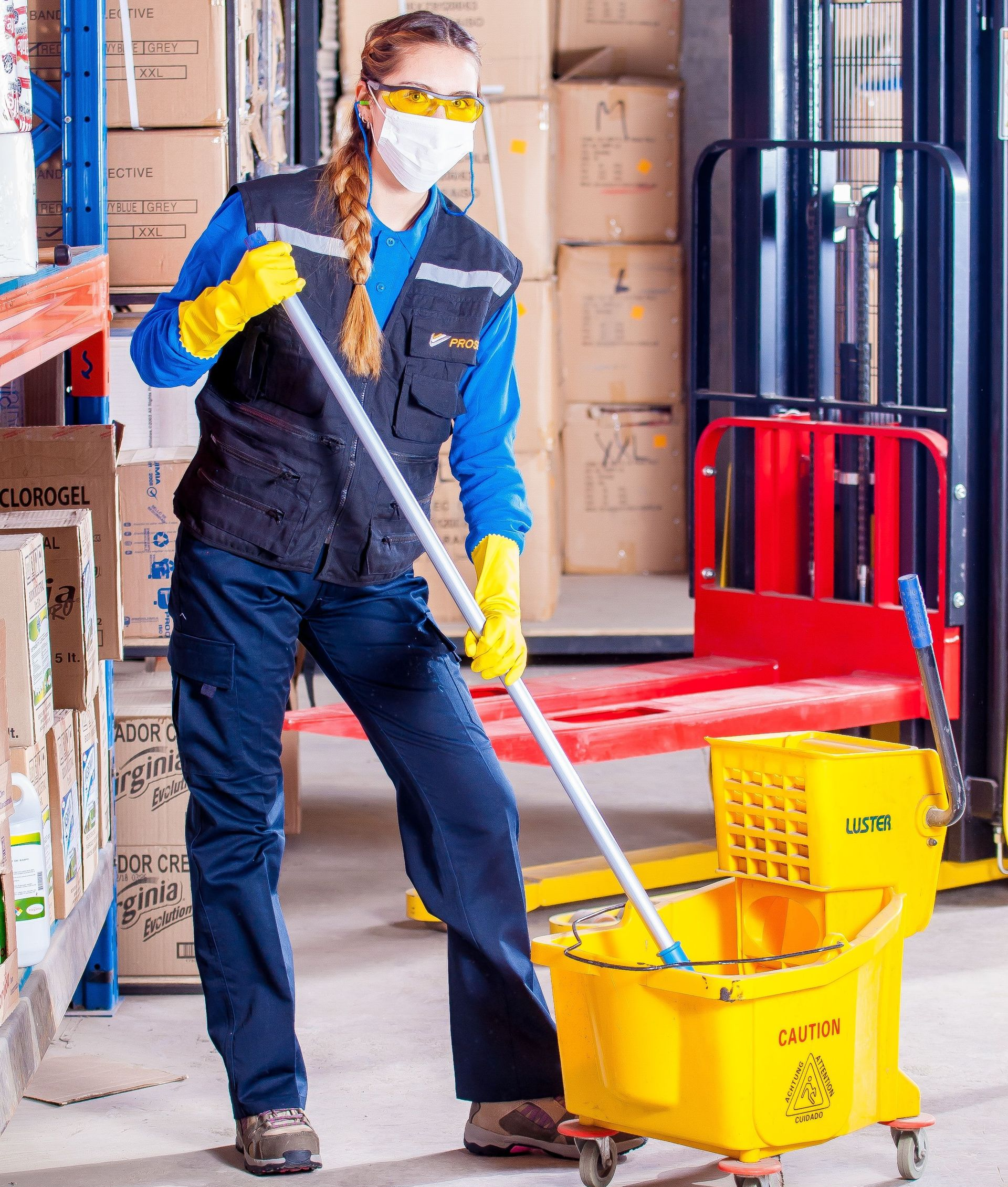
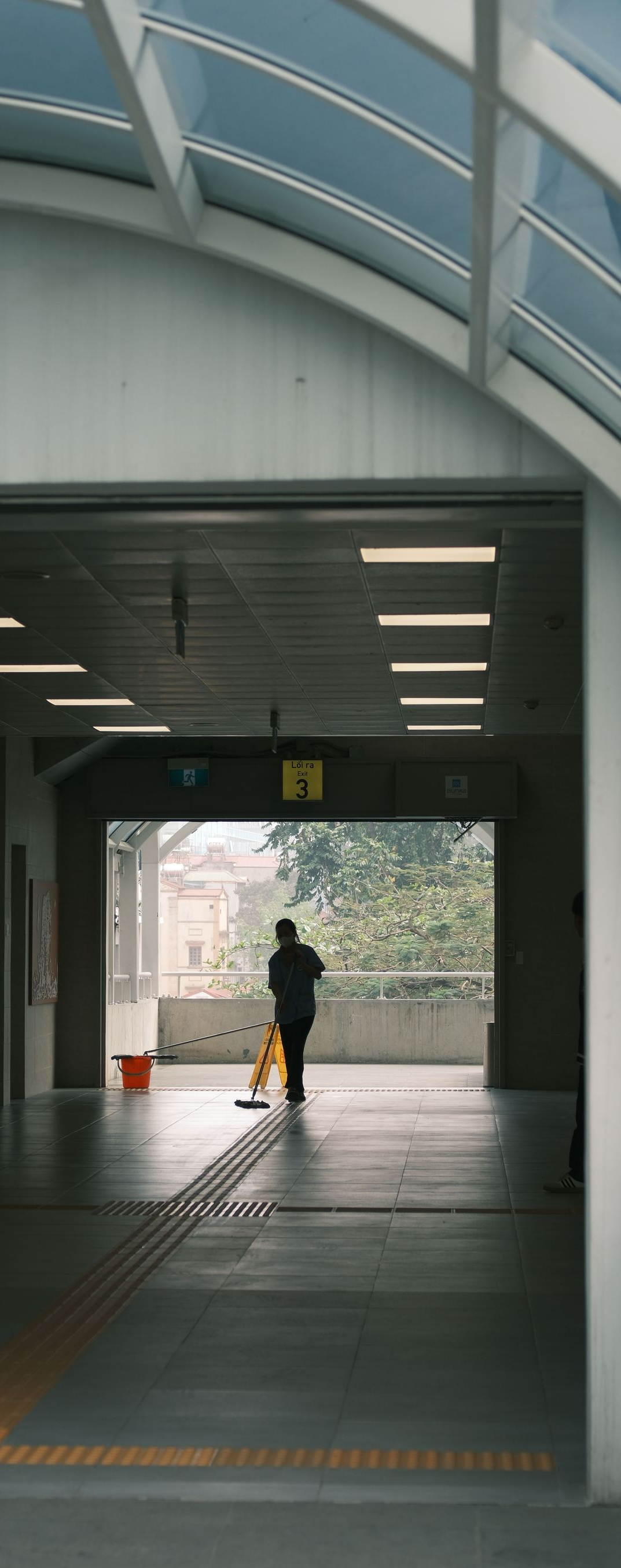
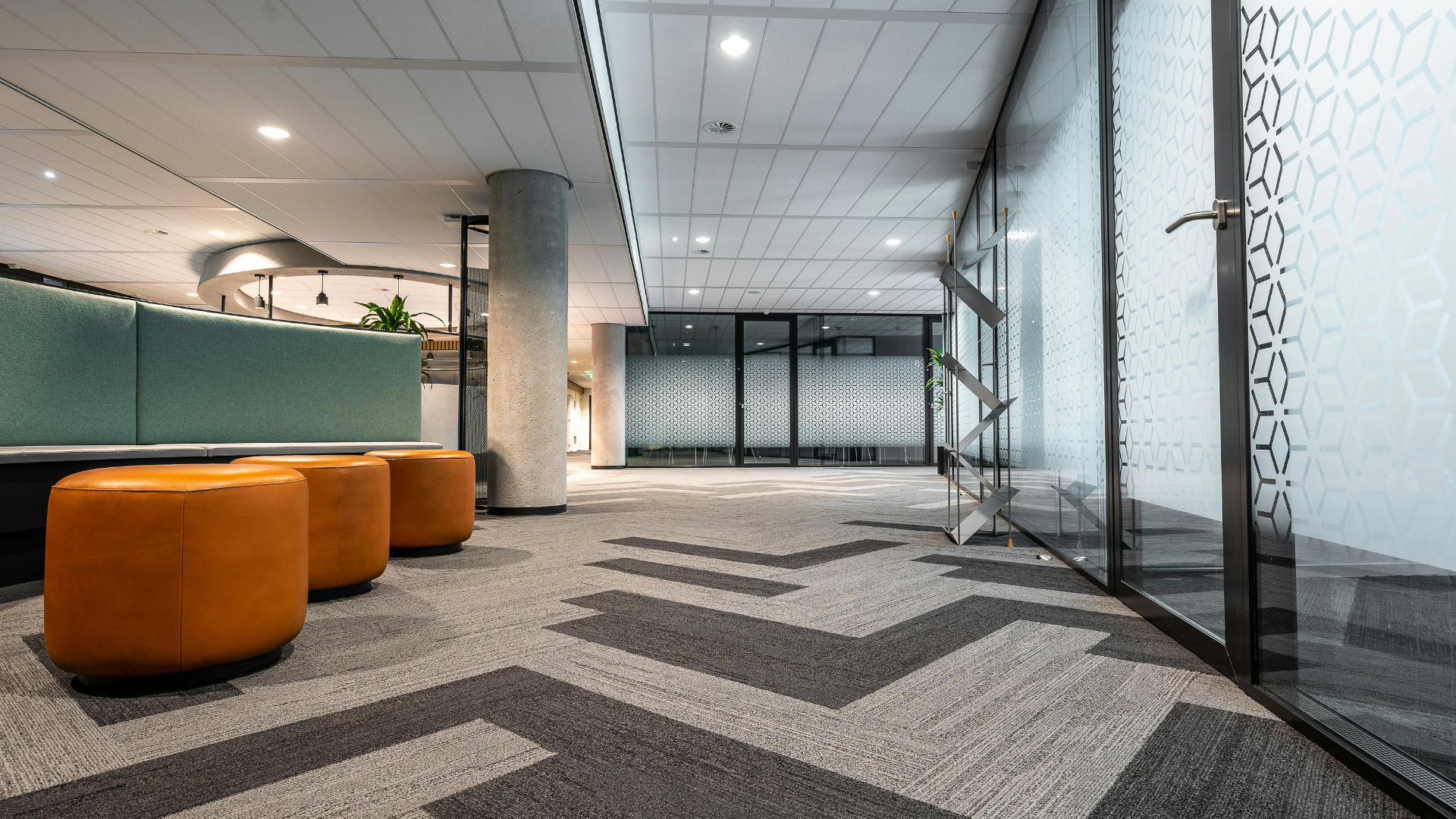
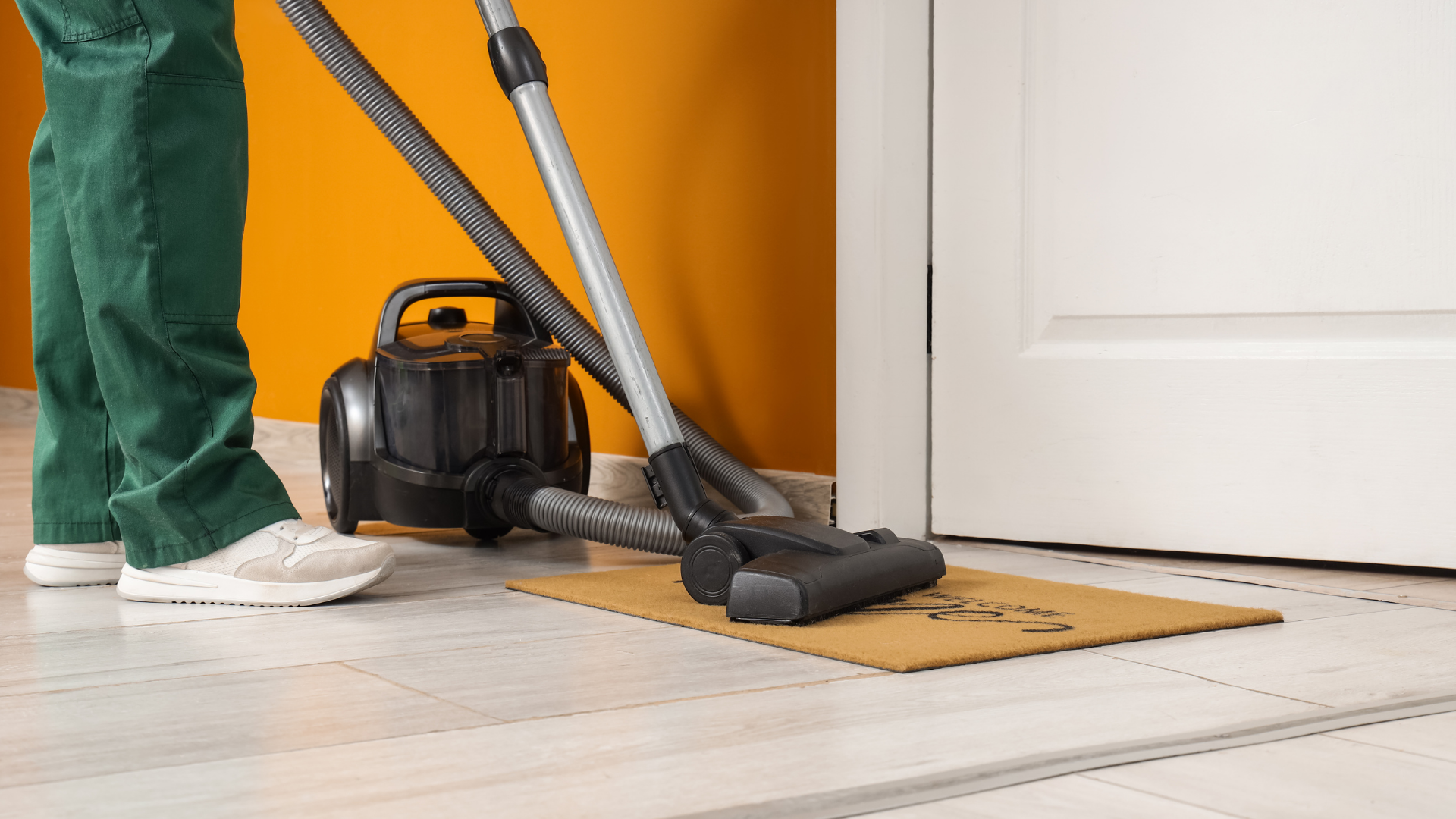
Regular floor care helps maintain safe walking surfaces by removing dirt, moisture, and debris that could create slip hazards. In addition to supporting safety, professional floor maintenance extends the life of flooring materials, helping businesses protect their investment while maintaining an attractive appearance.
Proper floor care demonstrates a commitment to both facility maintenance and risk management.
Documentation Supports Accountability
One advantage of working with a professional janitorial provider is the consistency that comes from scheduled service.
Clearly defined cleaning schedules, standardized procedures, and quality control processes help facility managers verify that routine cleaning responsibilities are being completed as planned. While documentation requirements vary by industry, organized maintenance practices often make compliance efforts easier to manage and demonstrate.
Consistency also allows businesses to adapt cleaning frequencies as operational needs change.
A Partner in Long-Term Facility Management
Janitorial services should not be viewed as simply another operating expense. Instead, they are an important component of comprehensive facility management.
Routine cleaning helps preserve building assets, maintain professional appearances, support workplace health initiatives, and reduce the likelihood of maintenance issues caused by neglect. Combined with preventative maintenance and regular facility inspections, scheduled cleaning contributes to a more organized and efficient operation.
Organizations that invest in consistent janitorial services are often better positioned to maintain the standards expected by employees, customers, tenants, and regulatory agencies.
Supporting Compliance Through Professional Cleaning
Regulatory compliance depends on many factors, but maintaining a clean, well-managed facility is often one of the most visible and practical steps organizations can take. Regularly scheduled janitorial services help create cleaner work environments, support safety initiatives, and establish consistent maintenance practices that contribute to broader operational goals.
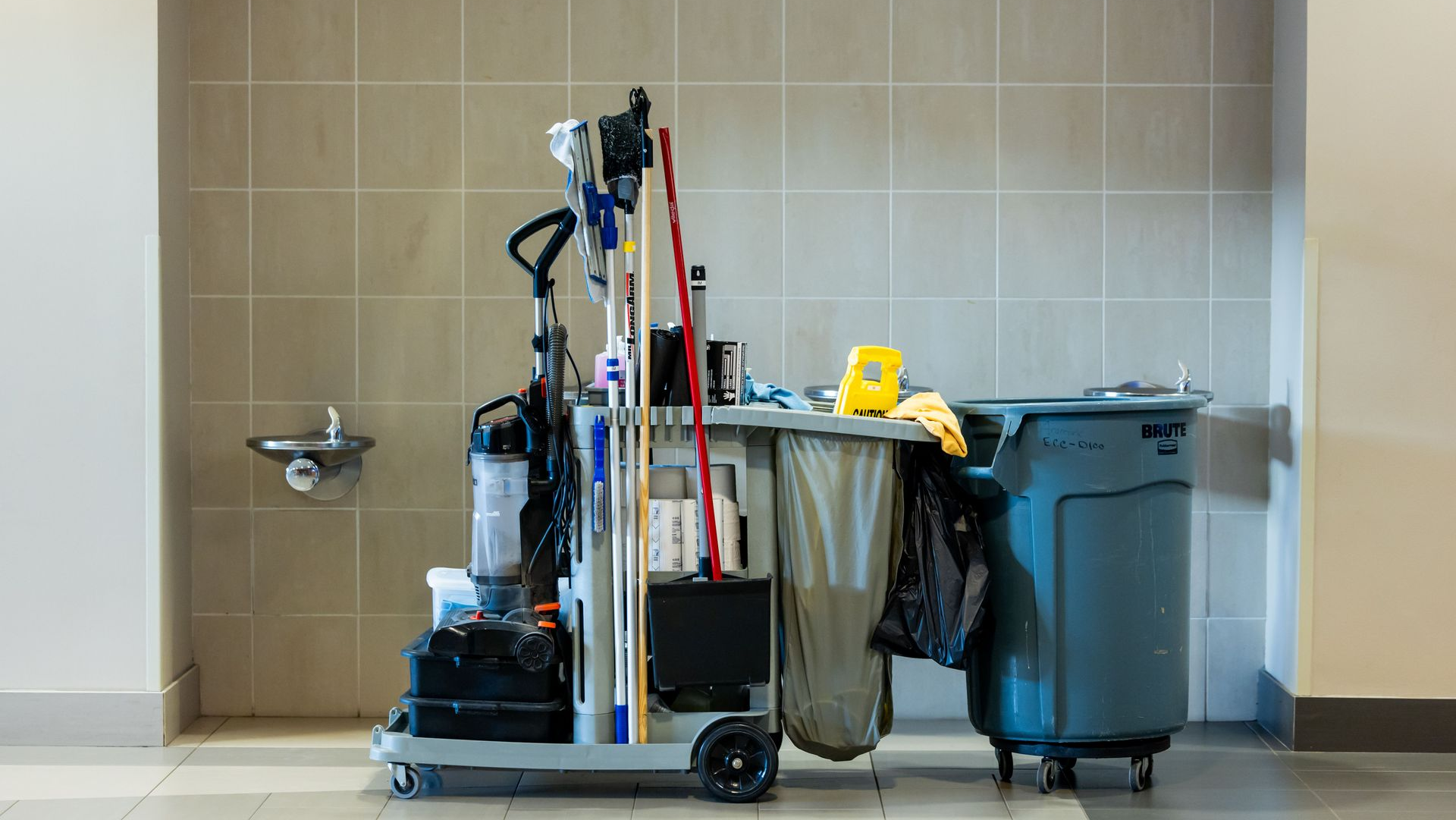
At ABS Facility Solutions, we develop customized commercial cleaning programs designed to meet the unique needs of offices, healthcare facilities, educational institutions, industrial operations, multi-tenant buildings, and other commercial properties. From routine janitorial services and floor care to restroom sanitation, day porter services, and post-construction cleaning, our experienced team helps clients maintain facilities that are clean, professional, and prepared to support their operational and compliance objectives.
A clean building is more than a reflection of your business. It is an investment in safety, professionalism, and the long-term success of your facility.