Why Summer Humidity Creates New Cleaning Challenges
Summer brings longer days, warmer temperatures, and increased activity in many commercial buildings. However, it also introduces a less visible challenge that property managers and business owners cannot afford to ignore: humidity. While humidity may seem like a simple comfort issue, excessive moisture in the air can create a variety of cleaning and maintenance concerns that affect both building conditions and occupant health.
Throughout the summer months, commercial facilities often face increased risks related to moisture accumulation, mold growth, mildew development, odors, and indoor air quality concerns. Understanding these challenges can help property managers take proactive steps to maintain healthier and more attractive environments.
Commercial properties throughout New Jersey and the surrounding region rely on professional cleaning and maintenance programs to address these seasonal concerns before they become larger problems.

Humidity Creates Ideal Conditions for Mold and Mildew
One of the biggest concerns associated with summer humidity is the increased potential for mold and mildew growth. Mold and mildew thrive in environments where moisture is consistently present, particularly in areas with limited airflow or hidden water accumulation.
Common locations where mold and mildew may develop include:
- Restrooms
- Break rooms
- Storage areas
- Utility rooms
- Carpeted spaces
- Around HVAC systems
- Window areas
- Beneath sinks and fixtures
Because mold and mildew often begin developing in concealed areas, problems may go unnoticed until odors or visible growth appear.
Mold and Mildew Can Affect Occupant Health
Beyond the appearance of dark stains or discoloration, mold and mildew present legitimate health concerns. Exposure may contribute to symptoms such as:
- Nasal irritation
- Coughing
- Throat irritation
- Eye irritation
- Headaches
- Respiratory discomfort
Individuals with allergies, asthma, or other respiratory conditions may be particularly sensitive to mold exposure.
For businesses, schools, healthcare facilities, and multi-tenant properties, maintaining a clean environment is not simply about appearance. It is also about
supporting the health and comfort of employees, visitors, tenants, and customers.
Excess Moisture Creates Persistent Odors
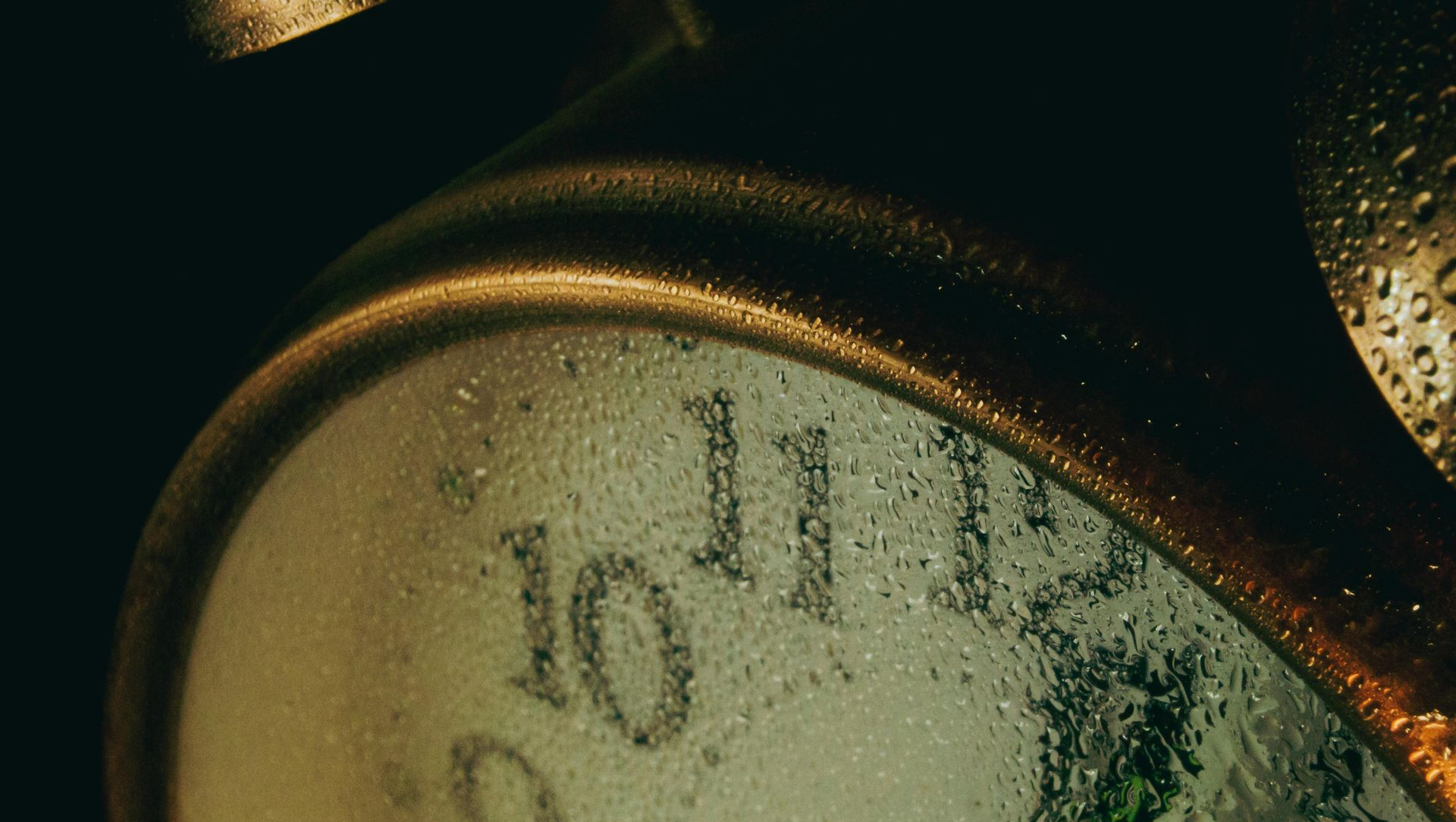
Humidity can also contribute to unpleasant odors throughout commercial facilities. When moisture becomes trapped in carpets, upholstery, restrooms, or other porous surfaces, odors often develop and linger.
These odors may create negative impressions for visitors and customers while reducing overall occupant satisfaction.
Professional cleaning programs help remove moisture-related contaminants before odor issues become more difficult to address.
Flooring Faces Additional Stress
Summer humidity can affect flooring systems as well. Moisture tracked indoors from rainstorms, combined with elevated humidity levels, creates conditions that place additional stress on both hard surface flooring and carpeted areas.
Potential issues include:
- Moisture accumulation
- Increased dirt retention
- Surface staining
- Carpet odor development
- Premature wear
Without routine cleaning and maintenance, these conditions may shorten the lifespan of flooring materials and increase long-term replacement costs.

HVAC Systems Play an Important Role
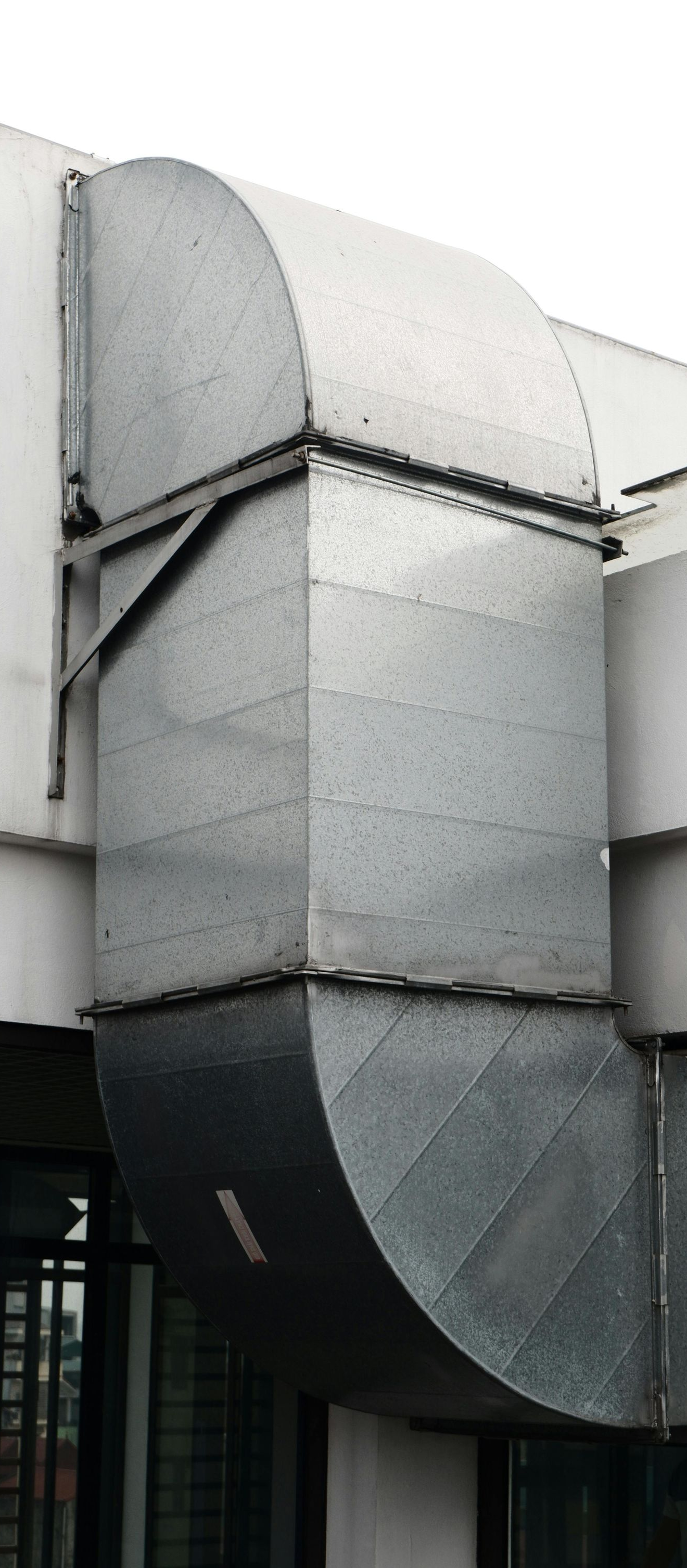
Commercial HVAC systems help regulate temperature and humidity, but they can also become part of the problem if not properly maintained. Condensation, moisture buildup, and dust accumulation around HVAC components may contribute to indoor air quality concerns.
As air circulates throughout the building, moisture-related issues can affect larger areas than many property managers initially realize.
A comprehensive facility maintenance strategy often includes both HVAC maintenance and professional cleaning services to help manage humidity-related concerns.
Prevention Is More Effective Than Remediation
When it comes to mold, mildew, and humidity-related cleaning challenges, prevention is often far less expensive and disruptive than remediation.
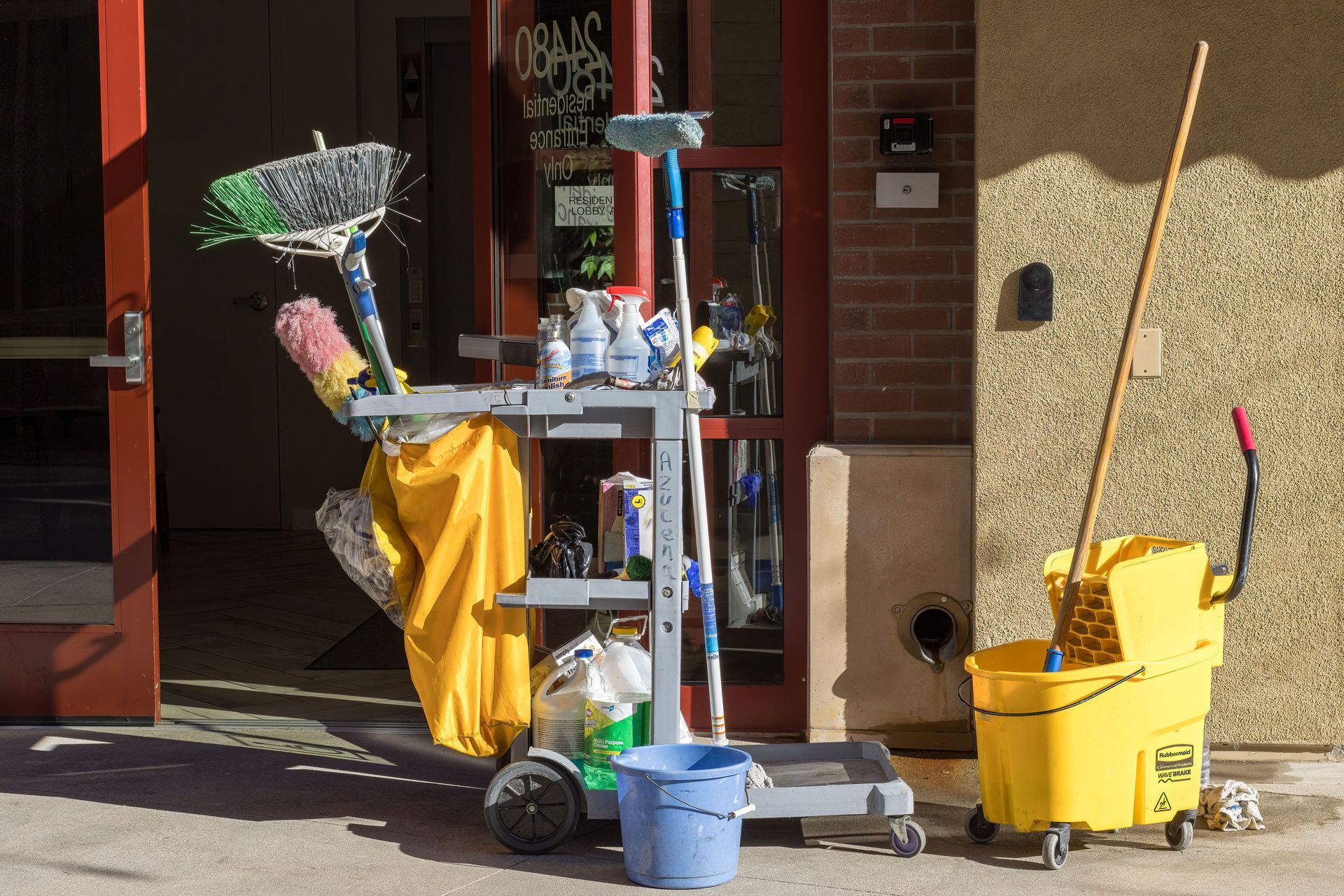
Routine cleaning services help identify potential problem areas before significant growth occurs. Regular inspections, moisture management, and consistent janitorial support can reduce the likelihood of larger issues developing later.
This proactive approach helps facilities maintain cleaner, healthier environments throughout the summer season.

Professional Cleaning Supports Healthier Buildings
Summer humidity presents challenges that extend far beyond simple comfort concerns. Excess moisture can contribute to mold growth, mildew development, unpleasant odors, flooring damage, and indoor air quality issues that affect building occupants.
ABS Facility Solutions helps commercial properties address these seasonal challenges through professional janitorial services, floor care programs, restroom maintenance, and comprehensive facility cleaning solutions. By maintaining a consistent cleaning schedule throughout the summer months, property managers can help protect both their facilities and the people who use them every day.
When humidity levels rise, proactive cleaning becomes an important part of maintaining a healthy, professional commercial environment.