Why Data Centers Still Require Professional Cleaning Services
Protecting Sensitive Equipment
Data centers are often viewed as highly controlled environments where cleanliness is already built into daily operations. With advanced cooling systems, restricted access, and carefully managed infrastructure, it may seem as though these facilities require little outside maintenance. However, data centers still depend on professional cleaning services to maintain optimal performance, protect sensitive equipment, and ensure long-term reliability.
While data centers differ from traditional commercial spaces, their cleaning needs are just as important, if not more so. The presence of dust, debris, and environmental contaminants can have a direct impact on equipment efficiency and operational stability.
The Impact of Dust on Equipment Performance
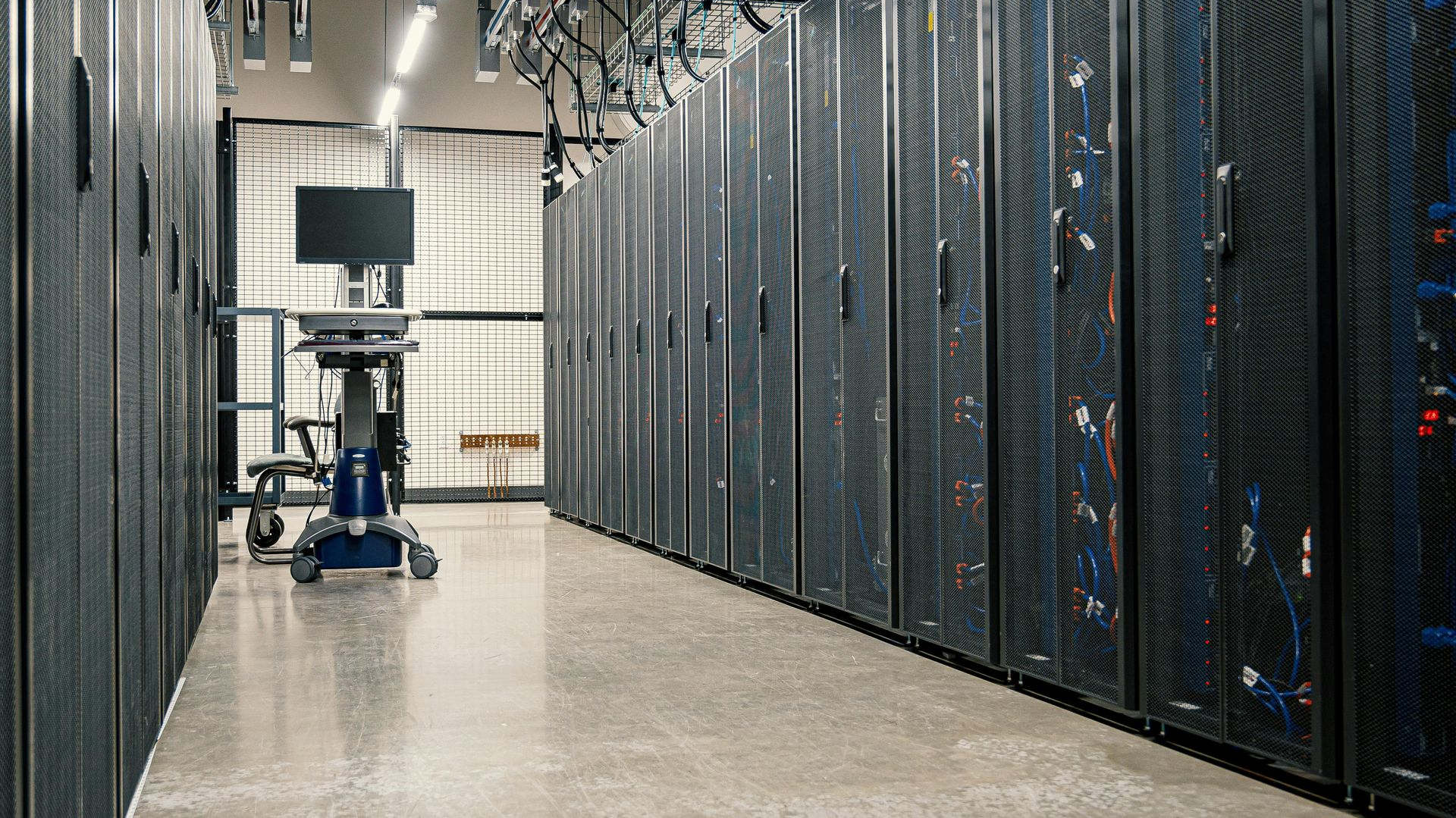
One of the primary concerns in any data center is dust. Even small amounts of airborne particles can accumulate on servers, cables, and cooling systems over time. Unlike typical office environments, where dust may only affect appearance, in a data center it can interfere with critical operations.
Dust buildup can restrict airflow around equipment, causing systems to run hotter than intended. Excess heat can reduce performance, increase energy consumption, and shorten the lifespan of components. In extreme cases, overheating can lead to system failures or downtime.
Professional cleaning services help remove dust from surfaces, floors, and hard-to-reach areas before it becomes a problem.
Maintaining Proper Airflow
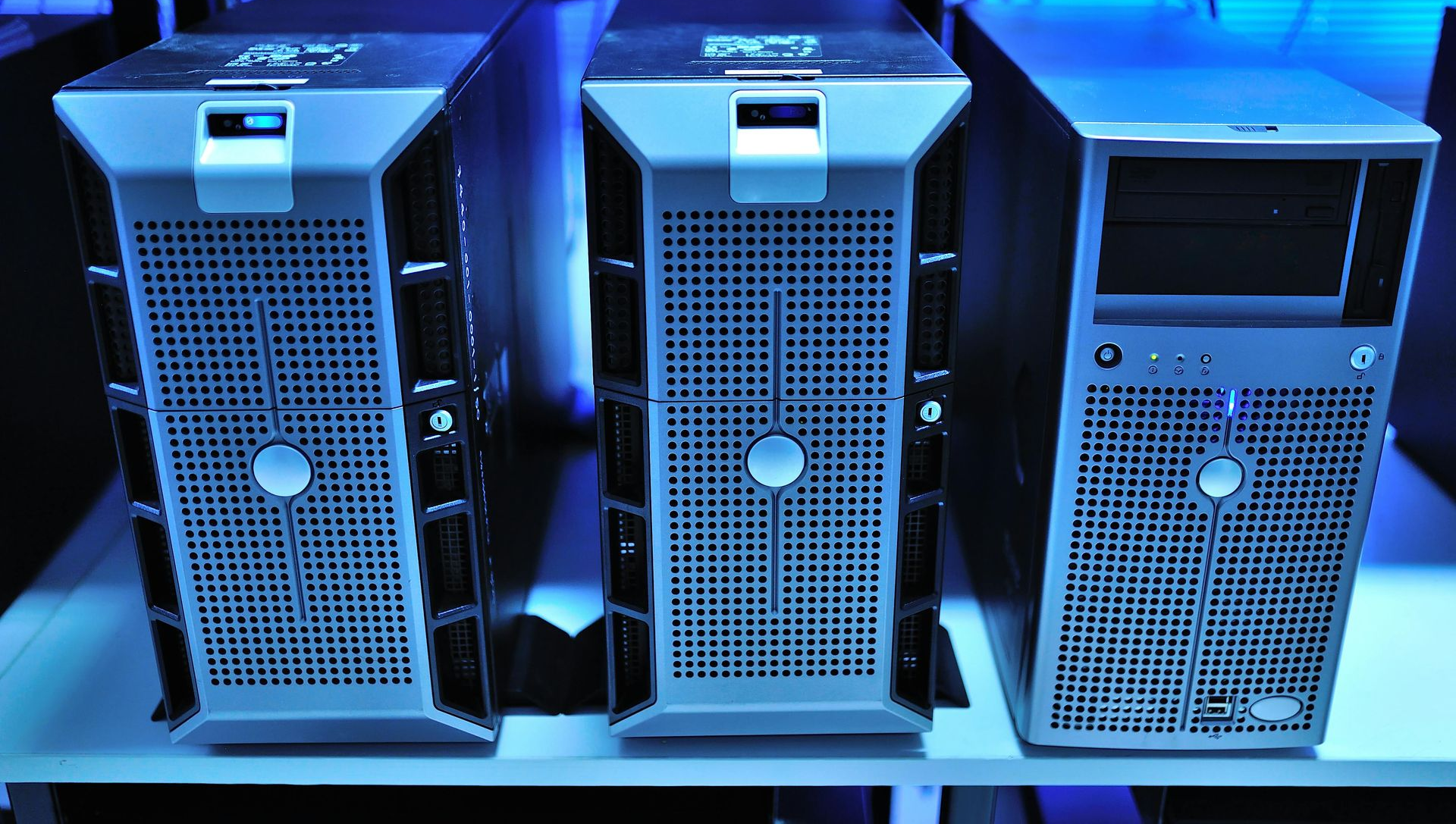
Efficient airflow is essential to data center operations. Cooling systems are designed to regulate temperature by moving air through server racks and equipment zones. When dust or debris accumulates, it can disrupt these airflow patterns.
Blocked vents, dirty floors, or neglected cable areas can reduce the effectiveness of cooling systems. This forces equipment to work harder to maintain safe operating temperatures, which increases energy usage and operational costs.
Regular cleaning helps maintain clear airflow pathways, allowing cooling systems to function as designed.
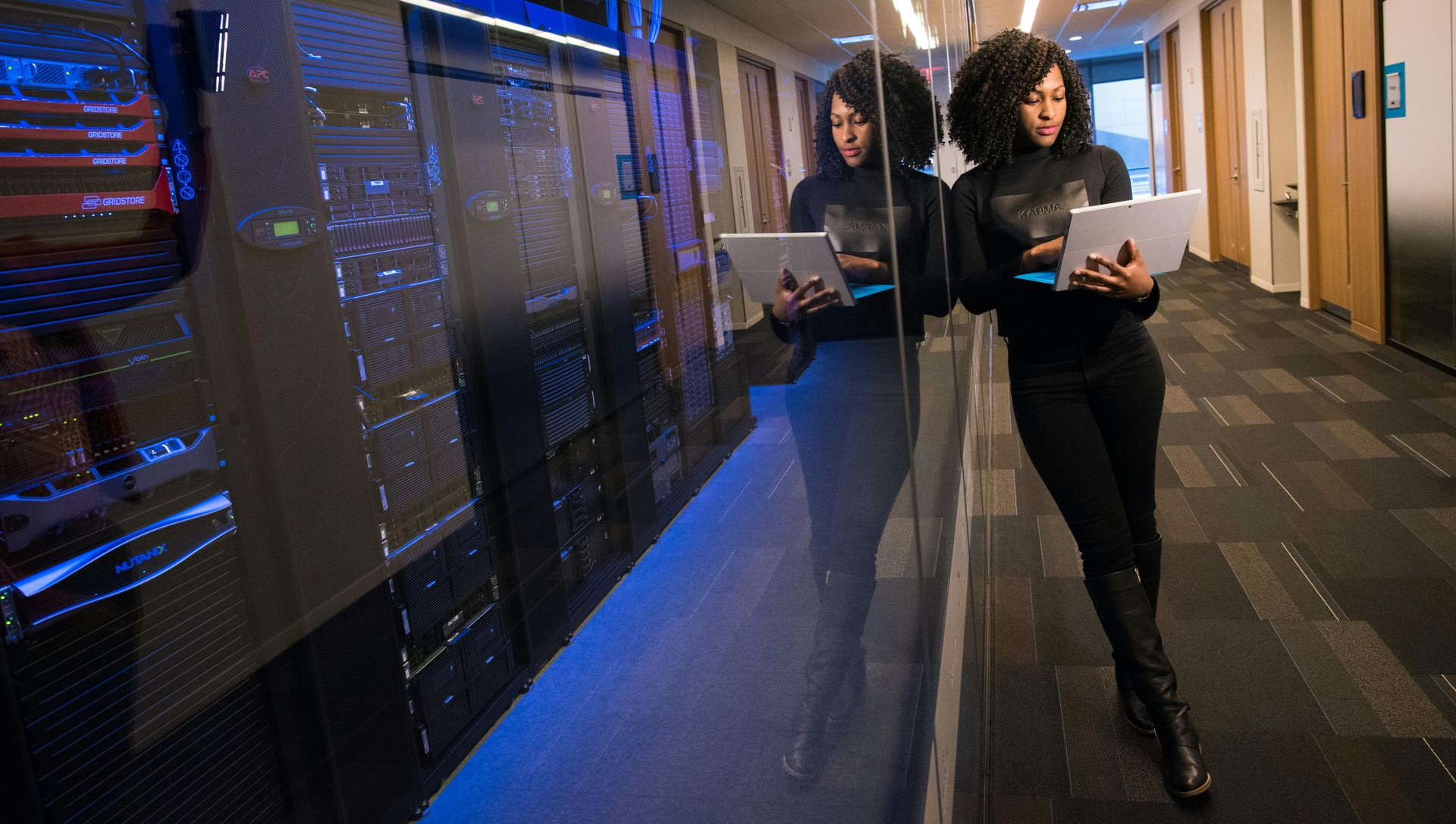
Protecting Raised Floor Systems
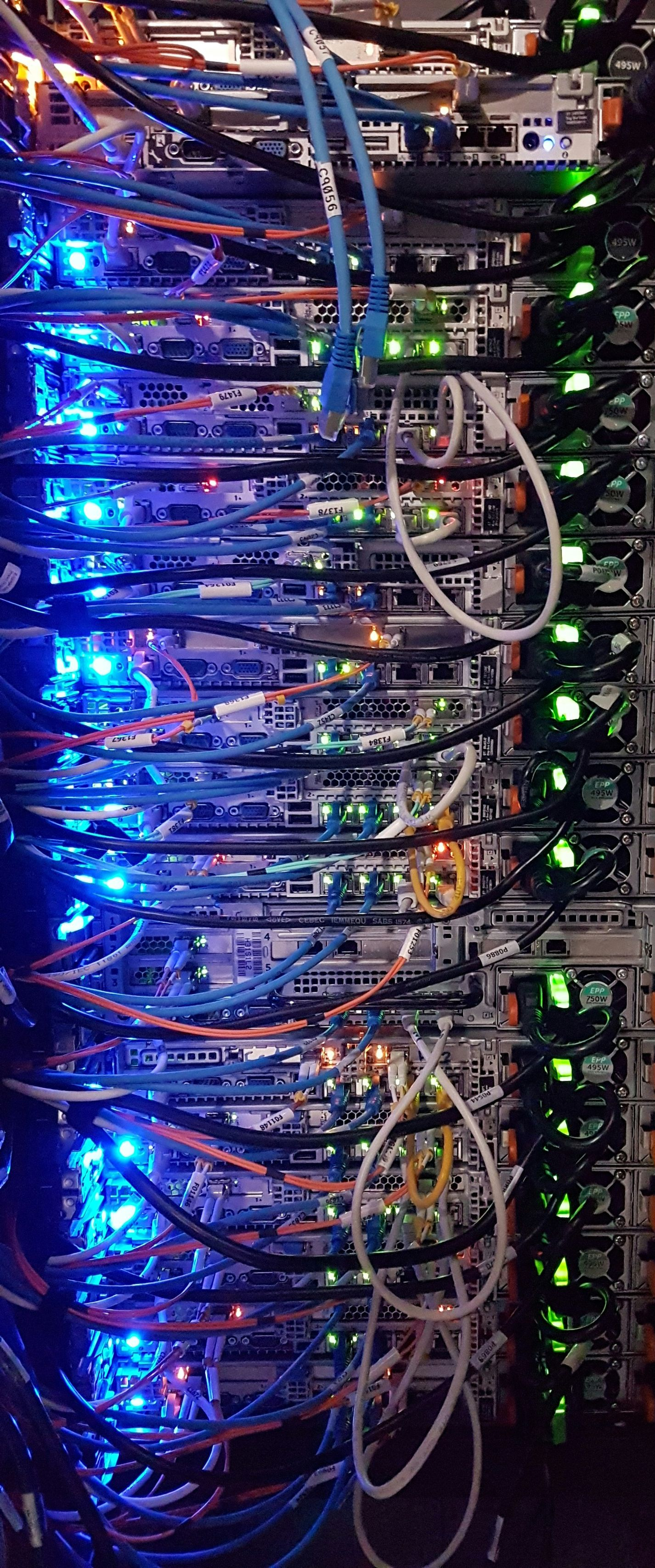
Many data centers use raised floor systems to manage cabling and airflow. These areas often go unnoticed because they are not part of the visible workspace, but they can accumulate significant amounts of dust and debris over time.
If left uncleaned, these spaces can become a source of contamination that circulates through the facility. Dust from beneath the floor can be drawn into equipment through airflow systems, contributing to buildup inside sensitive components.
Professional cleaning services include attention to these hidden areas, ensuring that contamination does not originate from below the surface.
Preventing Static and Contamination Risks
Data centers must also manage the risk of static electricity. Dust and debris can contribute to static buildup, which may affect sensitive electronic equipment.
In addition, certain contaminants can introduce risks that go beyond dust alone. Particles from construction, maintenance work, or outside environments can enter the facility and settle on equipment.
Specialized cleaning methods help reduce these risks by removing contaminants in a controlled and careful manner.
Supporting Maintenance and Inspections
Clean environments make it easier for technicians to perform routine maintenance and inspections. When equipment and surrounding areas are free from dust and debris, it is easier to identify potential issues such as loose connections, wear, or damage.
A clean facility supports better visibility and allows maintenance teams to work more efficiently. This contributes to overall operational reliability and reduces the likelihood of overlooked problems.

The Need for Specialized Cleaning Approaches
Data centers require a different approach to cleaning compared to standard commercial buildings. Harsh chemicals, excessive moisture, or improper techniques can damage equipment or create additional risks.
Professional janitorial teams understand how to clean these environments safely. This includes using appropriate tools, methods, and materials that protect sensitive equipment while effectively removing contaminants.
Why Professional Cleaning Matters
Even in highly controlled environments, dust and debris are unavoidable. Without regular cleaning, these contaminants can gradually impact performance, increase energy costs, and shorten the lifespan of critical systems.
At ABS Facility Solutions, we provide professional cleaning services designed to meet the unique needs of specialized environments such as data centers. Our team focuses on maintaining clean, controlled spaces that support efficient operations and protect valuable equipment.
Data centers are built for precision and reliability. Maintaining that standard requires attention to every detail, including cleanliness. With the right cleaning approach, facilities can operate more efficiently, reduce risk, and ensure that their systems perform at their best.