Why Labs and Hands-On Learning Environments Require Specialized Cleaning

April 23, 2026
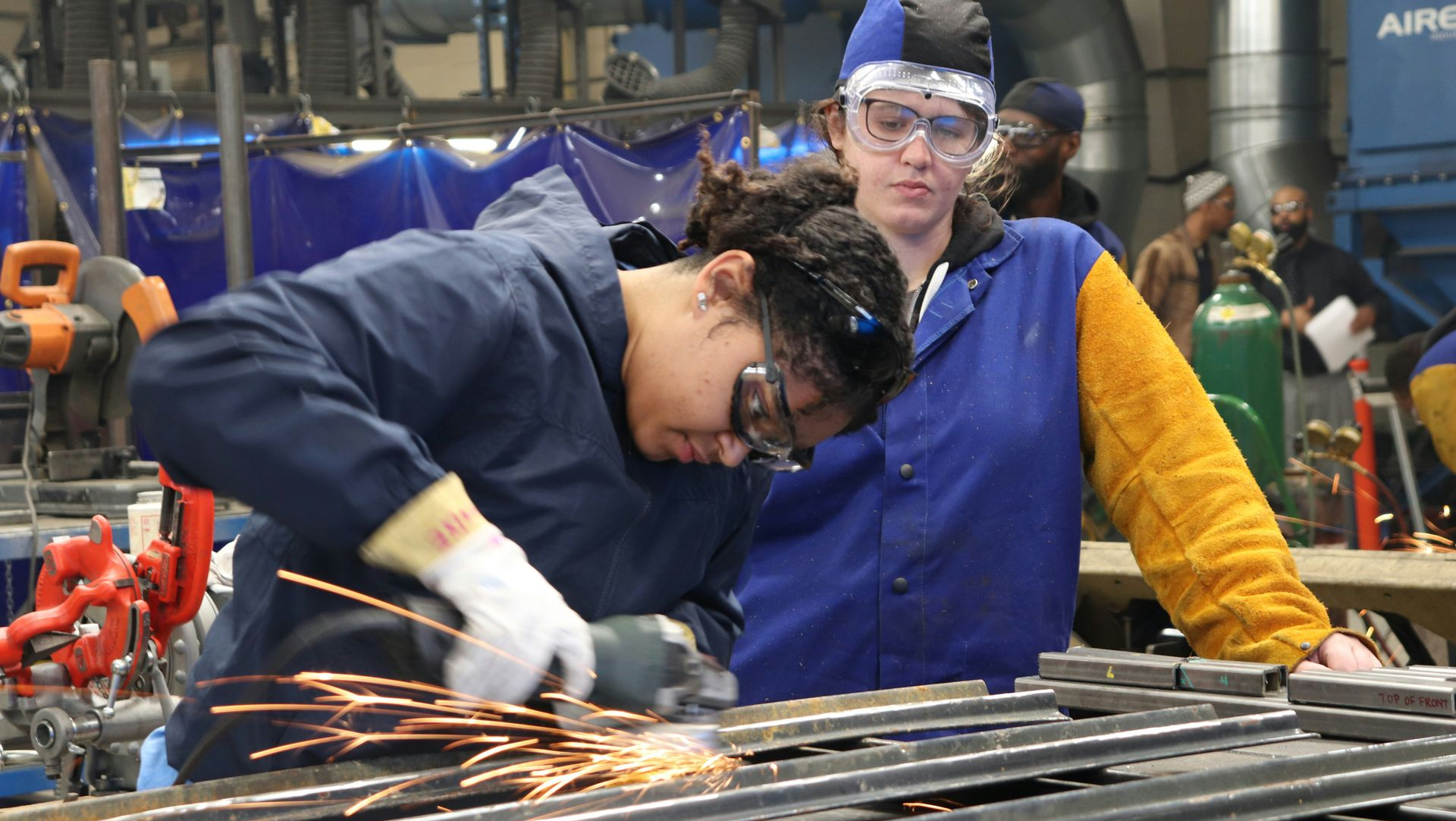
Two workers in safety gear welding metal in a workshop, with bright sparks flying.
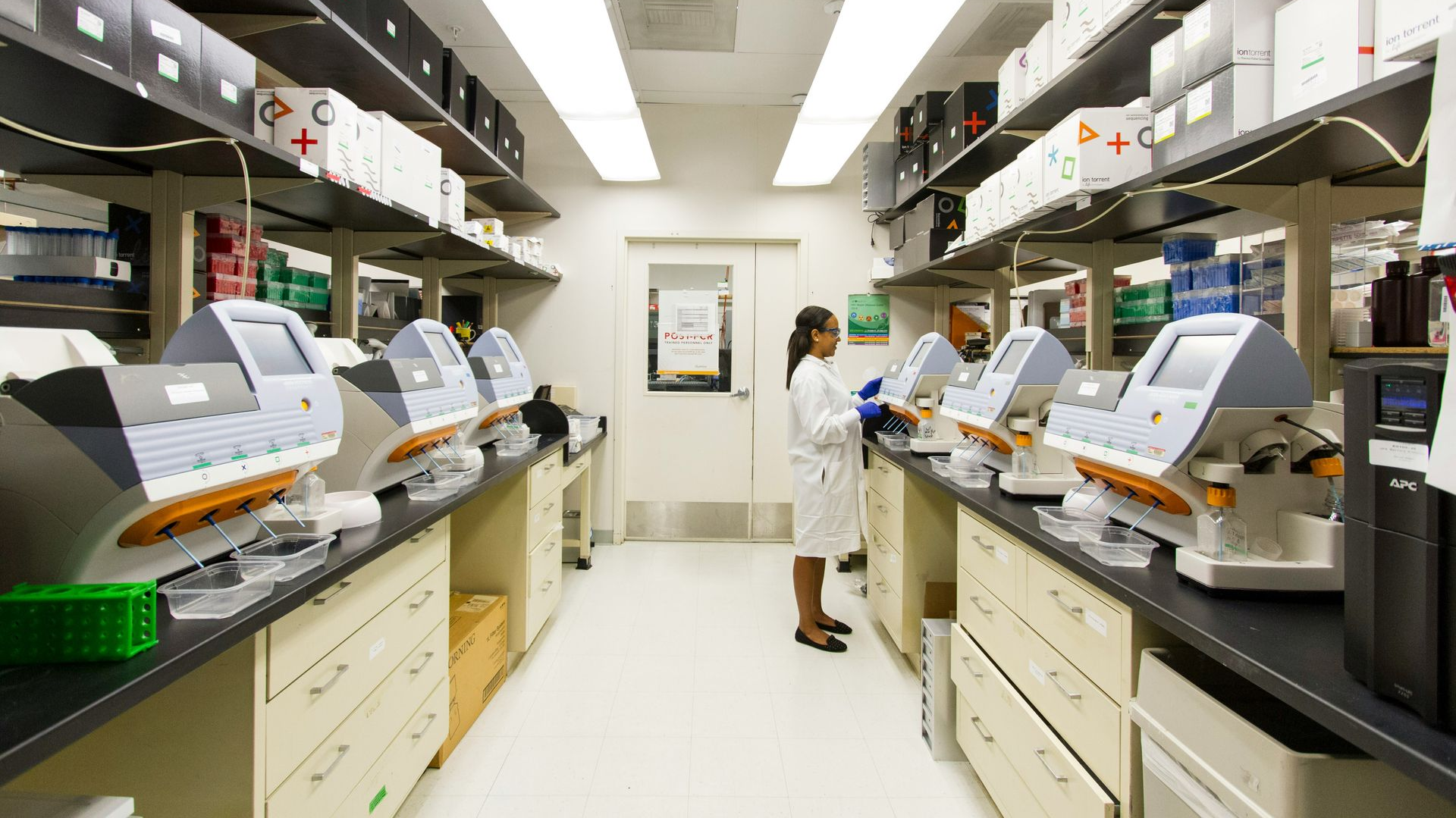
Laboratory with rows of analyzers and a technician in a white coat working at the center.

Equipment Sensitivity and Care

Labs often contain equipment that is essential to instruction and training. This equipment may be sensitive to dust, moisture, or improper cleaning methods.


Specialized cleaning requires:

  • Awareness of equipment placement and function
  • Careful attention to areas around sensitive components
  • Techniques that minimize disruption while maintaining cleanliness


Protecting equipment while maintaining a clean environment is a critical balance.


Safety Considerations

Safety is a central concern in any lab or training facility. Cleanliness directly contributes to a safer environment by reducing potential hazards.


Areas of concern may include:

  • Slippery surfaces caused by spills or residue
  • Accumulation of materials that could affect air quality
  • Obstructed workspaces that limit movement


Maintaining a consistent cleaning routine helps support a safer and more controlled environment for both students and staff.
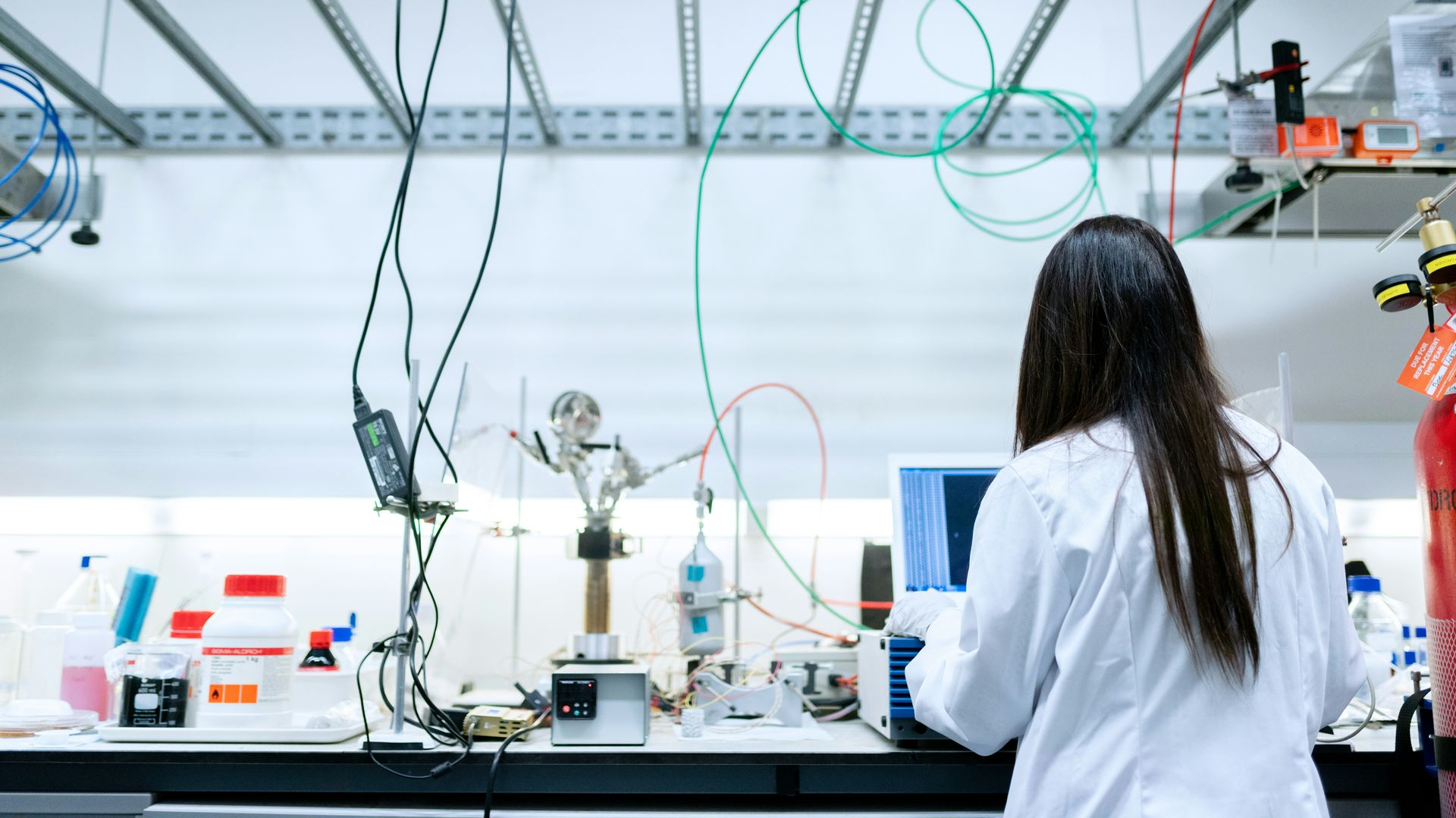
Scientist working at a lab bench with wiring and equipment in a bright research lab

High-Traffic Work Zones

Certain areas within labs and training facilities experience higher levels of use than others. Workstations, shared tools, and demonstration areas are often used repeatedly throughout the day.


These zones require:

  • More frequent cleaning attention
  • Targeted approaches based on usage patterns
  • Ongoing monitoring to maintain consistency


Without focused care, these high-use areas can quickly become sources of buildup and inefficiency.
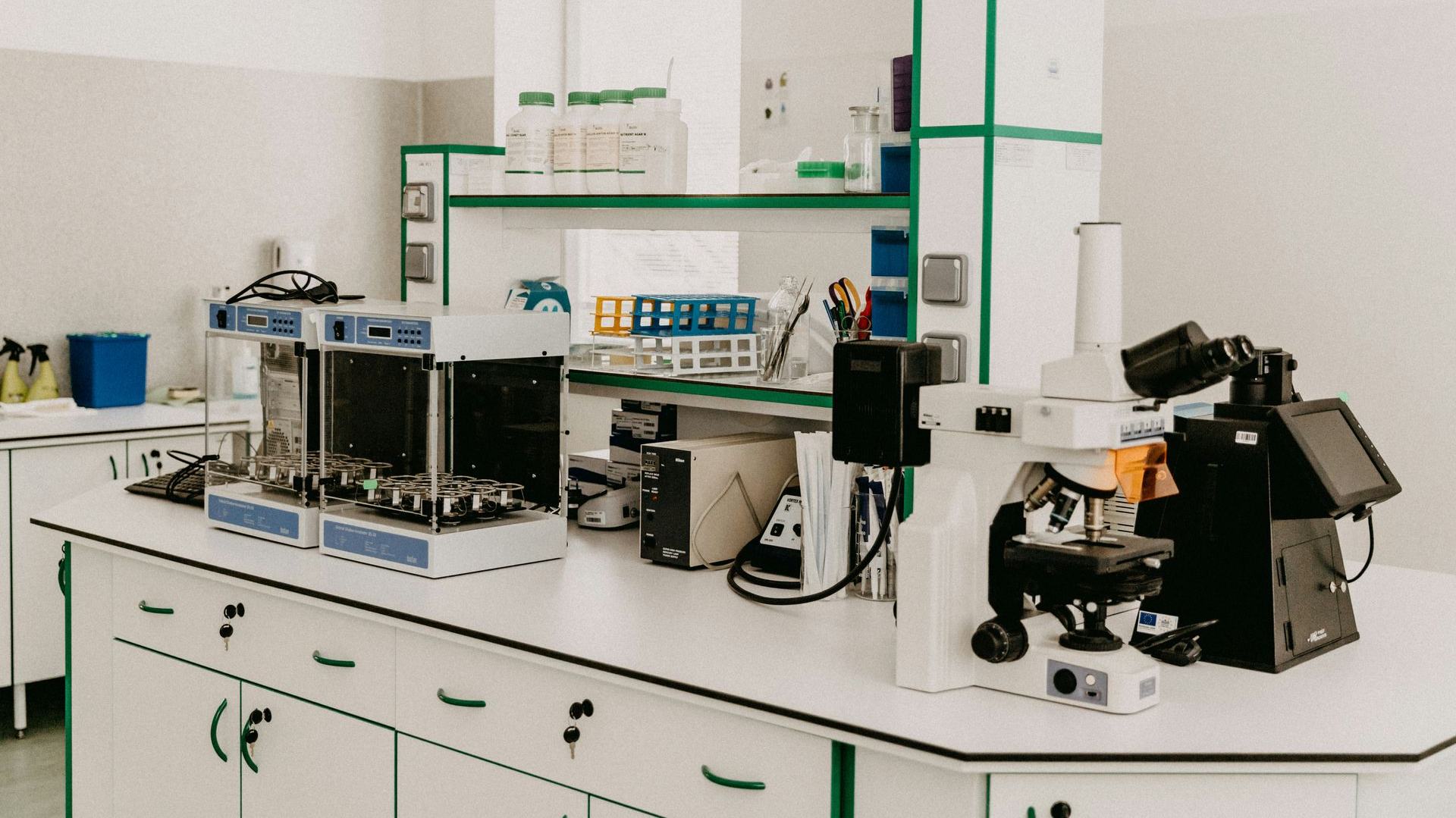
Laboratory bench with microscopes and testing equipment in a clean, white lab.

The Importance of Consistency

In environments where daily activity introduces new materials and debris, consistency is key. Irregular cleaning can lead to uneven conditions, where some areas are maintained while others are overlooked.


A structured cleaning plan helps ensure:

  • All areas receive appropriate attention
  • Cleaning standards remain consistent over time
  • The facility maintains a predictable level of cleanliness


Consistency supports both functionality and safety.


Supporting the Learning Environment

Cleanliness in labs and hands-on spaces is not only about maintenance. It also contributes to the overall learning experience. A well-maintained environment allows students to focus on instruction without unnecessary distractions.


When spaces are consistently clean:

  • Work areas are easier to use
  • Equipment is more accessible
  • The environment feels organized and controlled


This supports a more effective and productive learning process.
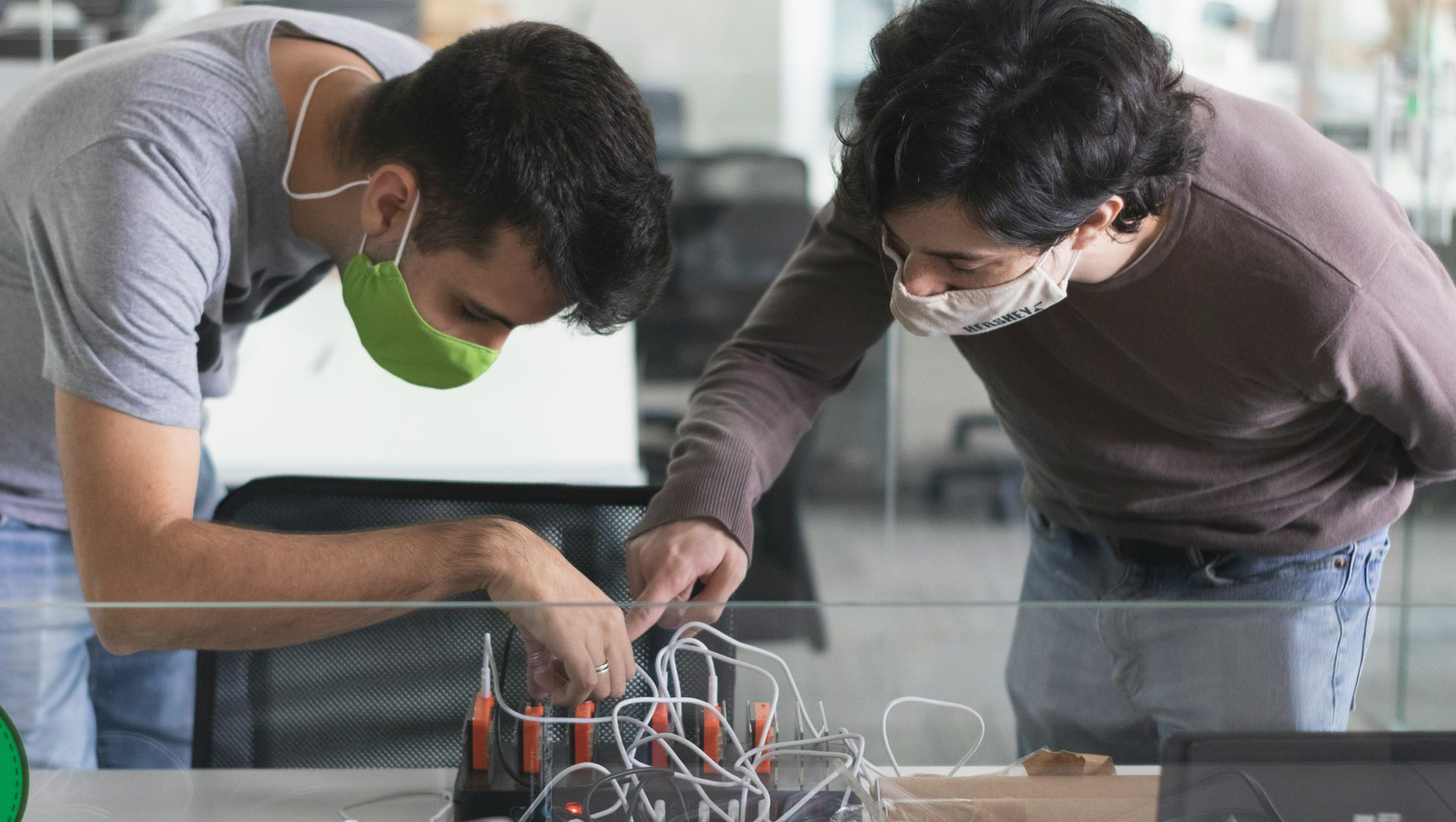
Two people lean over a tabletop electronics project, inspecting wires and components in a workshop.

A Specialized Approach to Facility Cleaning

Labs and hands-on learning environments require a cleaning approach that reflects their unique demands. Standard methods are often not sufficient to address the variety of materials, equipment, and usage patterns present.


ABS Facility Solutions provides professional cleaning services tailored to specialized environments, including labs and training facilities. With a focus on consistency, detail, and adaptability, ABS Facility Solutions helps maintain spaces that support both safety and performance.


If your facility includes hands-on learning environments that require a higher standard of care, contact ABS Facility Solutions to develop a cleaning plan designed for your specific needs.

Gloved hand placing a test tube in a lab rack with other sample tubes
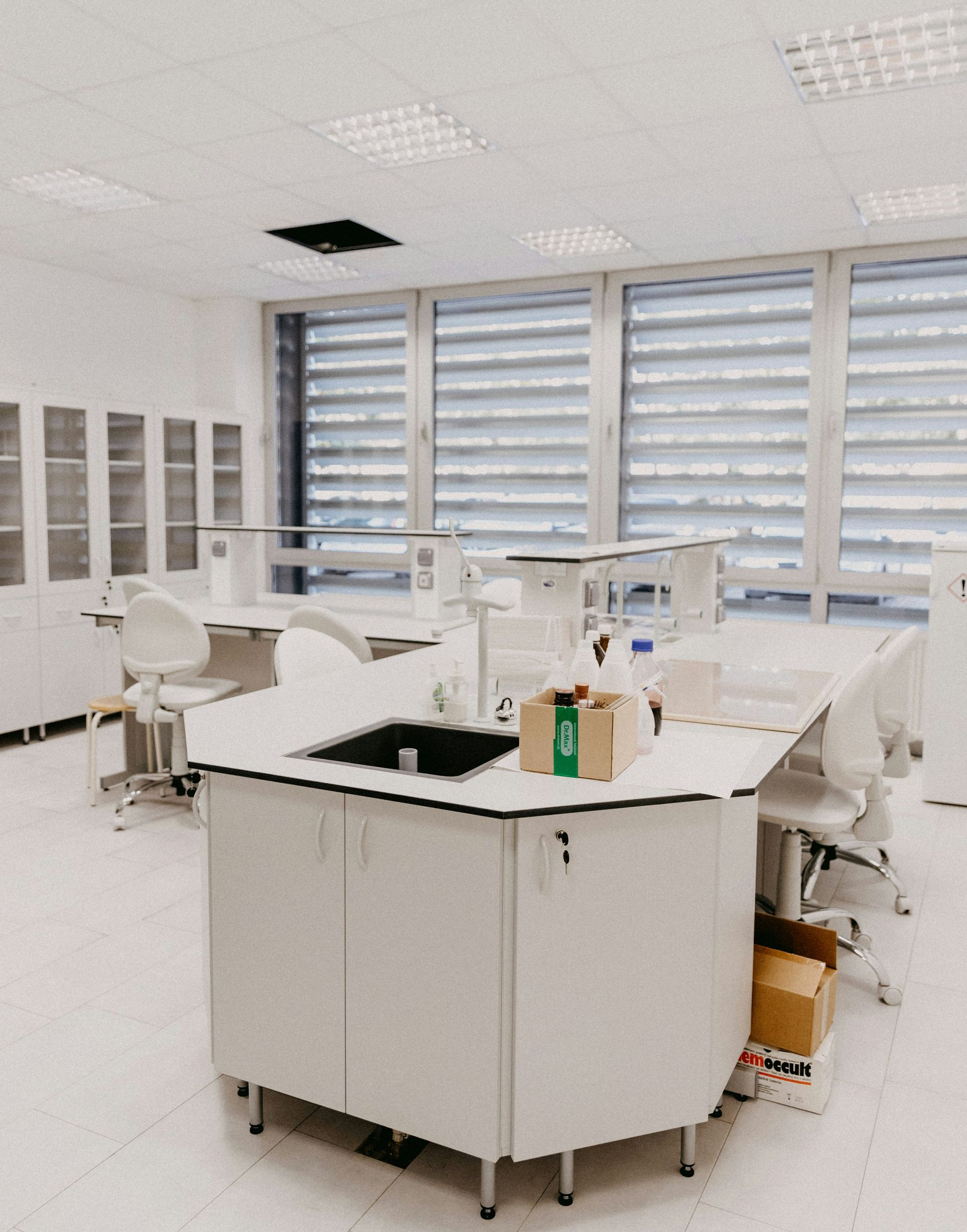
Bright laboratory with white worktables, stools, cabinets, and large windows.
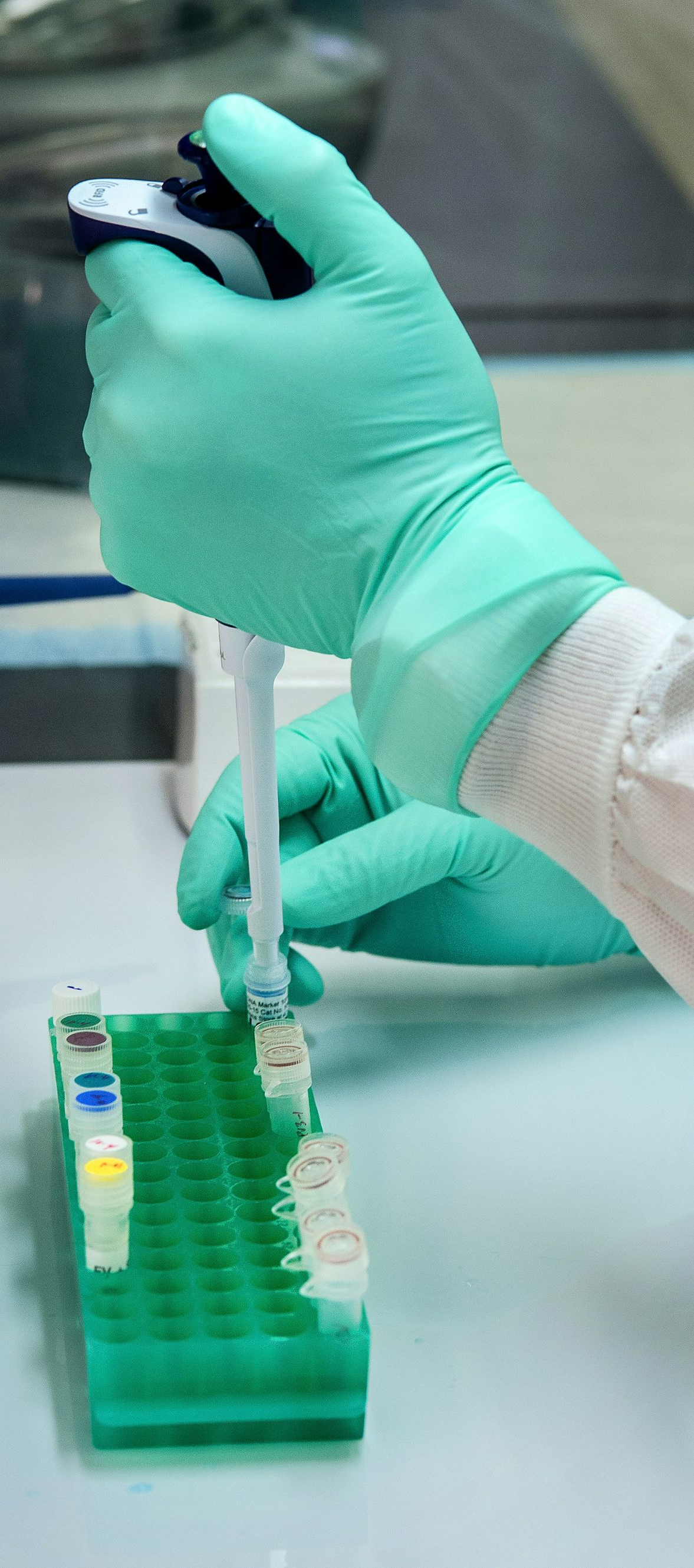
Gloved hands pipetting liquid into a green lab microplate in a laboratory
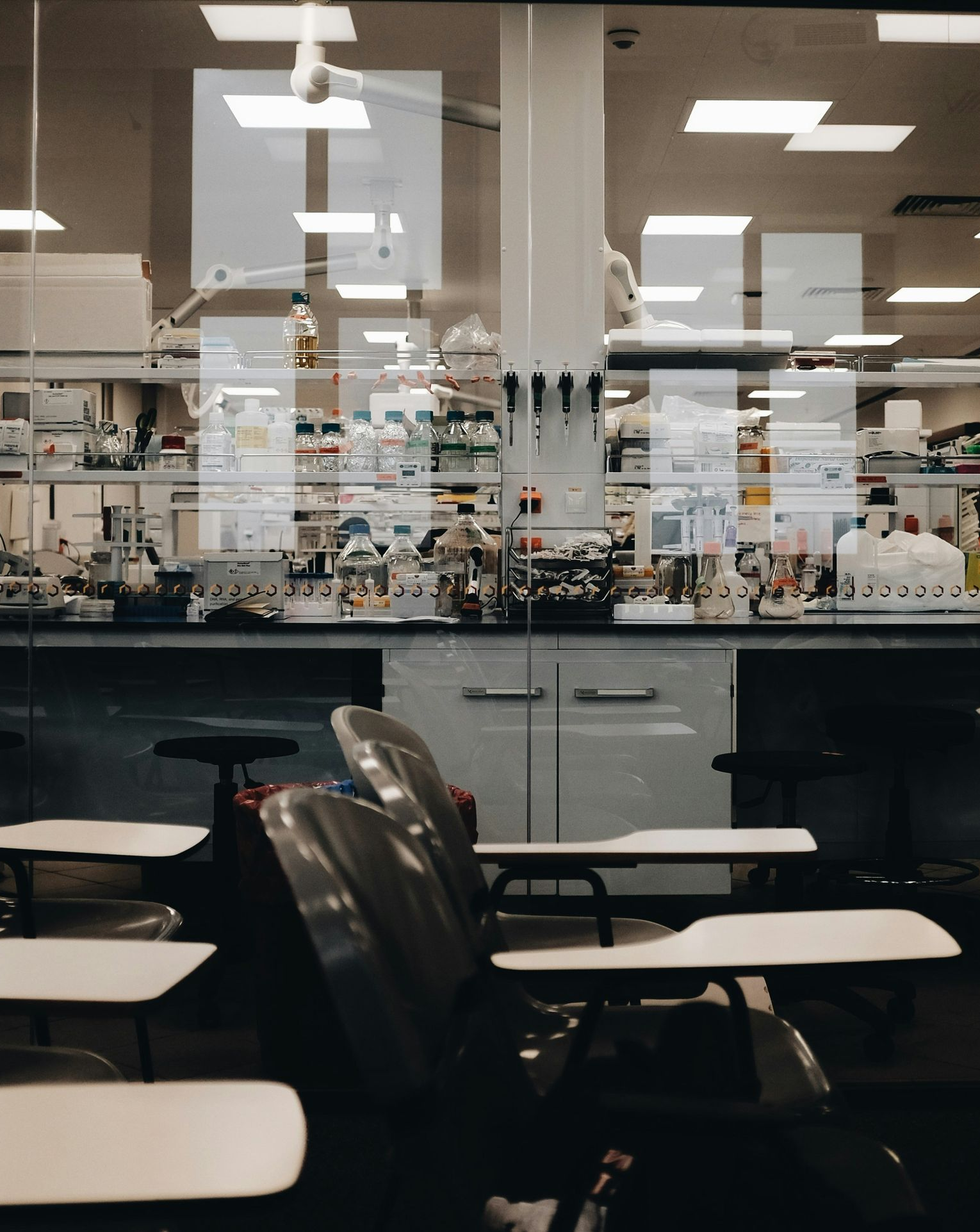
Empty classroom or lab with rows of desks and chairs, seen through a glass wall under bright ceiling lights
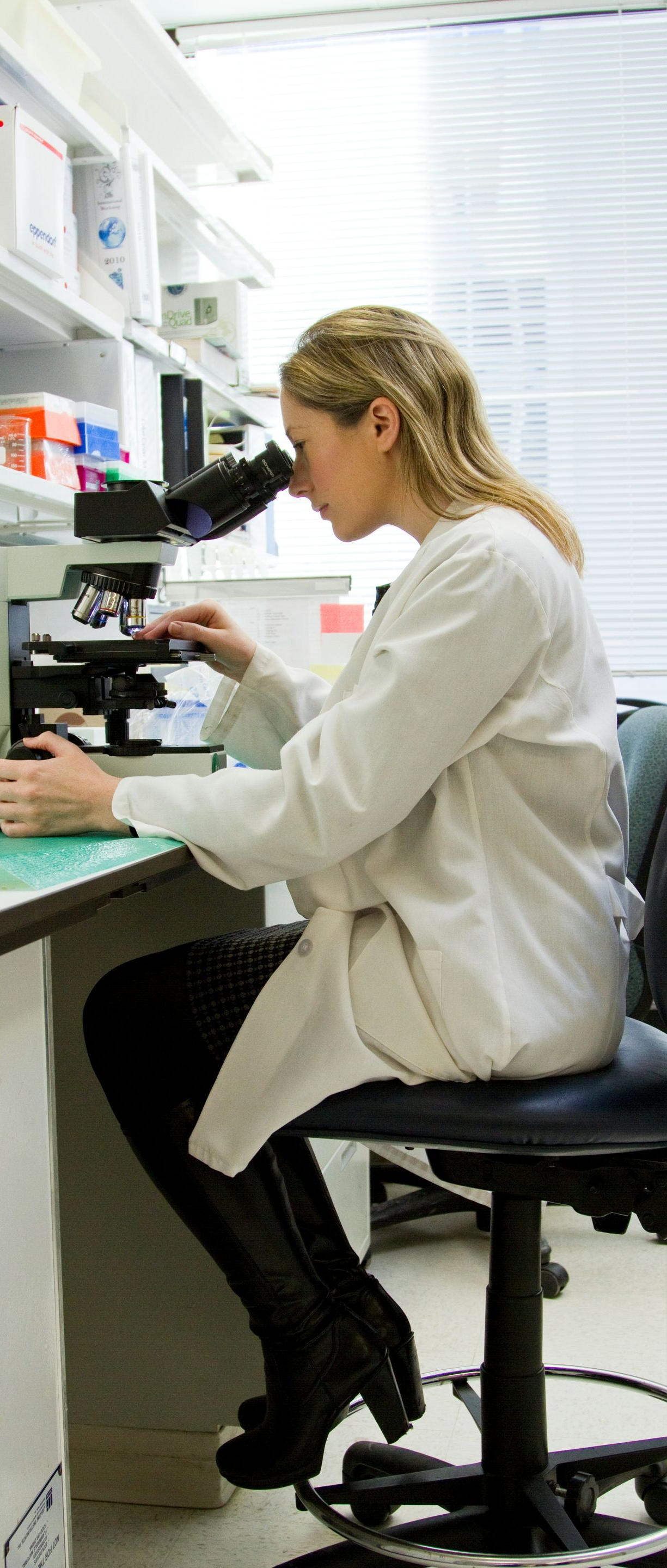
Scientist using a microscope at a lab bench with shelves of supplies behind her
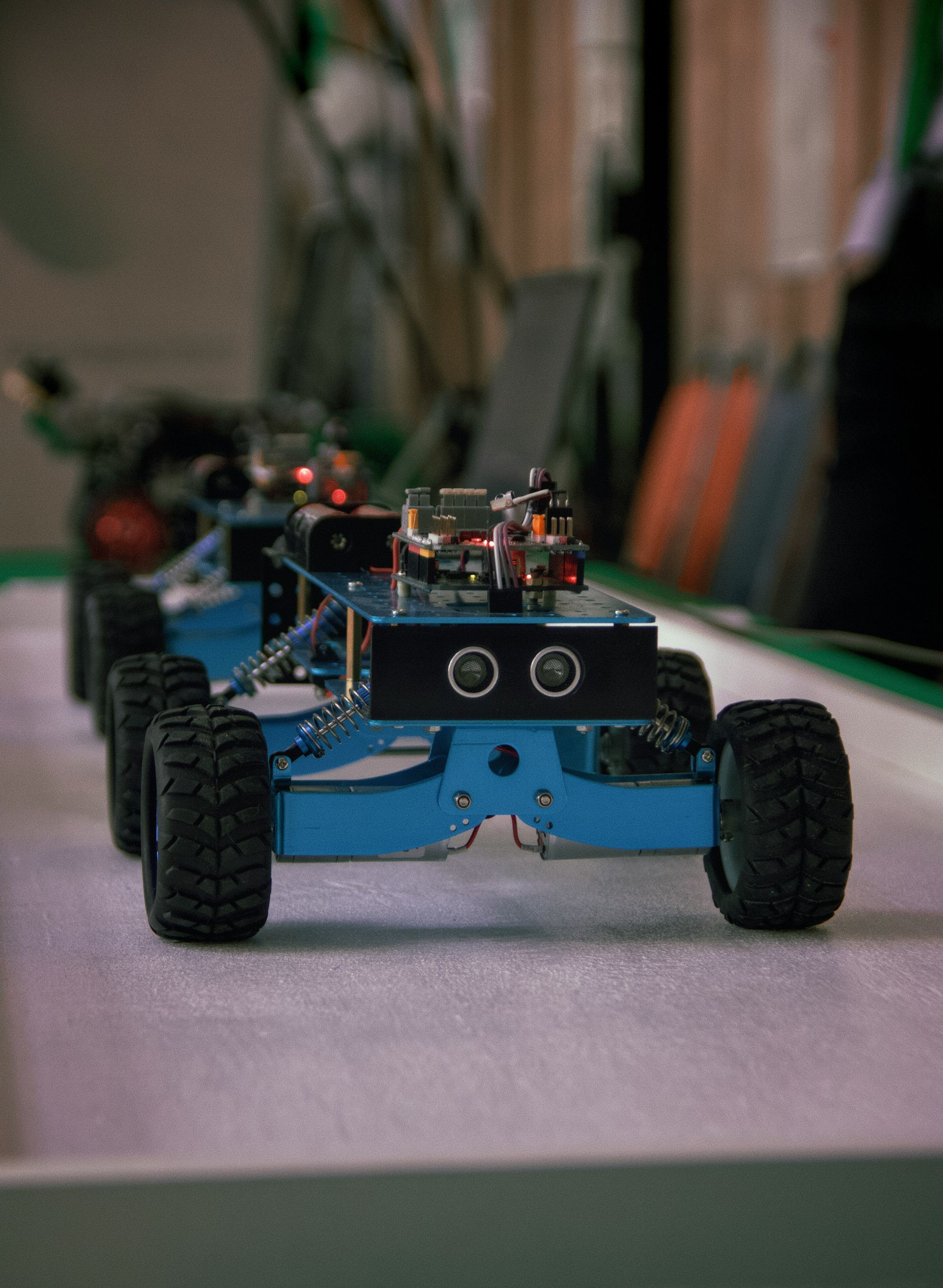
Blue wheeled robot car with exposed electronics on a tabletop, seen from the front.
April 15, 2026
Maintaining a clean manufacturing facility is more than a routine task — it’s a critical part of operational efficiency, equipment performance, and workplace safety . Many plants focus on machinery and production processes, but industrial cleaning standards are often overlooked, especially in areas that directly affect productivity. 1. Hidden Areas That Impact Manufacturing Operations In manufacturing environments, cleaning goes far beyond visible surfaces. Dust, residue, and industrial buildup accumulate in areas that are easy to miss but essential for safe operations. Commonly overlooked areas include: Equipment bases and undersides Overhead structures and supports Ventilation systems and ducts Corners, edges, and low‑visibility zones Neglecting these areas can lead to contamination, equipment strain, and long‑term operational issues.
April 8, 2026
Event venues are designed to host large gatherings, celebrations, and professional functions. From weddings and conferences to concerts and corporate events, these spaces must accommodate high volumes of people in short periods of time. While the focus is often on logistics, entertainment, and guest experience, one critical factor operates behind the scenes: cleaning. Unlike traditional commercial spaces, event venues experience rapid cycles of use. A room may host hundreds of guests one evening and need to be fully reset for a completely different event the next day. Without a structured cleaning plan, it becomes difficult to maintain consistency, meet expectations, and ensure a safe environment for guests and staff.  The Unique Demands of Event Spaces Event venues face cleaning challenges that differ from standard offices or retail environments. High foot traffic, food and beverage service, and frequent setup changes all contribute to increased wear on the space. Spills, trash accumulation, and restroom usage can escalate quickly during events. In addition, venues must maintain a polished appearance at all times, as cleanliness directly affects guest perception. Because events often run on tight schedules, cleaning must be efficient, thorough, and well-coordinated.
April 2, 2026
Distribution and fulfillment centers are designed for speed, accuracy, and consistent output. Every process within these facilities is optimized to move products quickly and reliably. While technology and logistics planning often receive the most attention, cleanliness plays a critical role in supporting daily operations. A clean facility is not simply a matter of appearance. It directly affects how efficiently a distribution center functions. Clean Floors Support Movement and Safety Fulfillment centers depend on constant movement . Employees, forklifts, pallet jacks, and automated systems all rely on stable and predictable surfaces. When floors accumulate dust, debris, or residue, movement can become less efficient. Common issues caused by unclean floors include: Reduced traction for equipment Increased risk of slips and trips Obstructed pathways that slow operations Even minor disruptions can have a measurable impact in high-volume environments. Clean floors help maintain consistent movement and reduce avoidable delays.