Why Self-Storage Facilities Still Require Professional Cleaning

May 6, 2026
Hands locking a silver padlock on a blue rolling garage door
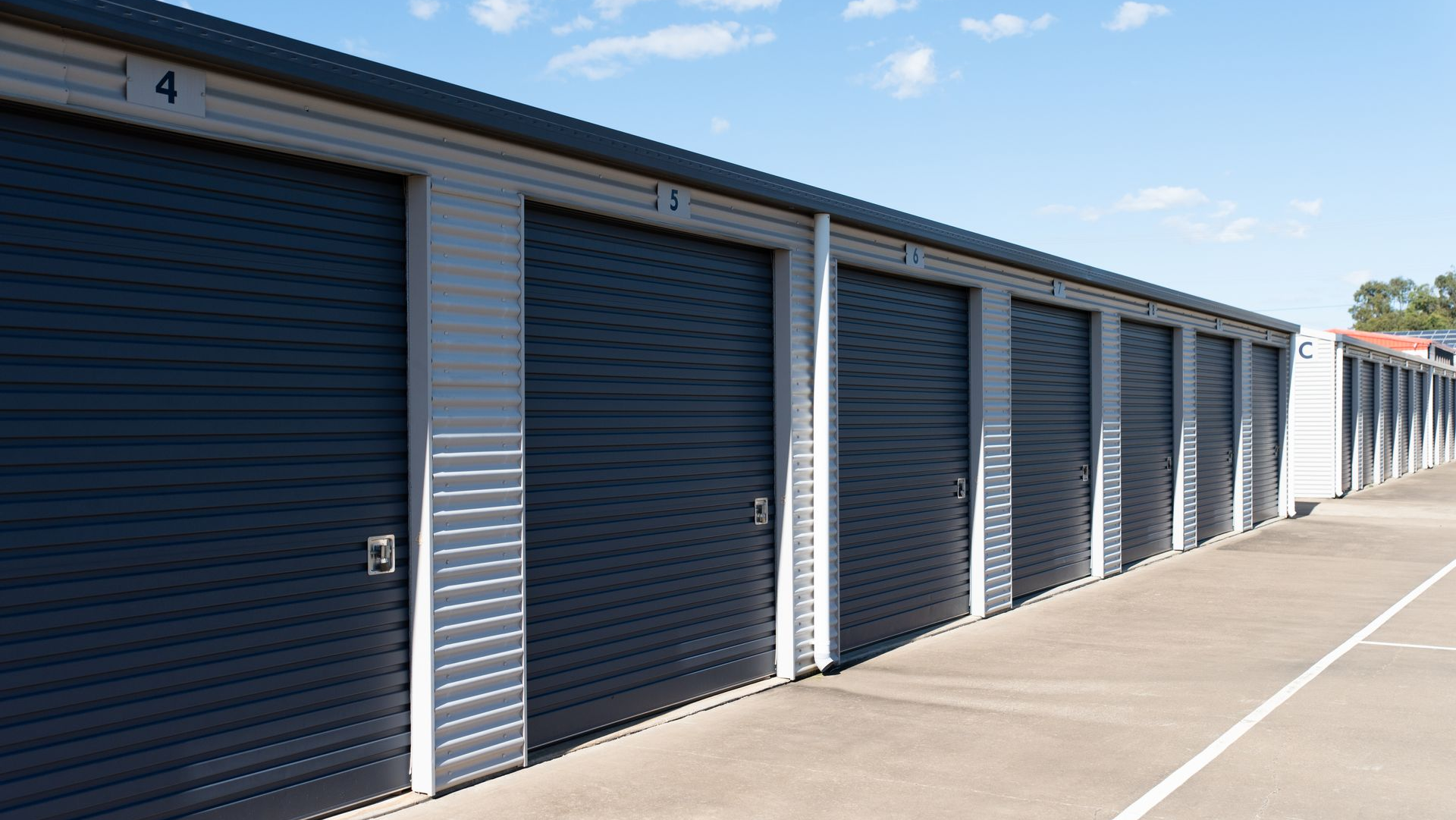
Row of gray storage unit doors along a sunny concrete driveway

Common Areas and High-Traffic Zones

While individual units may not see constant use, common areas within a storage facility experience more frequent activity. Hallways, loading zones, entrances, and administrative offices all contribute to the overall experience of the property.


These areas can accumulate dirt from foot traffic, vehicle movement, and outdoor elements. Over time, this can lead to a worn or neglected appearance if not properly maintained. Regular cleaning of these shared spaces helps create a more organized and professional environment for both tenants and staff.


Environmental Factors and Long-Term Buildup

Self-storage facilities are often exposed to environmental conditions that contribute to gradual buildup. Dust, pollen, and other airborne particles can enter units and common areas, especially in facilities with open access points or frequent door movement.


Moisture can also play a role, particularly in regions with varying weather conditions. Without proper cleaning, these factors can lead to persistent issues that affect both the condition of the facility and the items stored within it.


Addressing these conditions requires more than occasional attention. It requires a consistent approach that accounts for how the environment interacts with the space.
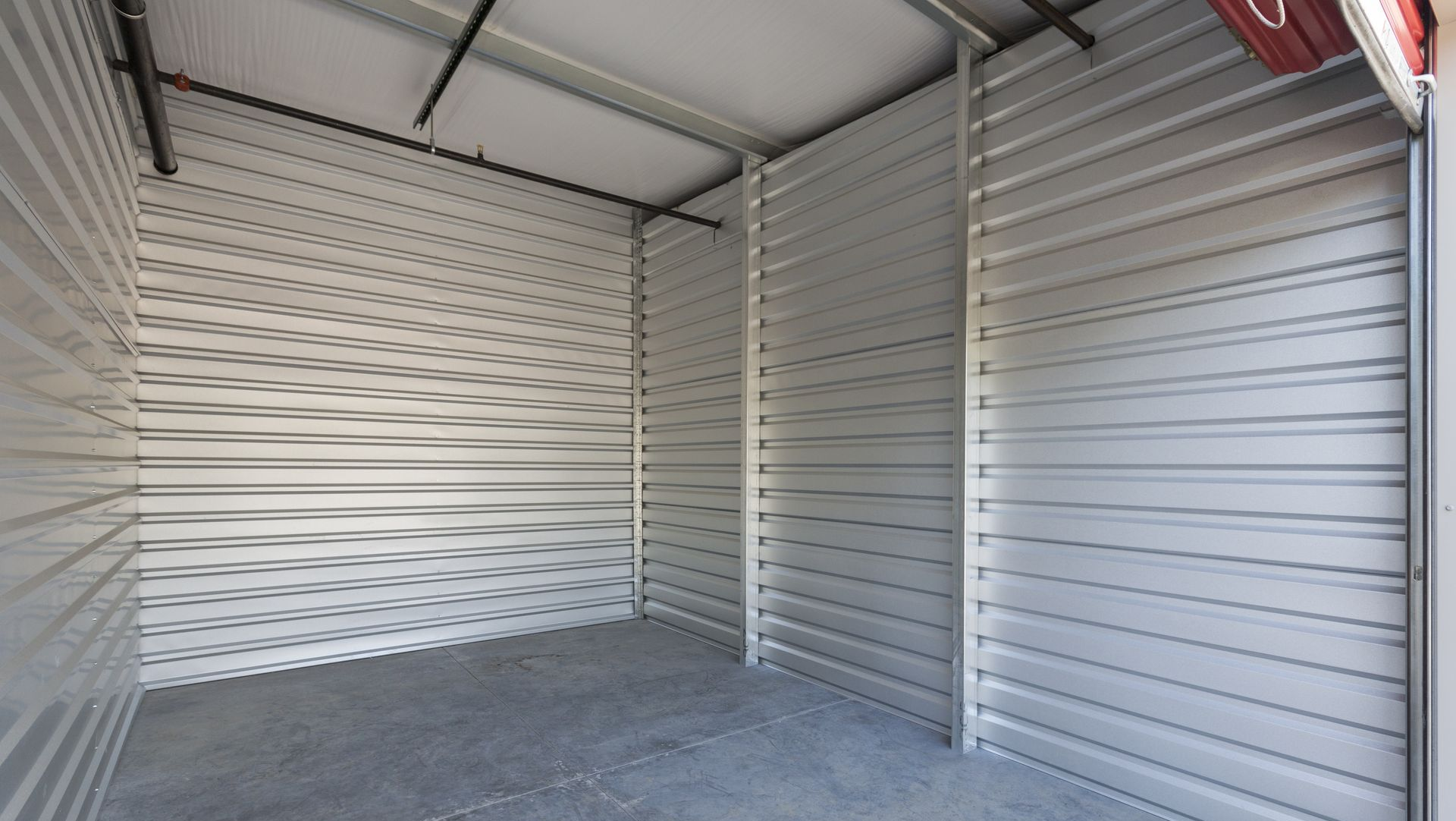
Empty metal storage unit with white corrugated walls and concrete floor

Supporting Tenant Confidence

Cleanliness is closely tied to how tenants perceive a storage facility. Even though units are primarily used for storage, customers still expect a space that feels secure and well maintained.


A clean facility communicates attention to detail and professionalism. It reassures tenants that their belongings are being stored in a controlled and cared-for environment. This perception can influence both initial decisions and long-term satisfaction.


Maintaining a consistent standard of cleanliness supports tenant confidence and contributes to a positive overall experience.
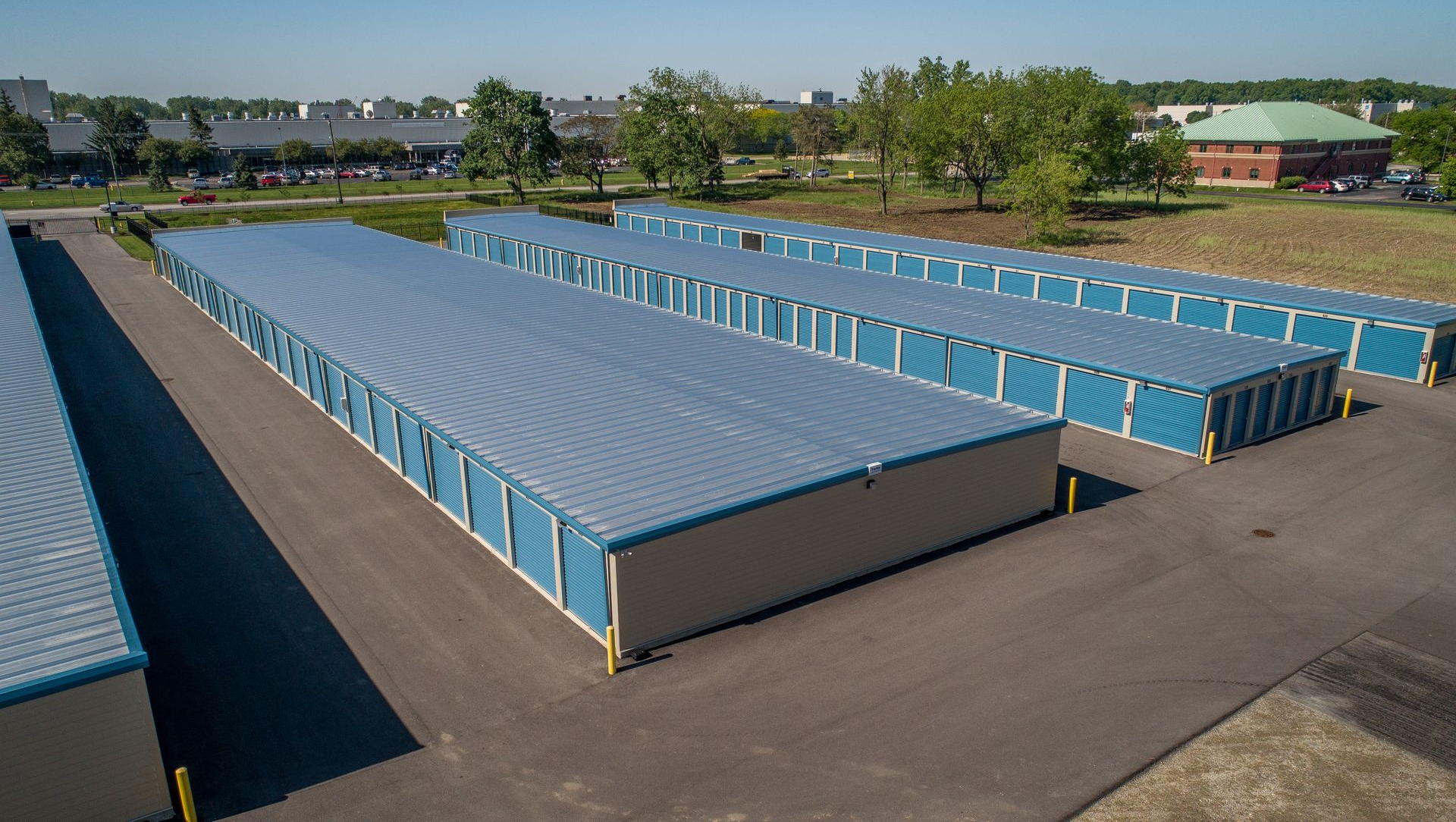
Aerial view of rows of blue storage units in a paved lot beside a grassy area and trees.

The Role of Professional Cleaning Services

Self-storage facilities benefit from a structured cleaning approach that goes beyond basic maintenance. Professional cleaning services provide consistency, efficiency, and attention to detail that can be difficult to achieve with limited in-house resources.


ABS Facility Solutions offers commercial cleaning services designed to address the specific needs of different environments, including storage facilities. By focusing on both individual units and shared spaces, the goal is to maintain a clean, functional property that supports both operations and tenant expectations.


A More Complete Approach to Facility Maintenance

Self-storage facilities may not require daily cleaning in the same way as other commercial spaces, but they still benefit from regular, professional attention. Turnover preparation, common area maintenance, and environmental management all play a role in maintaining the property.


For facility managers looking to improve the condition and presentation of their space, professional cleaning is a practical and effective solution. Contact ABS Facility Solutions to develop a cleaning plan that supports the long-term performance and appearance of your self-storage facility.
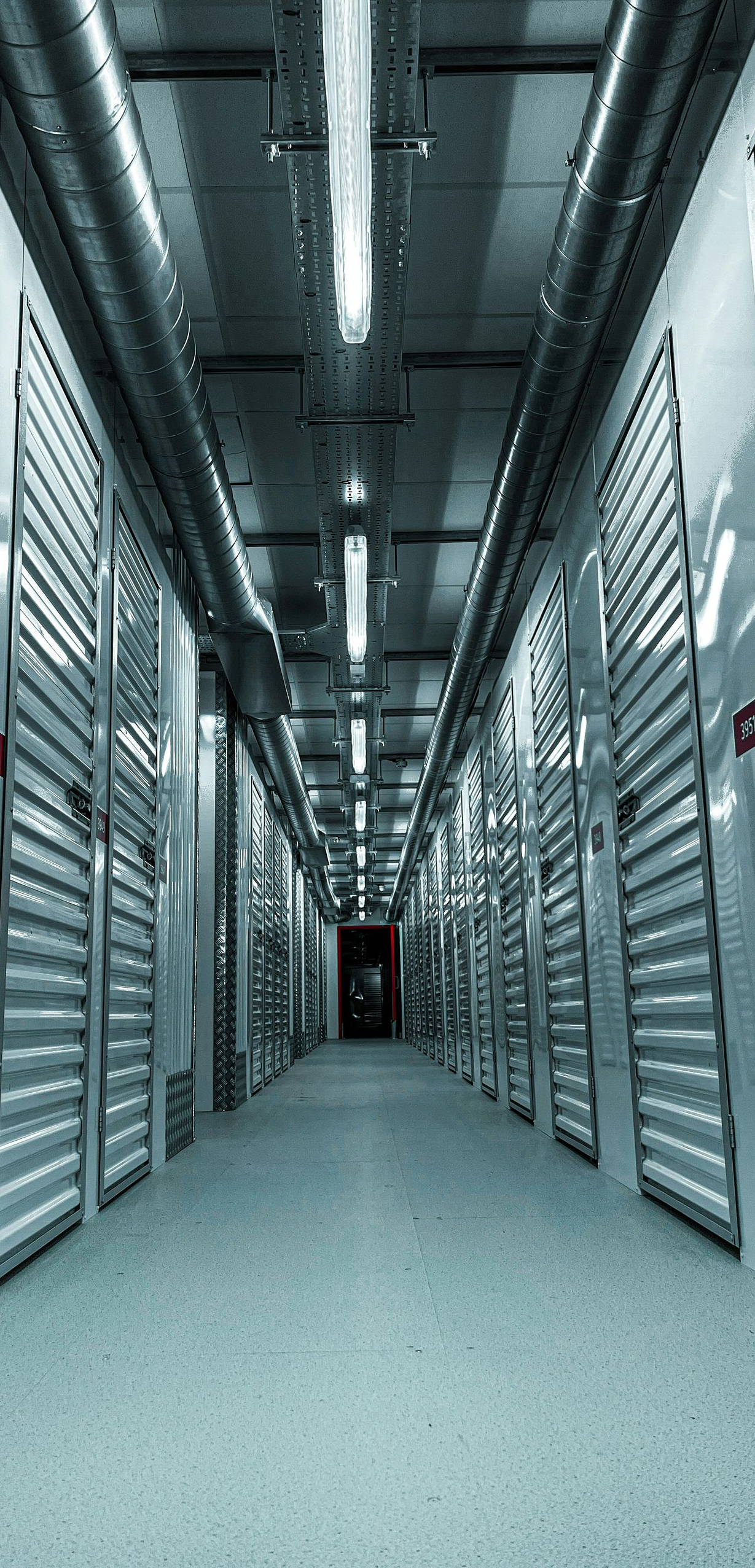
Long, empty storage corridor with metal lockers and overhead fluorescent lights
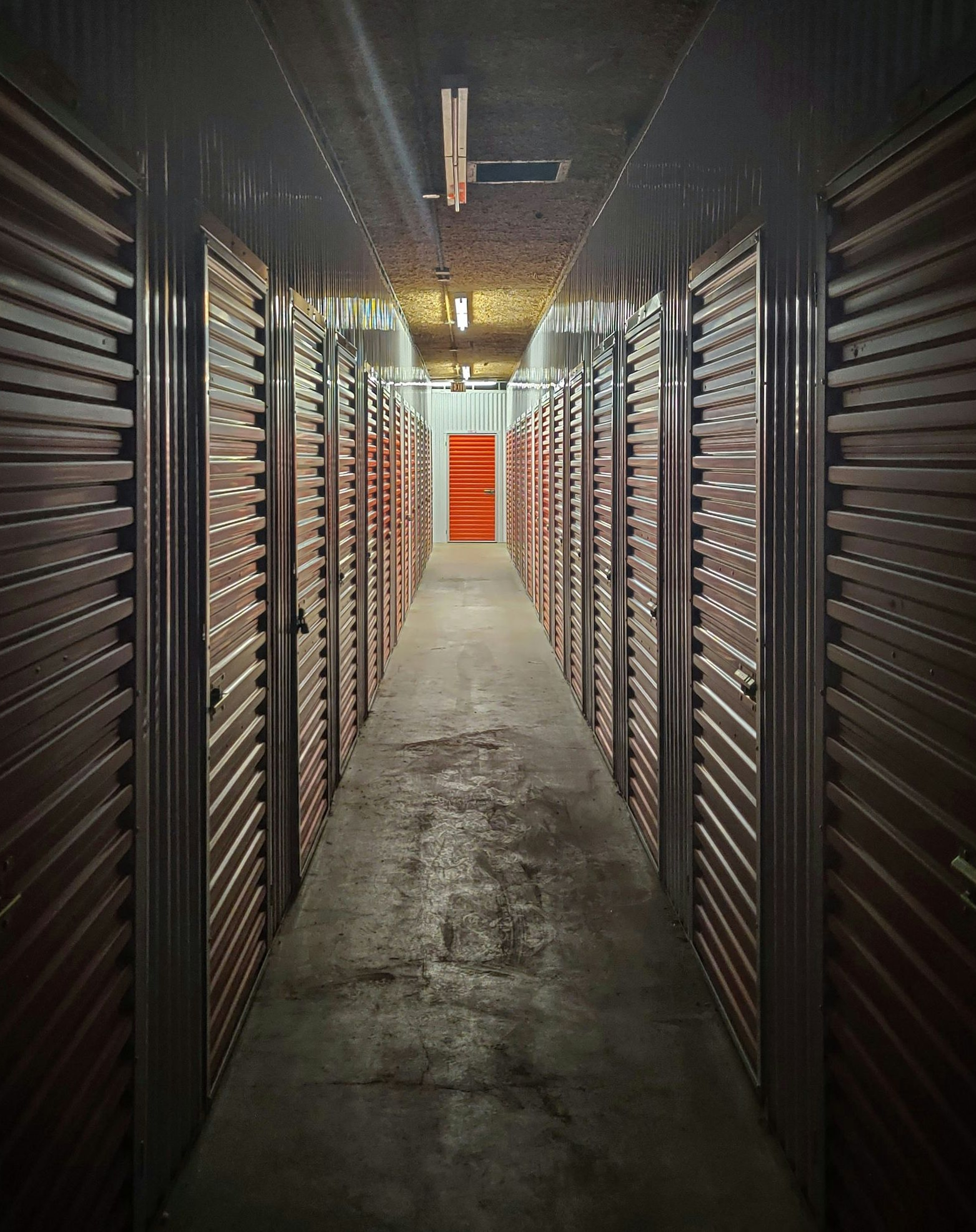
Dim storage unit hallway with brown roll-up doors and a bright orange door at the far end.
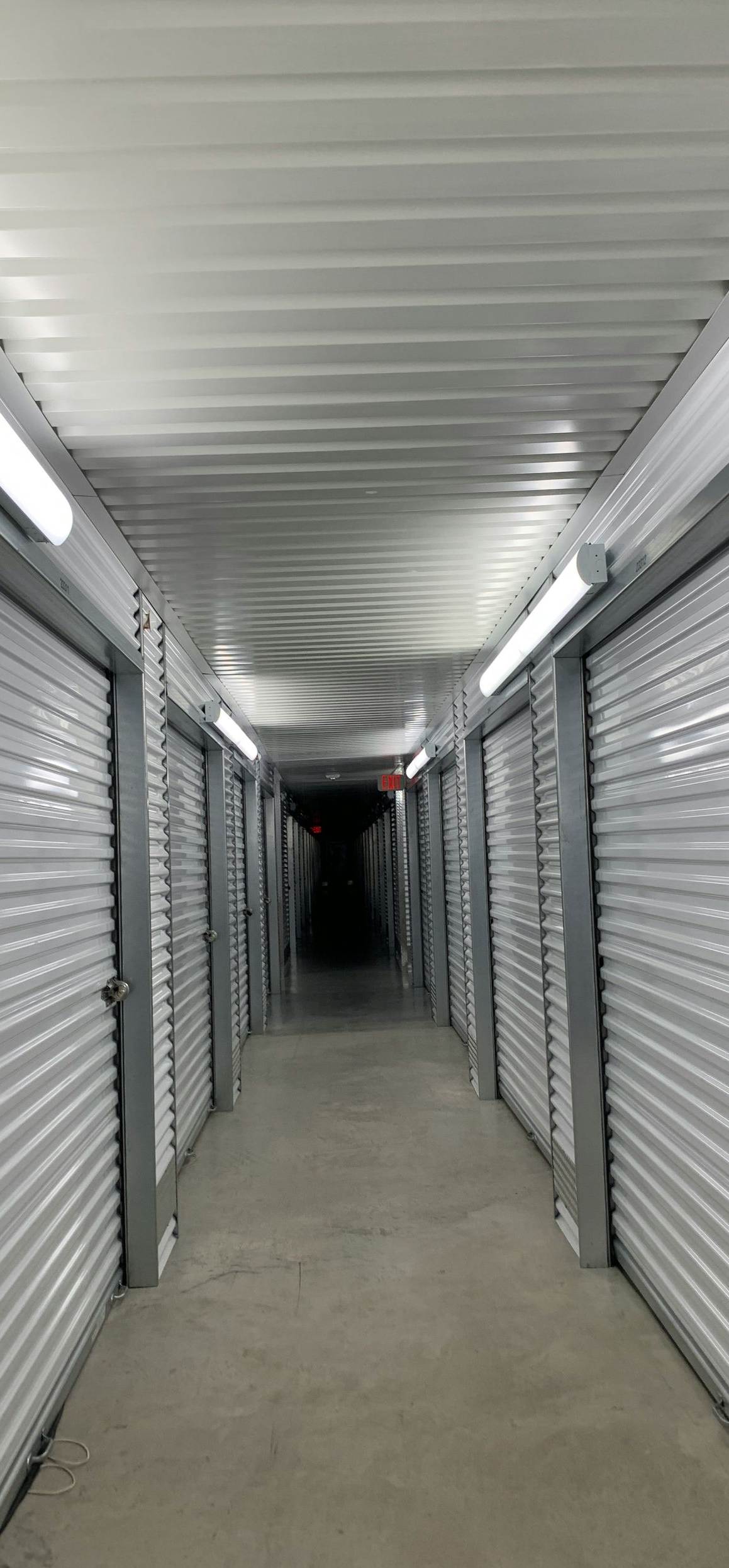
Empty indoor storage unit hallway with white roll-up doors and fluorescent lights
Person crouching in a dim hallway lined with orange storage unit doors
Shelving units stocked with folded clothing and fabric bolts in a store warehouse
May 2, 2026
Co-working spaces have become a prominent part of the modern workplace. Designed for flexibility and shared use, these environments bring together individuals and businesses under one roof. While this model offers clear advantages in collaboration and efficiency, it also creates unique challenges when it comes to maintaining cleanliness.  Unlike traditional office settings, co-working spaces operate with constant movement, varied usage patterns, and shared responsibility for common areas. As a result, they require a more adaptive and strategic approach to cleaning. A Constantly Changing Environment One of the defining characteristics of co-working spaces is their dynamic nature. Occupants may change daily, and usage levels can fluctuate throughout the week. This creates conditions where: Workstations are used by different individuals over short periods Common areas experience continuous traffic Cleaning needs shift based on occupancy levels Because there is no fixed routine for how the space is used, cleaning strategies must be flexible enough to respond to these variations.
April 23, 2026
Labs and hands-on learning environments present a unique set of challenges that go far beyond standard classroom cleaning. From technical training facilities to educational labs and vocational schools, these spaces are designed for active use. Students and instructors engage directly with materials, equipment, and processes that can leave behind residue, debris, and contaminants. Because of this, cleaning in these environments must be approached with a higher level of precision, consistency, and understanding. A Different Type of Daily Use Unlike traditional classrooms, labs and training environments are built for interaction. Surfaces are used for experiments, demonstrations, and practical instruction, which creates a more complex cleaning landscape. These spaces often involve: Frequent handling of tools and equipment Exposure to various materials and substances Continuous movement of people and resources  This level of activity increases the potential for buildup and requires more than routine cleaning practices.
April 15, 2026
Maintaining a clean manufacturing facility is more than a routine task — it’s a critical part of operational efficiency, equipment performance, and workplace safety . Many plants focus on machinery and production processes, but industrial cleaning standards are often overlooked, especially in areas that directly affect productivity. 1. Hidden Areas That Impact Manufacturing Operations In manufacturing environments, cleaning goes far beyond visible surfaces. Dust, residue, and industrial buildup accumulate in areas that are easy to miss but essential for safe operations. Commonly overlooked areas include: Equipment bases and undersides Overhead structures and supports Ventilation systems and ducts Corners, edges, and low‑visibility zones Neglecting these areas can lead to contamination, equipment strain, and long‑term operational issues.