How Janitorial Services Support Fitness Centers and Gyms
Maintaining Healthy Gym Environments
Fitness centers and gyms are designed to promote health, strength, and well-being. Every day, people visit these facilities to exercise, improve their physical fitness, and maintain healthy lifestyles. Because of the heavy traffic and the nature of the activities that take place in these spaces, cleanliness plays a critical role in maintaining a safe and welcoming environment for members.
Professional janitorial services are an essential part of keeping fitness centers sanitary, organized, and comfortable for both members and staff. Without a structured cleaning program, gyms can quickly become environments where bacteria, odors, and maintenance issues begin to accumulate.

High-Traffic Environments Require Consistent Cleaning
Fitness facilities often experience constant traffic throughout the day. Members move from one machine to another, attend group classes, use locker rooms, and pass through common areas such as reception desks and hallways. Each of these spaces can become a collection point for dirt, sweat, and bacteria.
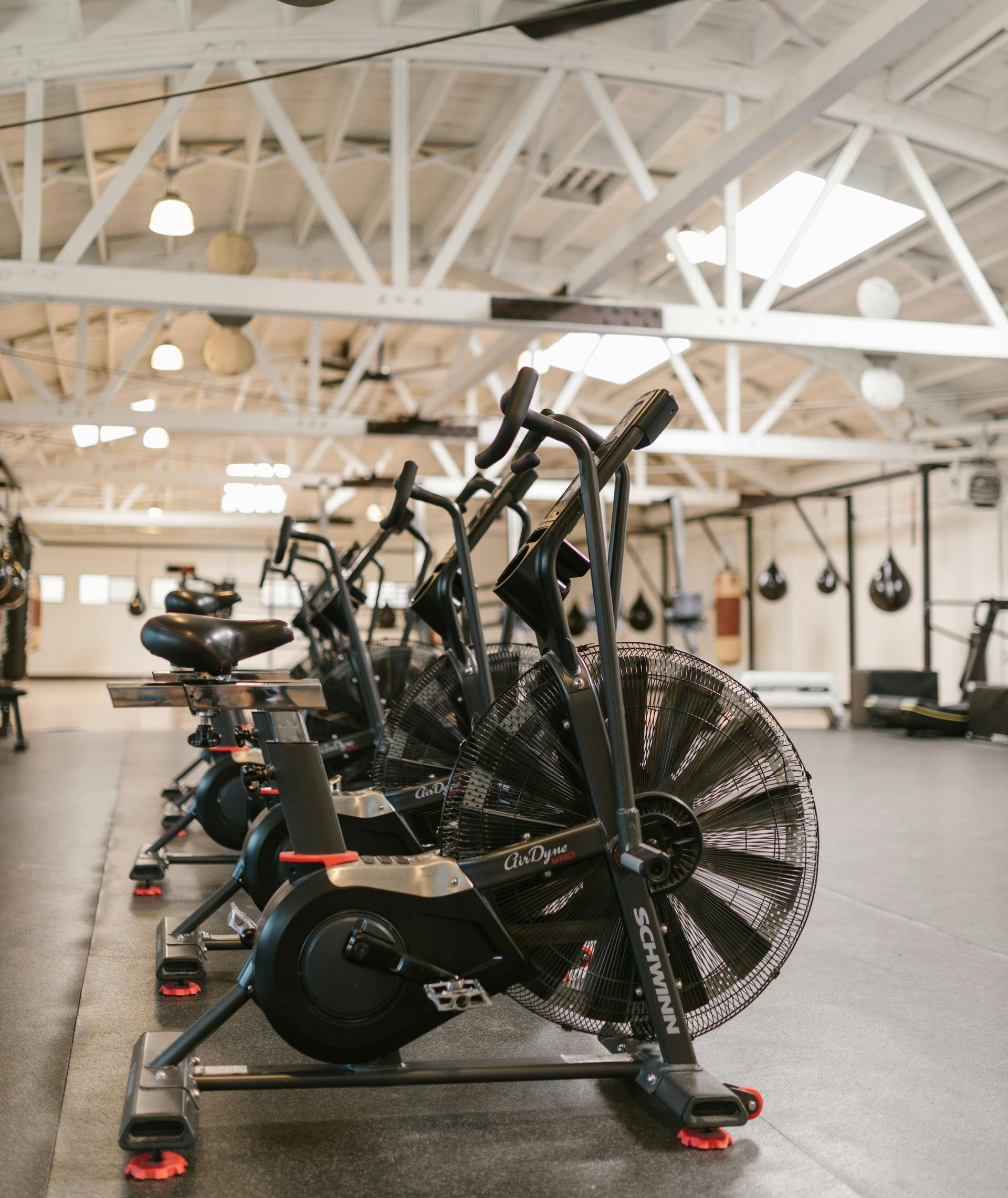
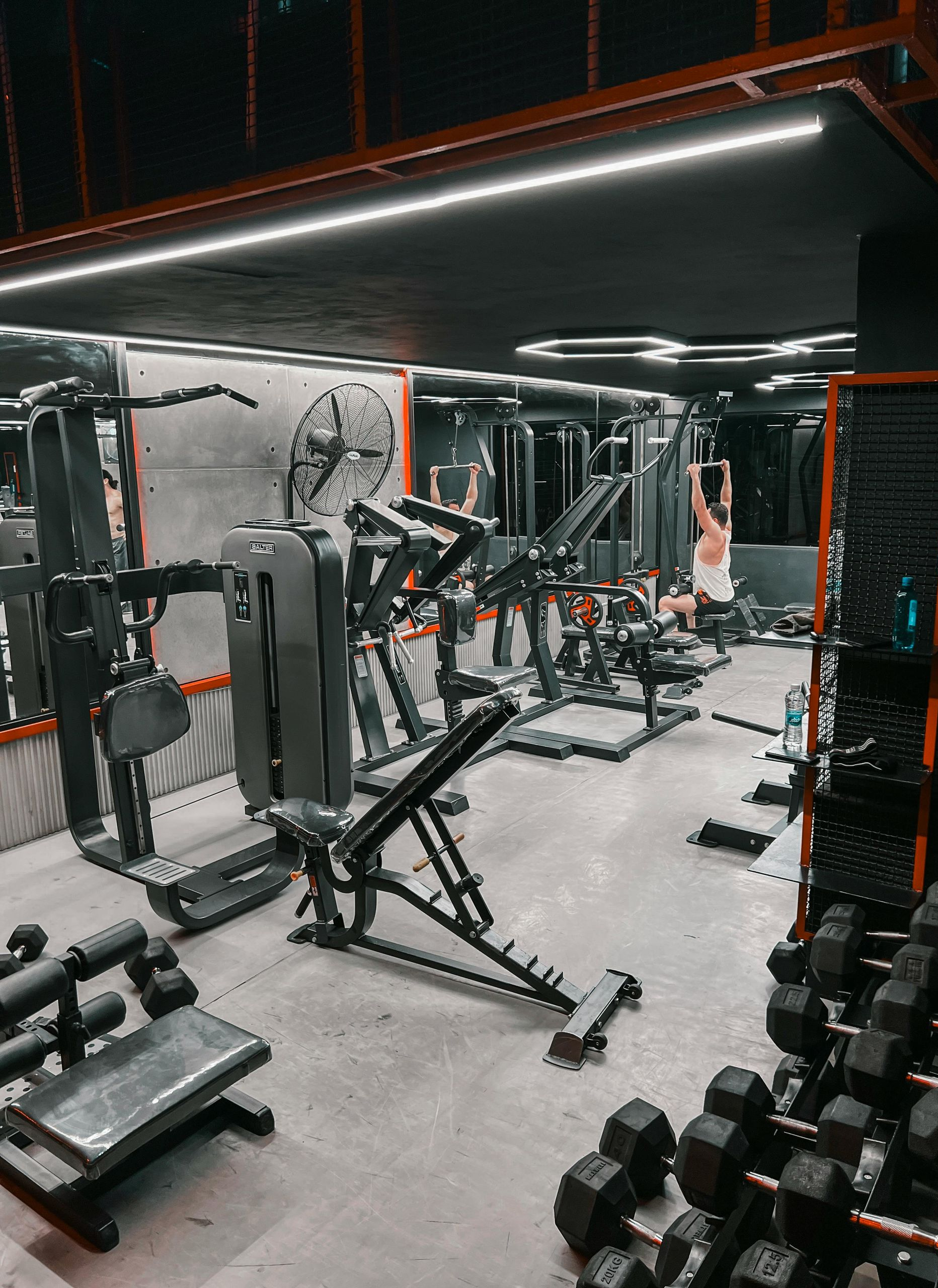
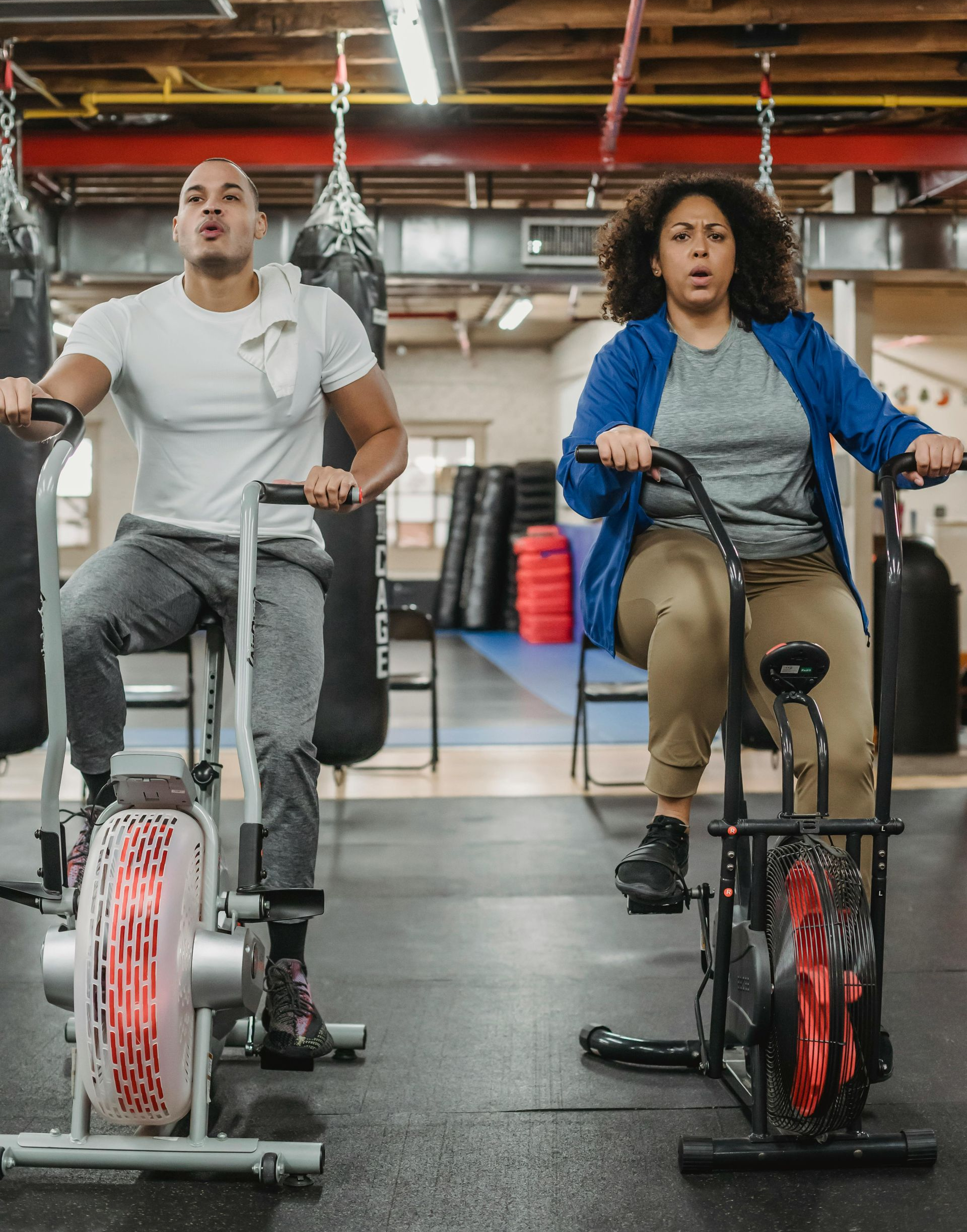
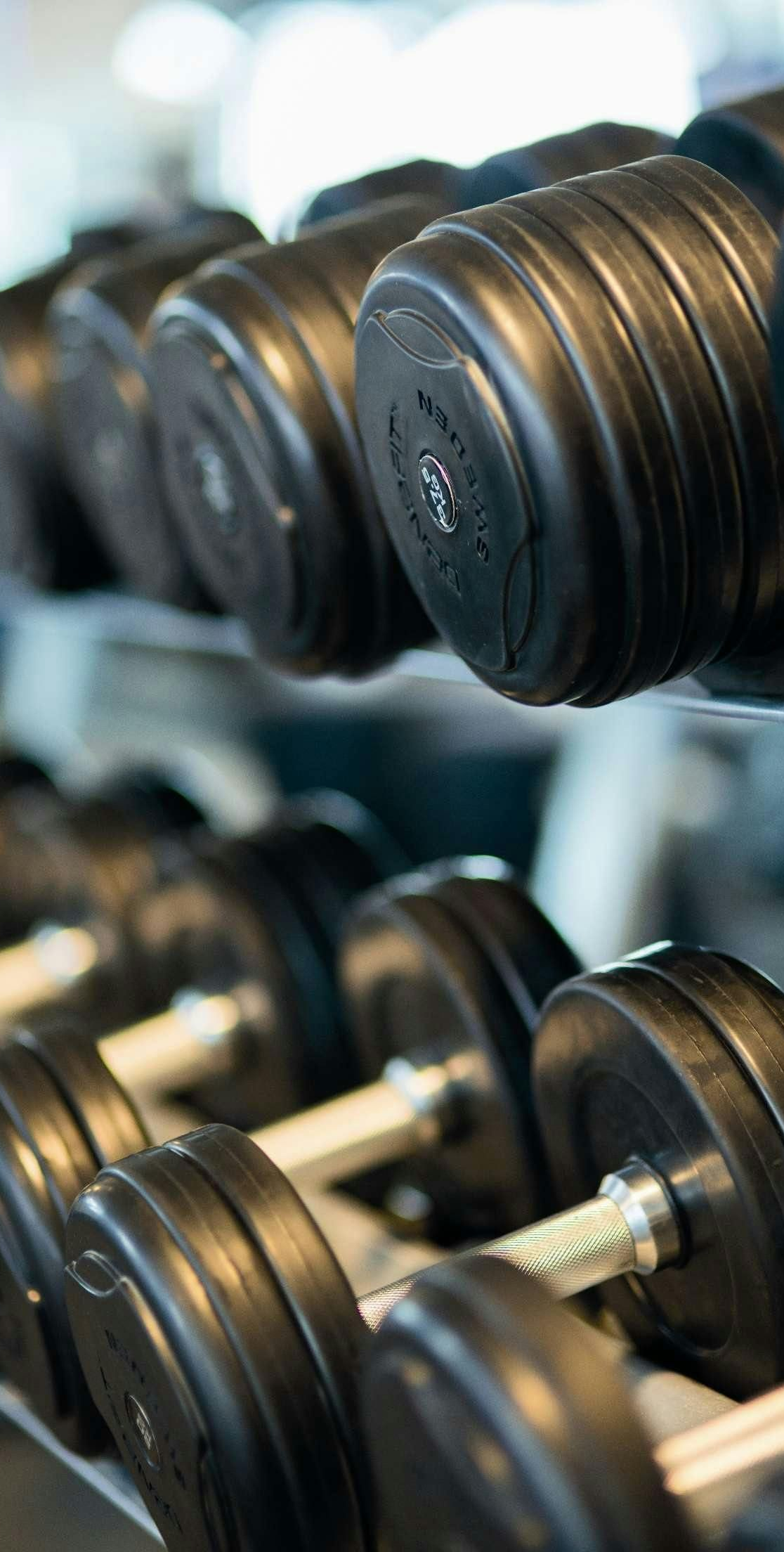
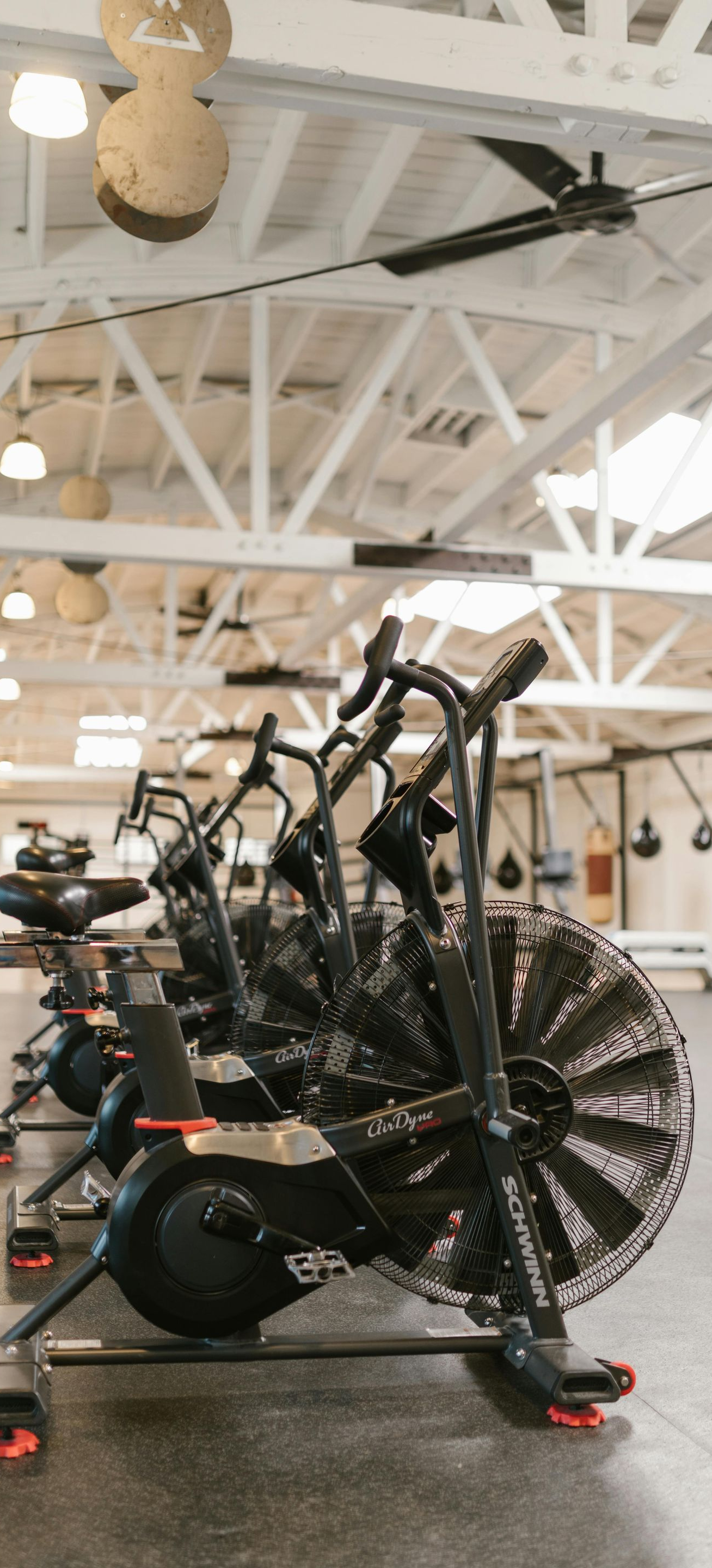
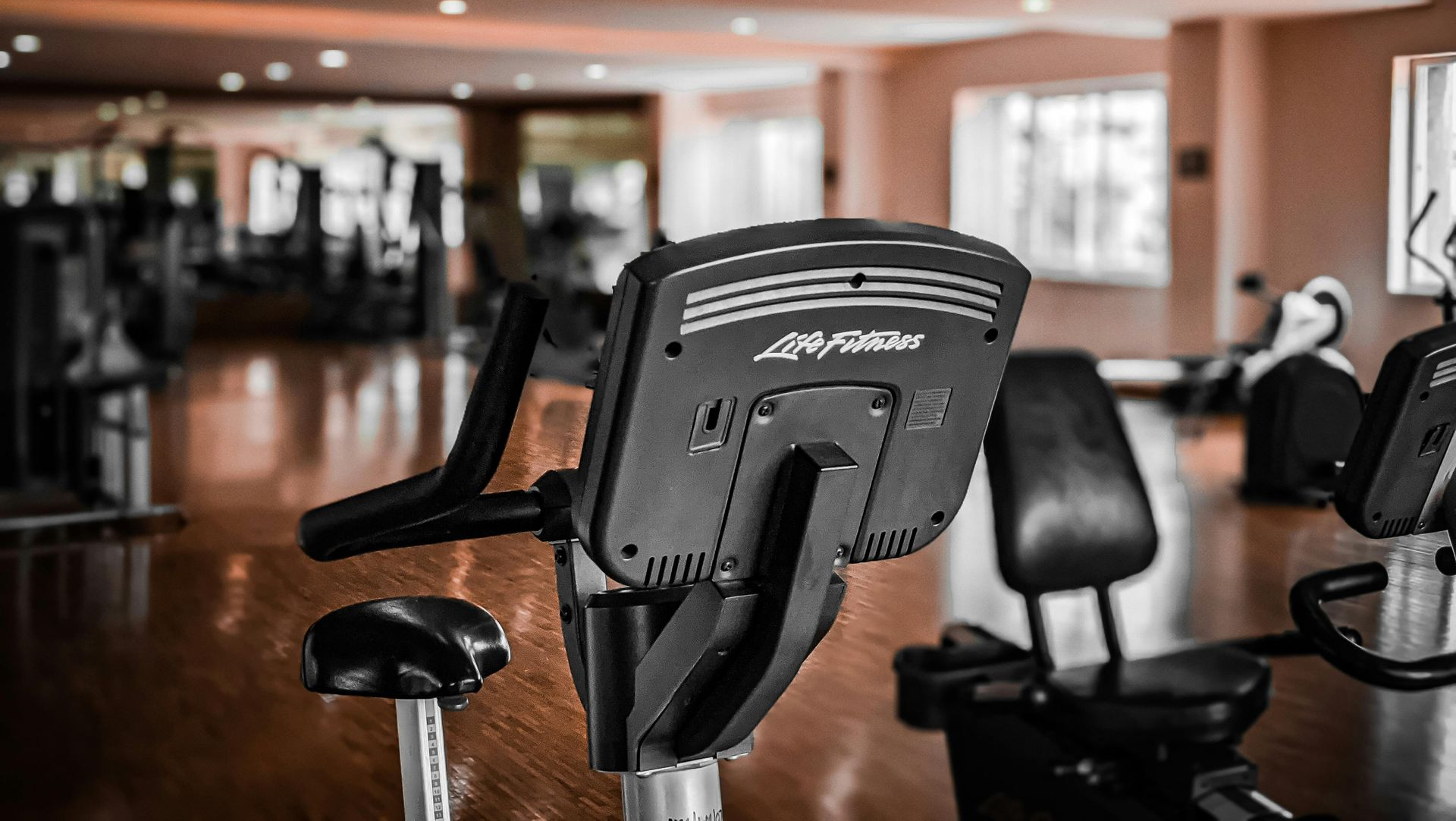
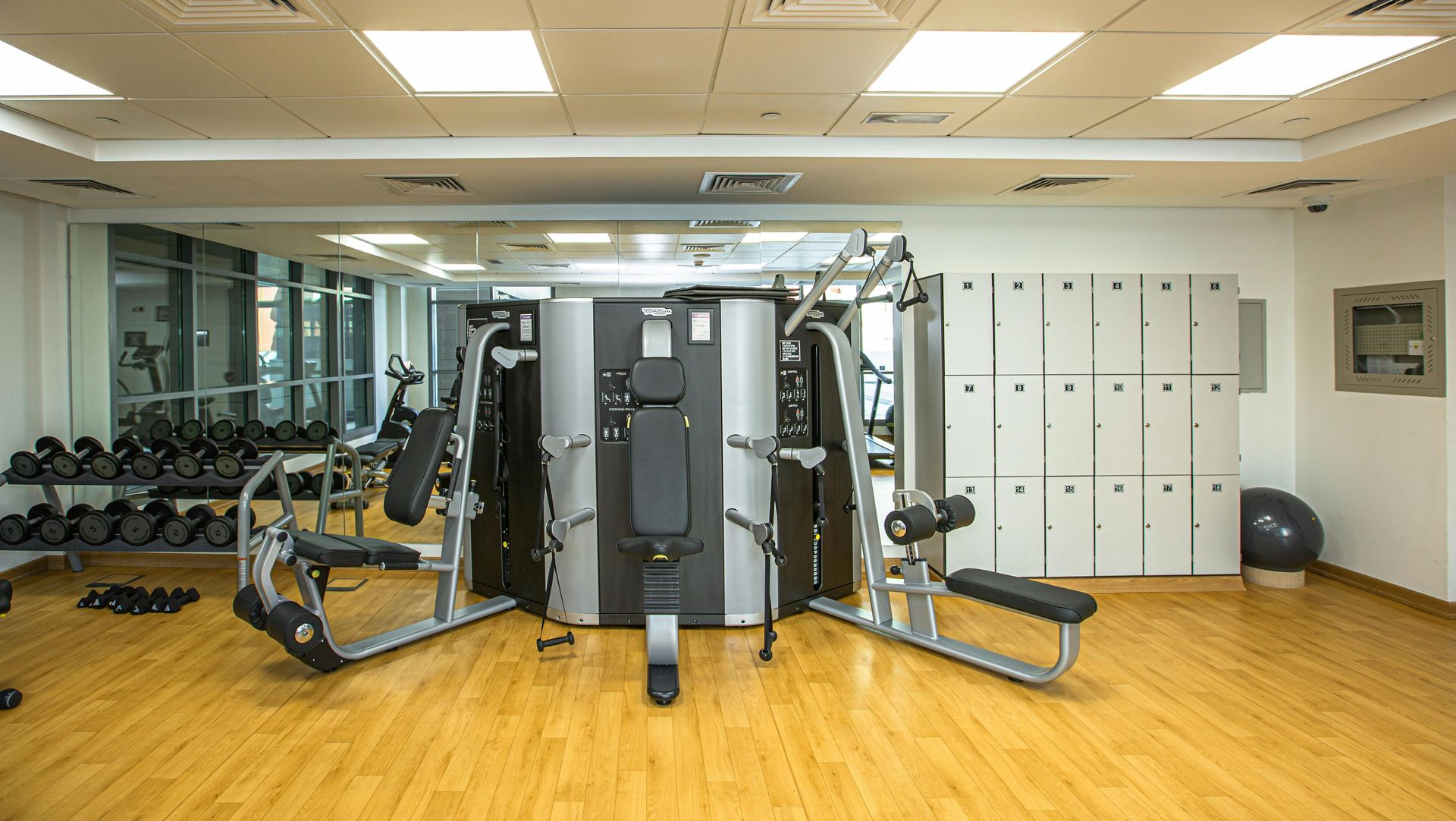
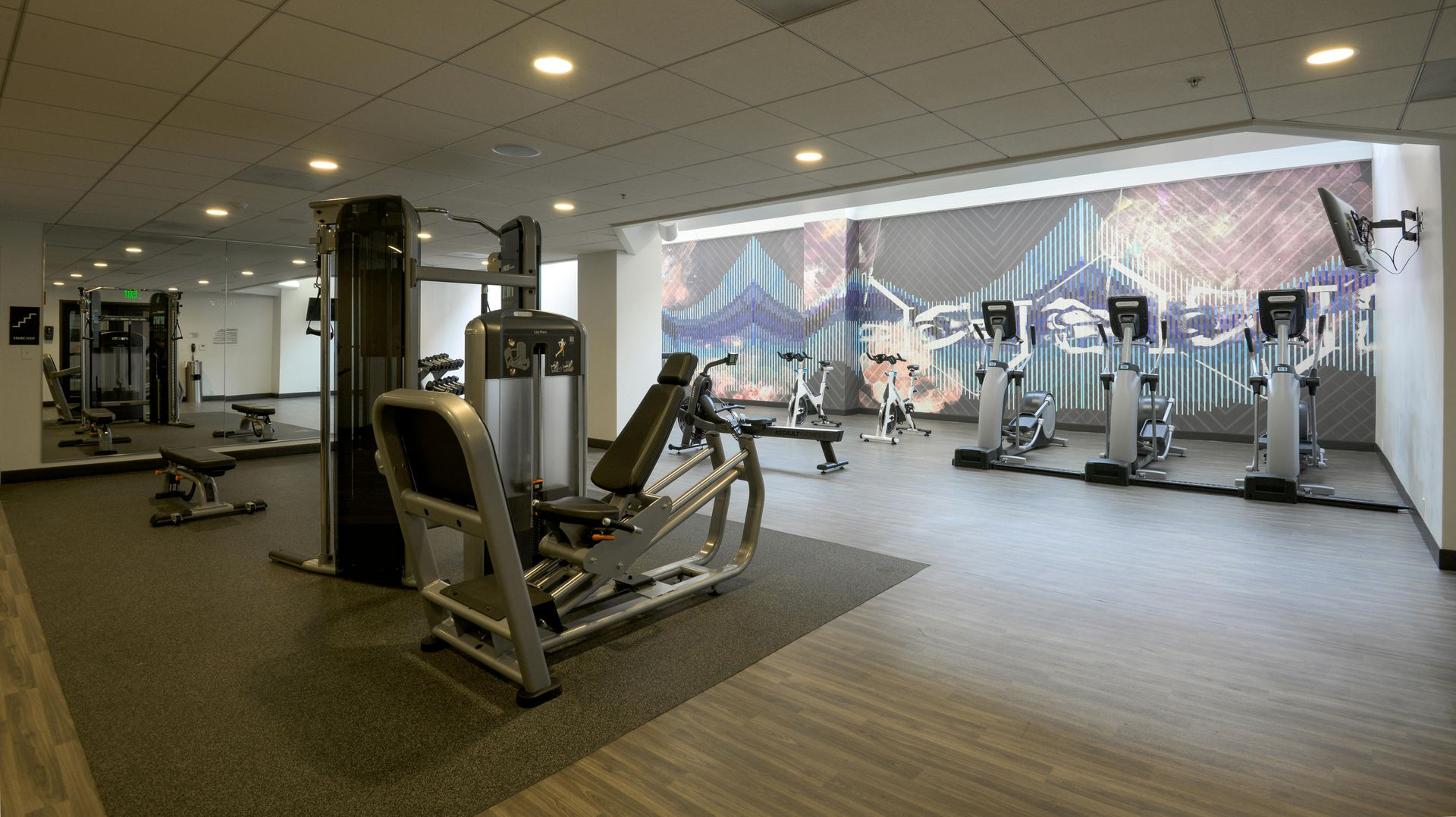
High-touch surfaces are especially important to address. Equipment such as treadmills, weight machines, stationary bikes, and free weights are used repeatedly by different individuals throughout the day. Even when members wipe down equipment after use, a deeper and more thorough cleaning process is necessary to maintain proper sanitation.
Professional janitorial teams ensure that these surfaces are cleaned and disinfected regularly, reducing the buildup of germs and helping maintain a healthier environment.
Locker Rooms and Restrooms Require Specialized Attention
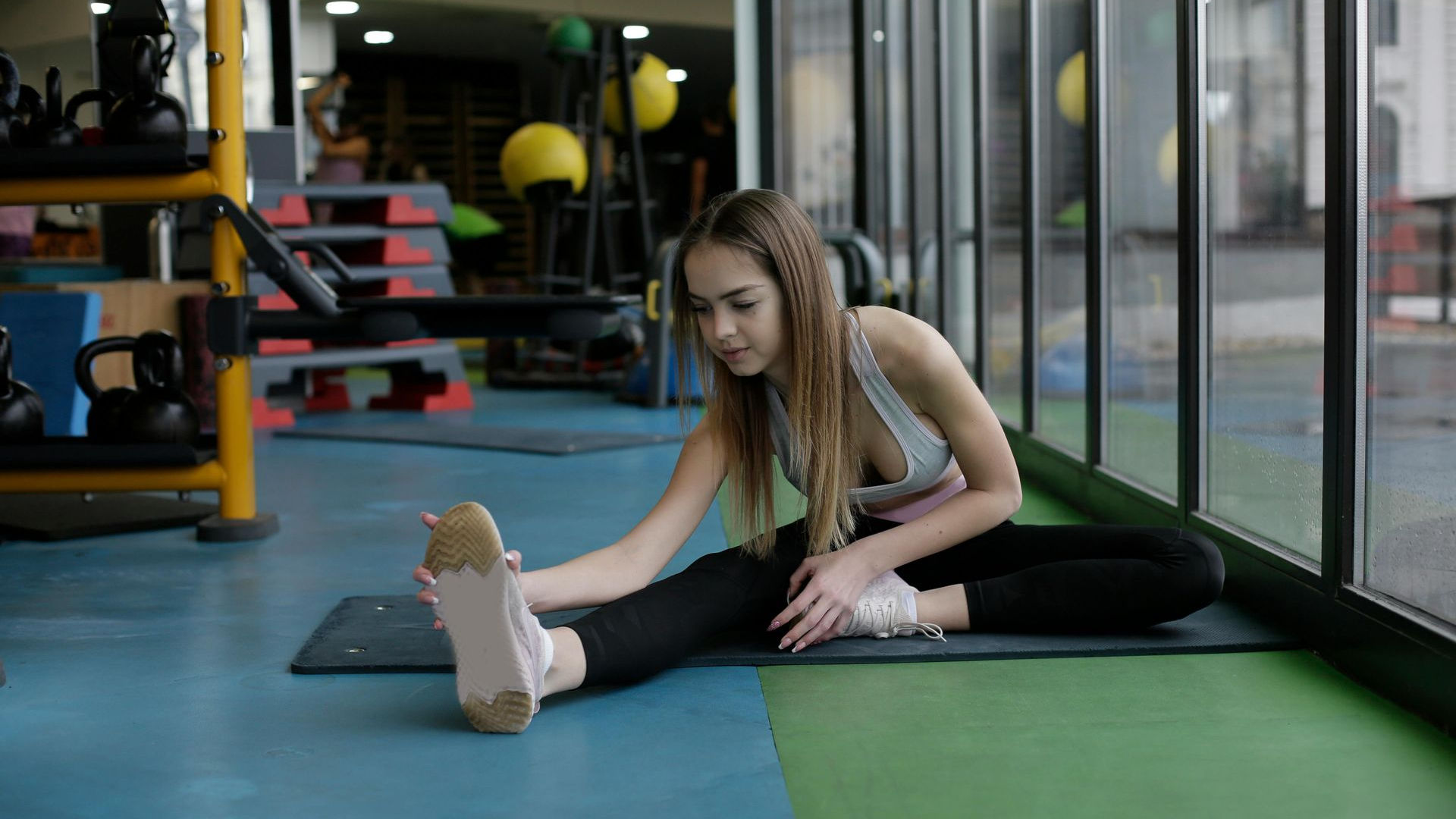
Locker rooms and restrooms are some of the most sensitive areas in any fitness facility. These spaces experience heavy moisture, frequent use, and exposure to personal items. Without proper cleaning and sanitation, these environments can quickly develop unpleasant odors or hygiene concerns.
Professional cleaning services address these issues through routine disinfection of sinks, countertops, lockers, showers, and floors. Regular cleaning helps prevent mold growth, eliminates bacteria, and keeps these areas comfortable for members to use.
Maintaining a clean locker room also contributes to the overall reputation of a fitness center. Members are more likely to remain loyal to facilities that demonstrate consistent attention to cleanliness.
Floor Maintenance Is Essential for Safety
Gym floors endure significant wear. Heavy equipment, dropped weights, and constant foot traffic place stress on surfaces that must remain safe and functional.
Sweat, dust, and spilled liquids can create slip hazards if they are not addressed quickly. Proper floor care involves more than occasional sweeping. It requires consistent mopping, sanitation, and in some cases specialized treatments depending on the type of flooring.
Rubber flooring, hardwood courts, and tile surfaces each require different cleaning approaches to maintain durability and appearance. Professional janitorial teams understand how to maintain these surfaces properly while protecting the facility’s investment.
Maintaining Air Quality and Cleanliness
Air quality is another important factor in fitness environments. Physical activity increases respiration, which can circulate dust and airborne particles throughout the facility. Over time, dust accumulation can affect both comfort and cleanliness.
Routine cleaning helps manage this issue by removing dust from vents, surfaces, and hard-to-reach areas. Clean environments contribute to a more comfortable experience for members and help facilities maintain a professional appearance.
Creating a Positive Experience for Members
When members walk into a gym, they expect an environment that supports health and wellness. Clean equipment, fresh-smelling locker rooms, and organized workout spaces contribute to that experience.
Facilities that maintain high standards of cleanliness often enjoy stronger member satisfaction and retention. People feel more comfortable exercising in environments that are visibly well maintained.
Janitorial services help ensure that fitness centers meet these expectations every day.
Supporting Staff and Facility Operations
Gym staff already manage many responsibilities, including assisting members, organizing equipment, and running classes. Asking staff to handle large-scale cleaning tasks can distract from these responsibilities and lead to inconsistent results.
Professional janitorial services allow staff to focus on their primary roles while trained cleaning professionals maintain the facility. Scheduled cleaning programs ensure that tasks are completed consistently and efficiently.
The Role of Professional Cleaning Services
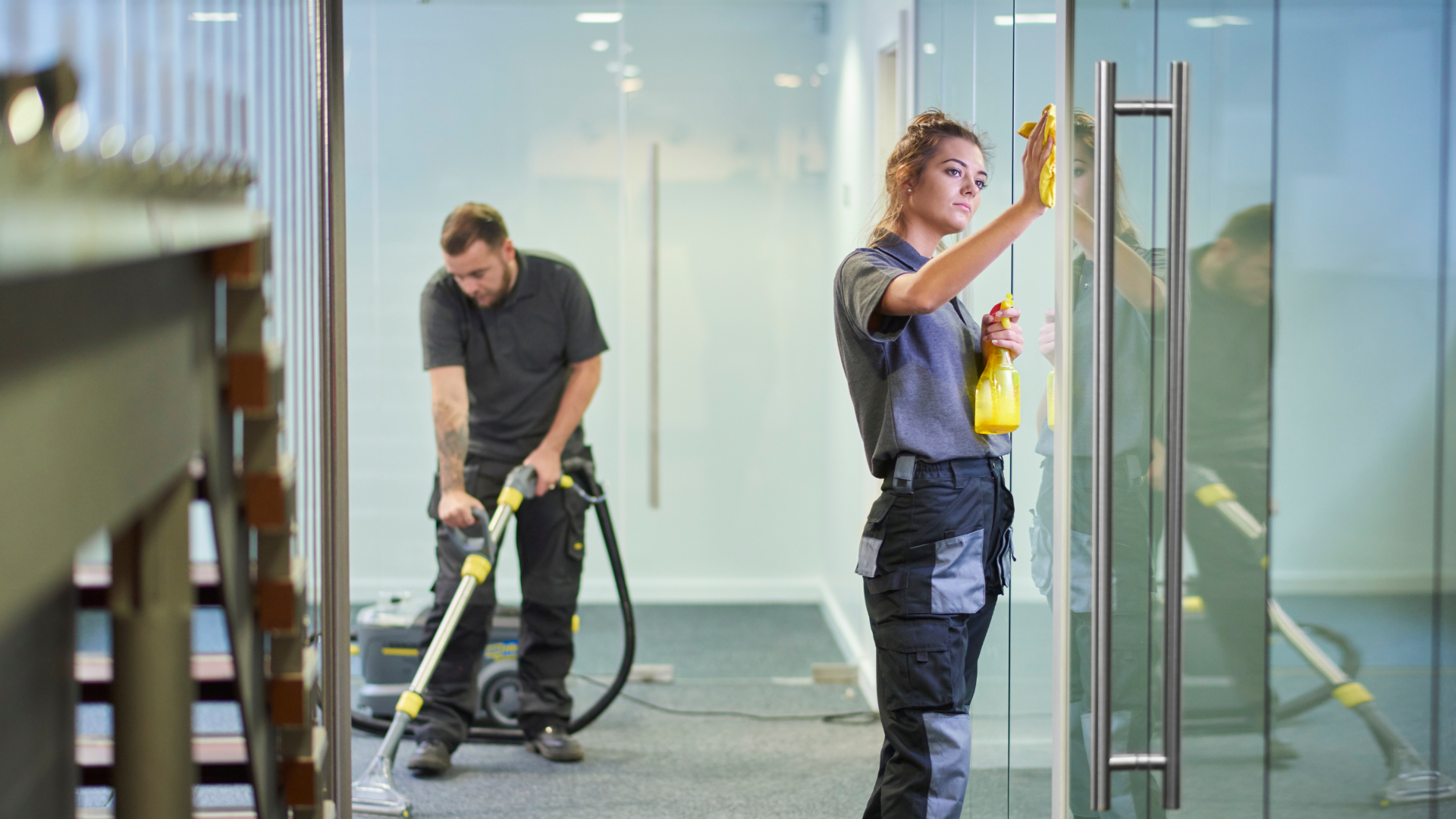
Maintaining a fitness facility requires attention to detail, reliable routines, and knowledge of proper cleaning techniques. Professional janitorial teams bring experience and structure to this process.
At ABS Facility Solutions, we provide commercial janitorial services designed to meet the needs of busy facilities such as gyms and fitness centers. Our team works with businesses to create cleaning programs that maintain sanitary conditions, protect equipment, and support a welcoming environment for members.
Clean facilities help gyms operate more smoothly, protect member health, and create spaces where people feel comfortable working toward their fitness goals.