Why Co-Working Spaces Require a Different Cleaning Strategy

May 2, 2026
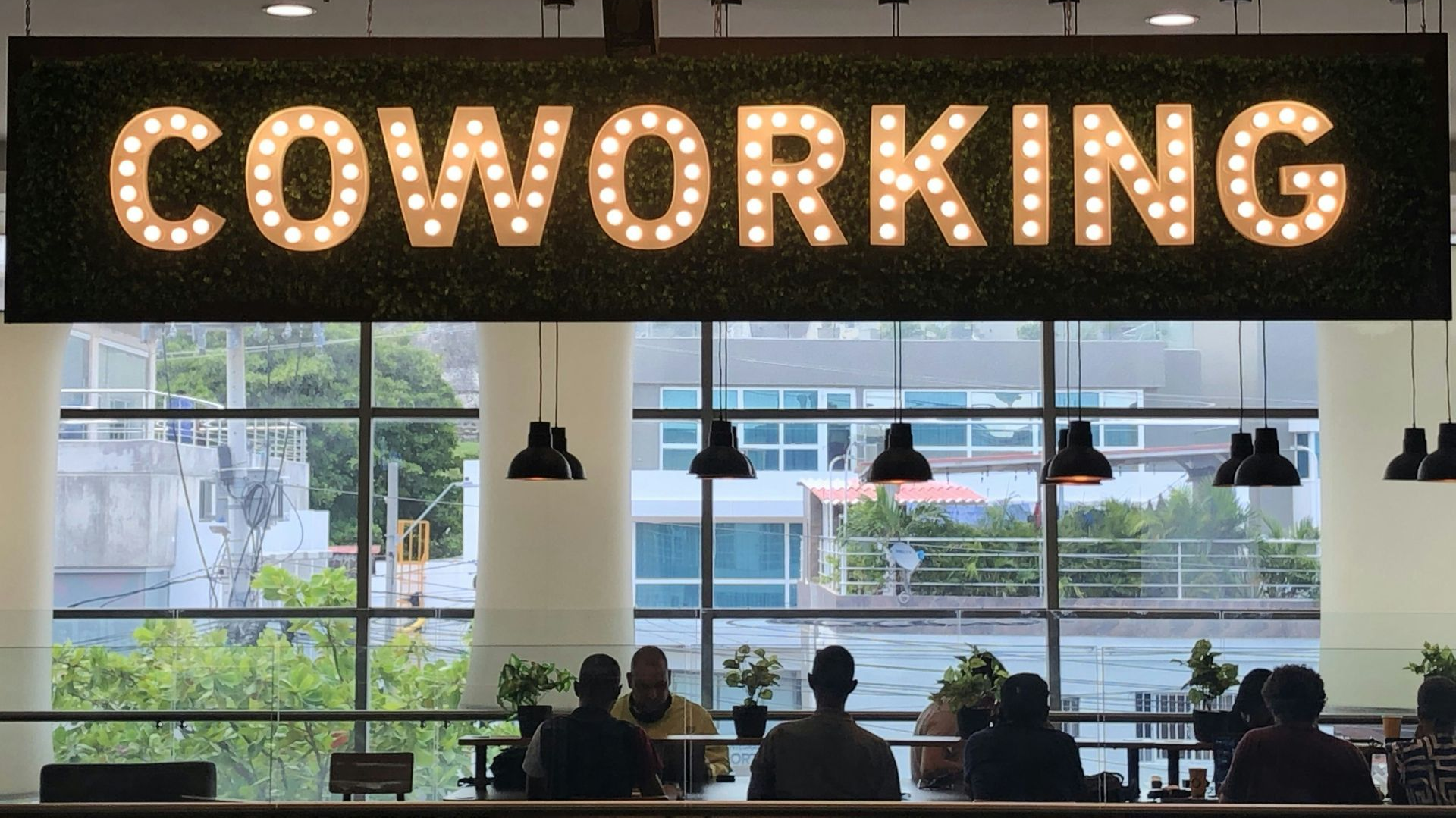
Bright “COWORKING” sign above people seated inside a modern workspace with large windows.
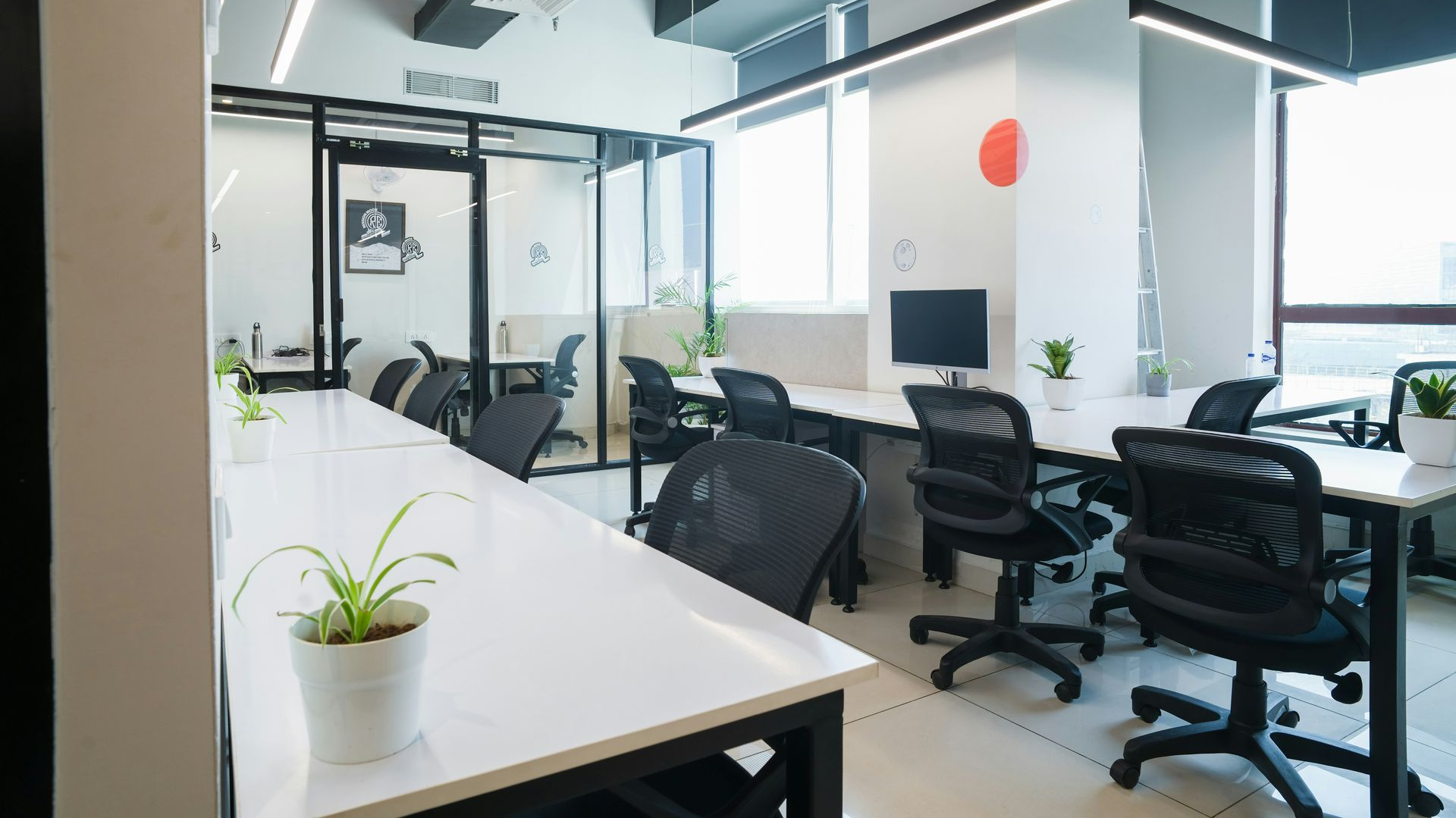
Modern open-plan office with desks, chairs, plants, and glass partitions in bright daylight

The Importance of First Impressions

In co-working spaces, the environment is part of the service being offered. Members and visitors expect a space that feels professional, organized, and well-maintained.


Cleanliness directly influences:

  • Perception of the workspace
  • Comfort and confidence of users
  • Overall experience within the facility


Because new individuals may enter the space at any time, maintaining a consistent level of cleanliness is essential.
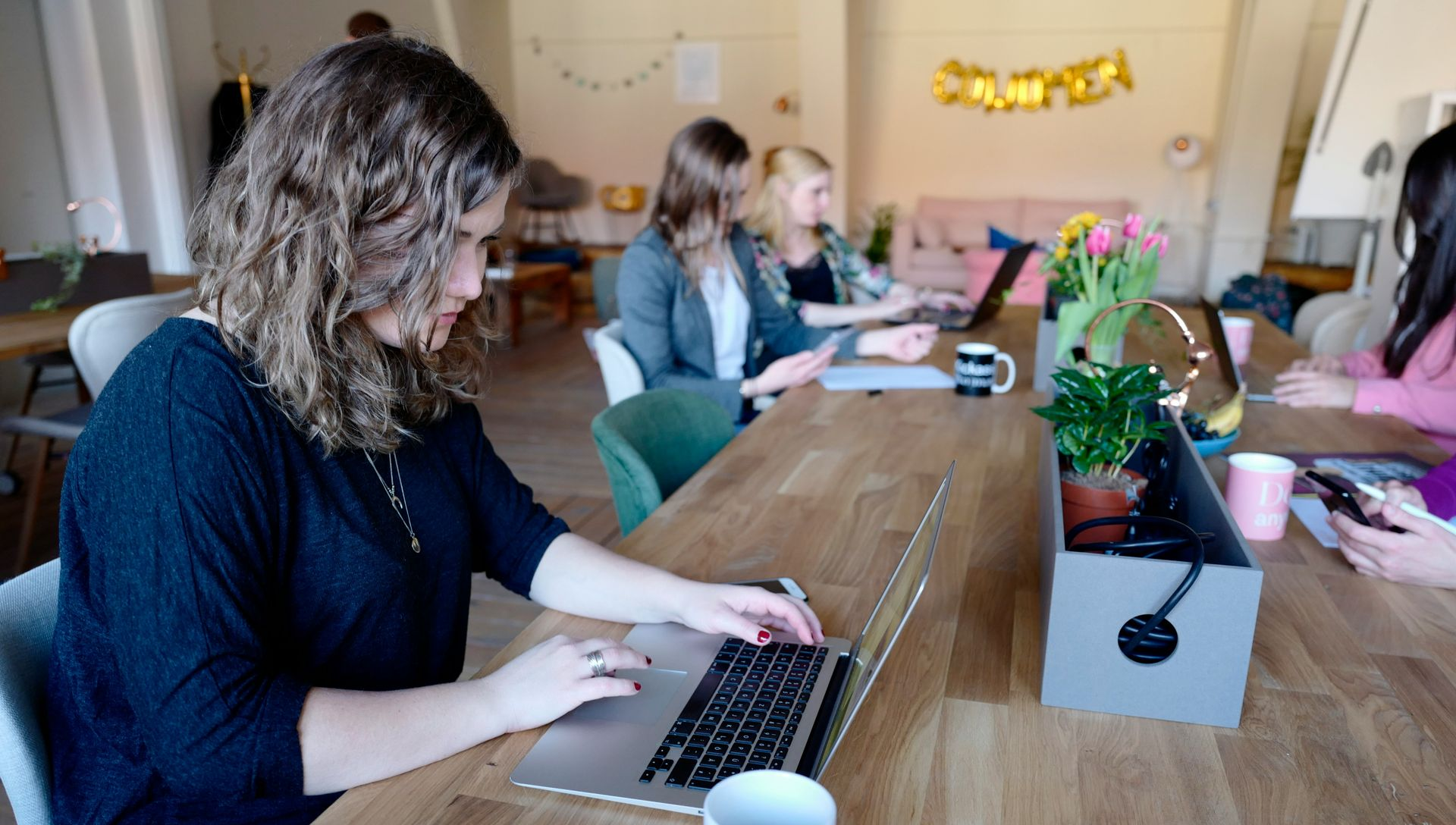
People working on laptops around a wooden table in a bright office meeting space

Balancing Visibility and Disruption

Cleaning in a co-working space must be effective without interfering with daily operations. Unlike traditional offices with predictable hours, co-working spaces often remain active throughout the day.


This requires:

  • Cleaning schedules that align with peak and off-peak usage
  • Techniques that minimize disruption to occupants
  • A balance between visible maintenance and behind-the-scenes work


Maintaining this balance ensures that the space remains clean without interrupting productivity.
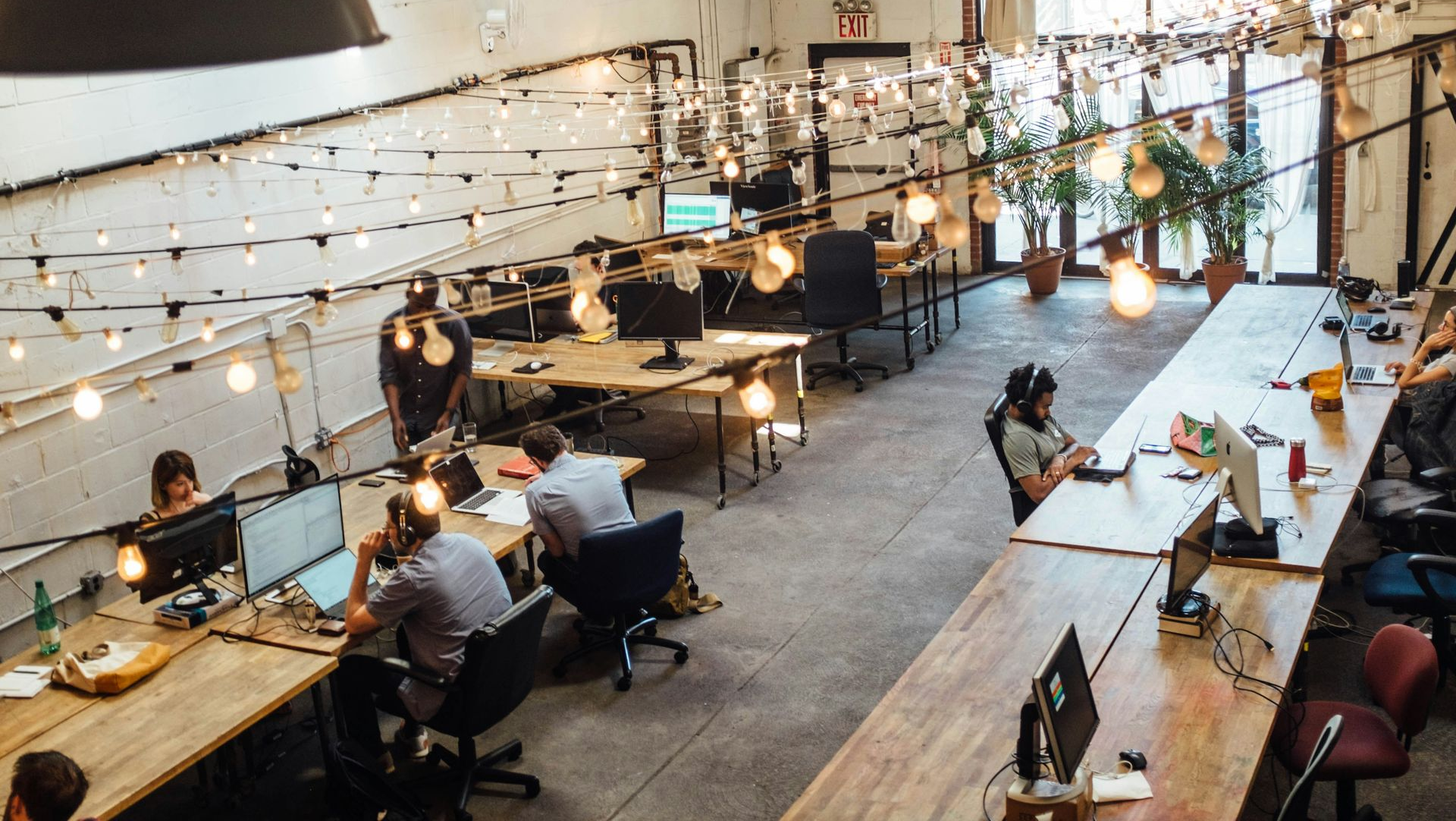
Open-plan office with desks, string lights, and people working in a modern workspace

Managing Diverse Usage Patterns

Different areas within a co-working space serve different functions. Quiet work zones, meeting rooms, and social areas each have distinct cleaning needs.


For example:

  • Workstations may require routine surface cleaning
  • Meeting rooms need resetting between uses
  • Kitchen and lounge areas demand more frequent attention


A one-size-fits-all approach is not effective. Cleaning strategies must be tailored to the specific function of each area.


Preventing Rapid Wear and Buildup

With constant use, co-working spaces are more susceptible to gradual wear and buildup. Without consistent maintenance, these effects can become noticeable over time.


Regular, targeted cleaning helps prevent these conditions from developing into larger concerns.
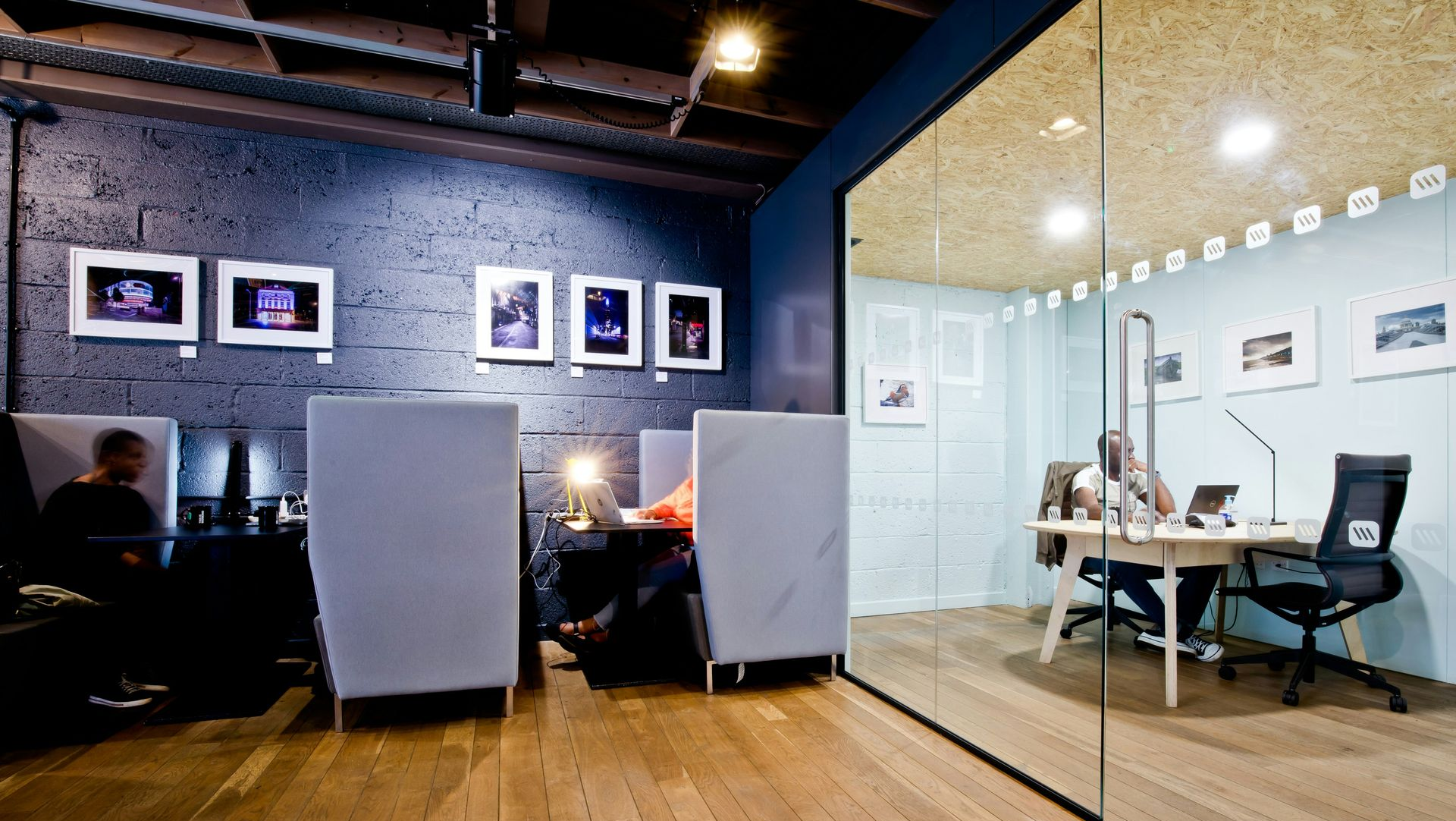
Modern office with glass meeting room, desks, chairs, and framed photos on a dark wall

The Role of Consistency

Consistency is one of the most important factors in maintaining a successful co-working environment. Because the space is shared, even small lapses in cleaning can affect multiple users.


Consistency supports both functionality and user satisfaction.


A Strategic Approach to Shared Spaces

Co-working spaces require more than routine cleaning. They demand an approach that accounts for variability, shared use, and continuous activity. By focusing on flexibility, targeted attention, and consistent standards, it is possible to maintain a space that supports both productivity and comfort.


ABS Facility Solutions provides professional cleaning services tailored to the unique demands of co-working environments. With a focus on adaptability and detail, ABS helps ensure that shared spaces remain clean, functional, and welcoming.


If you manage or operate a co-working facility and need a cleaning strategy designed for your environment, contact ABS Facility Solutions to develop a plan that supports your space and your users.
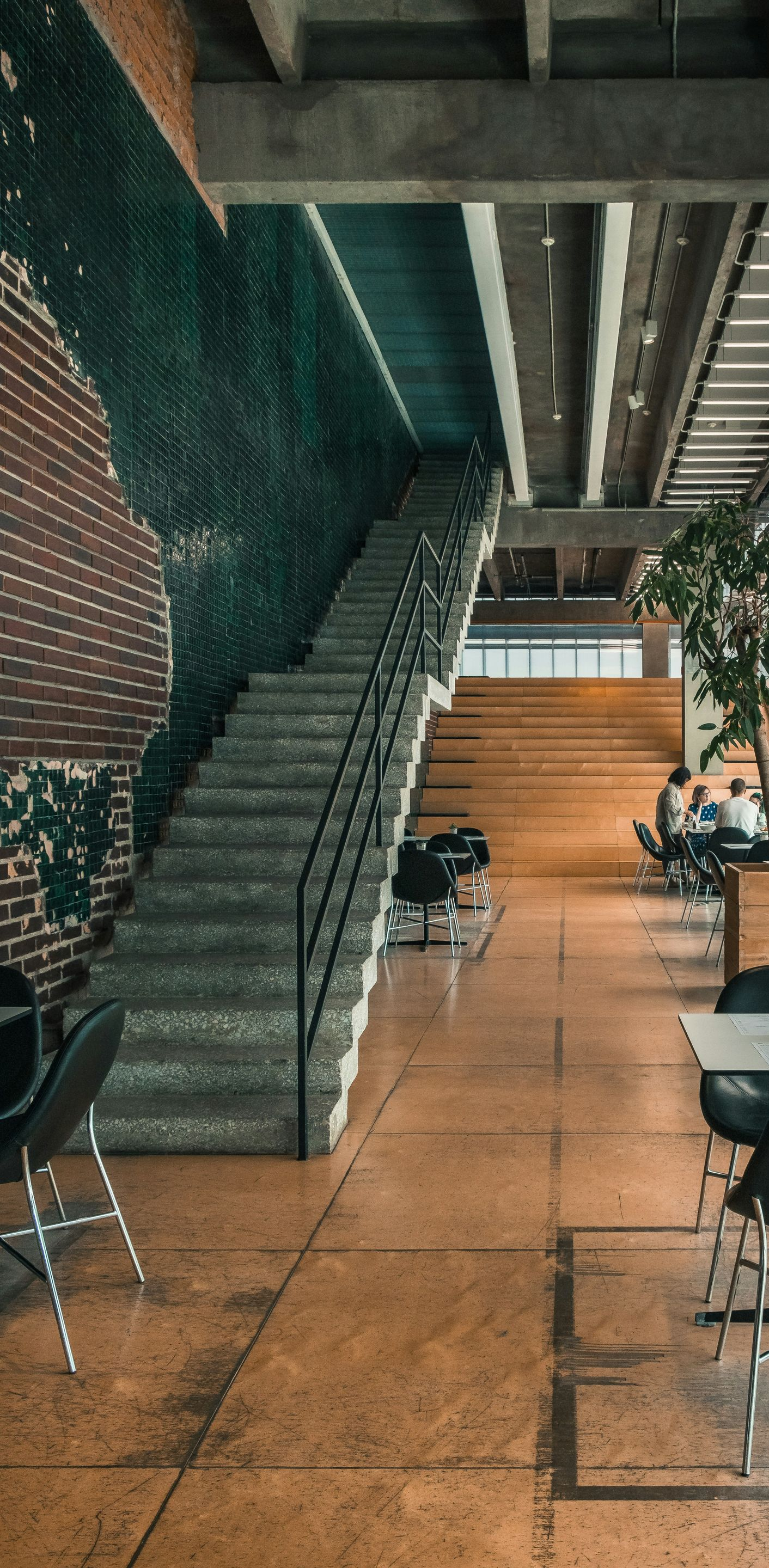
Modern lounge with staircase, wooden floor, black chairs, long tables, and indoor plants.
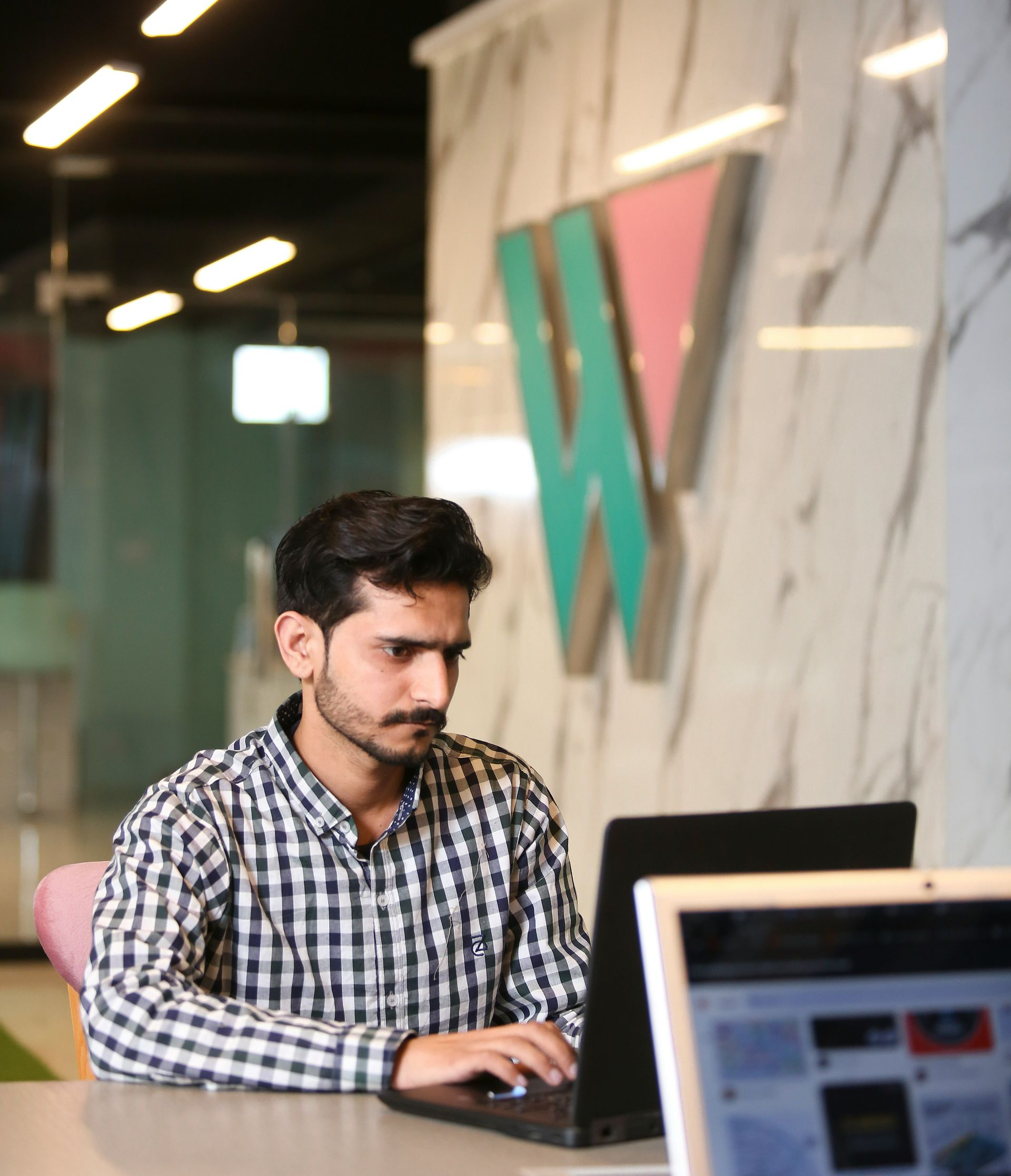
Man working on a laptop at a desk in a modern office with a large wall logo in the background
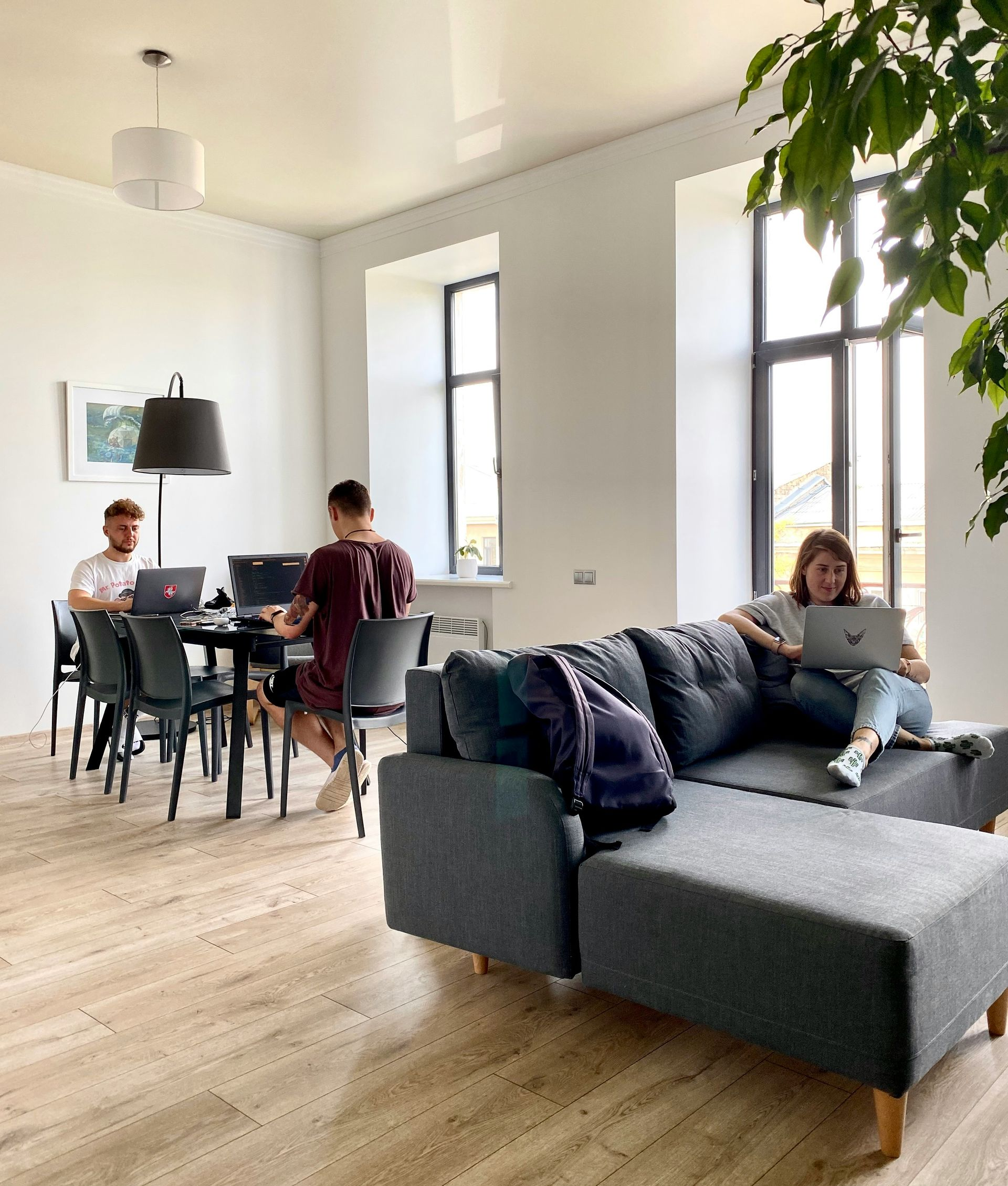
Bright living room with people working at a dining table and a person relaxing on a gray sofa
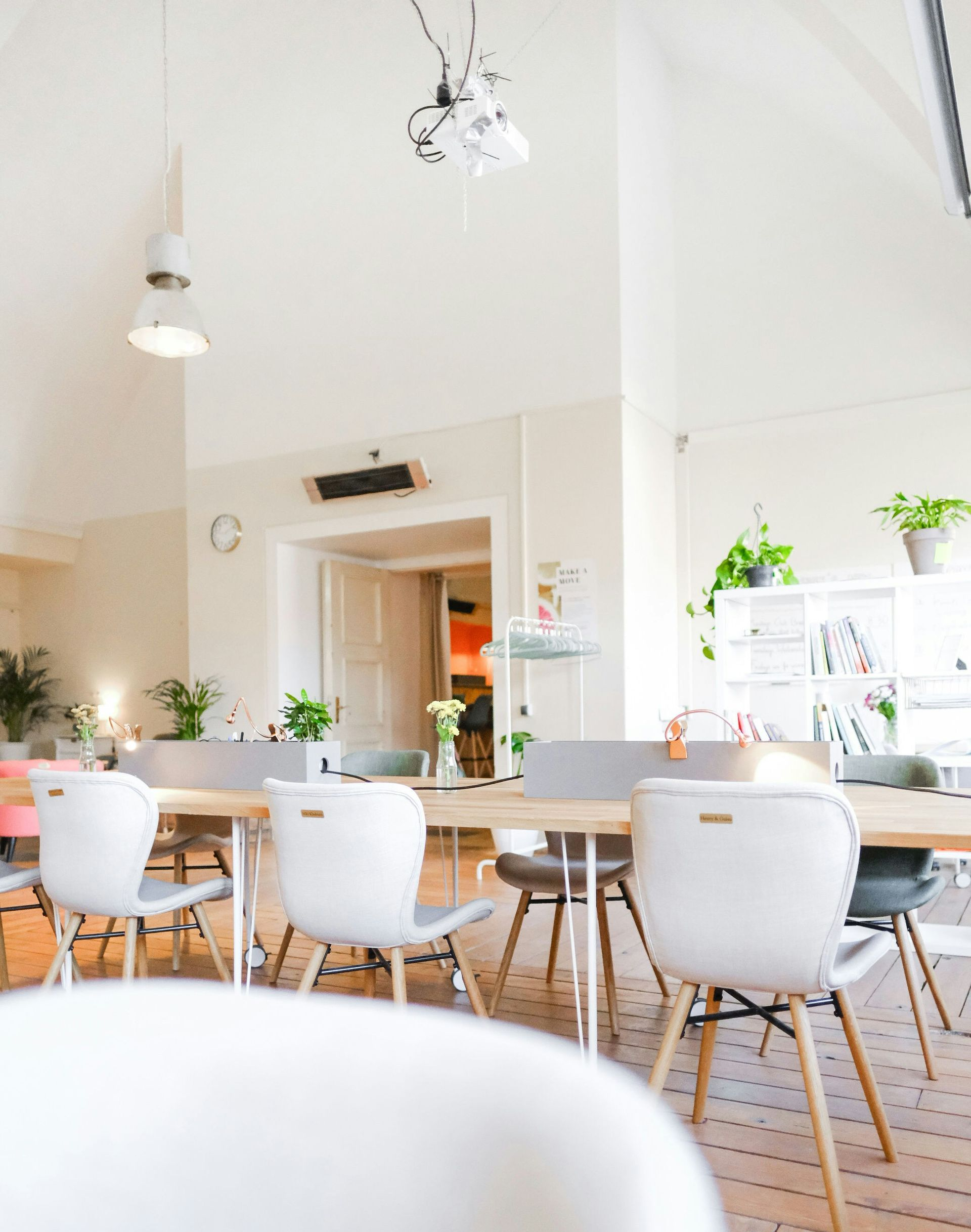
Bright, airy cafe interior with white chairs, wooden tables, hanging lights, and plants on the windowsill
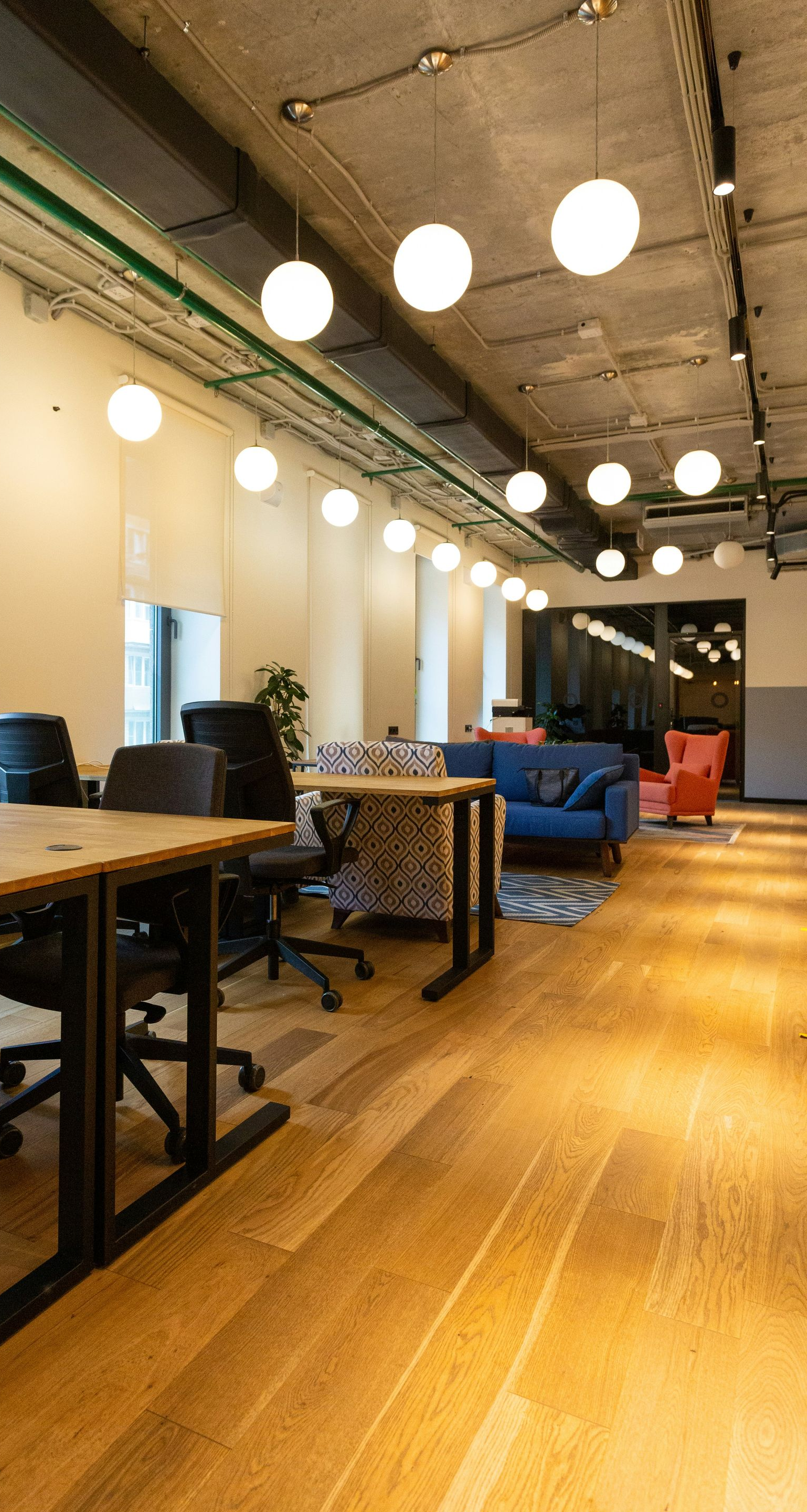
Open office lounge with long wooden tables, blue chairs, and hanging globe lights on a wood floor.
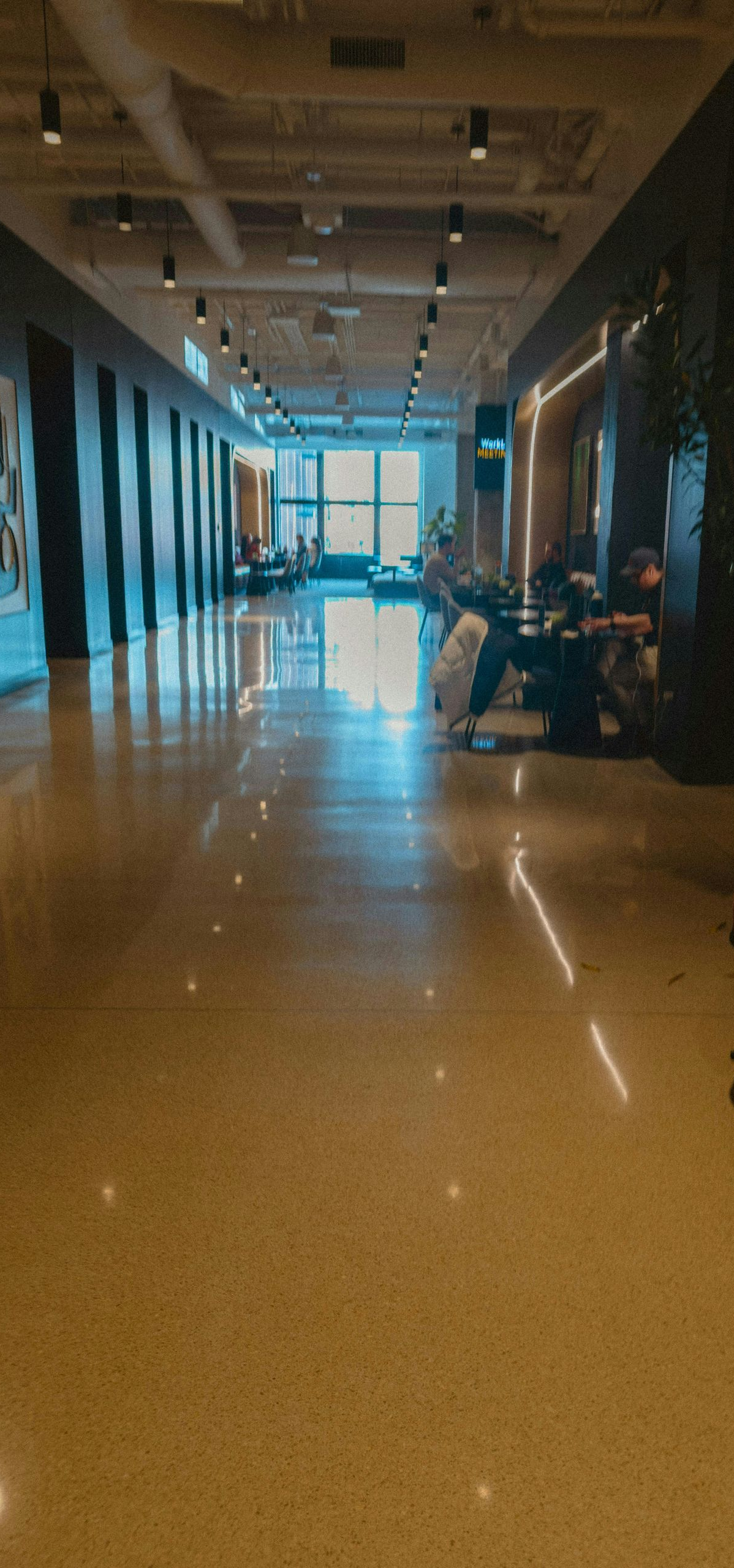
Dim hallway with glossy floors, wall art, and chairs along the sides, lit by bright windows at the far end.
April 23, 2026
Labs and hands-on learning environments present a unique set of challenges that go far beyond standard classroom cleaning. From technical training facilities to educational labs and vocational schools, these spaces are designed for active use. Students and instructors engage directly with materials, equipment, and processes that can leave behind residue, debris, and contaminants. Because of this, cleaning in these environments must be approached with a higher level of precision, consistency, and understanding. A Different Type of Daily Use Unlike traditional classrooms, labs and training environments are built for interaction. Surfaces are used for experiments, demonstrations, and practical instruction, which creates a more complex cleaning landscape. These spaces often involve: Frequent handling of tools and equipment Exposure to various materials and substances Continuous movement of people and resources  This level of activity increases the potential for buildup and requires more than routine cleaning practices.
April 15, 2026
Maintaining a clean manufacturing facility is more than a routine task — it’s a critical part of operational efficiency, equipment performance, and workplace safety . Many plants focus on machinery and production processes, but industrial cleaning standards are often overlooked, especially in areas that directly affect productivity. 1. Hidden Areas That Impact Manufacturing Operations In manufacturing environments, cleaning goes far beyond visible surfaces. Dust, residue, and industrial buildup accumulate in areas that are easy to miss but essential for safe operations. Commonly overlooked areas include: Equipment bases and undersides Overhead structures and supports Ventilation systems and ducts Corners, edges, and low‑visibility zones Neglecting these areas can lead to contamination, equipment strain, and long‑term operational issues.
April 8, 2026
Event venues are designed to host large gatherings, celebrations, and professional functions. From weddings and conferences to concerts and corporate events, these spaces must accommodate high volumes of people in short periods of time. While the focus is often on logistics, entertainment, and guest experience, one critical factor operates behind the scenes: cleaning. Unlike traditional commercial spaces, event venues experience rapid cycles of use. A room may host hundreds of guests one evening and need to be fully reset for a completely different event the next day. Without a structured cleaning plan, it becomes difficult to maintain consistency, meet expectations, and ensure a safe environment for guests and staff.  The Unique Demands of Event Spaces Event venues face cleaning challenges that differ from standard offices or retail environments. High foot traffic, food and beverage service, and frequent setup changes all contribute to increased wear on the space. Spills, trash accumulation, and restroom usage can escalate quickly during events. In addition, venues must maintain a polished appearance at all times, as cleanliness directly affects guest perception. Because events often run on tight schedules, cleaning must be efficient, thorough, and well-coordinated.