How Cleaning Impacts Efficiency in Distribution and Fulfillment Centers

April 2, 2026

Distribution and fulfillment centers are designed for speed, accuracy, and consistent output. Every process within these facilities is optimized to move products quickly and reliably. While technology and logistics planning often receive the most attention, cleanliness plays a critical role in supporting daily operations.


A clean facility is not simply a matter of appearance. It directly affects how efficiently a distribution center functions.


Clean Floors Support Movement and Safety

Fulfillment centers depend on constant movement. Employees, forklifts, pallet jacks, and automated systems all rely on stable and predictable surfaces. When floors accumulate dust, debris, or residue, movement can become less efficient.


Common issues caused by unclean floors include:

  • Reduced traction for equipment
  • Increased risk of slips and trips
  • Obstructed pathways that slow operations

Even minor disruptions can have a measurable impact in high-volume environments. Clean floors help maintain consistent movement and reduce avoidable delays.
A server room with rows of tall black server cabinets on a polished floor and a mobile monitor cart in the background.
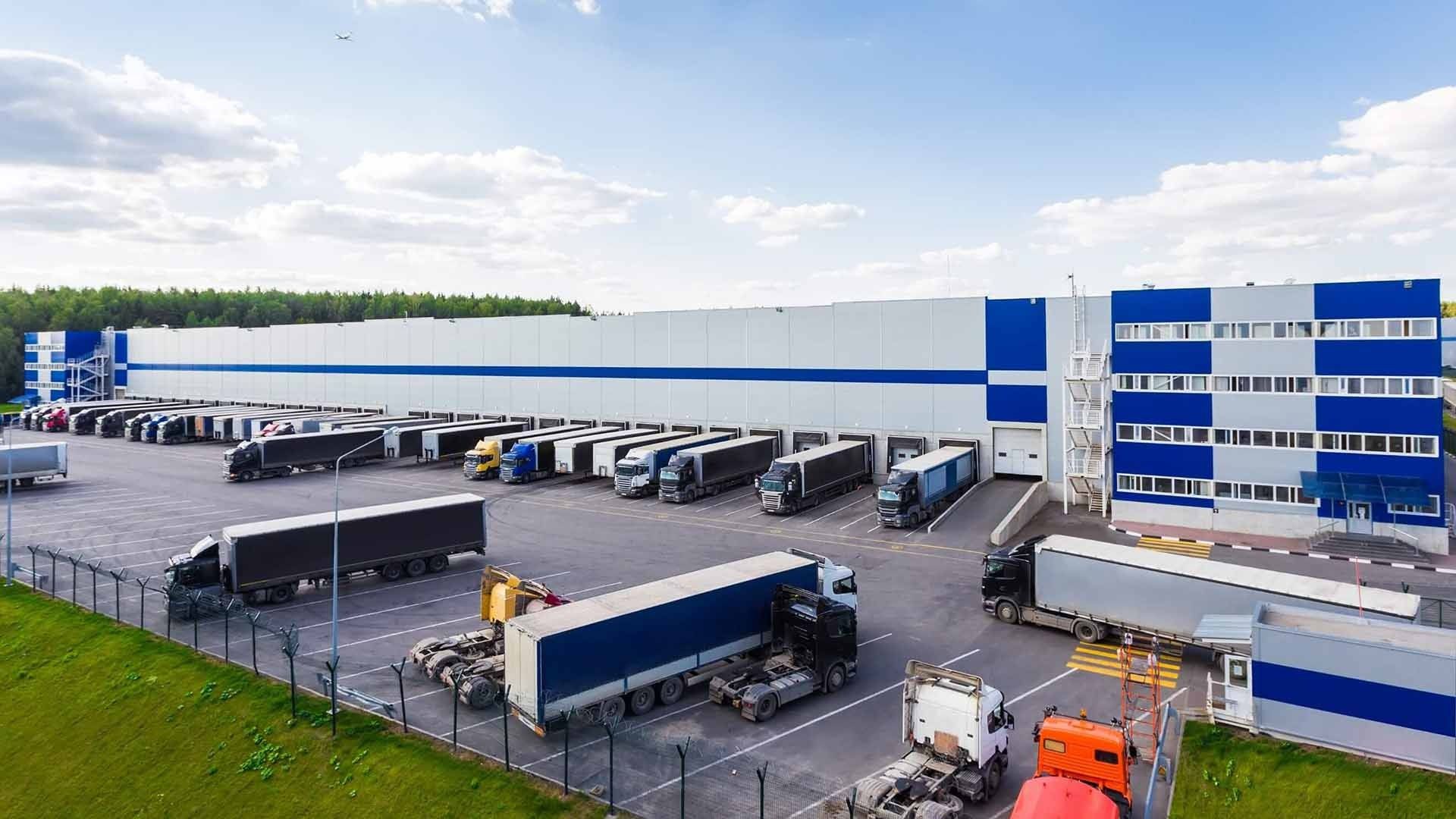
An aerial view of a large white and blue warehouse with numerous semi-trucks parked at loading docks in a paved lot.

Organization and Visibility Improve Workflow

Efficiency depends on clarity. In a busy fulfillment center, employees must be able to quickly identify locations, pathways, and work zones.


When cleaning is inconsistent, issues may include:

  • Dust covering labels or markings
  • Debris obscuring walkways
  • Clutter forming in high-traffic areas

A clean environment supports better visibility and organization. This allows employees to complete tasks more efficiently and reduces time spent navigating avoidable obstacles.
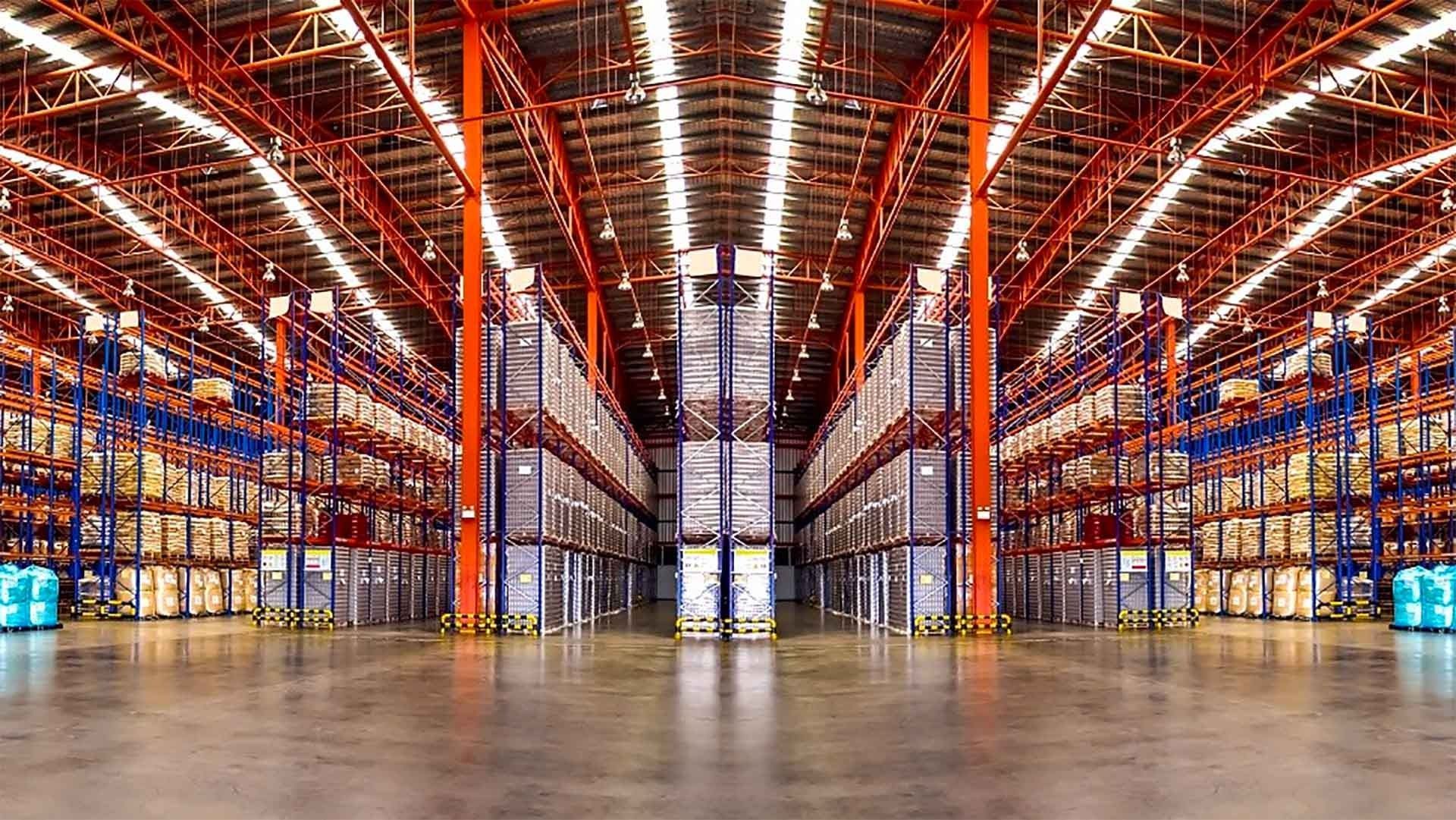
Large, symmetrical warehouse interior with high ceilings, orange steel beams, and tall shelves filled with inventory.

Cleaning Supports Inventory Integrity

In many distribution environments, products must be stored and handled carefully. Dust, dirt, and residue can affect packaging and, in some cases, the condition of stored goods.


Maintaining a clean facility helps:

  • Protect inventory from contamination
  • Preserve packaging quality
  • Reduce the likelihood of damaged or returned items

For businesses that rely on consistent product condition, cleanliness becomes part of quality control.


High-Traffic Areas Require Focused Attention

Not all areas of a fulfillment center experience the same level of use. Loading docks, picking zones, and packing stations typically see the highest levels of activity.


These areas are more likely to accumulate:

  • Dirt and debris from incoming shipments
  • Residue from packaging materials
  • Wear from constant foot and equipment traffic

Targeted cleaning in these zones helps maintain efficiency where it matters most.

A person in a warehouse wearing a vest and beanie uses a barcode scanner and tablet to track inventory on high shelves.

Preventative Cleaning Reduces Disruptions

Cleaning is often treated as a reactive task, addressed only when issues become visible. In distribution environments, this approach can lead to interruptions.


A preventative cleaning strategy focuses on consistency. By maintaining a regular schedule, facilities can:

  • Reduce the likelihood of equipment issues
  • Minimize safety risks
  • Maintain smoother daily operations

This approach supports long-term efficiency rather than short-term fixes.
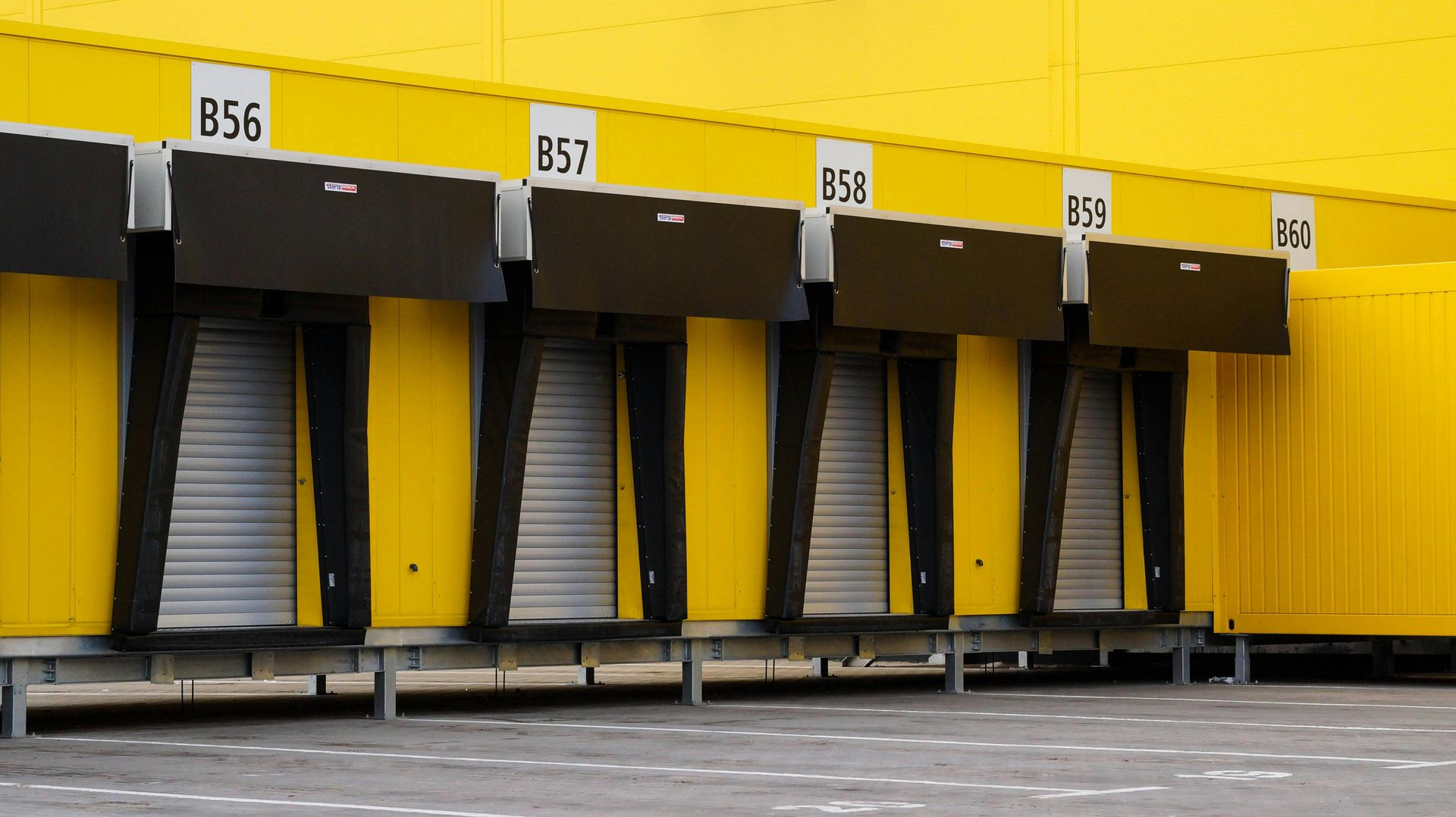
A row of four industrial loading dock bays with metal roller doors against a vibrant yellow wall.

Cleaning as an Operational Priority

In distribution and fulfillment centers, small inefficiencies can compound quickly. A slight delay in one area may affect multiple stages of the workflow.


Cleanliness should be viewed as part of the operational system rather than a separate task. When integrated into daily operations, it supports:

  • Faster movement throughout the facility
  • More reliable equipment performance
  • Improved overall organization

These factors contribute to a more consistent and efficient environment.


Supporting Efficient Operations Through Professional Cleaning

Distribution centers operate under constant demand. Maintaining efficiency requires attention to every detail, including the condition of the facility itself.


ABS Facility Solutions provides professional cleaning services designed to meet the specific needs of industrial and distribution environments. From floor care to high-traffic area maintenance, ABS Facility Solutions helps businesses maintain clean, efficient facilities that support daily operations. To learn more about how professional cleaning can improve efficiency in your facility, contact ABS Facility Solutions today.
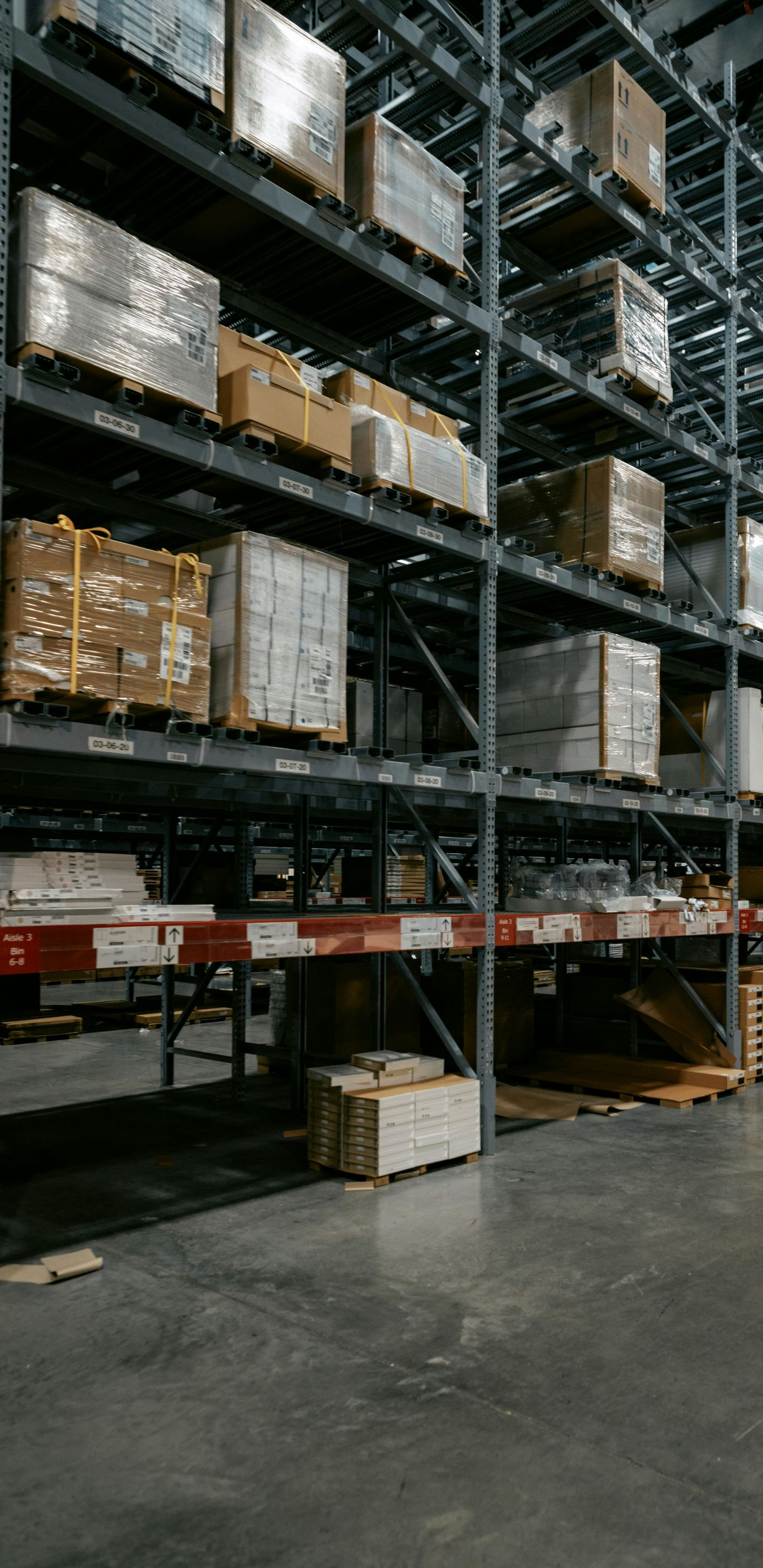
Tall metal industrial shelving units stocked with cardboard boxes and palletized goods in a warehouse setting.
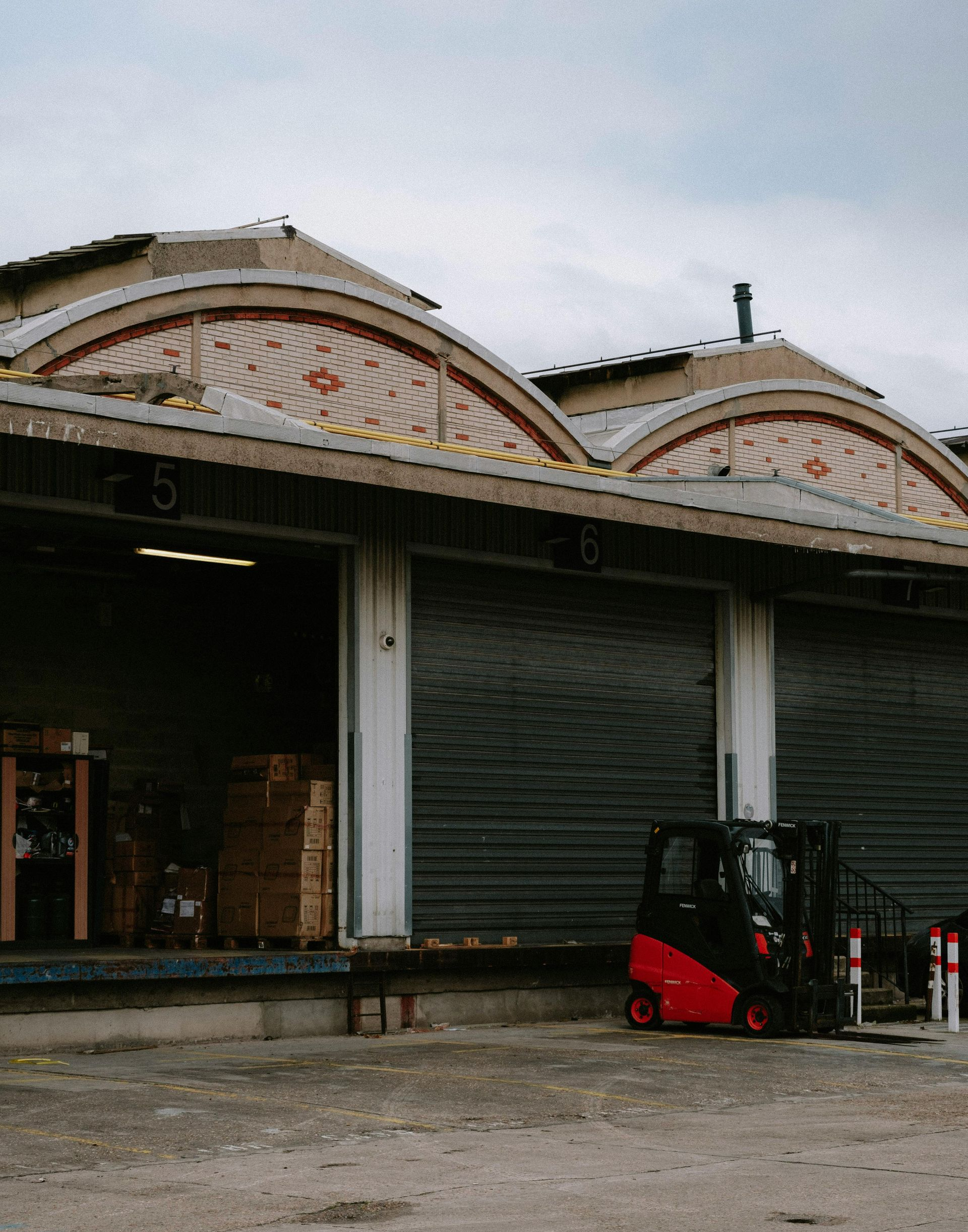
A red forklift parked outside a warehouse with arched roof details and open loading bays.
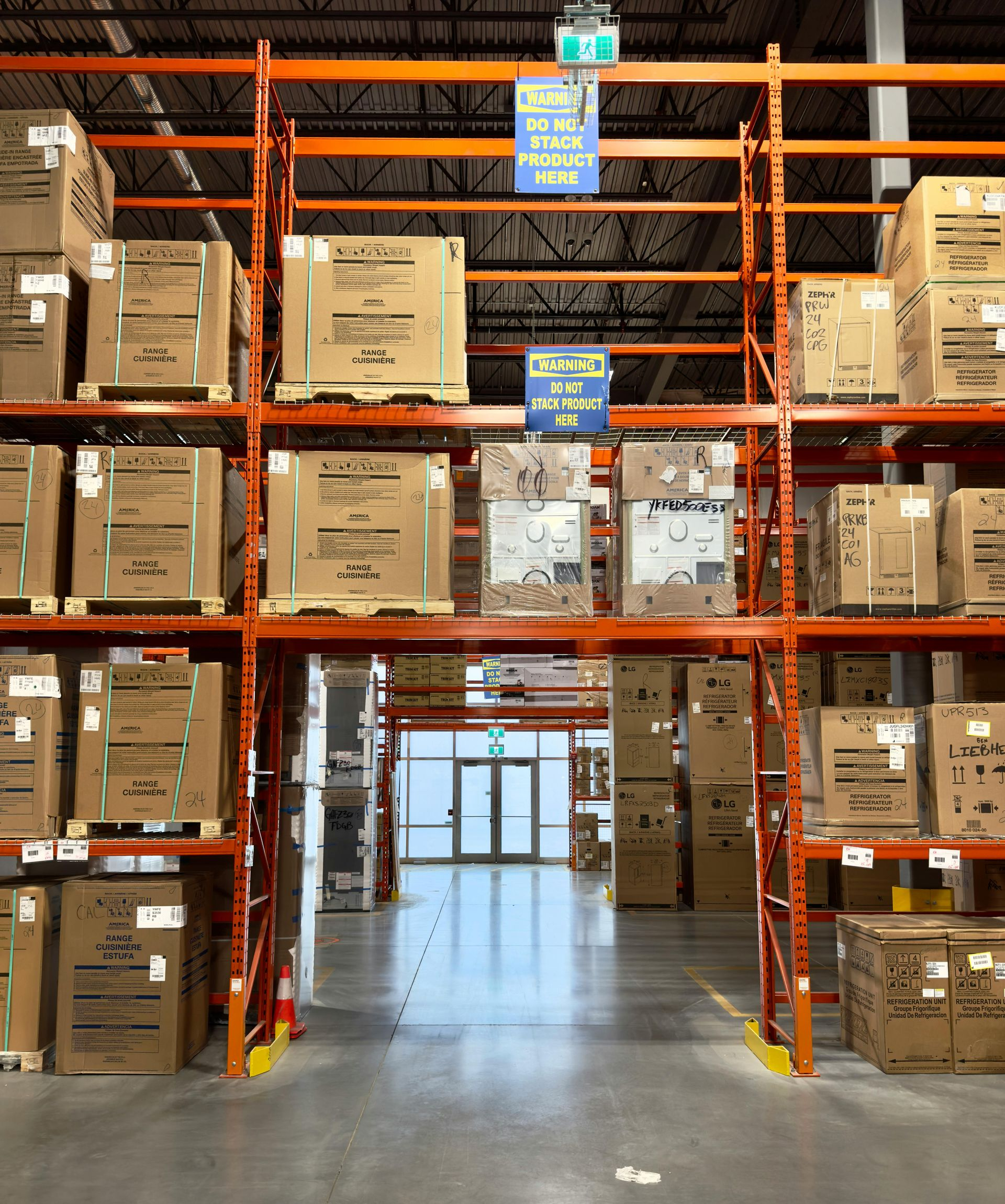
Warehouse aisle with tall orange metal shelves packed with stacked cardboard boxes, leading toward glass exit doors.
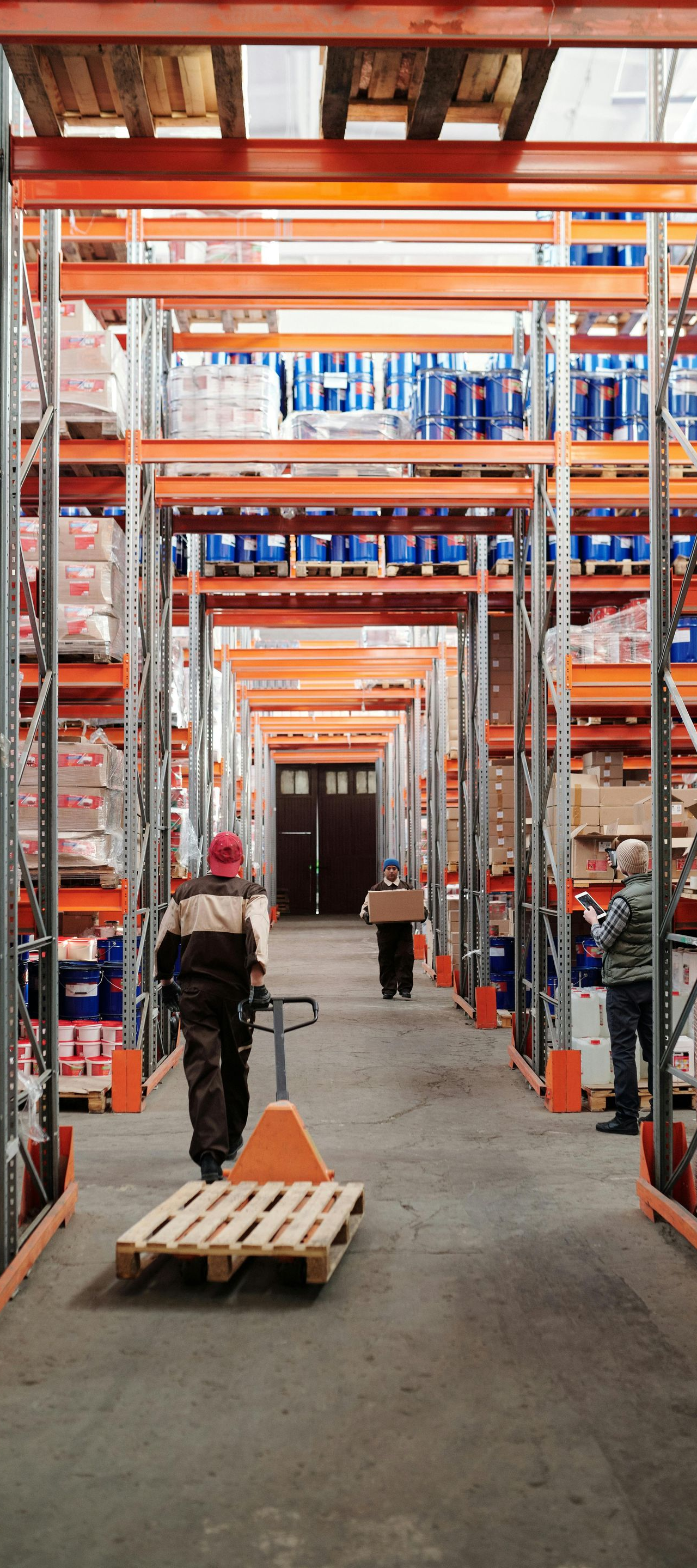
Workers navigate an aisle in a warehouse filled with tall orange metal shelving units containing stacked goods.
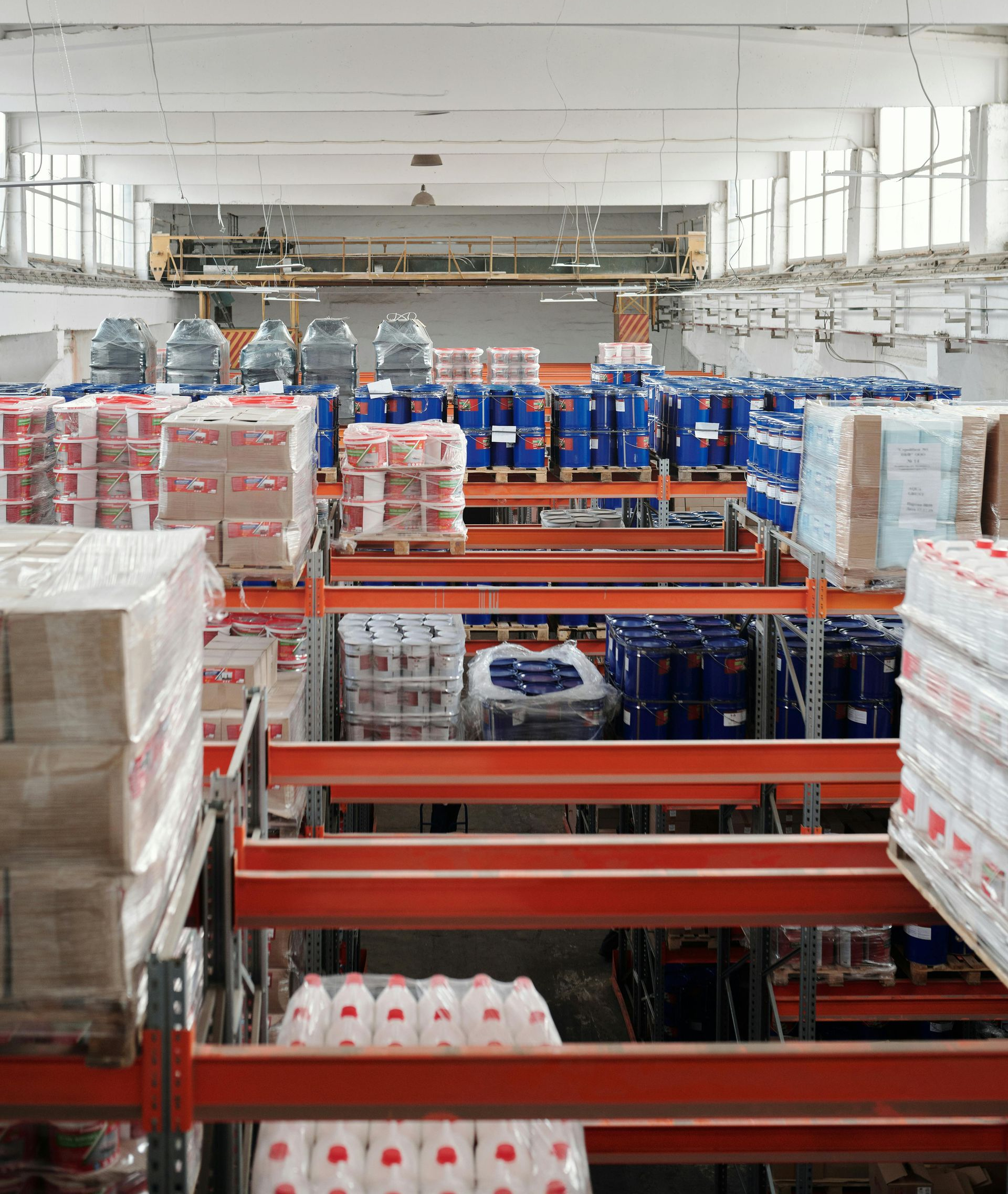
Warehouse interior with rows of tall orange shelving units stocked with stacked, wrapped boxes and blue plastic barrels.
A black manual pallet jack handle in a warehouse setting, with shelves of stacked goods blurred in the background.
May 15, 2026
Workplace cleanliness is often viewed as a practical necessity. Floors need to be cleaned, trash needs to be removed, and shared spaces need to be maintained. While these tasks are operationally important, cleanliness also affects something less visible but equally significant: how employees perceive management and the organization as a whole. The condition of a workplace communicates priorities. Employees notice whether shared spaces are maintained consistently, whether restrooms are cared for, and whether the overall environment feels organized and professional. These observations shape impressions about leadership, attention to detail, and workplace standards.  At ABS Facility Solutions, we understand that commercial cleaning is not just about appearance. It is part of how businesses communicate professionalism and consistency internally.
May 6, 2026
Self-storage facilities are often viewed as low-maintenance environments. Unlike offices, retail spaces, or residential buildings, they do not typically involve daily foot traffic from the same occupants. Units are rented, accessed periodically, and secured again. Because of this, many assume that cleaning needs are minimal. In reality, self-storage facilities present a unique set of challenges that make professional cleaning an important part of ongoing operations.  At ABS Facility Solutions, maintaining clean and functional environments across a range of industries includes spaces that are often overlooked, such as self-storage properties. The Nature of Storage Environments Self-storage facilities are designed for durability and utility, not continuous occupancy. Units may sit empty for periods of time, or they may be used to store a wide range of items, including furniture, equipment, and personal belongings. This variability creates conditions where dirt, dust, and debris can accumulate without immediate notice. Because units are not consistently occupied, small issues can develop over time. Dust can settle on surfaces, debris can collect in corners, and environmental factors such as moisture or airflow can affect overall cleanliness. Without regular attention, these conditions can impact both the appearance and usability of the facility.
May 2, 2026
Co-working spaces have become a prominent part of the modern workplace. Designed for flexibility and shared use, these environments bring together individuals and businesses under one roof. While this model offers clear advantages in collaboration and efficiency, it also creates unique challenges when it comes to maintaining cleanliness.  Unlike traditional office settings, co-working spaces operate with constant movement, varied usage patterns, and shared responsibility for common areas. As a result, they require a more adaptive and strategic approach to cleaning. A Constantly Changing Environment One of the defining characteristics of co-working spaces is their dynamic nature. Occupants may change daily, and usage levels can fluctuate throughout the week. This creates conditions where: Workstations are used by different individuals over short periods Common areas experience continuous traffic Cleaning needs shift based on occupancy levels Because there is no fixed routine for how the space is used, cleaning strategies must be flexible enough to respond to these variations.