How a Facility Can Be Overcleaned in One Area and Undermaintained in Another
A commercial building can spend a great deal of time and money on cleaning and still end up with uneven results.
One area may be serviced more often than necessary while another collects fingerprints, dust, floor wear, trash, or restroom complaints between cleanings.
This usually happens when the cleaning schedule is built around habit rather than actual use.
A better approach is to match service frequency to traffic, function, and the way people move through the facility.
Not Every Space Needs the Same Attention
A private office used by one person does not create the same cleaning demand as a lobby, elevator, restroom, breakroom, or shared conference area.
Yet many cleaning programs treat all spaces as though they require the same frequency.
That can create inefficiency.
A lightly used area may receive more service than it needs, while a heavily used area declines faster than the schedule can keep up with.
ABS Facility Solutions can help
facility managers evaluate how spaces are actually being used and adjust the cleaning plan accordingly.

High-Traffic Areas Change Faster
The busiest parts of a building often show wear first.
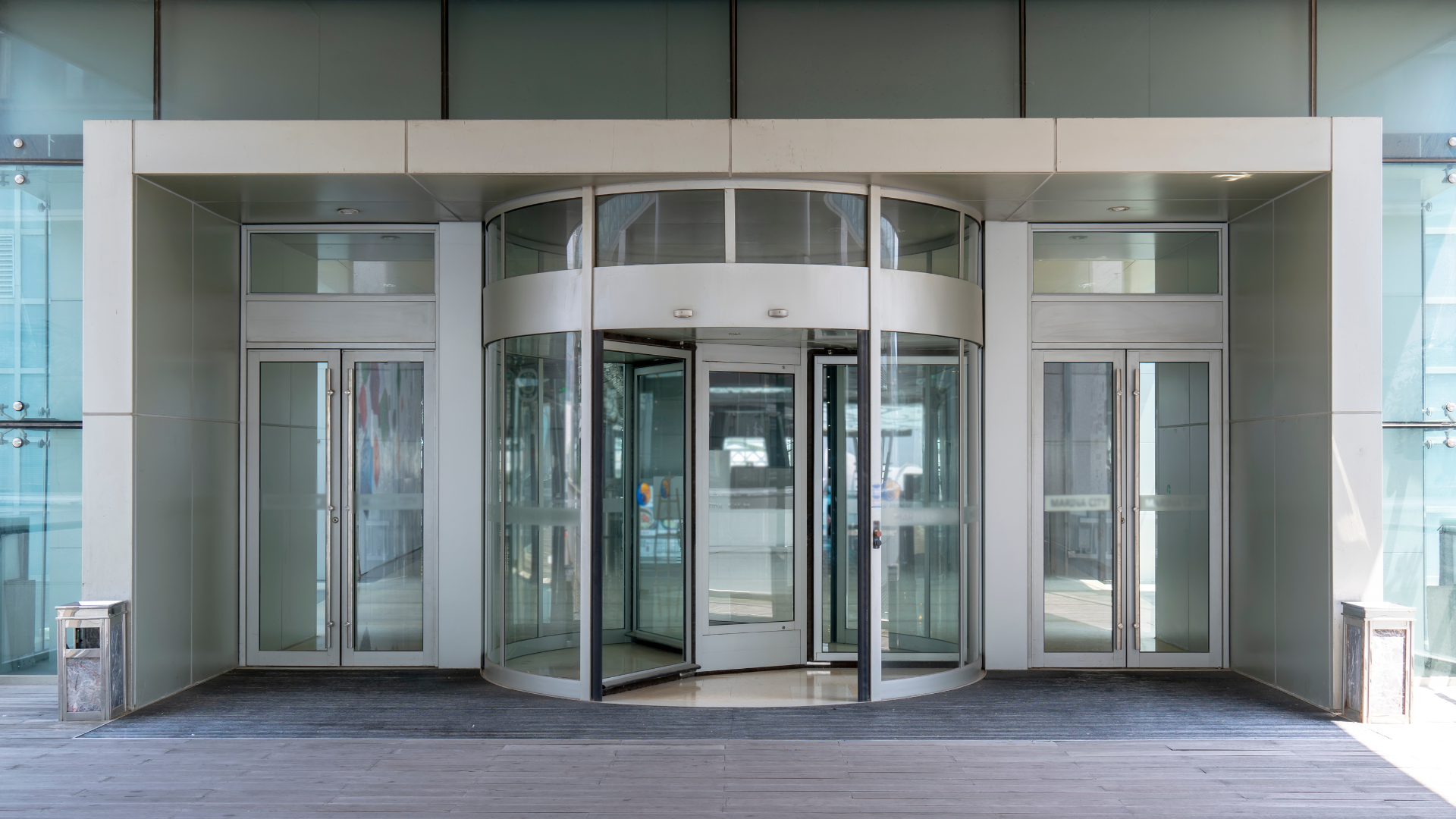
Entrances collect outdoor debris.
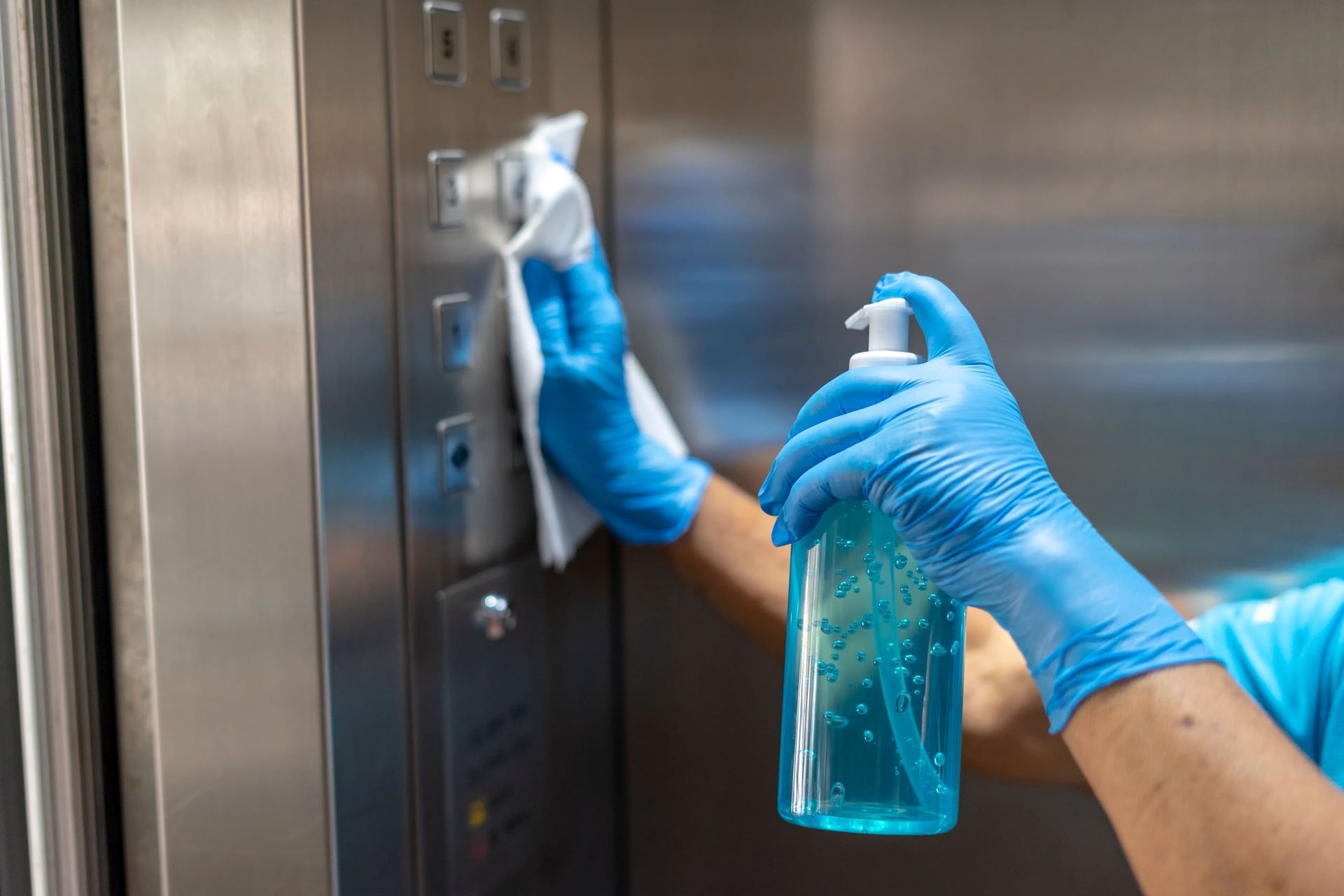
Elevators gather fingerprints.
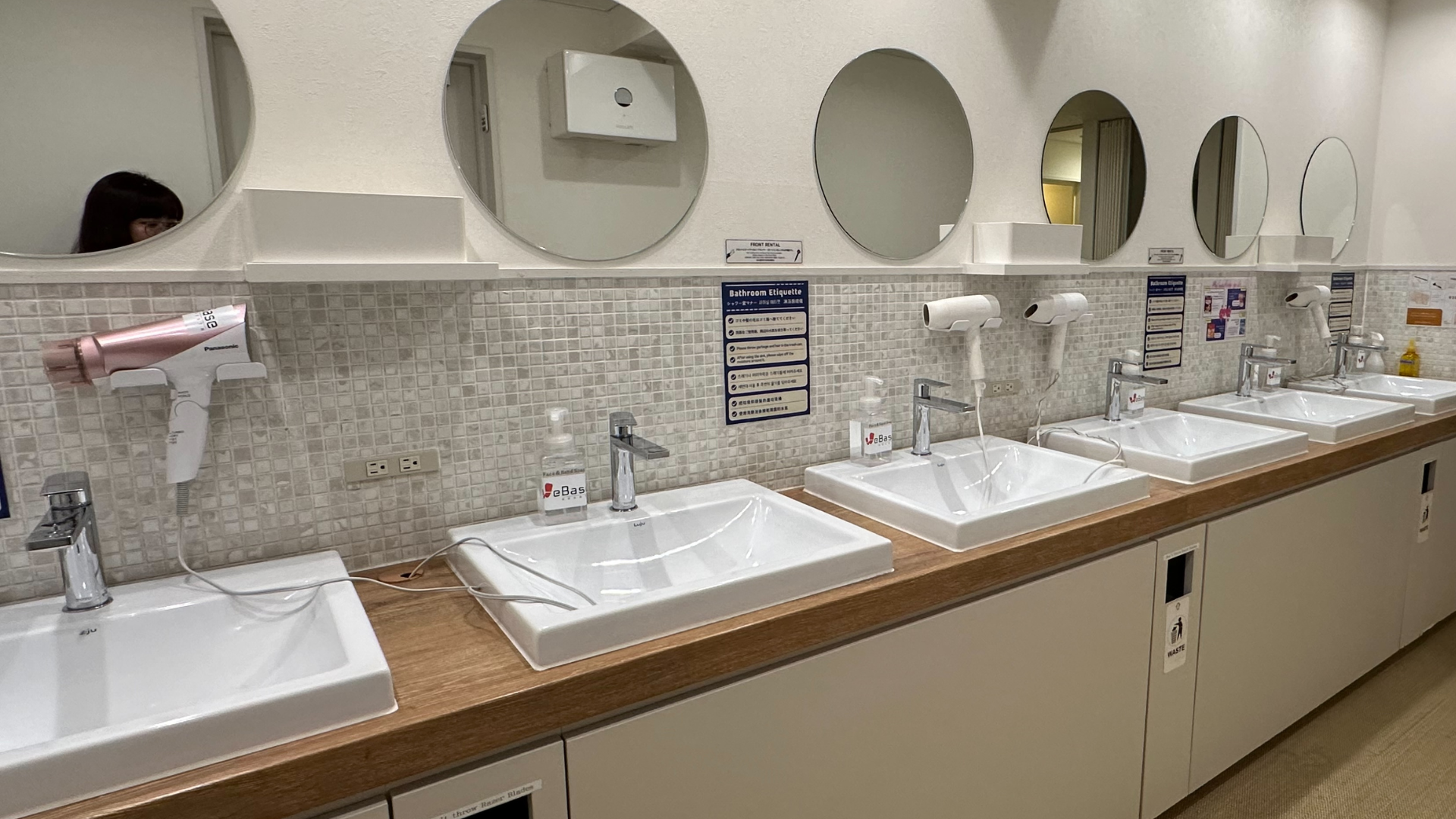
Restrooms can run low on supplies.
Breakrooms accumulate crumbs, spills, and trash.
Hallways experience constant foot traffic.
If those areas are cleaned only once per day, they may look good in the morning and neglected by midafternoon.
That does not necessarily mean the cleaning team is doing poor work.
It may mean the schedule no longer matches the building.
Overcleaning Can Waste Time and Budget
Cleaning more often is not always better.
A low-use space that receives unnecessary daily attention can consume labor that might be more valuable elsewhere.
There is also a difference between routine cleaning and periodic maintenance.
Floors, for example, may need regular cleaning but only occasional deeper care depending on traffic and surface type.
Applying the same level of service everywhere can increase cost without improving the appearance of the facility.
The goal should be appropriate frequency, not maximum frequency.
Complaints Often Point to Scheduling Gaps
Repeated complaints can reveal where the cleaning plan is out of balance.
If tenants consistently mention restroom conditions at 3 p.m., the issue may not be the quality of the morning cleaning.
The problem may be that the restroom needs a midday check.
If a lobby looks dirty every rainy day, the entrance may need more frequent mat care and spot cleaning during wet weather.
Facility managers can learn a great deal by looking for patterns instead of treating every complaint as an isolated incident.
Day Porter Service Can Fill the Gaps
Some buildings benefit from having cleaning support available during operating hours.
Day porter service can help manage spills, trash, fingerprints, restroom supplies, and other issues that develop between scheduled cleanings.
This can be especially valuable in multi-tenant properties, healthcare facilities, busy offices, and buildings with steady visitor traffic.
Rather than increasing the frequency of every task, a day porter can focus on the areas that change most throughout the day.
That creates a more responsive system.

Cleaning Data Does Not Have to Be Complicated
Facility managers do not need a complex tracking system to improve cleaning priorities.
Simple observations can be enough.
Which restrooms receive the most traffic?
Which entrances collect the most dirt?
Which floors show scuffs first?
Where do complaints happen most often?
Which spaces remain clean for several days with minimal attention?
Those answers can help redistribute effort.
A cleaning plan should reflect the actual building, not just a generic checklist.
Balance Creates Better Results
The best commercial cleaning programs are not necessarily the ones that clean everything more often.
They are the ones that put the right amount of attention in the right places.
That means reducing unnecessary service where demand is low and increasing attention where traffic, use, and visibility are high.
ABS Facility Solutions provides commercial janitorial services, floor care, restroom maintenance, day porter support, healthcare cleaning, and other facility services designed around the way buildings are actually used.
If some areas of your facility always seem spotless while others are constantly falling behind, the problem may not be effort.
It may be how that effort is being distributed.