Why Healthcare Cleaning Requires More Than Standard Office Janitorial Work
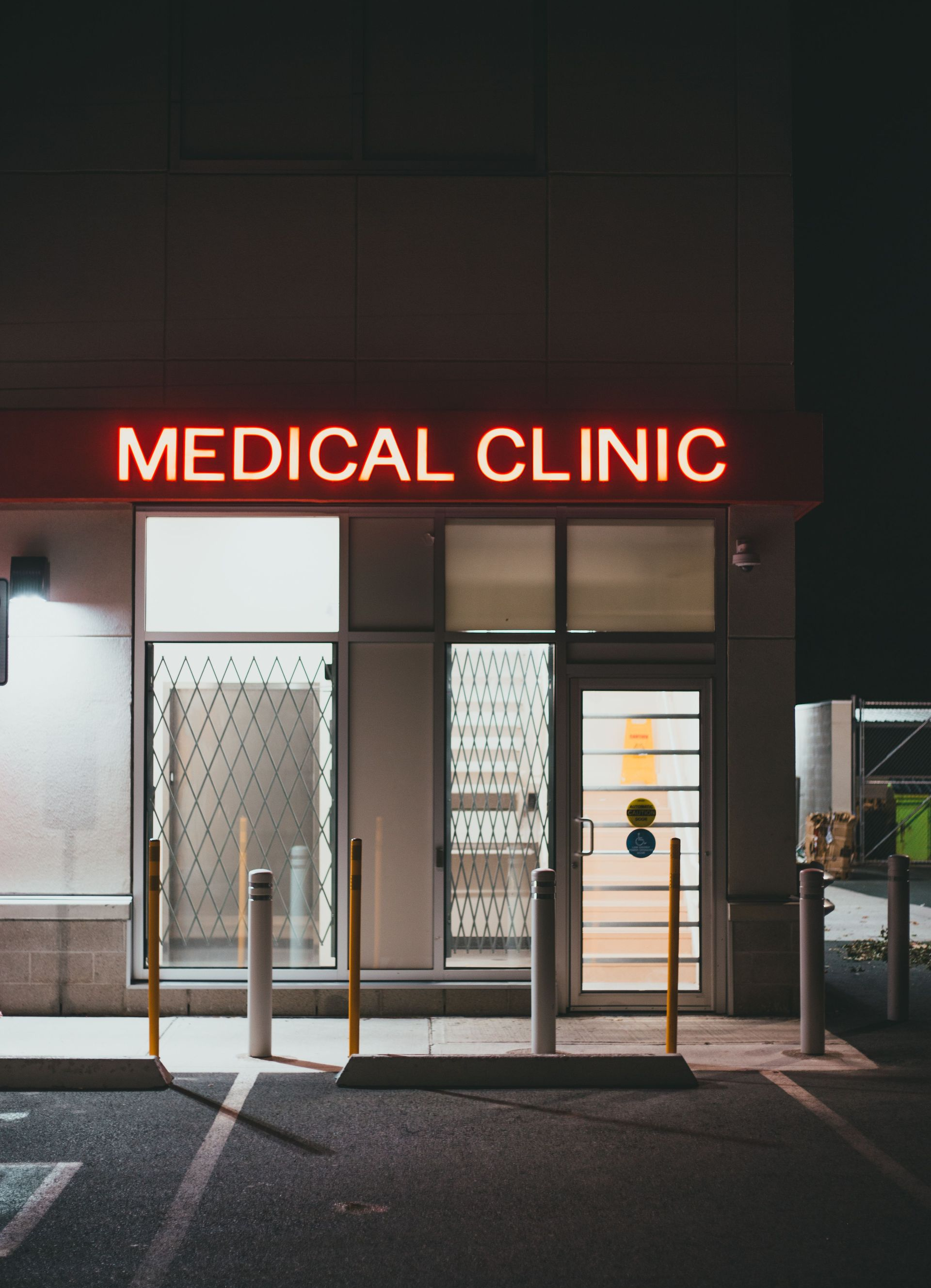
A medical office and a standard office building may both have waiting areas, restrooms, desks, floors, and shared surfaces.
That does not mean they should be cleaned the same way.
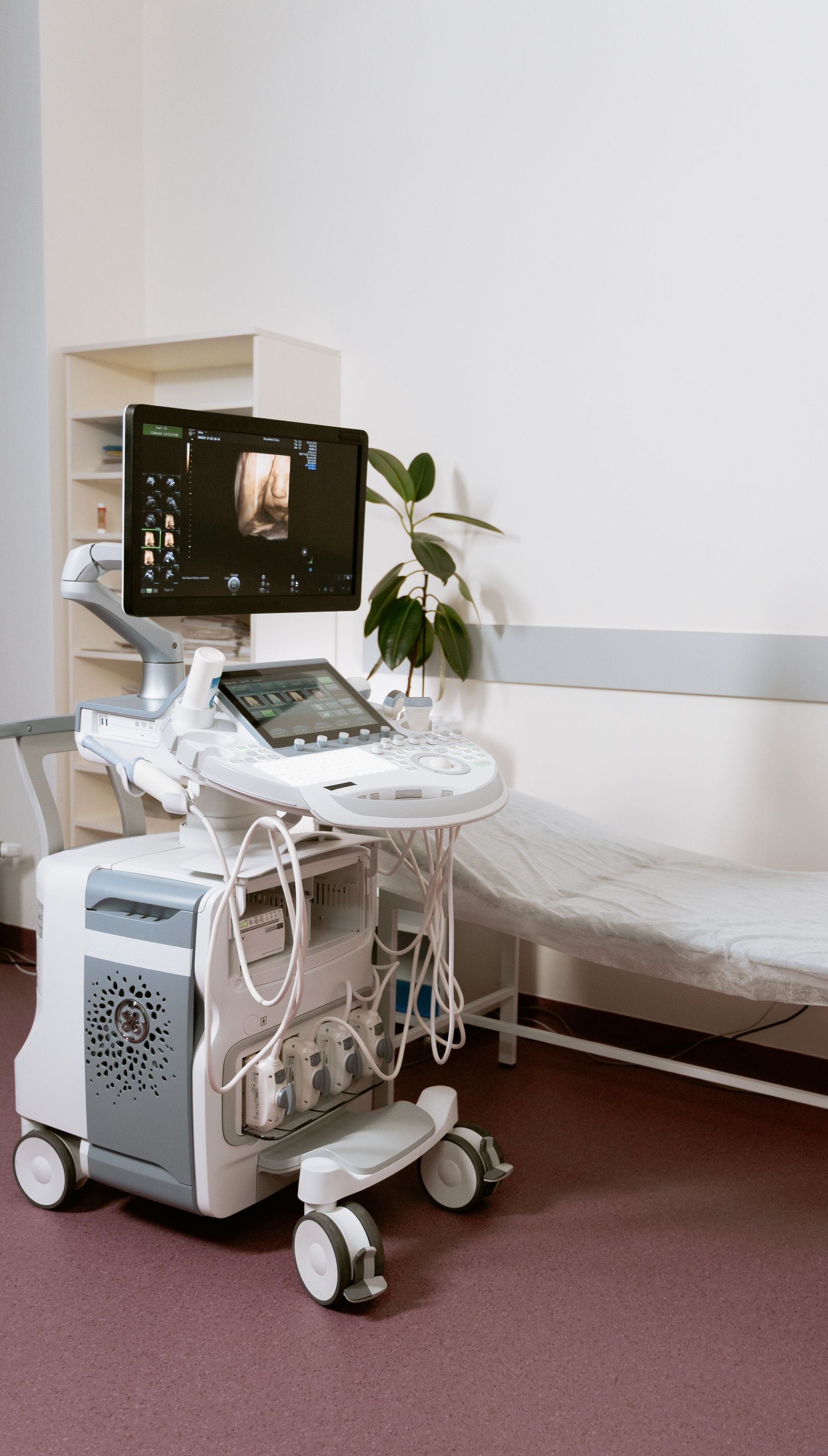
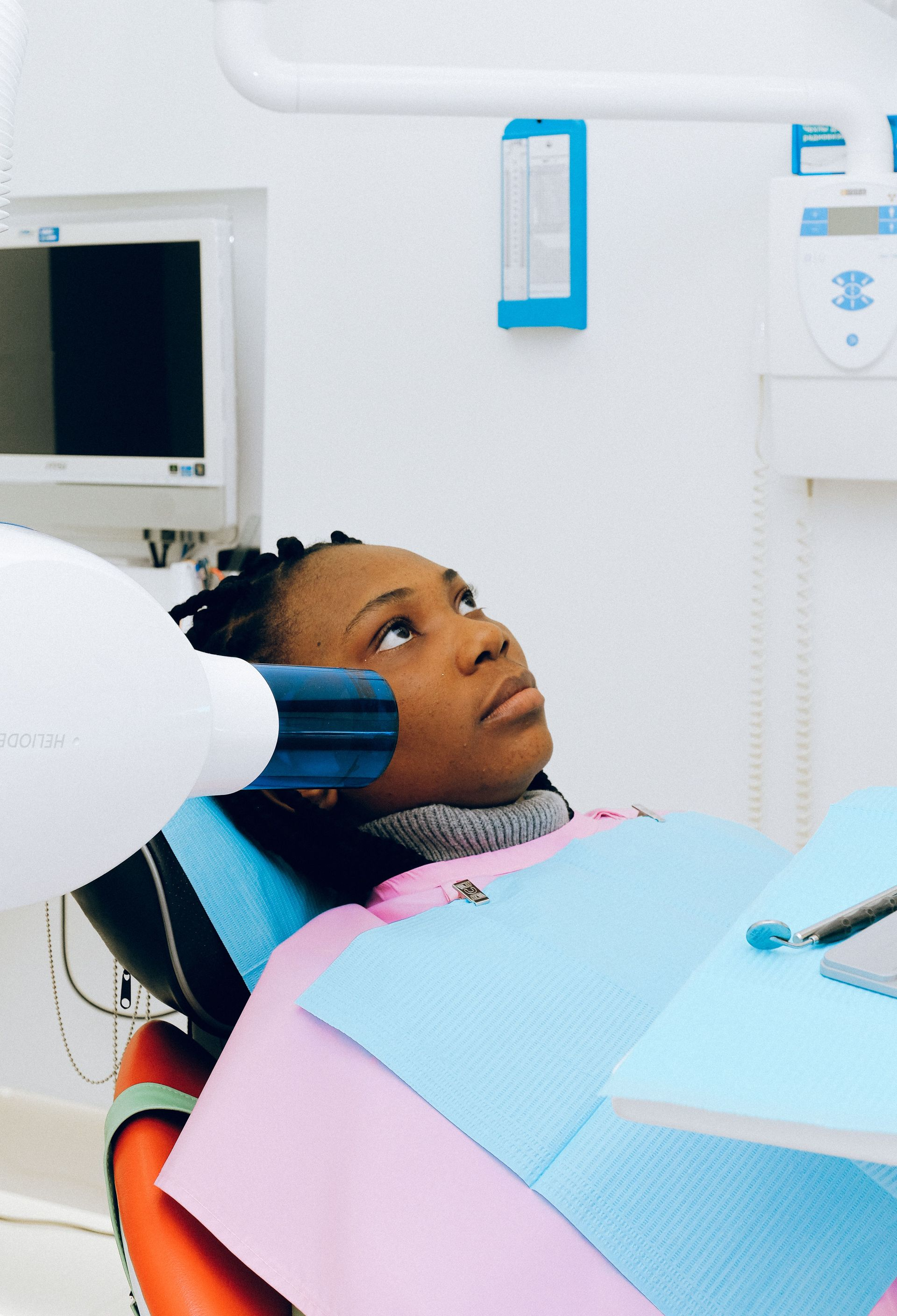
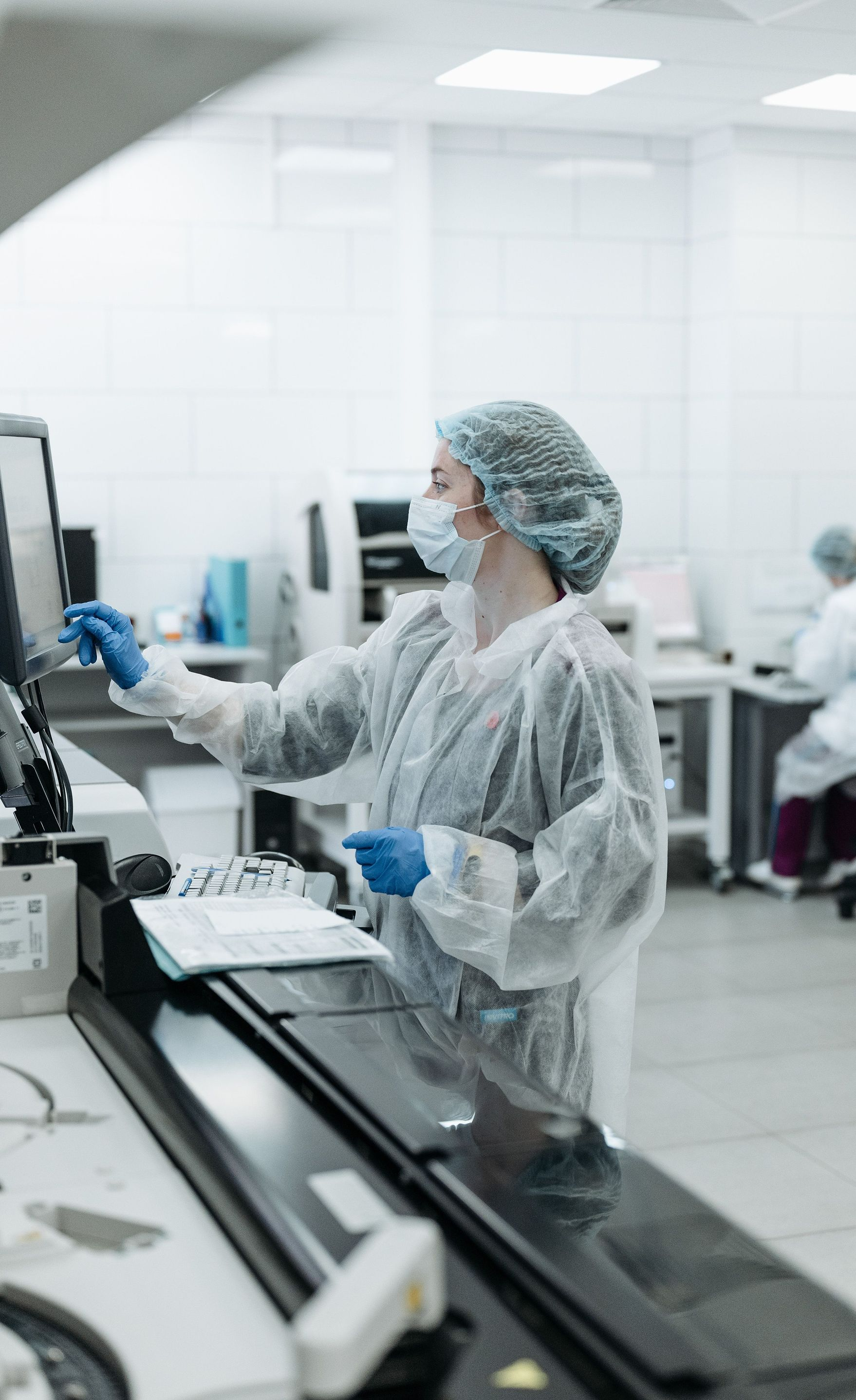
Healthcare environments often require a more deliberate approach because patient traffic, exam spaces, shared equipment, high-touch surfaces, and infection-control expectations create different demands.
The goal is not simply to make the facility look clean.
The cleaning program also needs to support a more controlled, consistent environment for patients and staff.

Different Spaces Need Different Priorities
A medical facility is rarely one uniform type of space.
The waiting room serves a different purpose than an exam room.
Administrative offices have different needs from treatment areas.
Restrooms, hallways, check-in counters, and shared staff areas each have their own traffic patterns and touchpoints.
Treating every area with the same routine can lead to gaps.
A stronger approach identifies how each space is used and sets priorities accordingly.
That can include more frequent attention to high-touch surfaces, more structured restroom service, and different cleaning methods for patient-facing areas compared with back-office spaces.

High-Touch Surfaces Deserve Consistent Attention
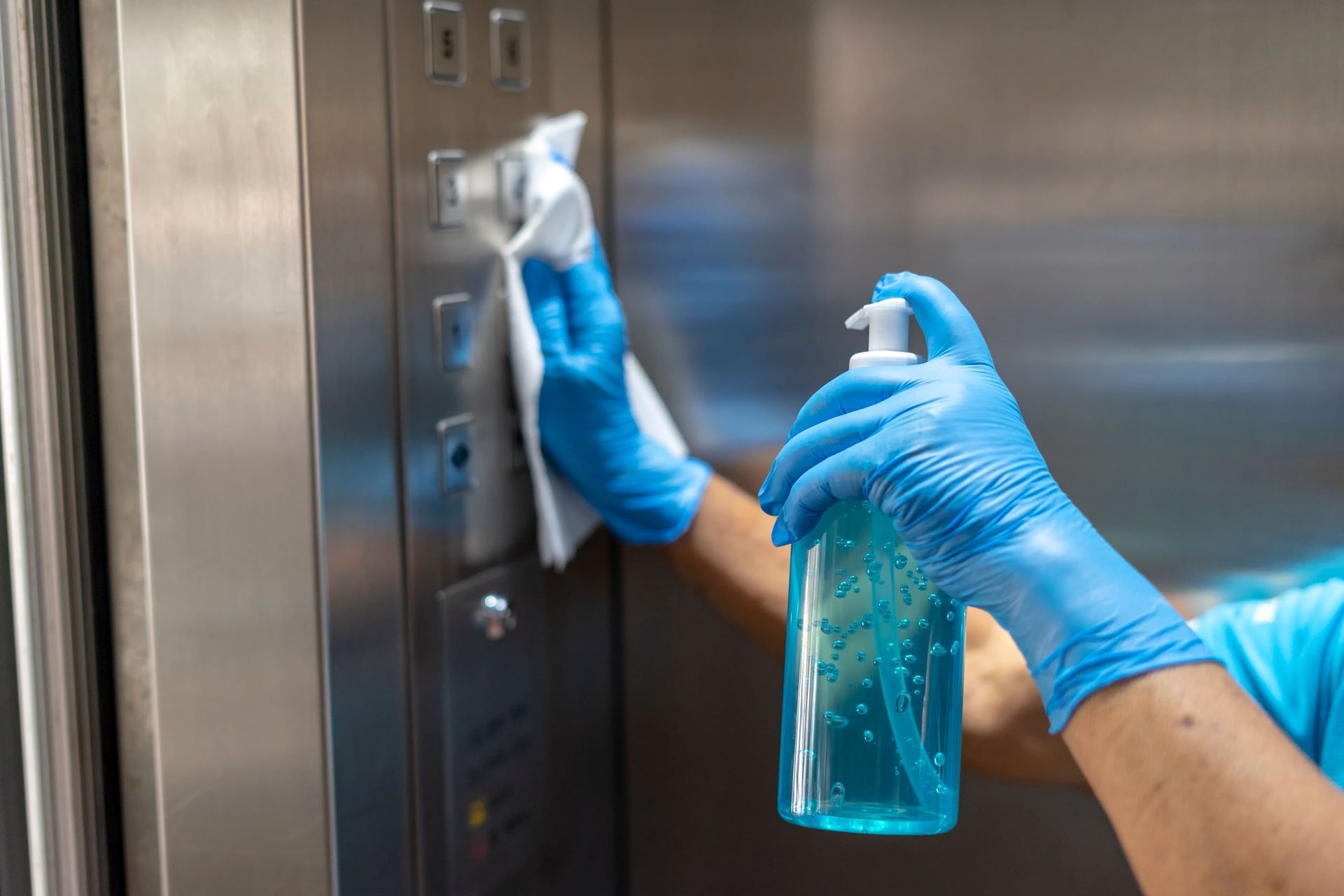
Door handles, chair arms, check-in counters, light switches, restroom fixtures, and other frequently touched surfaces can quickly accumulate soil and contaminants.
In a healthcare setting, those surfaces often need more deliberate attention than they would in a low-traffic office.
The important word is consistency.
Cleaning these areas once and assuming the job is done for the day may not match how heavily the facility is being used.
A cleaning program should account for real traffic levels and how often certain surfaces are touched.

Waiting Rooms Create Their Own Challenges
Waiting rooms are high-visibility spaces.
They are also shared by many people throughout the day.
Chairs, tables, floors, entry doors, counters, and restrooms can all affect how the facility feels to patients.
Visible dust, full trash cans, smudged glass, or neglected floors can make the entire space feel less professionally managed.
Because waiting rooms are occupied throughout the day, timing matters.
Cleaning needs to be thorough without creating unnecessary disruption.
That balance is different from cleaning an office after employees leave.

Restrooms Need Reliable Service
Restrooms are one of the most noticeable areas in any facility, and that is especially true in healthcare.
Supplies need to be available.
Trash needs to be removed before it overflows.
Sinks and fixtures need regular attention.
Floors need to remain presentable and safe.
A restroom may require service at multiple points during the day rather than relying on one scheduled cleaning.
That is where a responsive janitorial or day porter model can be especially useful.
Consistency Matters Across Every Shift
A healthcare cleaning program should not depend on whether a particular employee happens to notice a problem.
Standards need to be repeatable.
That means clear responsibilities, documented priorities, appropriate products, and service schedules that match how the facility actually operates.
Consistency helps reduce missed areas and makes it easier for facility managers to evaluate whether the program is working.
ABS Facility Solutions can structure cleaning around the unique needs of healthcare environments rather than applying a generic office checklist.
Communication Is Part of the Cleaning Plan
Medical facilities often change throughout the day.
Rooms turn over.
Traffic surges.
Spills happen.
Supplies run low.
A cleaning team that communicates well with facility staff can respond more effectively to those changing conditions. That responsiveness can be just as important as the original schedule.
Healthcare Cleaning Needs a More Specialized Approach
A healthcare facility should not be treated like an ordinary office simply because some of the surfaces look similar. The patterns of use, expectations, and service priorities are different.
ABS Facility Solutions provides commercial janitorial, restroom service, floor care, day porter, disinfection, and specialized cleaning support for facilities that require a more responsive approach.
For medical offices and other healthcare environments, the best cleaning plan is one built around how patients, staff, and shared spaces actually interact throughout the day.