Maintaining Healthcare Facilities With Professional Cleaning Programs
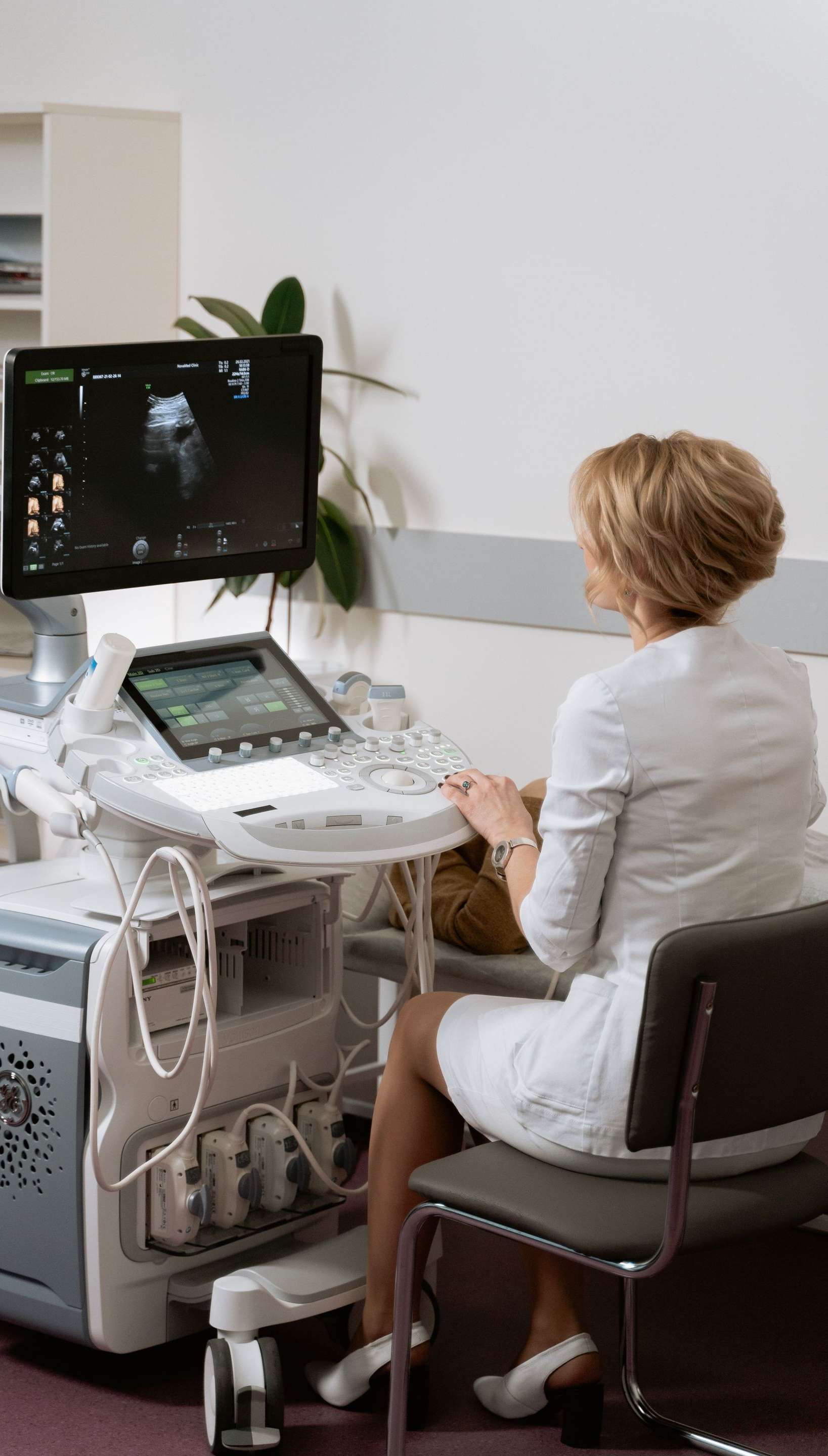
Healthcare facilities operate under unique demands. Every day, patients, visitors, physicians, nurses, and support staff depend on clean, well-maintained environments that promote comfort, professionalism, and efficient operations. From medical offices and outpatient clinics to specialty care centers and healthcare campuses, cleanliness is far more than an aesthetic concern—it is an essential part of facility management.
Professional janitorial services help healthcare organizations maintain consistently clean environments while supporting day-to-day operations and helping facilities meet their own cleanliness and maintenance standards.
Healthcare Facilities Require Specialized Cleaning
Medical environments differ significantly from traditional office buildings.
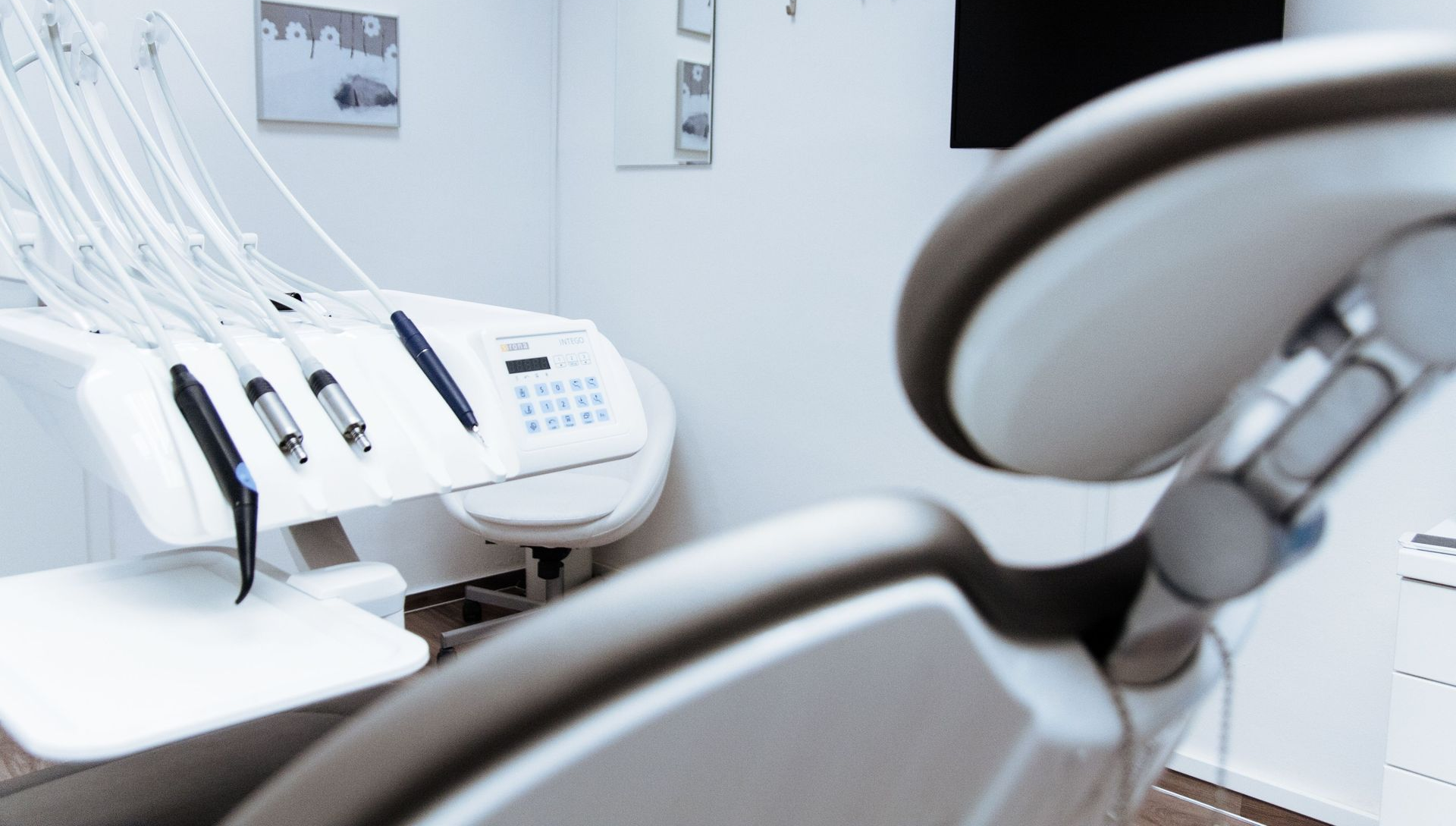
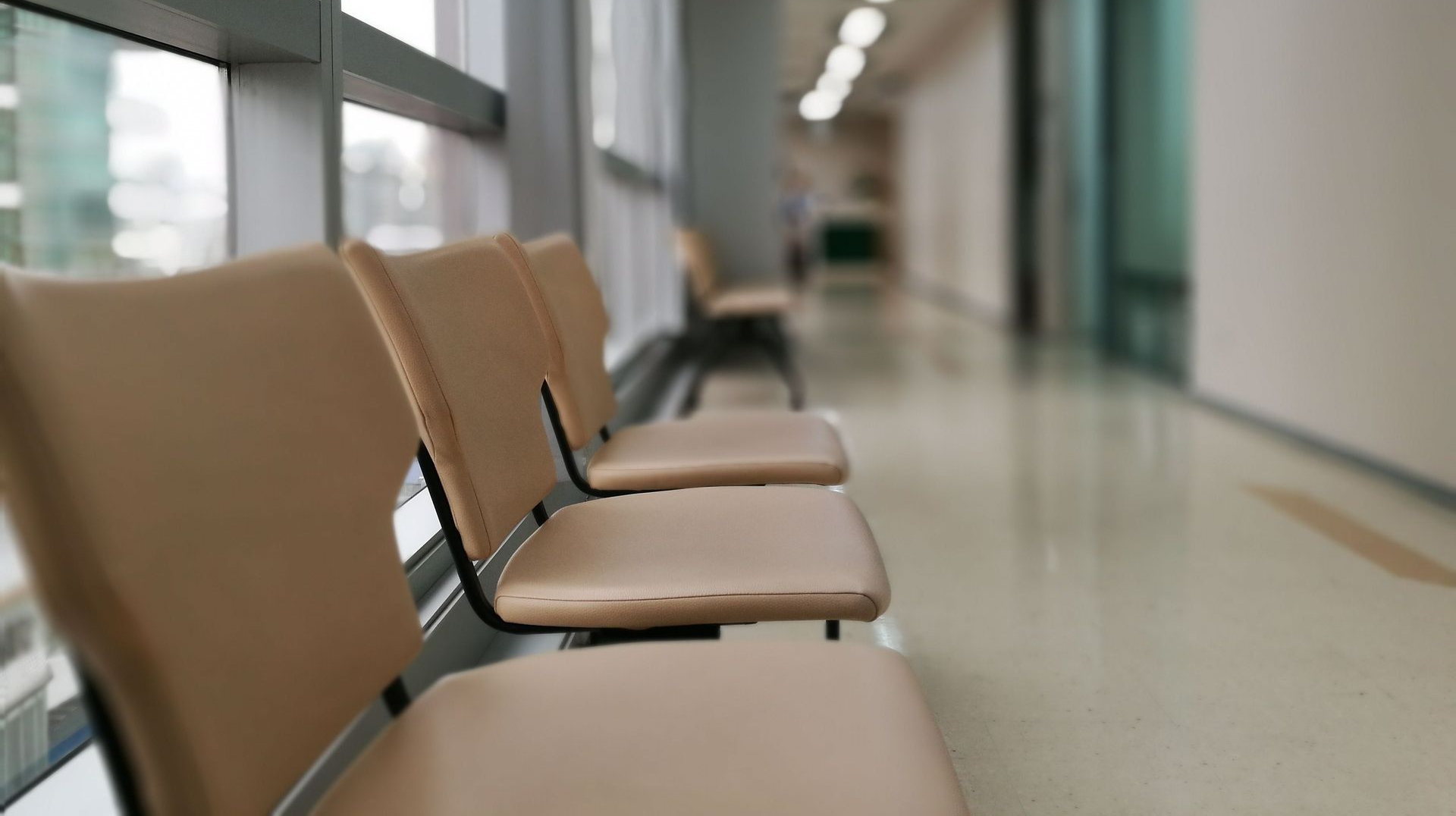
Patient waiting areas, examination rooms, restrooms, administrative offices, break rooms, and common spaces each have different cleaning needs and traffic patterns. These areas require carefully planned cleaning schedules and procedures that address the specific functions of each space while minimizing disruption to patients and staff.
A customized cleaning program helps ensure that every area receives the appropriate level of attention.
Consistency Matters
Healthcare facilities rarely have downtime.
Many operate long hours or around the clock, making consistent cleaning essential. Dust, dirt, fingerprints, spills, and everyday wear can accumulate quickly in high-traffic environments. Without a structured maintenance program, these issues may affect the appearance of the facility and create additional maintenance challenges.
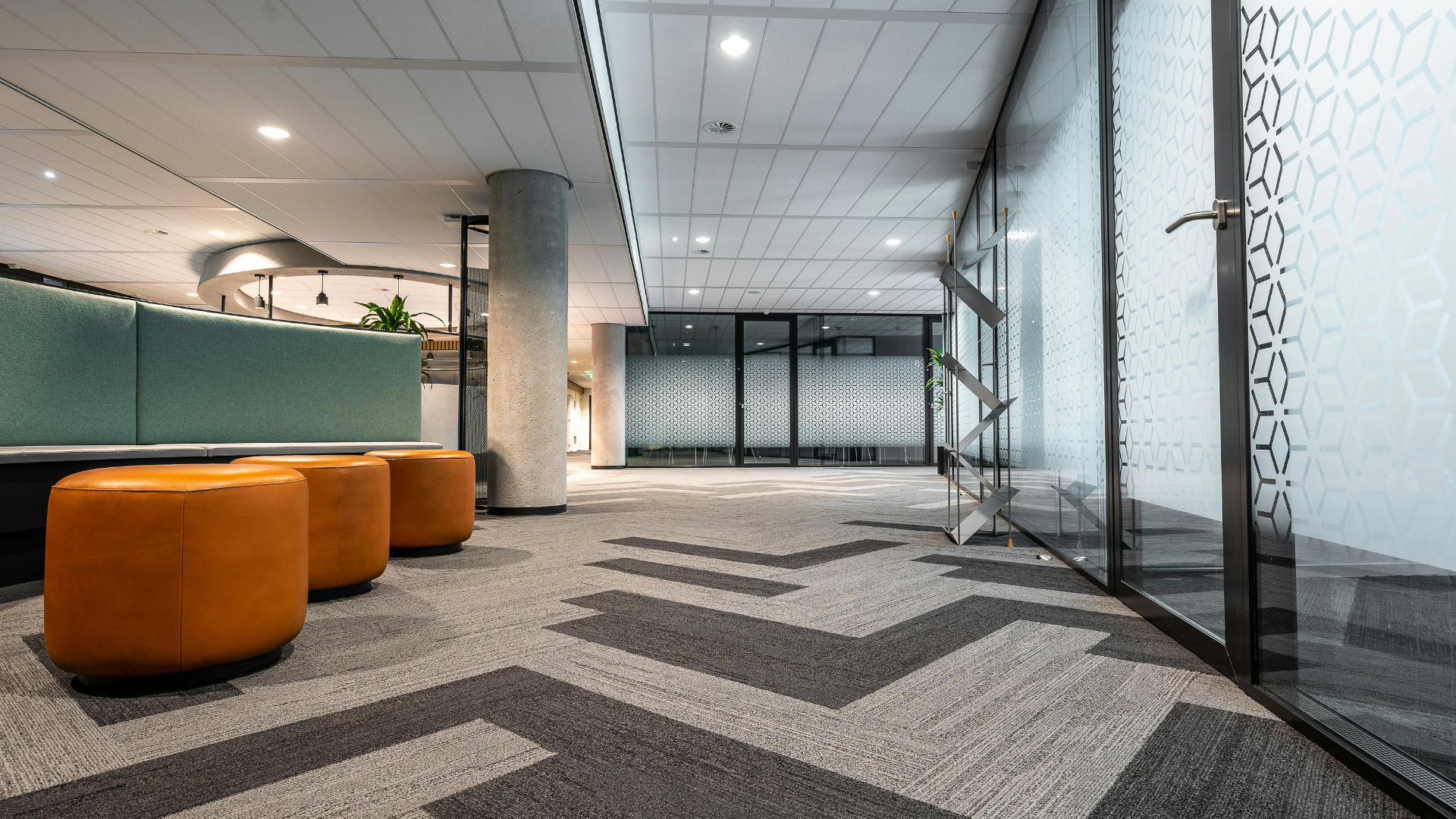
Routine janitorial services help maintain a professional appearance while supporting an organized and welcoming environment for everyone who enters the building.
High-Touch Areas Deserve Special Attention
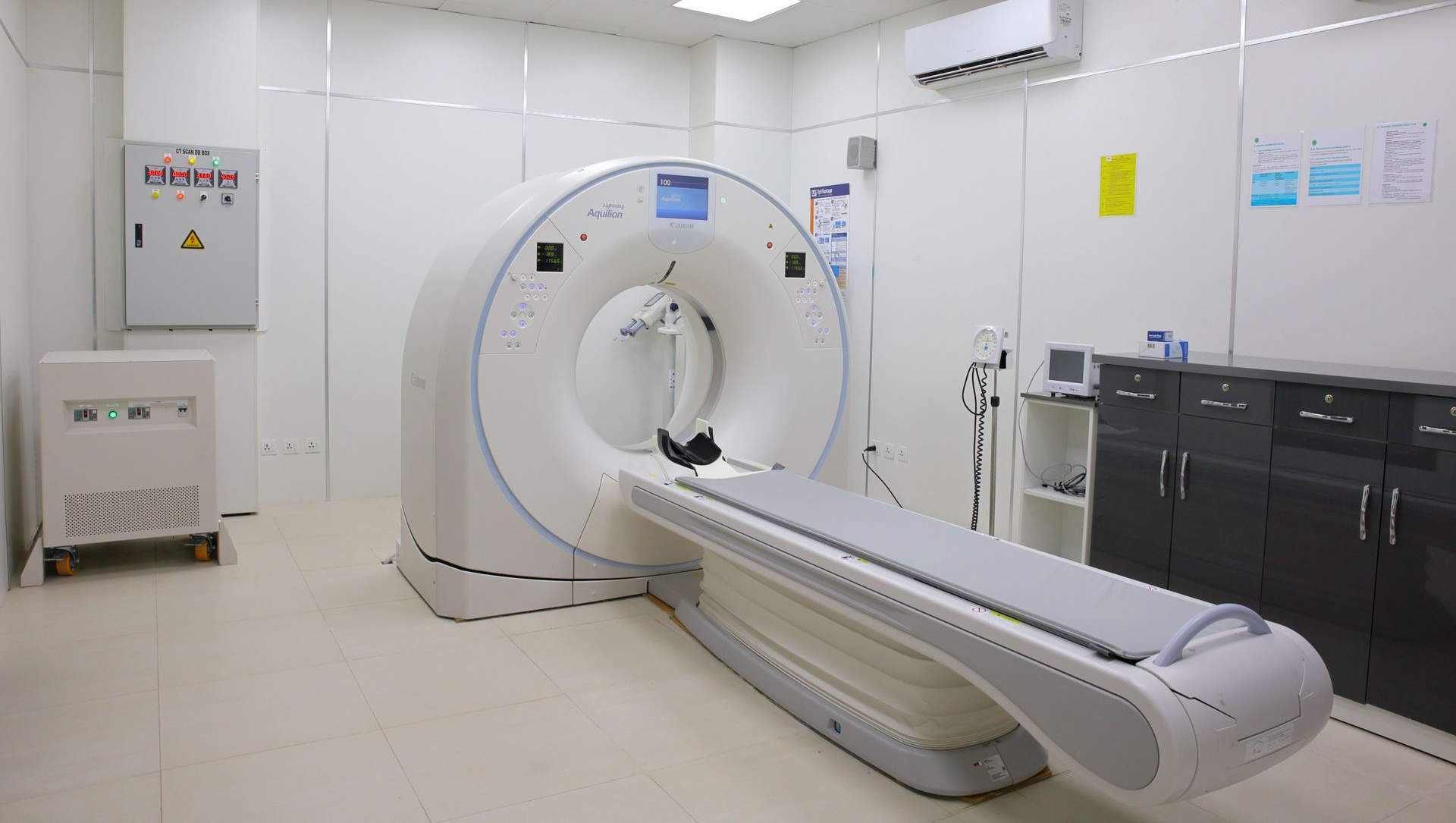
Throughout any healthcare facility, certain surfaces receive frequent contact during the day.
Door handles, reception counters, waiting room furniture, elevator buttons, handrails, light switches, and shared workspaces all experience repeated use by patients, visitors, and employees. Incorporating these high-touch areas into a regular cleaning schedule helps facilities maintain consistent cleanliness throughout the building.
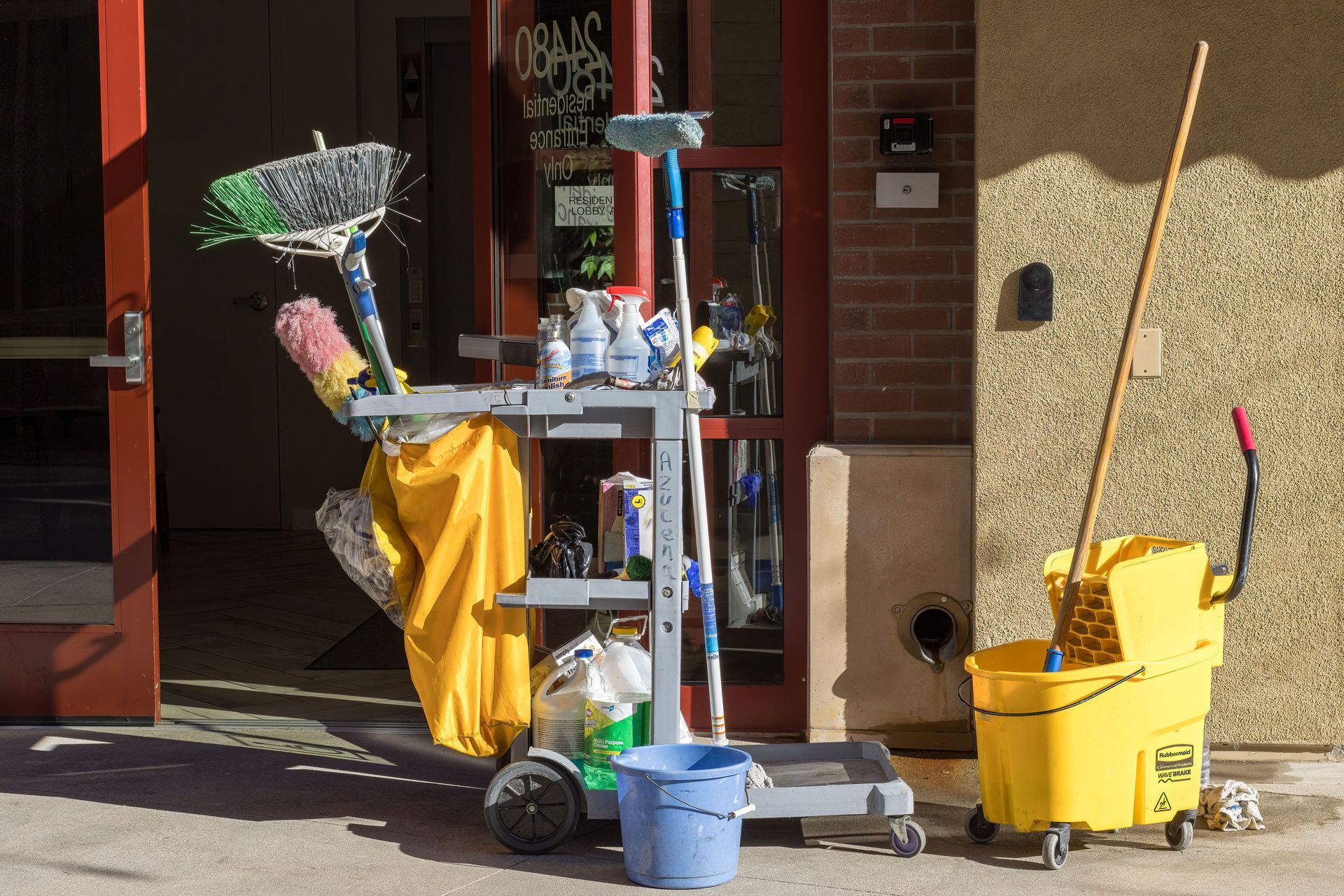
Professional cleaning teams follow established procedures designed to address these frequently used surfaces as part of a comprehensive maintenance program.
Floor Care Supports Safety and Appearance
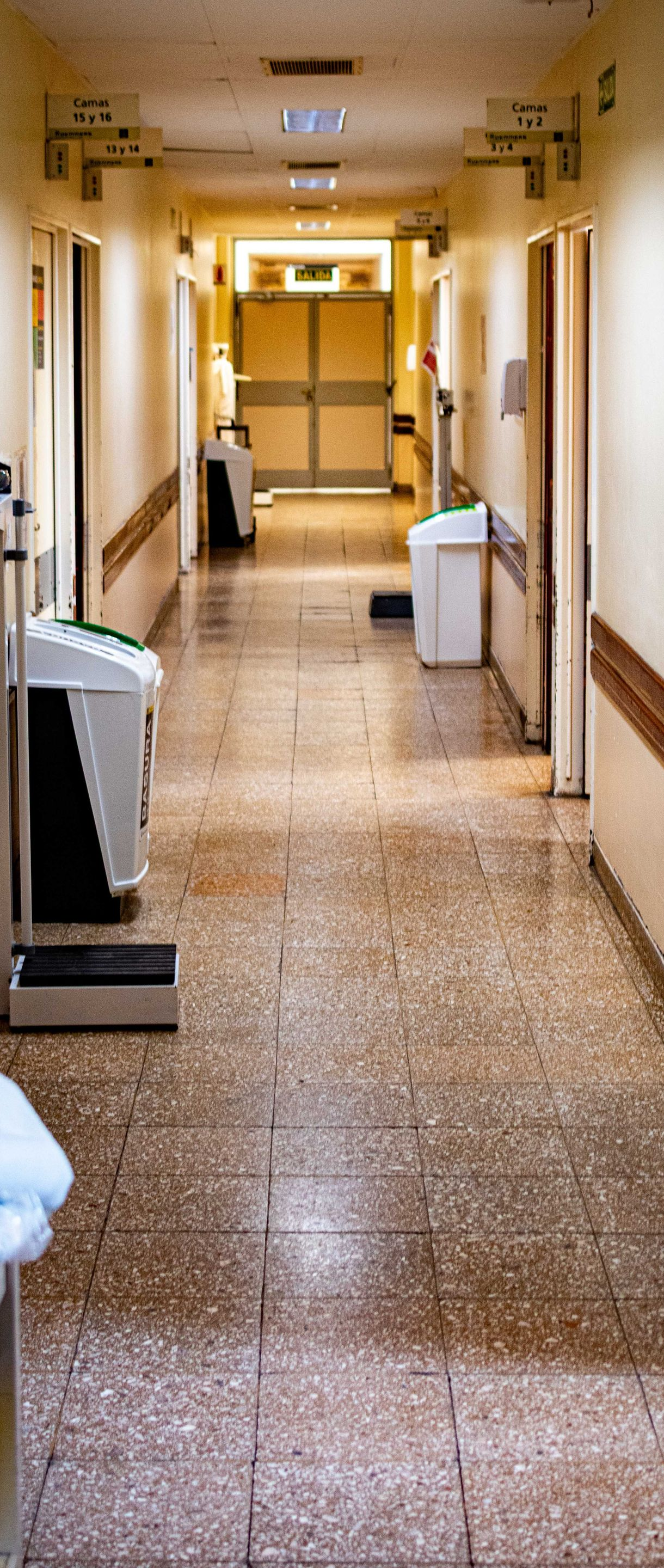
Healthcare flooring experiences constant foot traffic from patients, visitors, wheelchairs, carts, and medical equipment.
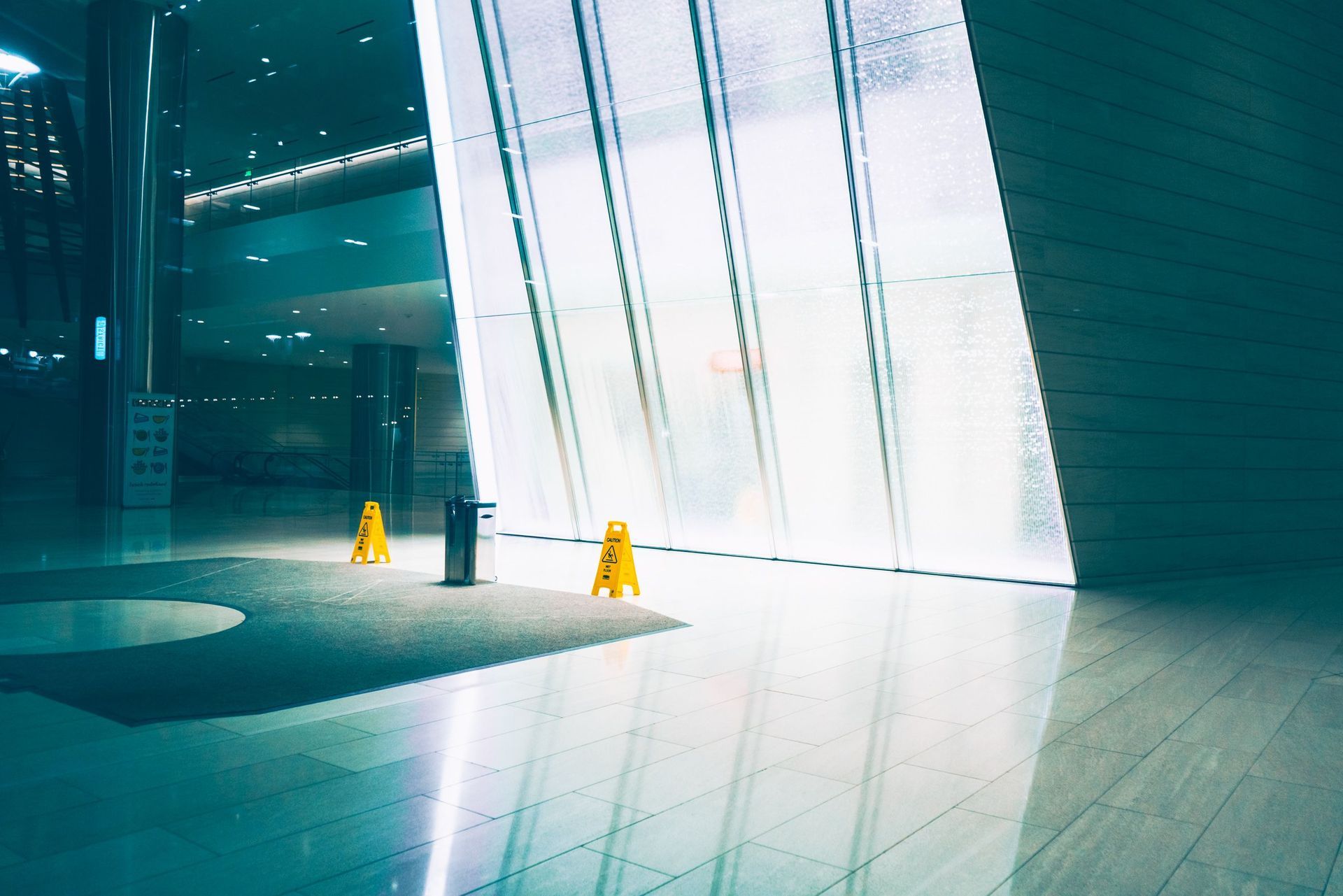
Regular sweeping, mopping, floor maintenance, and periodic restoration services help preserve flooring materials while maintaining a clean, professional appearance. Well-maintained floors also help reduce the accumulation of dust and debris while supporting safe walking surfaces throughout the facility.
A comprehensive floor care program protects both the appearance and longevity of flooring investments.
Supporting Regulatory and Organizational Standards
Healthcare organizations are responsible for maintaining facilities that comply with applicable regulations and their own operational policies.
Professional janitorial services can support these efforts by providing consistent cleaning schedules, documented maintenance activities, and dependable service tailored to the facility’s needs. While cleaning services alone do not ensure compliance with healthcare regulations or accreditation standards, they can play an important role within a broader facility management program.
Working with an experienced commercial cleaning provider helps healthcare administrators maintain consistency across their buildings.
A Positive Experience for Patients and Staff
Cleanliness influences first impressions.
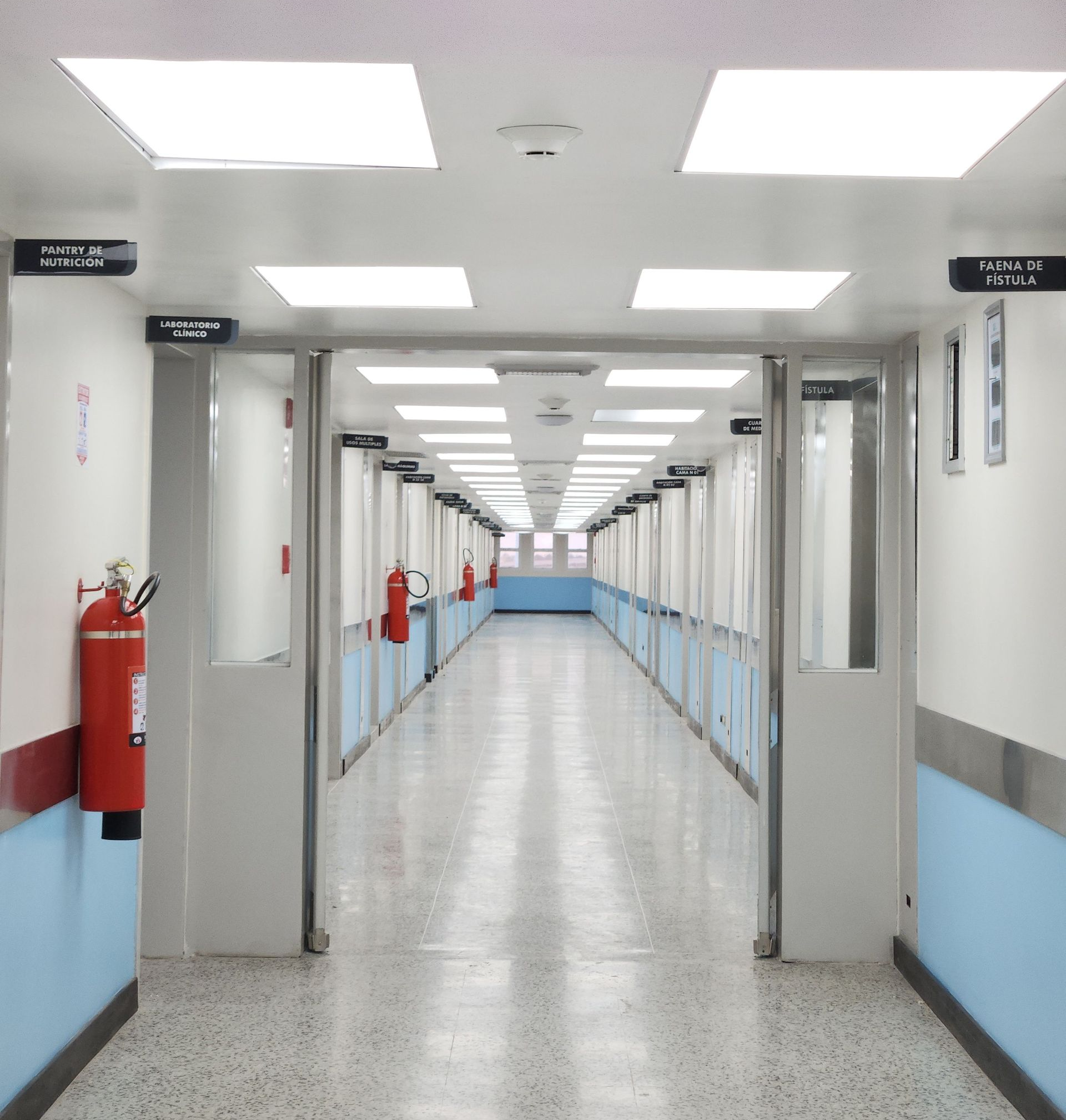
Patients often notice the condition of waiting rooms, restrooms, hallways, and examination areas before they ever meet a healthcare provider. A clean, organized environment helps reinforce professionalism while creating a more comfortable experience for patients and visitors.
Employees also benefit from working in facilities that are consistently maintained, allowing them to focus on delivering quality care rather than addressing preventable maintenance concerns.

Partner With ABS Facility Solutions
Healthcare facilities deserve cleaning programs that are reliable, consistent, and customized to their unique operational needs. At ABS Facility Solutions, we work with medical offices, outpatient clinics, healthcare campuses, and other commercial facilities to develop professional janitorial programs that support clean, organized, and welcoming environments.
Our comprehensive services include routine janitorial cleaning, floor care, restroom sanitation, day porter services, high-touch surface cleaning, and customized maintenance schedules designed around your facility’s hours and workflow. Every program is tailored to help maintain the appearance and functionality of your building while minimizing disruption to patients and staff.
If your healthcare facility is looking for a dependable commercial cleaning partner, contact ABS Facility Solutions today. Our experienced team is committed to delivering consistent, high-quality janitorial services that help your organization maintain the professional environment your patients, visitors, and employees expect.