Why a Building Can Look Clean and Still Feel Neglected
A commercial building can be technically clean and still give people the impression that something is off.
The floors may be mopped. The trash may be emptied. The restrooms may have been serviced. Yet tenants, employees, patients, or visitors may still notice smudged glass, dusty corners, worn-looking entry areas, overflowing dispensers, or fingerprints on high-touch surfaces.
That gap between “cleaned” and “well maintained” is important.
A strong janitorial program is not only about completing tasks. It is about creating consistent standards throughout the building.
Visual Details Shape the Overall Impression
People rarely inspect a facility with a checklist.
They respond to what they see first.
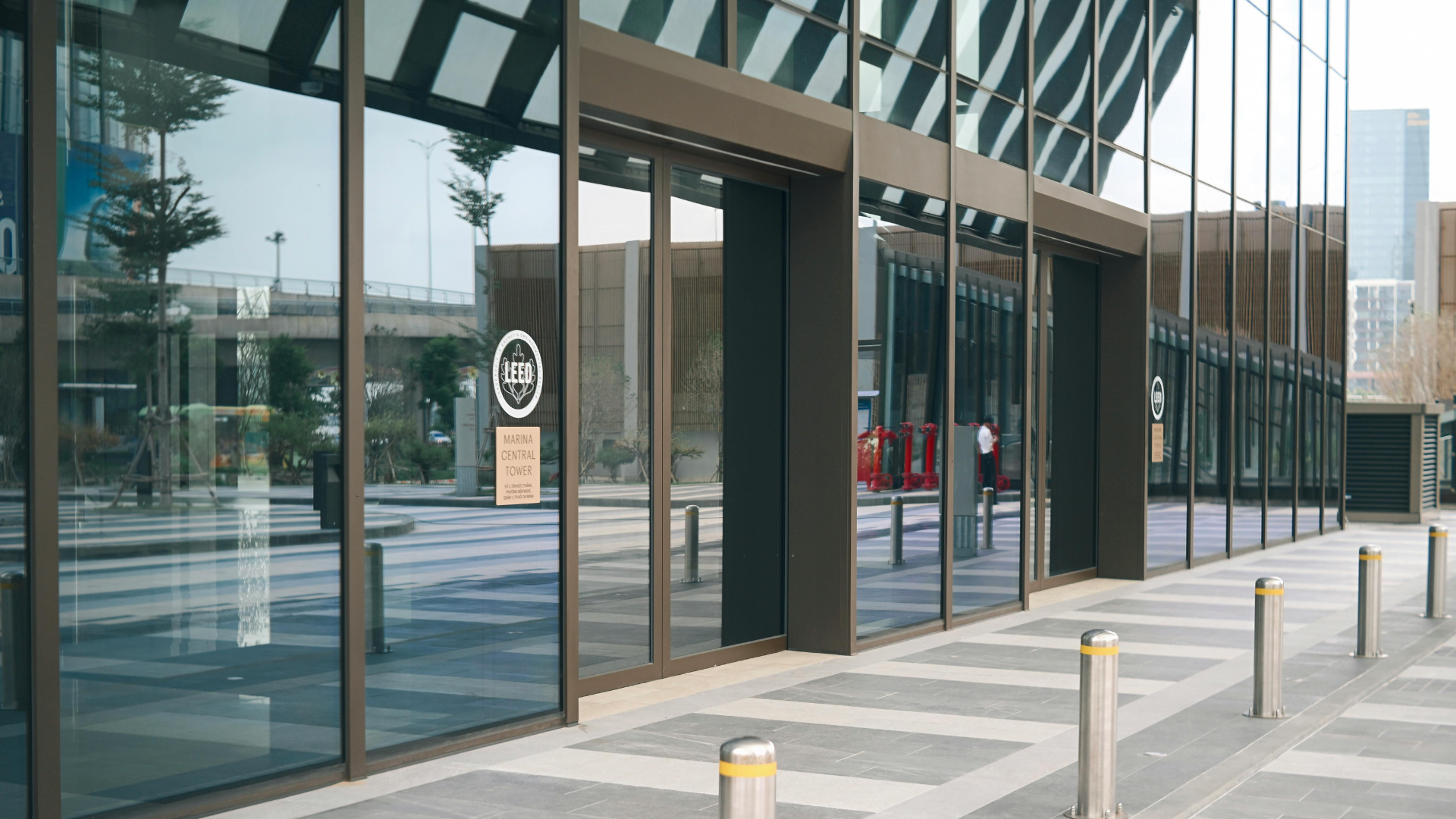
A streaked glass door can make an otherwise tidy lobby feel less polished. Dust on baseboards can make a hallway look older. A restroom with clean fixtures but empty soap dispensers can still feel neglected.
These details matter because they influence the way people judge the entire property.
That is why
effective commercial cleaning should address both sanitation and presentation.

Cleaning Frequency May Not Match Actual Use
One common reason a building feels inconsistent is that every area is cleaned on the same schedule.
But not every space receives the same amount of traffic.
A quiet conference room may need less frequent attention than the main entrance, elevator, restroom, or breakroom.
If high-use areas are serviced too infrequently, they can decline quickly between scheduled cleanings.
ABS Facility Solutions can help facility managers align cleaning frequency with actual occupancy and traffic patterns instead of relying only on a fixed calendar.
High-Touch Surfaces Can Give Away Inconsistency
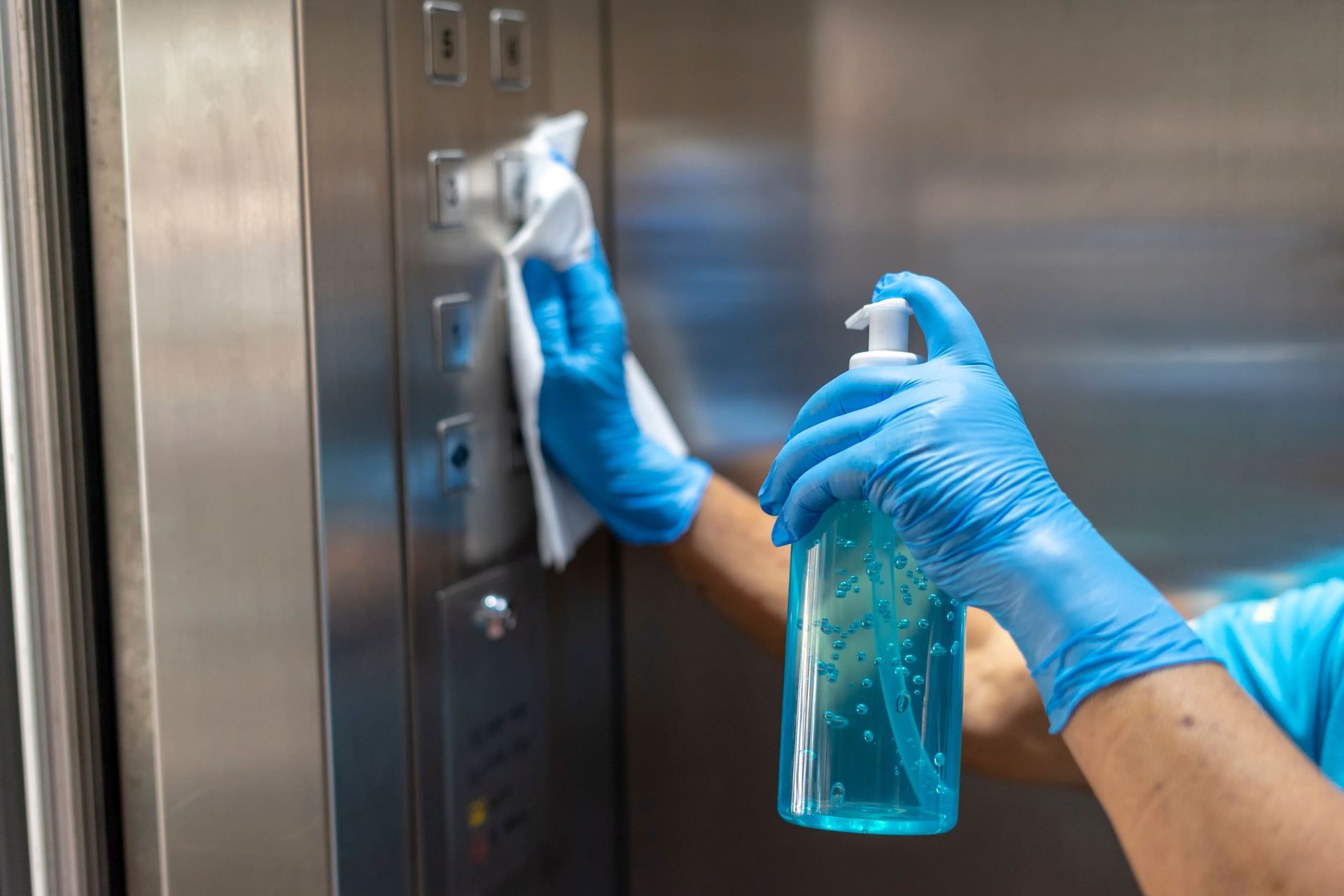
Door handles, elevator buttons, reception counters, handrails, light switches, and shared equipment are easy to overlook because they take only seconds to clean.
They are also among the first places where fingerprints, smudges, and visible grime appear.
A building may have freshly vacuumed carpet and polished floors, but neglected touchpoints can still create a poor impression.
Consistent attention to these areas helps the entire facility feel more carefully maintained.

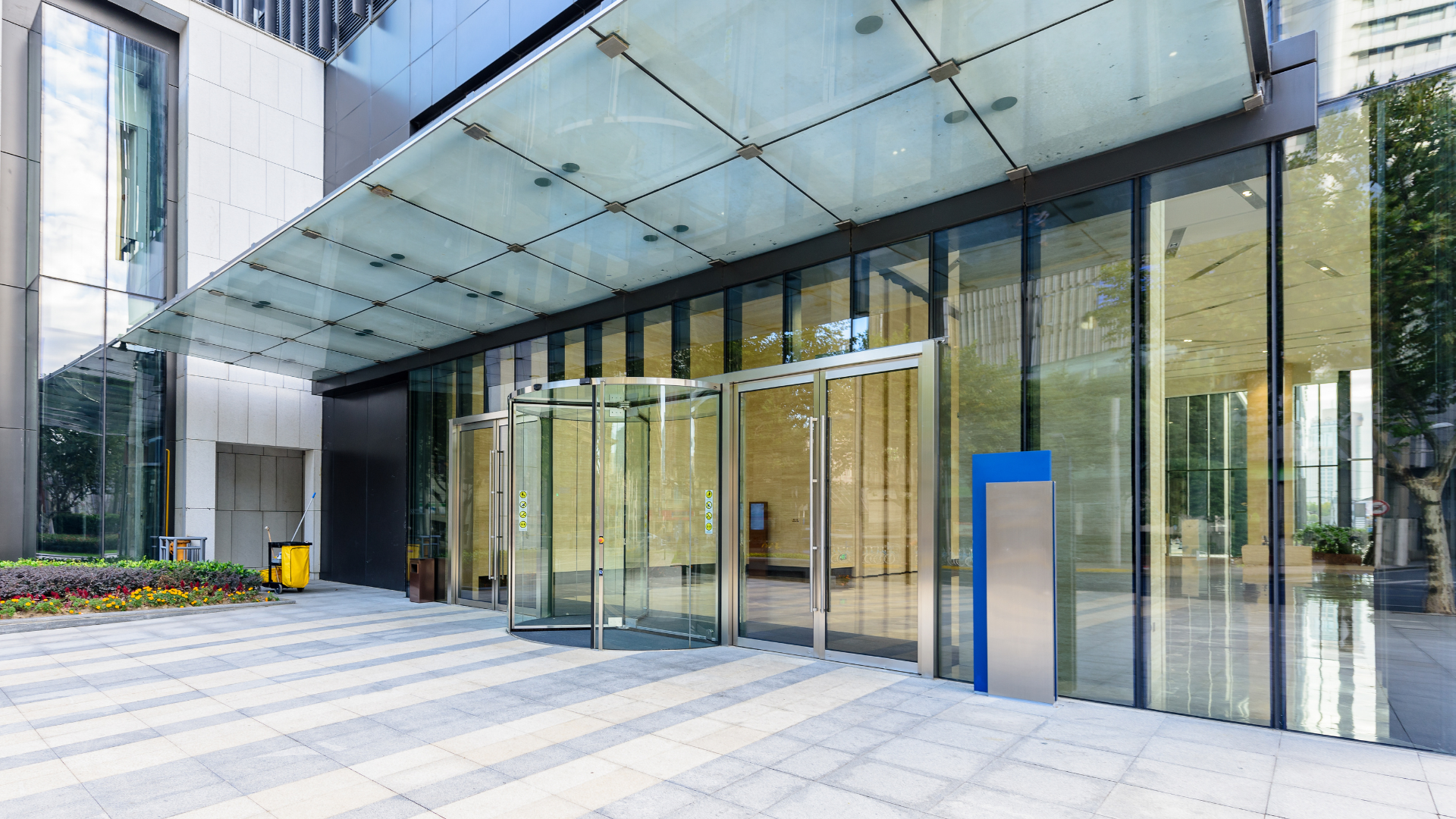
Entrances Carry Dirt Into the Rest of the Building
The condition of the entrance often affects everything behind it.
Dirt, moisture, salt, dust, and debris enter on shoes and wheels.
If mats are undersized, saturated, worn, or not cleaned frequently enough, that material gets tracked into lobbies, hallways, and elevators.
The result is more visible soil throughout the property.
An effective cleaning program should treat the entrance as a control point, not just another room.
Restrooms Need More Than a Scheduled Cleaning
Restrooms often create the strongest impression of a building’s maintenance standards.
They may be cleaned thoroughly in the morning but decline quickly during the day.
Trash fills up.
Supplies run low.
Water collects around sinks.
Odors appear.
A once-a-day schedule may not be enough for a busy facility.
Day porter service or additional restroom checks can help maintain standards between major cleaning periods.
Floors Can Be Clean but Still Look Worn
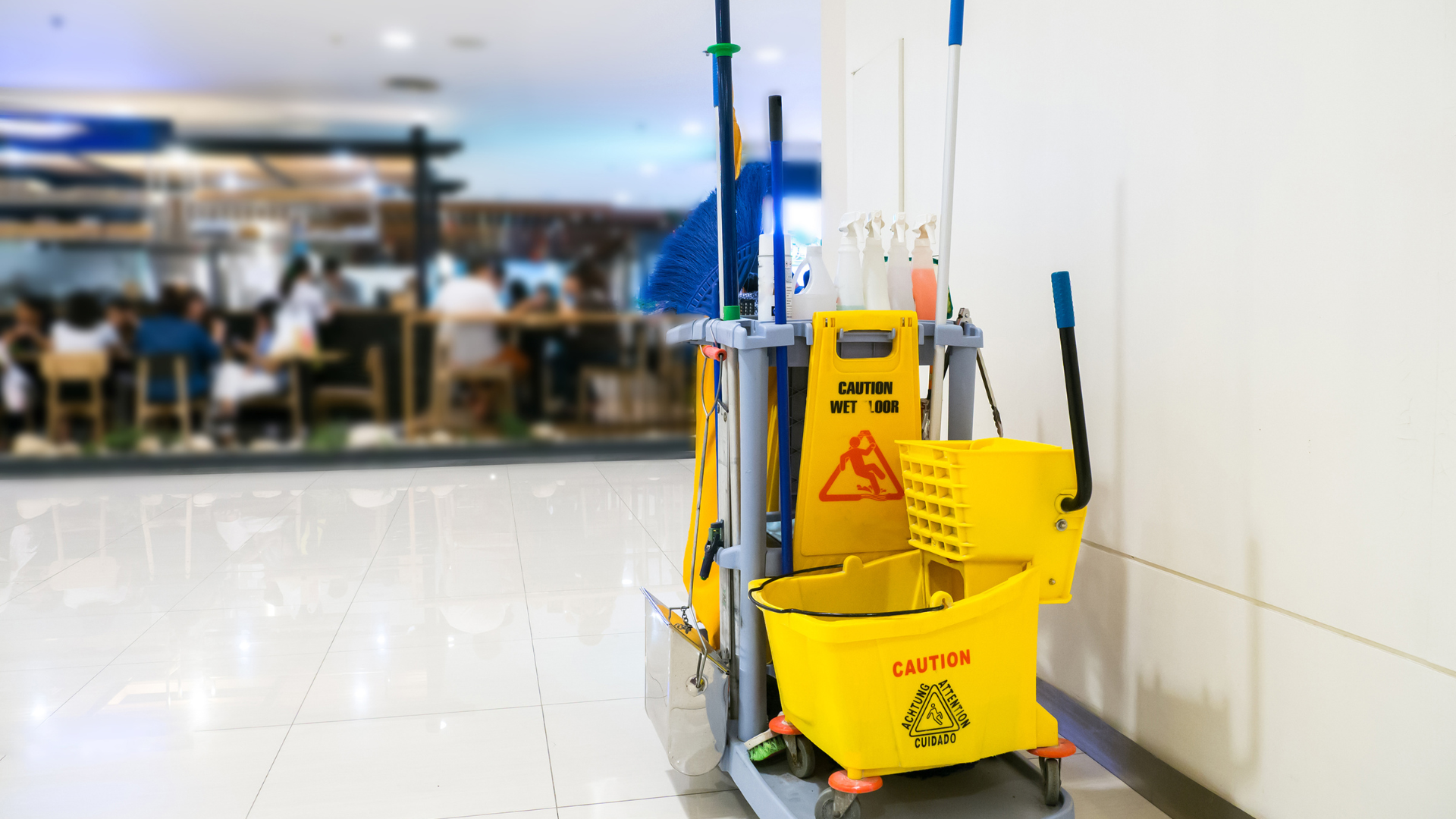
Commercial flooring can lose its appearance even when it is regularly swept and mopped.
Incorrect products, worn finish, embedded soil, scuff marks, neglected edges, and inconsistent maintenance can all make floors look dull.
This is especially common in high-traffic areas.
Routine janitorial cleaning and periodic floor care should work together.
Without both, a building may appear older or less maintained than it actually is.
Consistency Matters More Than One Deep Cleaning
A single deep cleaning can improve appearance temporarily.
But consistency is what keeps a facility looking professional.
That means adjusting service levels when occupancy changes, addressing recurring problem areas, responding to complaints, and updating the cleaning plan when the building’s needs evolve.
The goal is not simply to complete a list of tasks.
It is to maintain a predictable standard from the front entrance to the back hallway.
Create a Building That Feels Maintained
A building can pass a basic cleaning checklist and still feel neglected if the visible details are inconsistent.
Entrances, floors, restrooms, glass, high-touch surfaces, and common areas all contribute to the overall impression.
ABS Facility Solutions provides commercial janitorial services, floor care, day porter support, restroom maintenance, healthcare cleaning, and other facility solutions designed around real building needs.
If your facility looks clean on paper but still does not feel consistently maintained, ABS Facility Solutions can help identify where the gaps are and build a more responsive cleaning plan.