How to Reduce Recurring Cleaning Complaints
Recurring cleaning complaints are rarely just about one missed trash can or one dirty restroom.
When the same issues keep coming back, the real problem is usually inconsistency. A facility may have unclear expectations, the wrong cleaning frequency, poor communication, or a service plan that no longer matches how the building is actually being used.
For
facility managers, reducing complaints starts with identifying patterns instead of treating every issue as an isolated incident.

Track the Complaints Instead of Relying on Memory
The first step is to document what people are actually reporting.
If tenants repeatedly mention dirty restrooms, overflowing trash, dusty surfaces, or streaked floors, those details should be tracked by location and time of day.
Patterns often become clear quickly.
A restroom that looks good in the morning but receives complaints every afternoon may not need a different cleaning method. It may simply need additional service during peak usage.
Tracking makes it easier to separate one-time mistakes from recurring operational problems.

Match Cleaning Frequency to Building Traffic
One of the most common causes of complaints is a cleaning schedule that does not match the amount of traffic in the building.
A lobby used by hundreds of people each day may need more attention than one cleaned only once overnight.
The same applies to elevators, breakrooms, restrooms, hallways, and other common areas.
High-use spaces should be serviced according to actual demand rather than a generic schedule.
As occupancy, tenant mix, or business hours change, the cleaning plan should change with them.
Define What “Clean” Actually Means
Different people can have very different expectations.
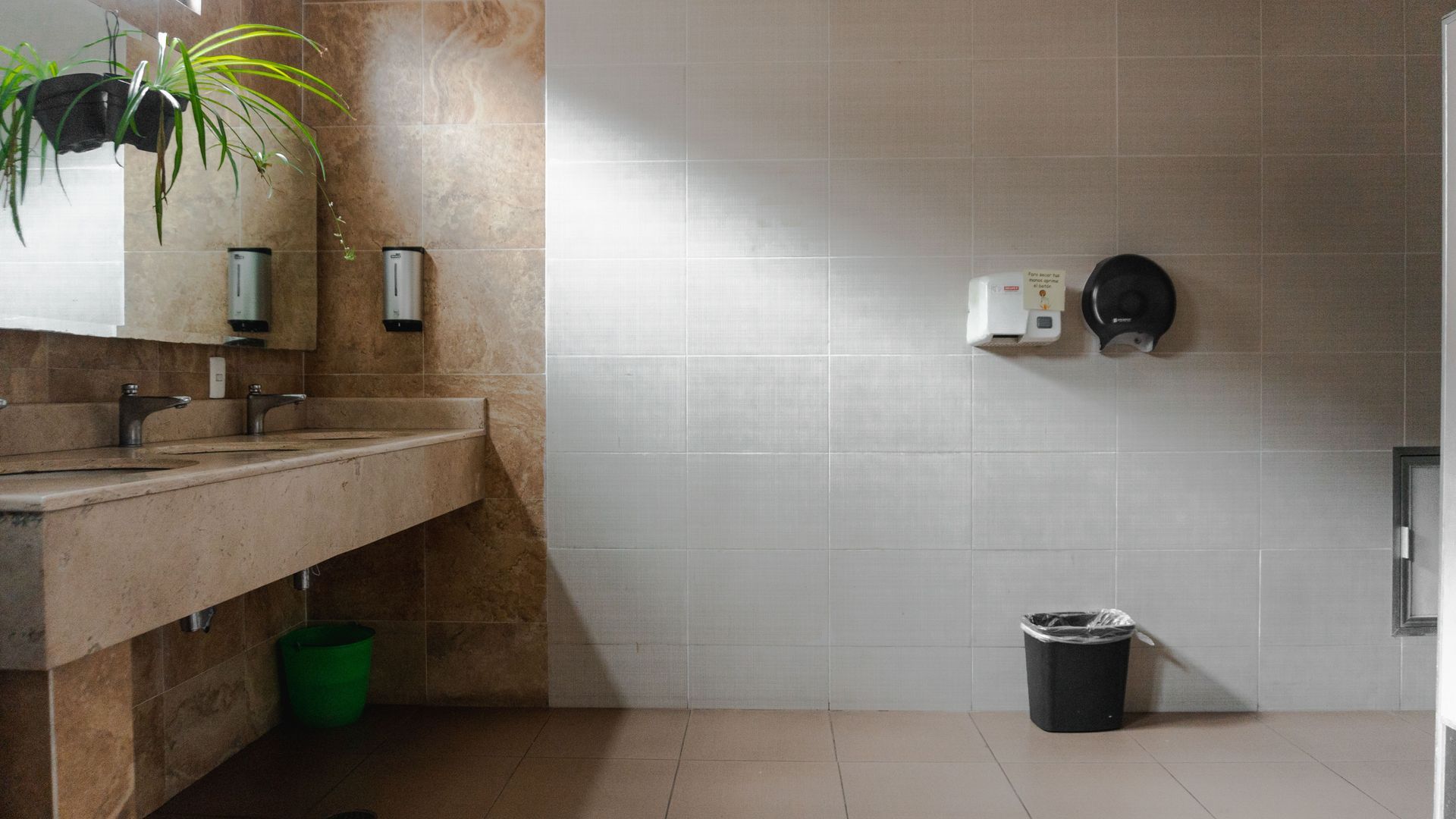
One tenant may consider a restroom clean as long as the trash is emptied. Another may notice fingerprints, water spots, grout discoloration, and low supplies.
Clear cleaning specifications help reduce that ambiguity.
A written scope should identify what tasks are performed, how often they are completed, and which areas receive special attention.
That gives both the
facility manager and cleaning team the same standard to work from.

Inspect the Same Areas That Generate Complaints
Quality inspections should focus on the places where problems are most likely to occur.
Entryways, restrooms, elevators, breakrooms, and high-touch surfaces often need more scrutiny than low-traffic back offices.
If complaints keep coming from the same area, inspect it at the same time of day when the problem usually occurs.
A space may look fine immediately after cleaning but deteriorate quickly during busy periods.
That distinction can help determine whether the issue is execution, frequency, staffing, or building usage.

Improve Communication With the Cleaning Team
Recurring problems are difficult to solve if feedback is vague.
“Bathrooms need to be cleaner” is less useful than noting that dispensers are empty by midafternoon or that floors near the sinks remain wet.
Specific feedback gives the cleaning team something concrete to correct.
It also helps determine whether the issue can be solved with better technique or whether the service plan itself needs to be adjusted.
Regular communication between the facility manager and service provider can prevent small frustrations from becoming ongoing complaints.
Use Day Porter Support Where Needed
Some buildings simply generate too much daytime activity for overnight cleaning alone.
A day porter can help manage spills, restock supplies, remove trash, monitor restrooms, clean high-visibility areas, and respond to unexpected issues as they happen.
That can be especially useful in multi-tenant buildings, medical facilities, busy offices, and properties with frequent visitors.
Day porter service helps bridge the gap between scheduled janitorial visits and real-time facility needs.
Address the Cause, Not Just the Complaint
If the same floor gets dirty every afternoon, the answer may be better matting or more frequent cleaning.
If trash overflows repeatedly, the container size or service interval may be wrong.
If restroom odors return quickly, the issue may involve drains, grout, or deeper cleaning needs.
Solving the underlying cause is more effective than repeatedly fixing the visible symptom.

Build a Cleaning Program That Adapts
The most effective janitorial programs are not static.
They change as building usage changes.
ABS Facility Solutions provides commercial janitorial, floor care, restroom service, day porter, disinfection, and deep-cleaning services designed around the needs of each facility.
If recurring cleaning complaints are becoming a frustration, contact ABS Facility Solutions to review the current service plan, identify problem areas, and build a more consistent cleaning program around how the building is actually used.