Preventing Slip Hazards Through Proper Floor Maintenance
Slip-and-fall accidents are among the most common workplace incidents across many industries. Whether in office buildings, healthcare facilities, schools, retail stores, or industrial environments, poorly maintained floors can create unnecessary safety risks for employees, customers, and visitors.
While spills and weather-related hazards often receive the most attention, the condition of the floor itself plays a significant role in slip resistance. A comprehensive floor maintenance program—including routine cleaning, professional floor stripping and waxing, and regular inspections—helps create safer walking surfaces while preserving the appearance and longevity of commercial flooring.
Floor Finish Does More Than Improve Appearance
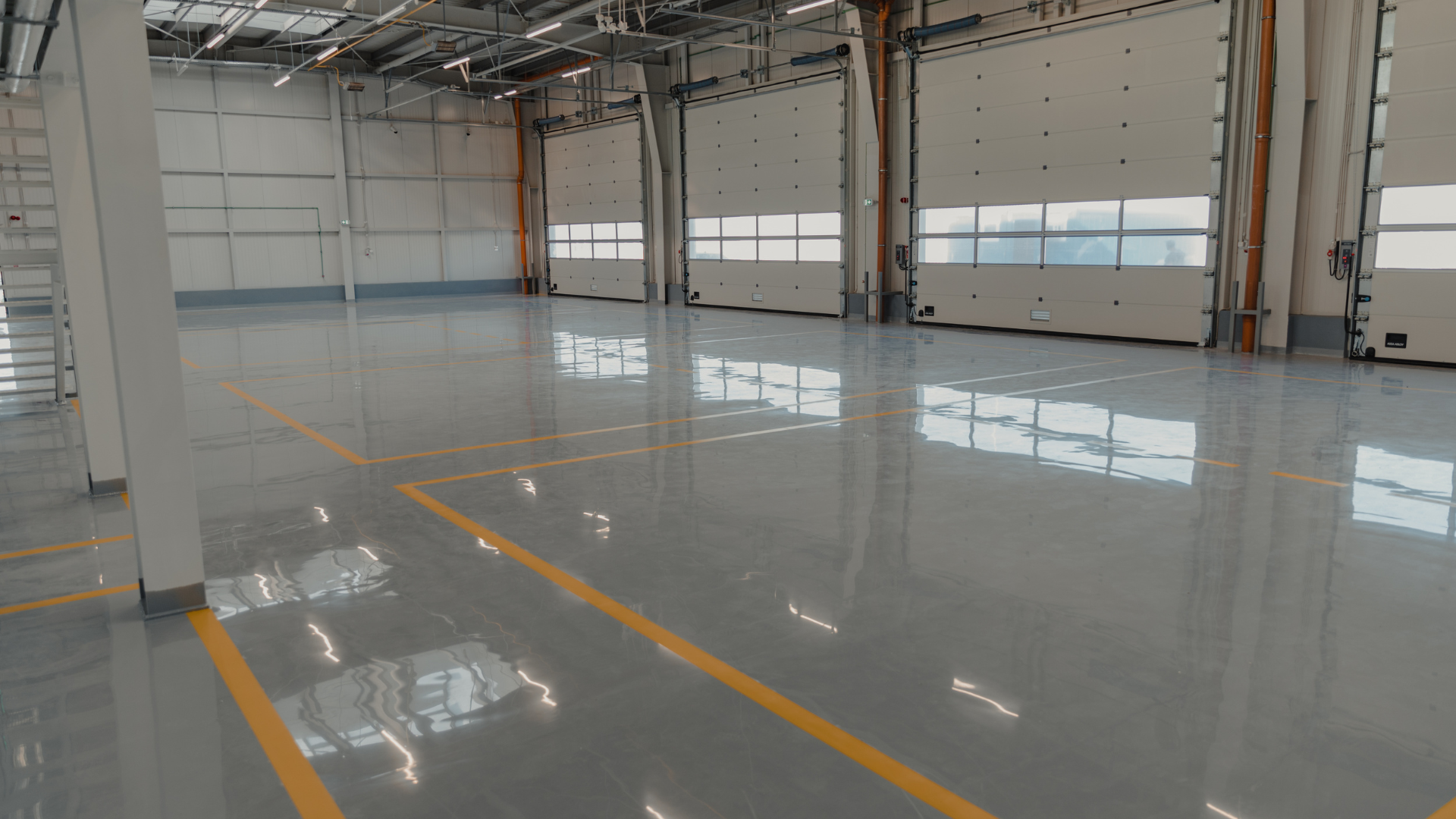
Many commercial floors are protected with a durable floor finish commonly referred to as floor wax.
Although modern floor finishes are not traditional waxes, they serve several important functions. They protect the underlying flooring from abrasion, reduce wear caused by foot traffic, and create a smooth, uniform surface that is easier to clean and maintain.
Over time, however, that protective finish begins to wear away. Heavy traffic, dirt, sand, and repeated cleaning gradually dull the surface and create scratches that can trap contaminants and make floors more difficult to maintain.
Routine stripping and
refinishing restore this protective layer and help maintain consistent floor performance.
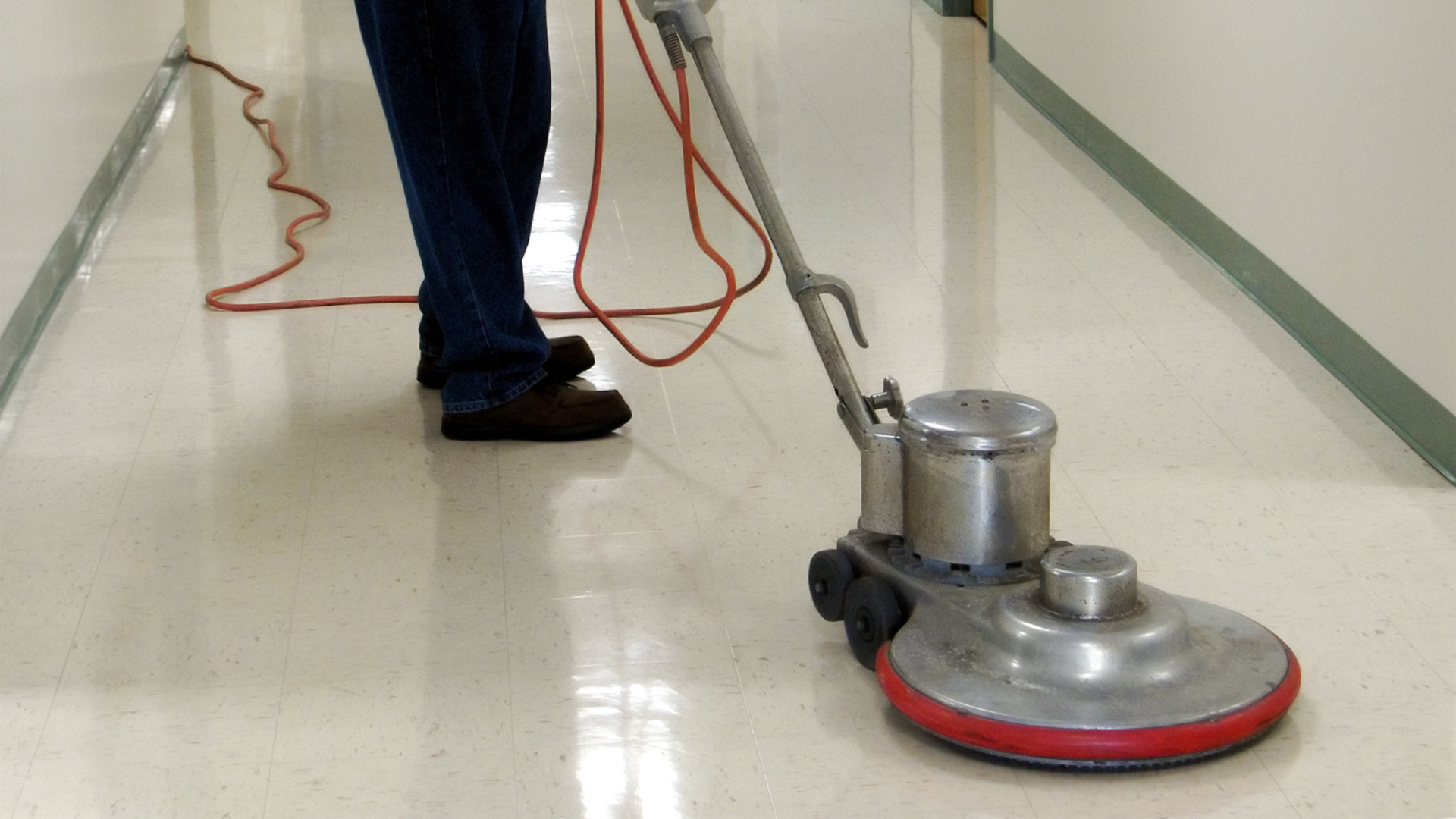
The Importance of Floor Stripping and Waxing
Floor stripping removes the old, worn finish before new protective coats are applied.
This process eliminates embedded dirt, scuff marks, and damaged finish that regular cleaning cannot remove. Once the floor has been properly prepared, multiple coats of fresh finish are applied to create a durable protective barrier.
Professionally maintained floor finishes not only enhance appearance but also help produce a more uniform walking surface. When properly selected, applied, and maintained, commercial floor finishes are designed to balance durability with appropriate slip resistance.
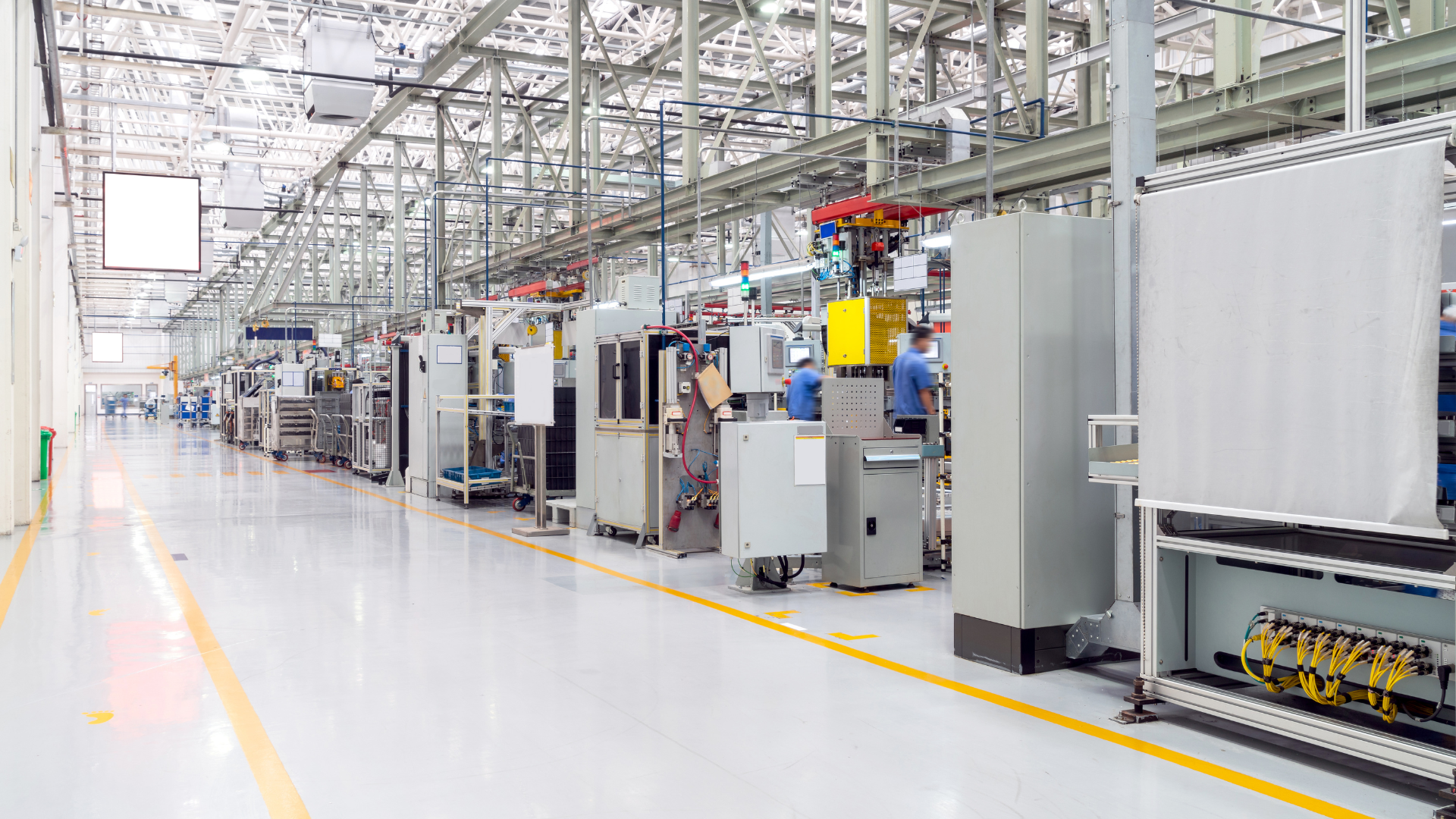
Slip Resistance Matters
Slip resistance is often discussed in terms of a surface’s coefficient of friction (COF), which describes how much resistance exists between a person’s footwear and the walking surface.
Organizations such as OSHA recognize that walking surfaces should provide sufficient traction to help reduce the risk of slips and falls. OSHA’s Walking-Working Surfaces standards require employers to maintain floors in a clean, orderly, and sanitary condition and to keep walking surfaces free of recognized hazards such as spills, leaks, snow, ice, and other conditions that could contribute to slipping hazards. While OSHA does not establish a mandatory nationwide coefficient of friction requirement for all walking surfaces, guidance documents have historically referenced a static coefficient of friction of 0.50 as a useful benchmark, while many modern consensus standards and flooring manufacturers often recommend higher slip-resistance values depending on the environment.
The goal is not simply to create a glossy floor, but to maintain a clean, properly finished surface that provides reliable traction under normal operating conditions.
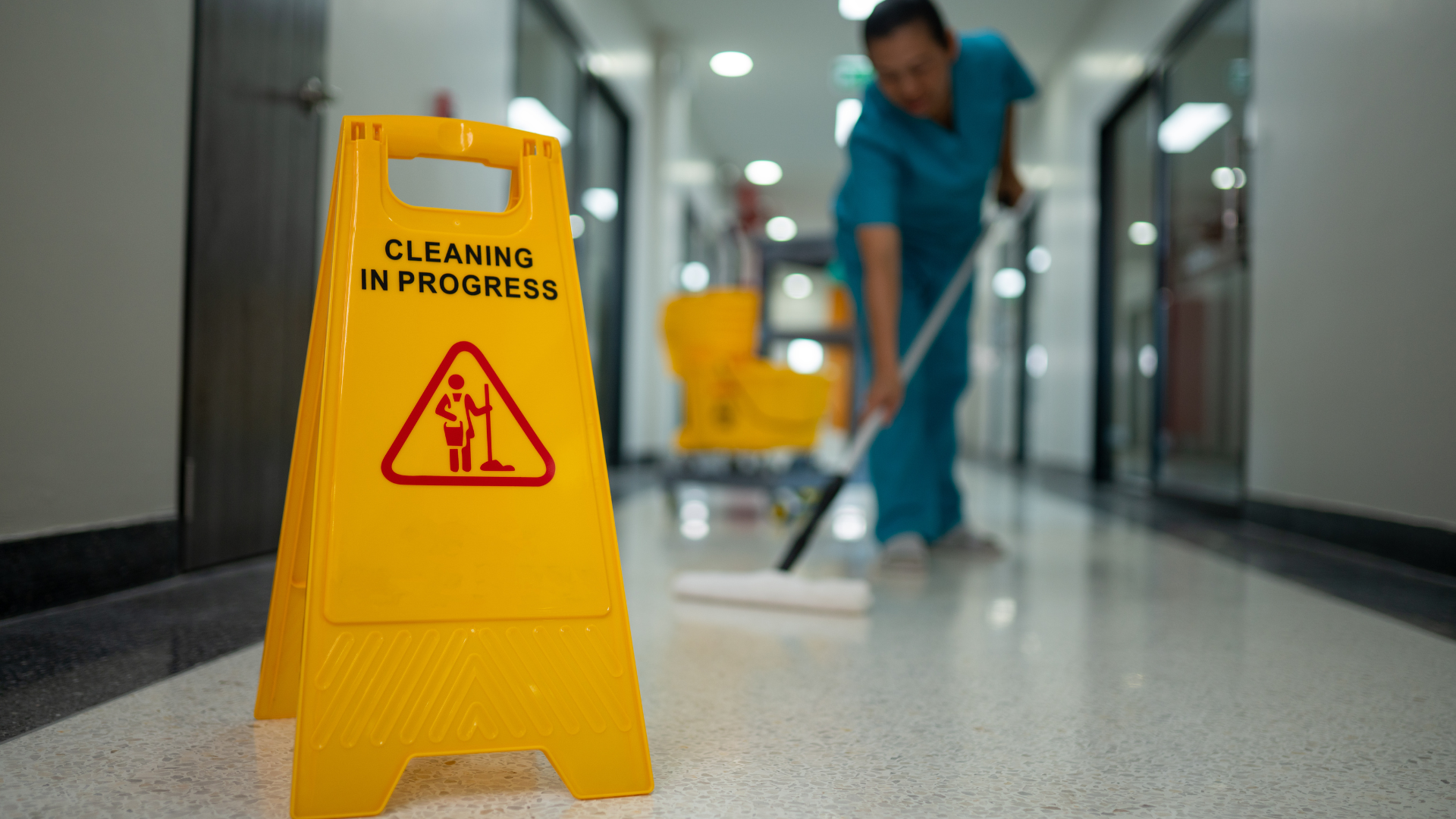
Daily Maintenance Supports Long-Term Safety
Professional stripping and waxing are only one part of a complete floor care program.
Daily cleaning removes abrasive dirt that can wear down floor finishes prematurely. Prompt attention to spills helps prevent temporary slip hazards, while entrance mat systems reduce the amount of water and debris tracked into the building.
Regular inspections also allow facility managers to identify worn areas before they become larger maintenance concerns.
Together, these practices help preserve both the appearance and performance of commercial flooring.
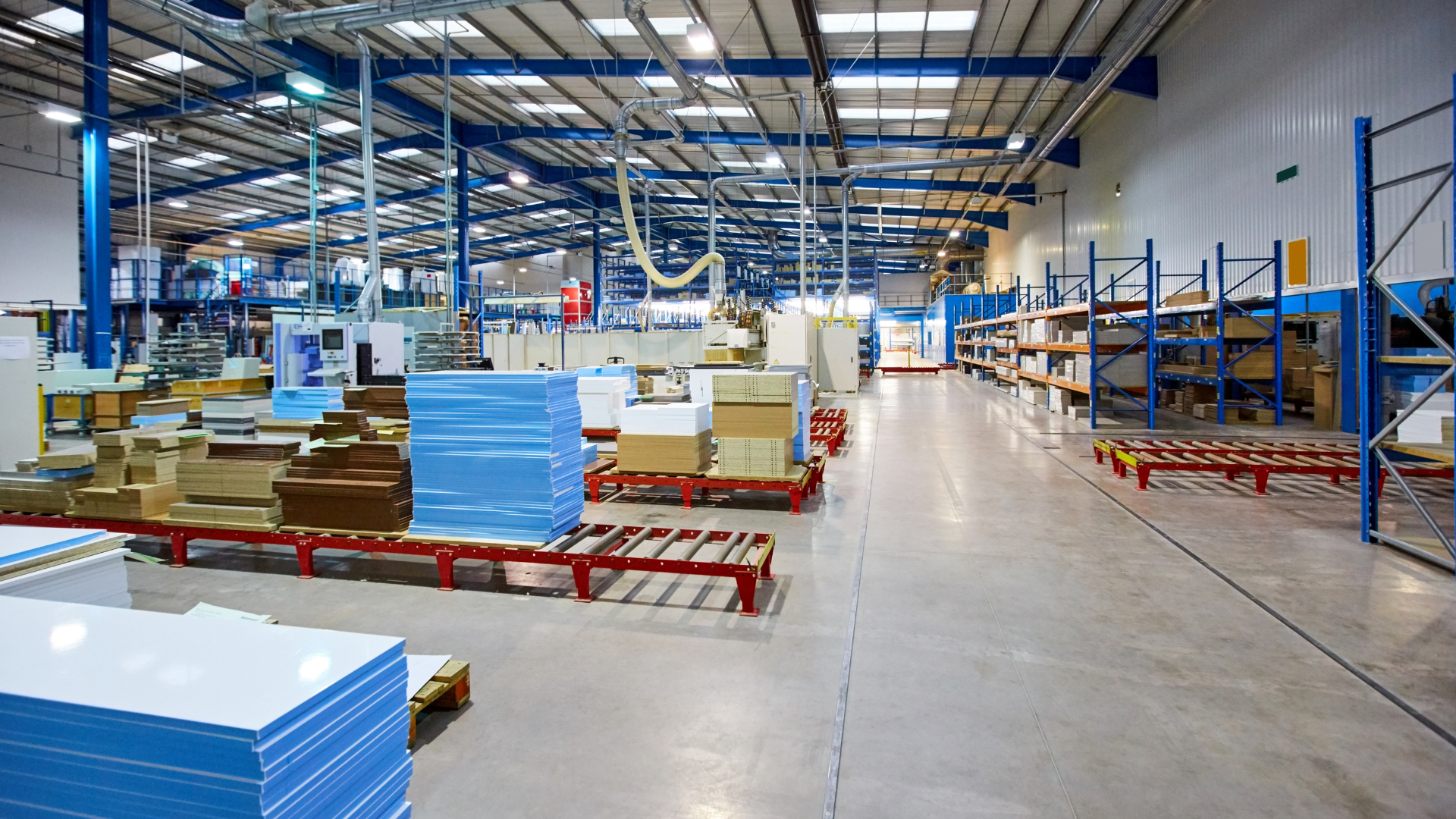
A Cleaner Facility Is a Safer Facility
Proper floor maintenance provides benefits beyond slip prevention.
Well-maintained floors create a more professional appearance, improve the overall customer experience, protect flooring investments, and may reduce long-term maintenance costs by extending the life of the flooring system.
Employees also benefit from a cleaner, more organized work environment that demonstrates an organization’s commitment to safety and facility care.
Partner With ABS Facility Solutions
At ABS Facility Solutions, we understand that floor care is about much more than appearance. Our professional floor maintenance programs are designed to help businesses maintain clean, attractive, and safer walking surfaces through routine cleaning, floor stripping and refinishing, buffing, burnishing, and ongoing preventive maintenance. We tailor our services to each facility’s flooring type, traffic patterns, and operational needs to help maximize both appearance and performance.
Whether you manage an office building, healthcare facility, educational campus, retail location, or commercial property, our experienced team can develop a customized floor care program that helps protect your investment while supporting workplace safety.
Contact ABS Facility Solutions today to learn how professional floor maintenance can help reduce slip hazards, extend the life of your flooring, and keep your facility looking its best year-round.