How a Deep Cleaning Can Reset a Neglected Commercial Space
Routine janitorial service is designed to keep a facility under control from day to day. But when a commercial space has gone too long without consistent attention, standard cleaning may no longer be enough.
Dirt can build up in corners, floors can lose their appearance, restrooms can develop persistent odors, and dust can settle in areas that are rarely touched during normal service.
A deep cleaning provides an opportunity to reset the space and address accumulated problems before returning to a regular maintenance schedule.
Deep Cleaning Goes Beyond Daily Tasks
Routine cleaning usually focuses on recurring needs such as trash removal, vacuuming, mopping, restroom service, and wiping common surfaces.
Deep cleaning reaches further.
Depending on the facility, that may include detailed floor care, baseboards, corners, vents, high-touch surfaces, restroom buildup, interior glass, breakrooms, fixtures, and other areas that receive less attention during a standard cleaning cycle.
The goal is to remove the layers of buildup that routine service may not be designed to address.
Floors Often Show Neglect First
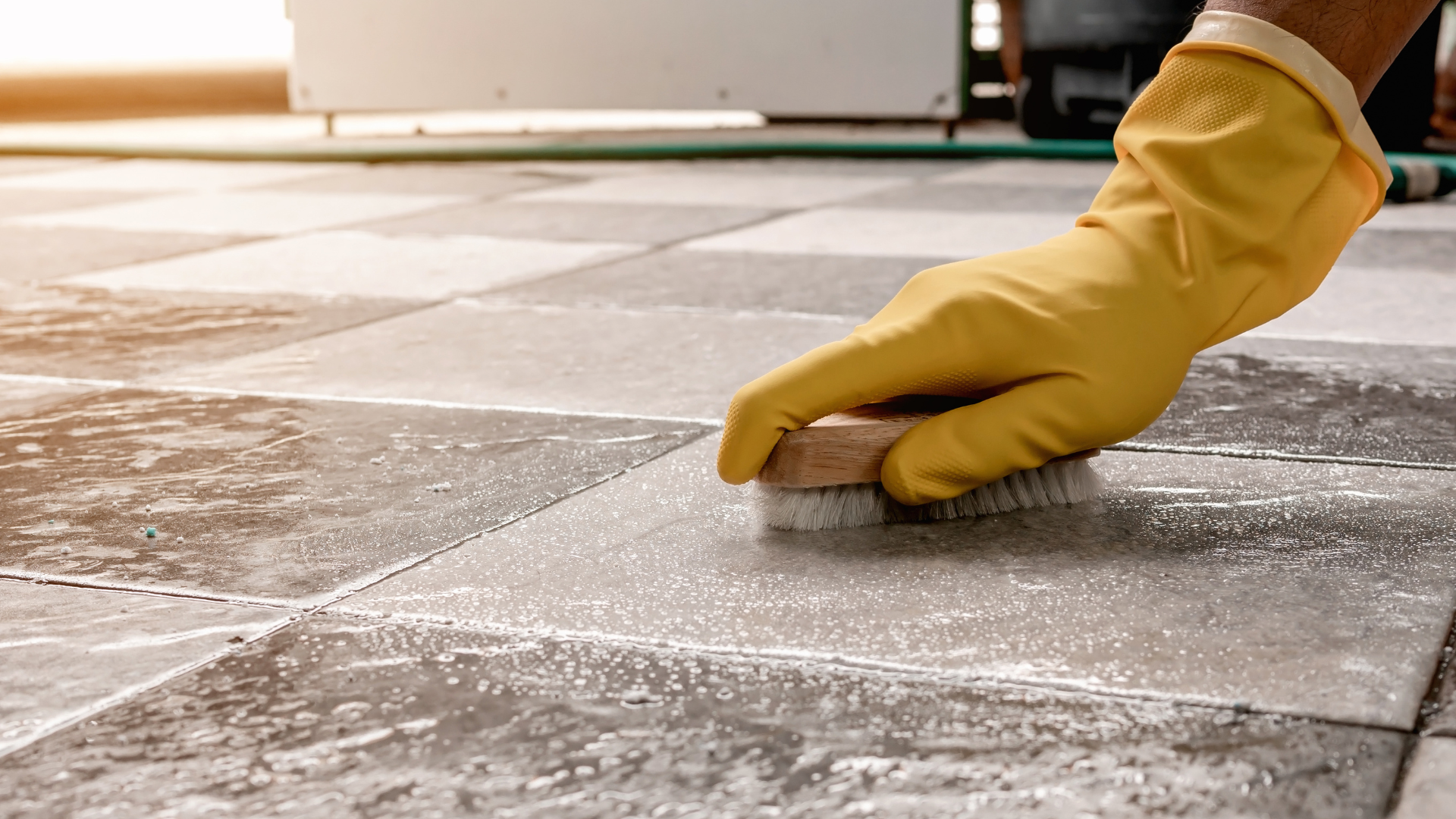
Commercial floors tend to reveal maintenance problems quickly.
Tracked-in soil, grit, spills, and heavy foot traffic can make surfaces look dull or uneven. In some cases, mopping only spreads residue rather than restoring the appearance of the floor.
A deep cleaning may involve more intensive scrubbing, spot treatment, or other floor-care procedures based on the material.
Once the floor has been brought back to a better baseline, ongoing maintenance can help preserve the improvement.
Restrooms Can Need a Full Reset
Restrooms are another area where neglected cleaning can become obvious.
Mineral buildup, stained grout, odors, soap residue, and buildup around fixtures can accumulate gradually.
Routine cleaning may improve the surface appearance without fully addressing those deeper problems.
A more detailed service can target corners, partitions, fixtures, floors, grout lines, and other high-use areas.
For property managers, this can be especially useful before tenant move-ins, inspections, events, or changes in occupancy.
Breakrooms and Shared Spaces Collect Hidden Buildup
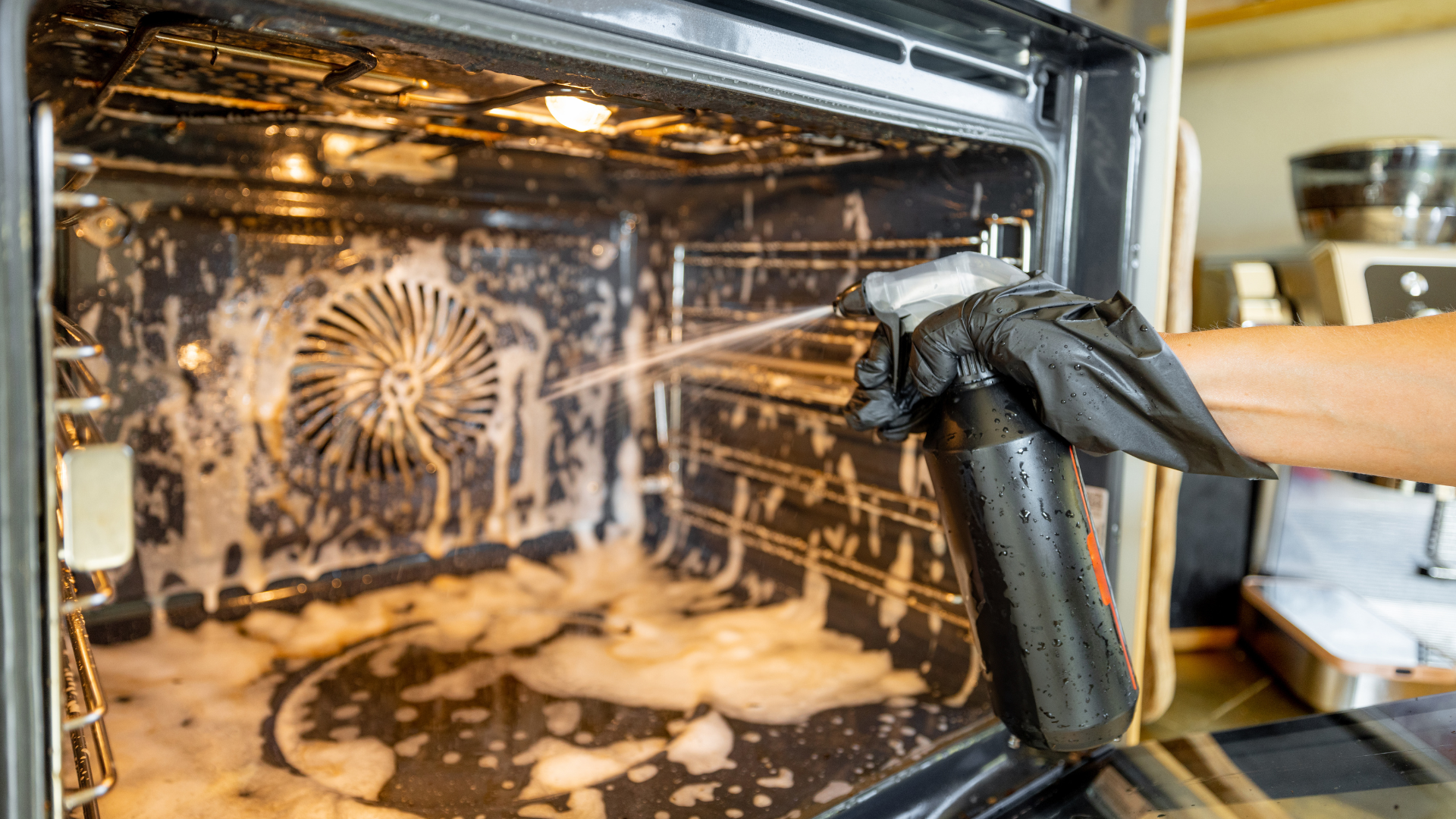
Shared kitchens and breakrooms can accumulate grease, crumbs, fingerprints, spills, and food residue in areas that are easy to overlook.
Cabinet fronts, appliance exteriors, table bases, walls near trash containers, and areas beneath movable equipment may all need additional attention.
Because many people use these spaces throughout the day, the buildup can return quickly if the area does not begin from a clean baseline.
A deep cleaning helps establish that baseline.
High and Low Areas Are Often Missed
Neglected facilities commonly have one thing in common: visible areas receive most of the attention while high and low areas are forgotten.
Dust can collect on vents, ledges, door frames, and other elevated surfaces. Dirt can gather along baseboards, behind furniture, and in corners.
Over time, those missed areas can make the entire space feel less clean, even if the center of the room is maintained.
Detailed cleaning helps address those zones so the facility looks more consistent from top to bottom.
A Deep Clean Can Support a New Maintenance Plan
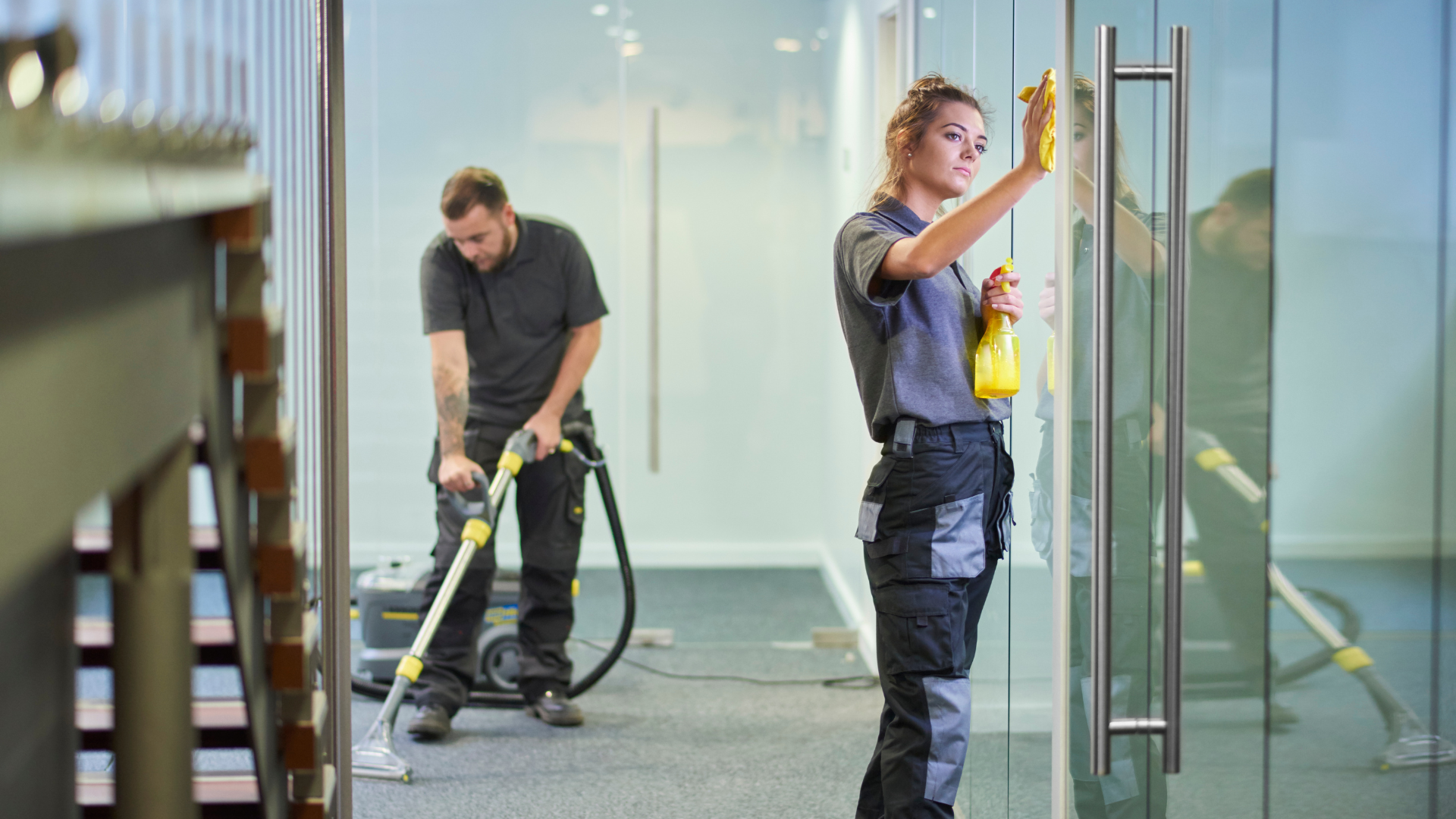
Deep cleaning works best when it is followed by a realistic recurring schedule.
If a building is heavily used, returning to an infrequent service plan may allow the same problems to develop again.
That is why the reset should also be used as an opportunity to review traffic levels, restroom usage, floor conditions, and tenant needs.
Some spaces may need nightly service. Others may benefit from day porter support or scheduled floor maintenance.
The right frequency depends on how the facility is actually used.
Deep Cleaning Is Useful During Transitions
A reset can be particularly valuable during changes in occupancy or operations.
Examples include:
- Tenant turnover
- Office reopening
- Renovation completion
- Management changes
- Preparing for inspections
- Seasonal maintenance
- Returning a neglected property to service
These transitions create a natural point to establish a cleaner, more manageable standard.
Bring the Facility Back to a Better Baseline
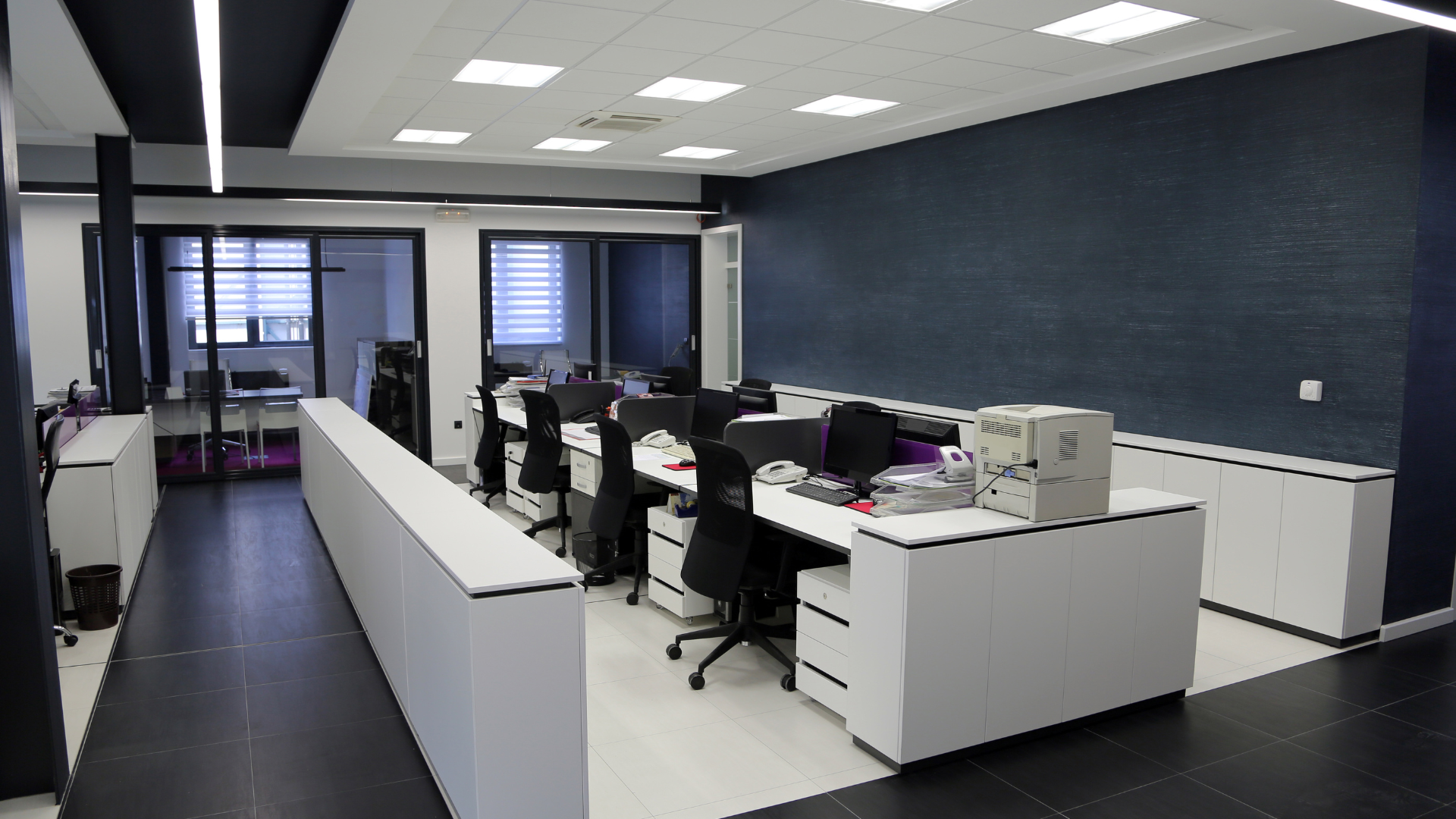
A neglected commercial space does not always need more frequent routine cleaning first. Sometimes it needs a deeper initial reset.
ABS Facility Solutions provides commercial janitorial service, floor care, restroom maintenance, day porter support, disinfection, post-construction cleaning, and deep cleaning for commercial properties.
If your facility looks worn down despite basic maintenance, contact ABS Facility Solutions to discuss a deep cleaning program designed to restore the space and make ongoing upkeep easier.