How Salt, Sand, and Moisture Affect Commercial Floors
Commercial floors take on more abuse during wet and wintry weather than many facility managers realize.
Salt, sand, slush, rainwater, and tracked-in moisture can quickly change the appearance of a lobby, hallway, retail area, or office entrance. Over time, they can also wear down floor finish, leave residue behind, and create additional maintenance demands.
For busy facilities, seasonal floor care is not just about appearance. It is about using the right cleaning schedule and maintenance methods to protect the surface throughout the year.

Salt Can Leave a Persistent Film
Ice-melting products are useful outdoors, but once they are tracked inside, they can leave a dull white or gray residue on hard flooring.
That film can make even recently cleaned floors look dirty.
If salt is allowed to remain on the surface, repeated foot traffic can spread it farther into the building. Moisture may dissolve the residue temporarily, only for it to reappear as the floor dries.
Routine removal is important, especially near entrances and transition areas.
Sand Acts Like an Abrasive
Sand and grit can be especially damaging because they are repeatedly ground into the floor by foot traffic.
On finished hard floors, abrasive particles can contribute to scratching and premature wear.
On tile, they may collect in grout lines and make the surface look darker or more uneven.
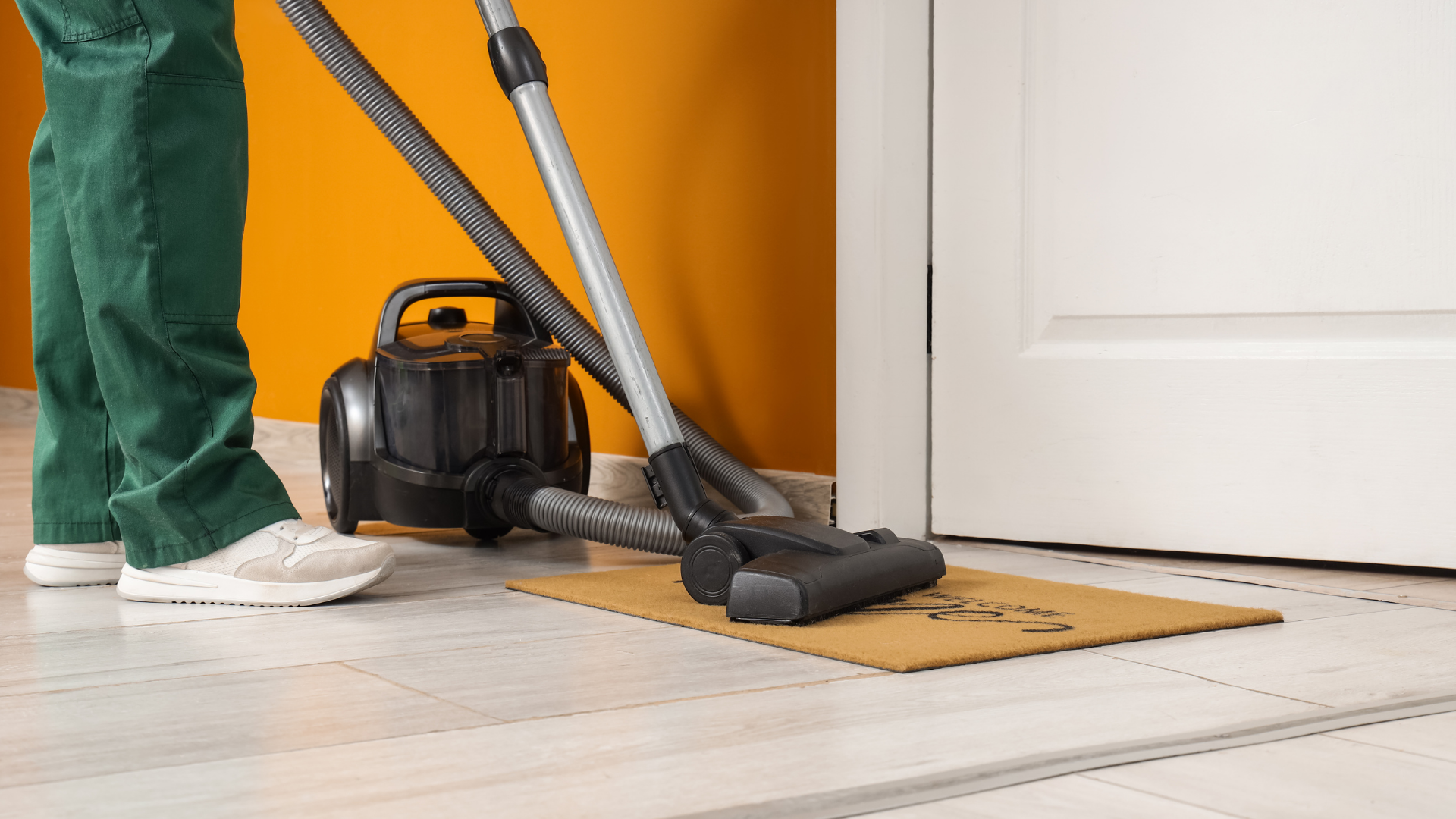
Facilities with heavy winter traffic may need more frequent dust mopping, vacuuming, or autoscrubbing to remove abrasive debris before it causes additional wear.

Moisture Spreads the Problem
Water does more than create visible puddles.
It can carry salt and soil farther into the building, creating streaks and residue well beyond the main entrance.
Moisture can also make floors more difficult to maintain during high-traffic periods because freshly cleaned surfaces can be soiled again almost immediately.
That is why rainy or snowy days often require more frequent attention throughout business hours.
A single overnight cleaning may not be enough in a busy facility.

Entry Matting Is Part of the Floor-Care Plan
Well-placed entry mats can reduce the amount of dirt and moisture that reaches interior flooring.
The most effective matting systems provide enough surface area for several footsteps, allowing shoes to shed water and debris before people reach the main floor.
However, mats also need regular maintenance.
Once they become saturated or overloaded with soil, they are less effective and may begin transferring moisture back onto the floor.
Mat condition should be reviewed as part of the overall cleaning program.

Different Floors React Differently
Salt, grit, and moisture do not affect every flooring material in the same way.
Vinyl composition tile, luxury vinyl tile, ceramic tile, concrete, stone, and other commercial surfaces may require different products and maintenance techniques.
Using the wrong cleaner can leave residue, dull the finish, or interfere with future floor-care procedures.
The maintenance plan should match the specific flooring installed in each part of the facility.

High-Traffic Areas Need More Frequent Service
Entranceways, elevator lobbies, corridors, and break areas usually experience the greatest seasonal impact.
These spaces should be monitored more often than low-traffic areas.
A practical floor-care plan may include:
- Frequent debris removal
- Spot mopping as needed
- Autoscrubbing on an appropriate schedule
- Mat inspection and replacement
- Periodic deep cleaning
- Floor-finish maintenance where applicable
The exact frequency should reflect how the building is actually used.
Seasonal Floor Care Protects Appearance
One of the biggest mistakes facilities make is waiting until floors look visibly worn before adjusting the cleaning program.
By then, dirt may already be embedded in grout, finish may be damaged, or residue may have spread throughout the building.
Seasonal adjustments can help prevent that buildup.
More frequent attention during wet or snowy periods can make it easier to restore normal maintenance.