Why Cleaning Frequency Should Follow Use, Not Just the Calendar
A cleaning schedule can look perfectly organized on paper and still miss what a building actually needs.
Many facilities rely on fixed routines: restrooms are serviced at set times, floors are cleaned on certain days, and common areas receive the same amount of attention regardless of how heavily they are being used.
That approach is easy to manage, but it can also be inefficient.
A smarter cleaning program considers how people actually move through the building.
High-use spaces may need more attention than the calendar suggests, while lower-traffic areas may not require the same frequency every day.

Buildings Do Not Get Dirty at the Same Rate
Different spaces experience different levels of activity.
A main entrance may see hundreds of people before lunch.
A conference room may sit empty most of the day.
One restroom may serve an entire floor while another receives very little traffic.
Treating all of these areas according to the same schedule can lead to two problems at once: some spaces get neglected, while others receive more service than they really need.
Cleaning frequency works better when it reflects actual use.

Foot Traffic Should Help Set Priorities
Traffic patterns can reveal where cleaning resources are most valuable.
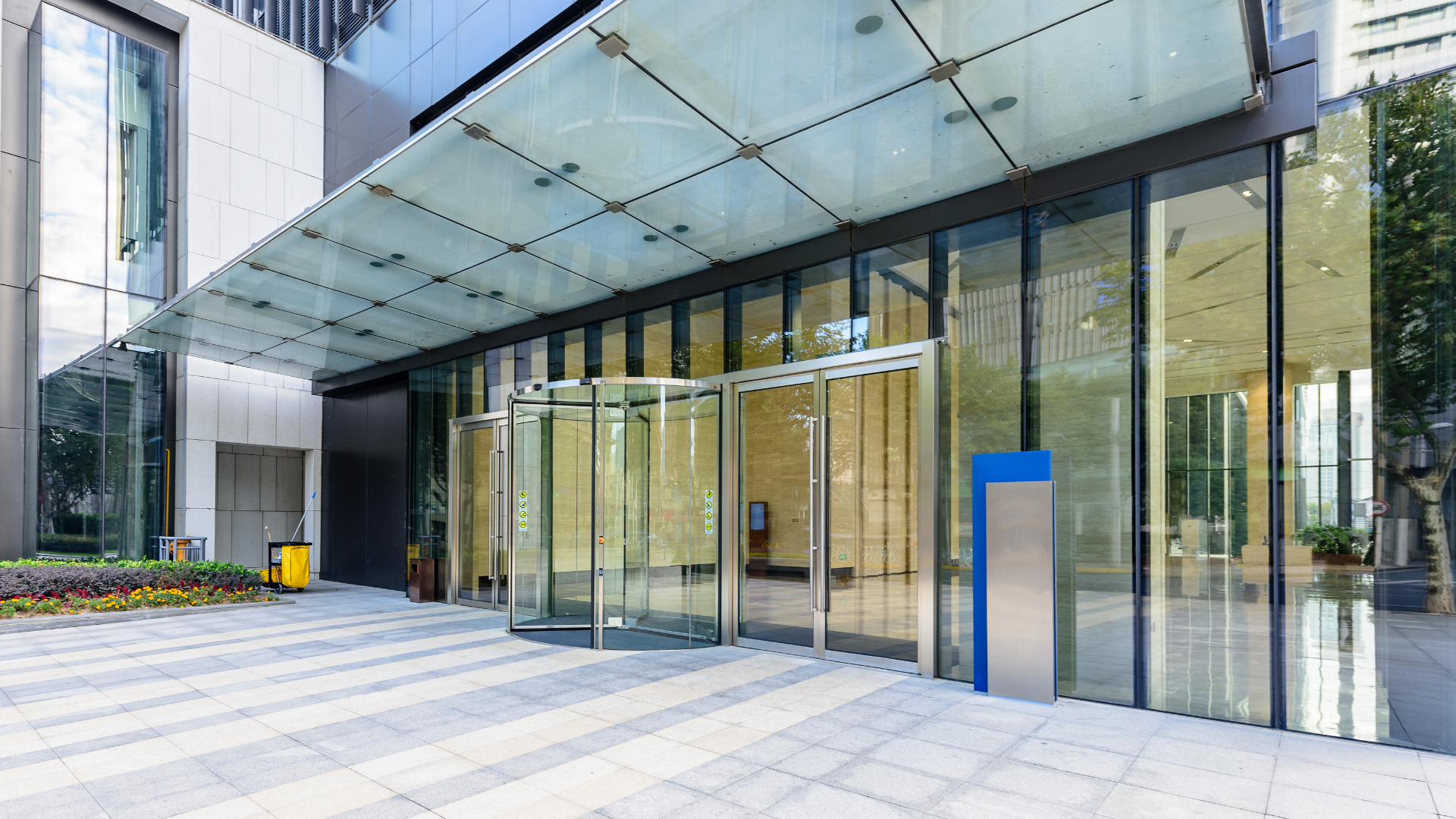
Entryways often need more frequent attention because they collect dirt, moisture, leaves, and debris from outside.
Elevators, lobby seating areas, shared kitchens, and restrooms may also require additional service during peak occupancy.
Instead of assuming that one daily cleaning is enough, facility managers can look at when each area is busiest.
That information can help determine whether certain spaces need touch-ups during the day, a different service window, or more frequent attention during certain seasons.

Restrooms Are a Good Example
Restrooms clearly show why calendar-based cleaning can fall short.
A restroom may be serviced at 9 a.m. and again at 3 p.m.
If most of the traffic occurs between 11 a.m. and 2 p.m., however, the schedule may leave the space at its worst during the busiest part of the day.
Trash fills up.
Supplies run low.
Water collects around sinks.
Touchpoints become visibly soiled.
Changing the timing may improve the experience without necessarily increasing the total number of service visits.
The same principle applies throughout a facility.

Day Porters Add Flexibility
Some buildings are simply too active for a rigid cleaning schedule.
That is where day porter service can become especially valuable.
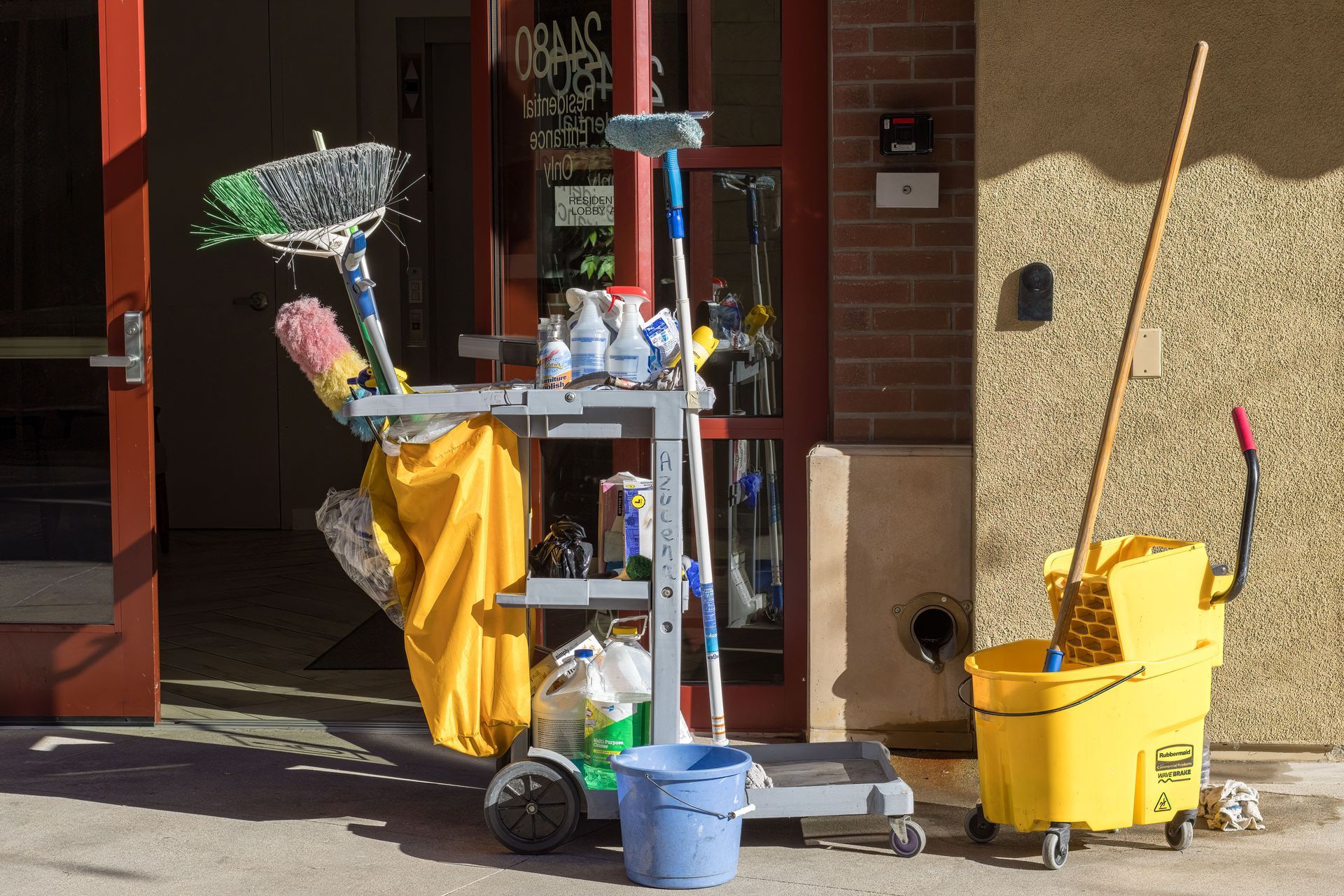
A day porter can respond to spills, refresh restrooms, handle trash, clean high-visibility areas, and address unexpected problems while the building is occupied.
This creates a more responsive service model.
Instead of waiting for the next scheduled cleaning period, the facility can address conditions as they develop.
For multi-tenant properties, healthcare facilities, offices, and other high-traffic environments, that flexibility can make the building feel consistently maintained throughout the day.

Seasonal Use Changes Too
Cleaning needs can also shift throughout the year.
Wet weather may increase debris and moisture near entrances.
Winter conditions can bring salt and grit indoors.
Busy event periods may increase restroom and common-area traffic.
Renovations or tenant move-ins may temporarily change how certain parts of the building are used.
A cleaning program that never adjusts can become outdated quickly.
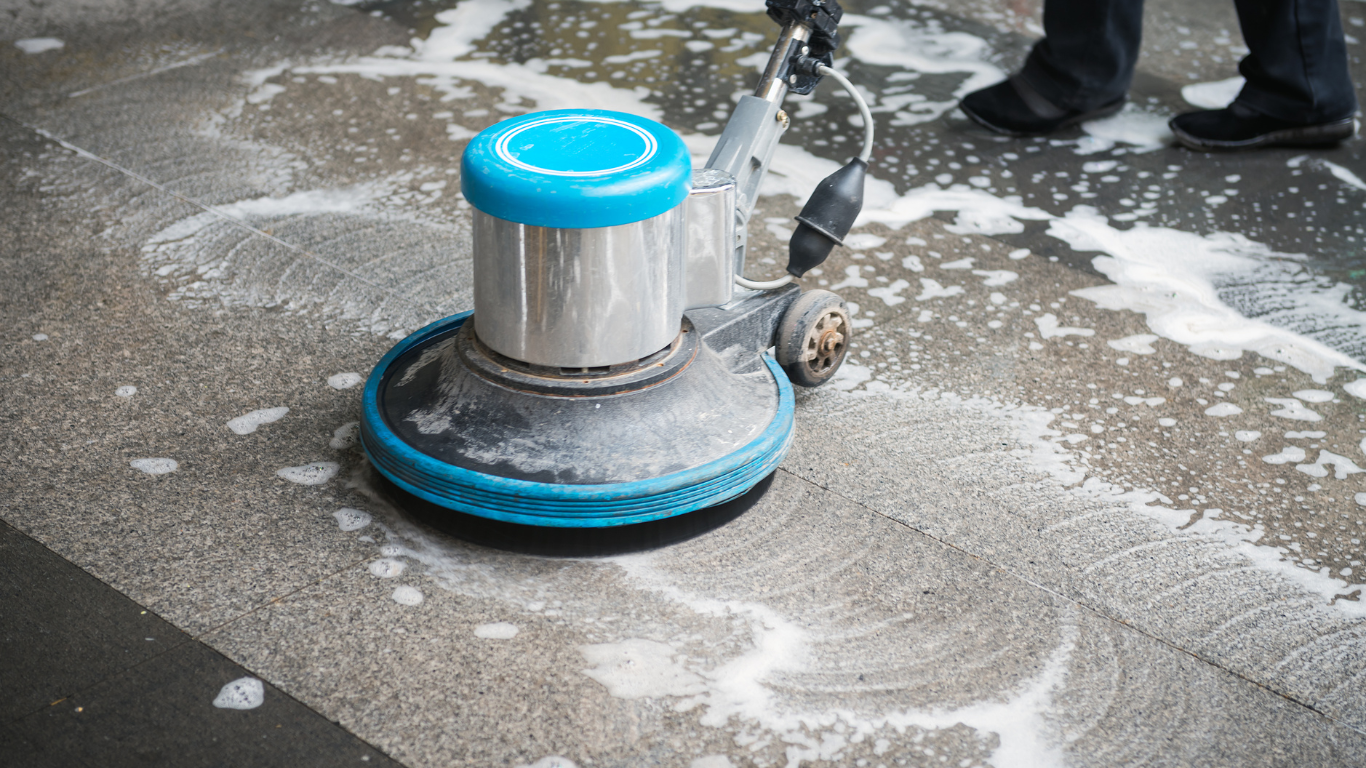
ABS Facility Solutions can help facility managers build service plans around real occupancy patterns, surface types, traffic levels, and changing operational needs rather than relying only on a static calendar.
Better Scheduling Can Improve Efficiency
Increasing cleaning quality does not always mean adding more labor.
Sometimes it means using the same resources more strategically.
If a lightly used space is being serviced too often, that effort might be redirected toward a restroom, lobby, or breakroom that needs more frequent attention.
This helps cleaning teams focus on the places where service has the greatest visual and operational impact.
Build the Schedule Around the Building
A commercial cleaning plan should reflect how the facility actually functions.
That means looking beyond the calendar and paying attention to traffic, occupancy, seasonality, complaints, and recurring problem areas.
ABS Facility Solutions provides commercial janitorial, floor care, restroom service, day porter, disinfection, and post-construction cleaning programs designed around the needs of each facility.
When cleaning frequency follows real use, service becomes more responsive, more efficient, and better aligned with the way the building operates every day.