Why Mold and Mildew Thrive During Warm Weather
As temperatures rise and humidity levels increase, commercial property managers face a variety of seasonal maintenance challenges. Among the most common—and potentially most problematic—are mold and mildew growth. While these issues can occur at any time of year, warm weather often creates ideal conditions for their development.
Many property owners initially view mold and mildew as cosmetic concerns. However, these forms of biological growth can affect building appearance, create unpleasant odors, contribute to indoor air quality concerns, and increase maintenance costs if left unaddressed. Understanding why mold and mildew become more active during warm weather can help facility managers take proactive steps to protect their properties.
Warm Temperatures Create Favorable Conditions
Mold and mildew thrive in environments where moisture and warmth are present. Summer often provides both.
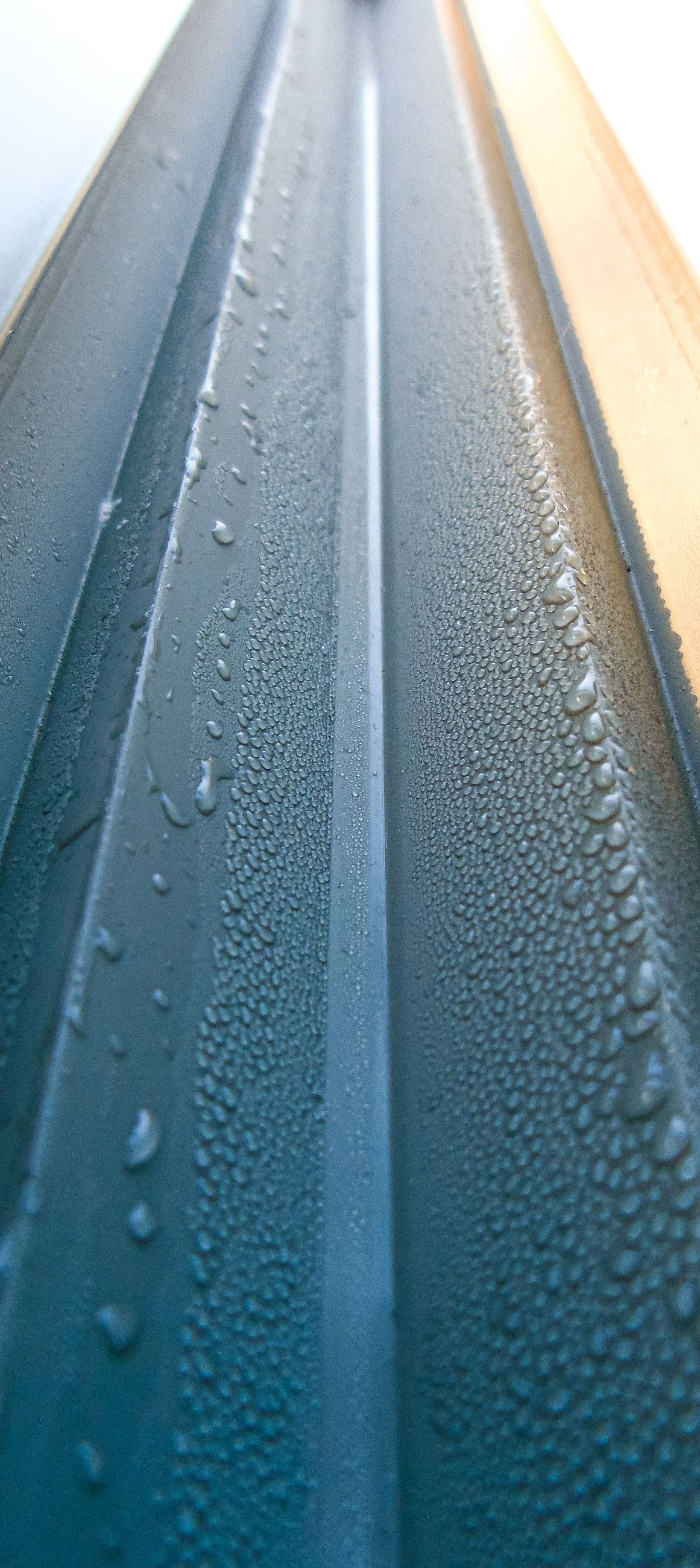
Higher outdoor temperatures can increase humidity levels, particularly during periods of frequent rainfall or storm activity. When moisture enters a building or accumulates in certain areas, it creates conditions that support mold and mildew growth.
Unlike some maintenance issues that develop gradually over many years, mold and mildew can begin growing relatively quickly when environmental conditions are favorable.
Moisture Is the Real Driver
Although warm weather contributes to the problem, moisture is typically the primary factor behind mold and mildew growth.
Leaks, condensation, poor ventilation, plumbing issues, and excessive humidity can all introduce moisture into a building. Areas that remain damp for extended periods are especially vulnerable.
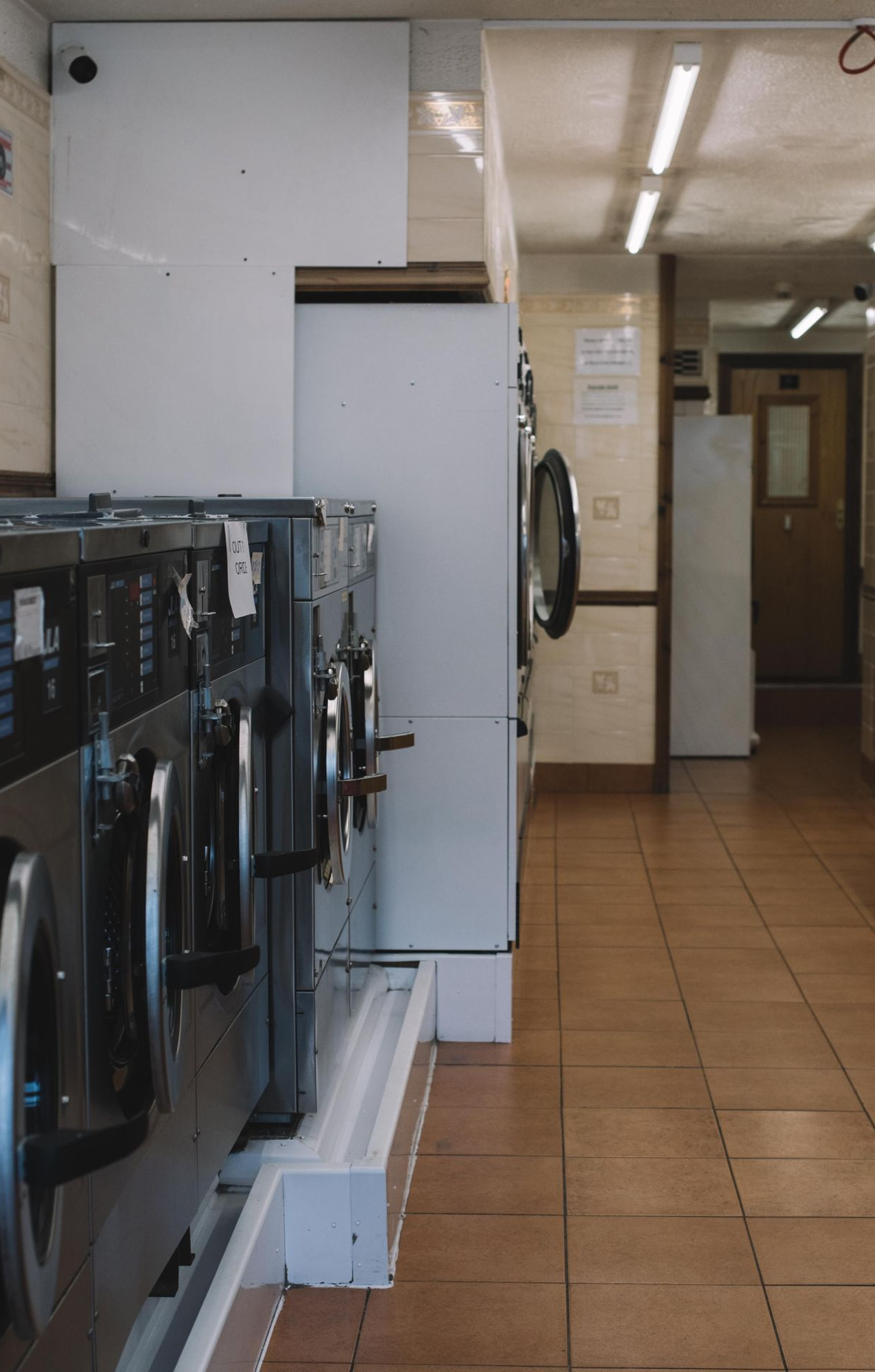
Common locations where mold and mildew may develop include restrooms, breakrooms, storage areas, utility rooms, janitorial closets, and HVAC-related spaces. In some cases, moisture may also accumulate behind walls, beneath flooring, or in other locations that are not immediately visible.
Because these issues often begin out of sight, routine inspections are an important part of facility maintenance.
Indoor Air Quality Can Be Affected
One reason mold and mildew deserve attention is their potential impact on indoor environments. When biological growth develops within a building, it may contribute to musty odors and reduced indoor air quality. Occupants often notice these issues even before visible signs of mold appear.
Maintaining a clean, dry facility helps support a healthier indoor environment for employees, tenants, customers, and visitors. This is particularly important in commercial buildings where large numbers of people may spend significant time each day.
For property managers, addressing moisture concerns early is often an important part of preserving indoor environmental quality.
Building Appearance Matters
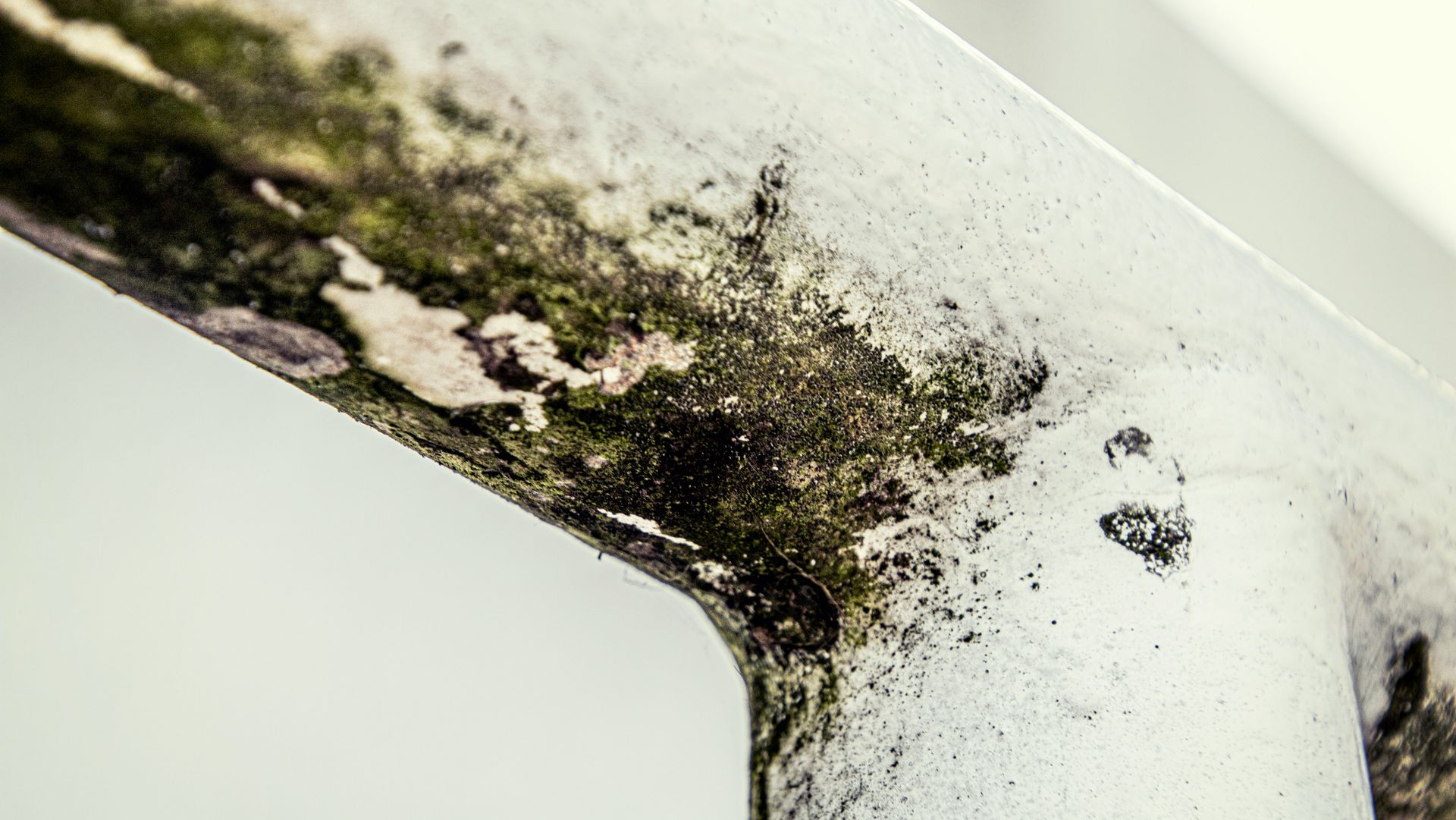
Visible mold and mildew can negatively affect the appearance of a commercial property. Discoloration on walls, ceilings, flooring, and other surfaces may create the impression that a building is not being properly maintained. This can influence how tenants, visitors, and customers perceive the property.
In competitive commercial environments, building appearance remains an important factor in tenant satisfaction and overall property reputation.
Preventing mold and mildew growth helps maintain a cleaner, more professional environment throughout the facility.
Prevention Is Often Easier Than Remediation
One of the most effective ways to address mold and mildew is to prevent the conditions that allow them to develop in the first place.
Proper cleaning, moisture management, routine inspections, and prompt attention to leaks or water intrusion issues can significantly reduce the likelihood of problems. Maintaining clean surfaces and ensuring that damp areas are addressed quickly are important components of a comprehensive facility maintenance strategy. Waiting until visible growth appears often makes remediation more difficult and more expensive.
A Proactive Approach to Facility Health
Warm weather presents unique challenges for commercial properties, and mold and mildew are among the most common seasonal concerns. While these issues may begin with excess moisture, their effects can extend beyond appearance to influence indoor air quality, occupant comfort, and overall building maintenance.
ABS Facility Solutions helps commercial property owners and managers maintain clean, healthy environments through professional janitorial services, floor care, and facility support. By addressing moisture-related concerns and maintaining consistent cleaning practices, businesses can reduce the risk of mold and mildew while protecting both their properties and the people who use them.
As summer temperatures and humidity levels rise, proactive facility maintenance remains one of the most effective tools for preventing mold and mildew before they become larger problems.