What Property Managers Should Include in a Summer Maintenance Plan
Summer can be one of the busiest times of the year for commercial properties. Increased visitor traffic, higher temperatures, seasonal weather events, and ongoing building use all place additional demands on facilities. For property managers, a proactive summer maintenance plan can help reduce unexpected issues, maintain tenant satisfaction, and protect the long-term condition of the property.
While every building has unique needs, certain maintenance priorities deserve attention during the summer months.
Focus on Common Areas
Common areas often create the first impression visitors, tenants, and customers have of a property. During the summer, these spaces may experience increased foot traffic, making routine upkeep especially important.
Property managers should evaluate lobbies, hallways, elevators, entryways, shared restrooms, and break areas.
Regular cleaning and inspection of these spaces helps maintain a professional appearance while reducing wear and tear caused by daily use.

Prioritize Floor Care
Summer conditions can be surprisingly hard on commercial flooring. Dirt, dust, sand, moisture, and debris are often tracked indoors, where they can gradually affect floor surfaces.
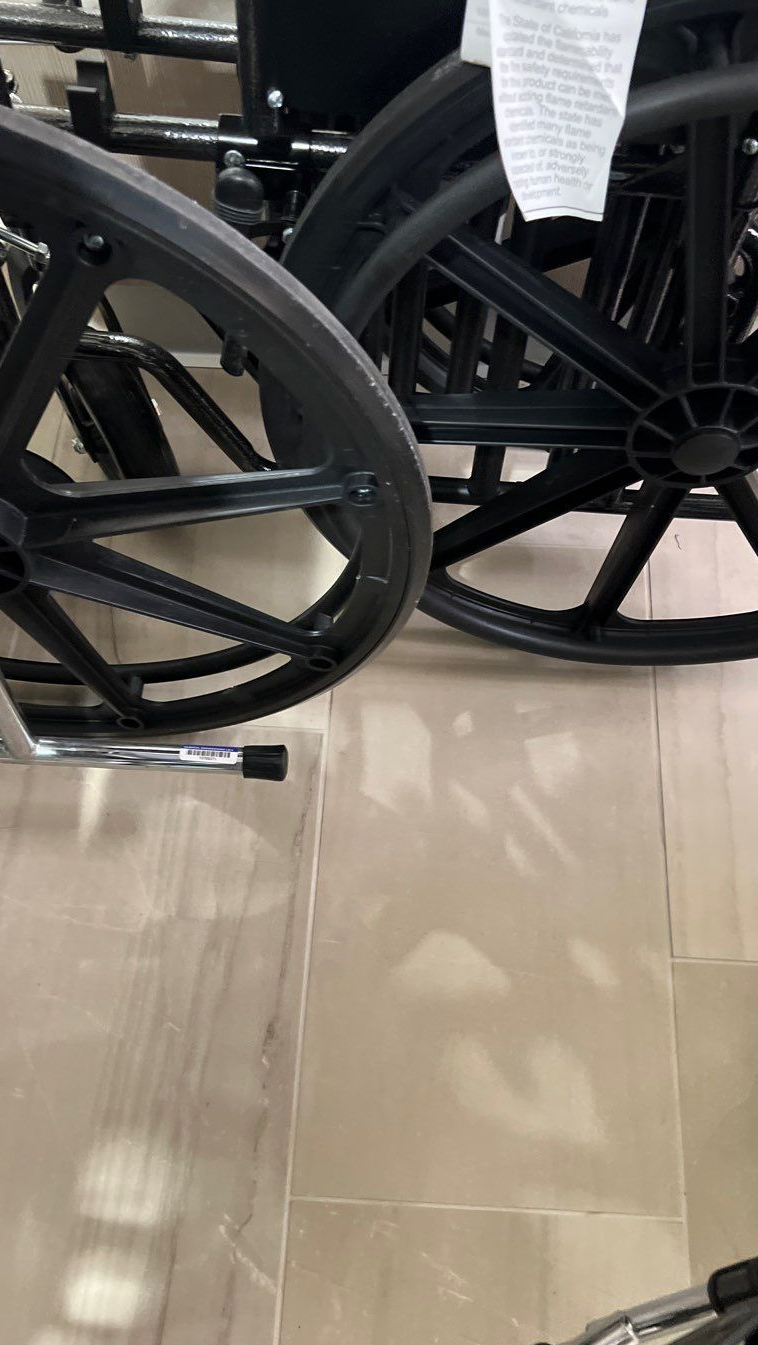
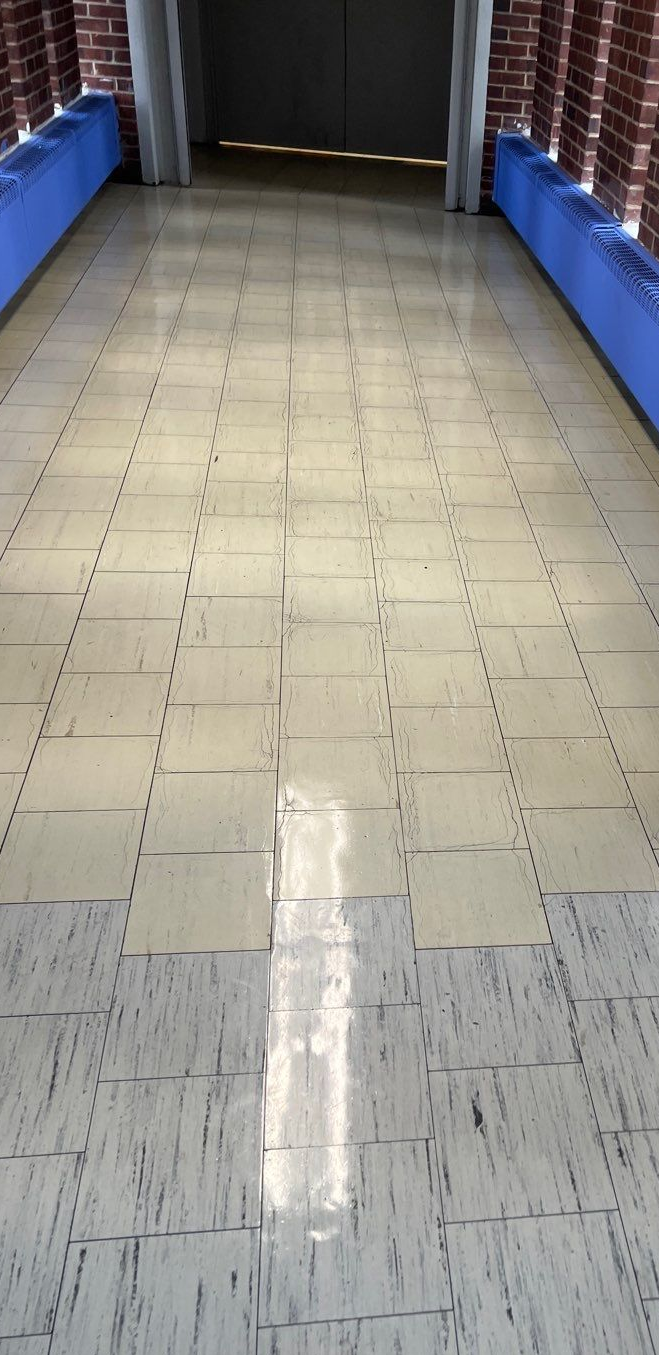
A summer maintenance plan should include routine floor cleaning, carpet care, hard floor maintenance, entry mat inspections, and spot cleaning procedures. Proper floor care not only improves appearance but may also help extend the lifespan of flooring materials.
Address Humidity and Moisture Concerns
Warmer weather brings increased humidity. Excess moisture can contribute to odors, indoor air quality concerns, and, in some cases, mold or mildew growth.
Property managers should
monitor areas prone to moisture accumulation, including restrooms, utility rooms, storage spaces, HVAC areas, and kitchens and breakrooms. Identifying and addressing moisture issues early is often easier than dealing with larger problems later.

Review Outdoor Areas
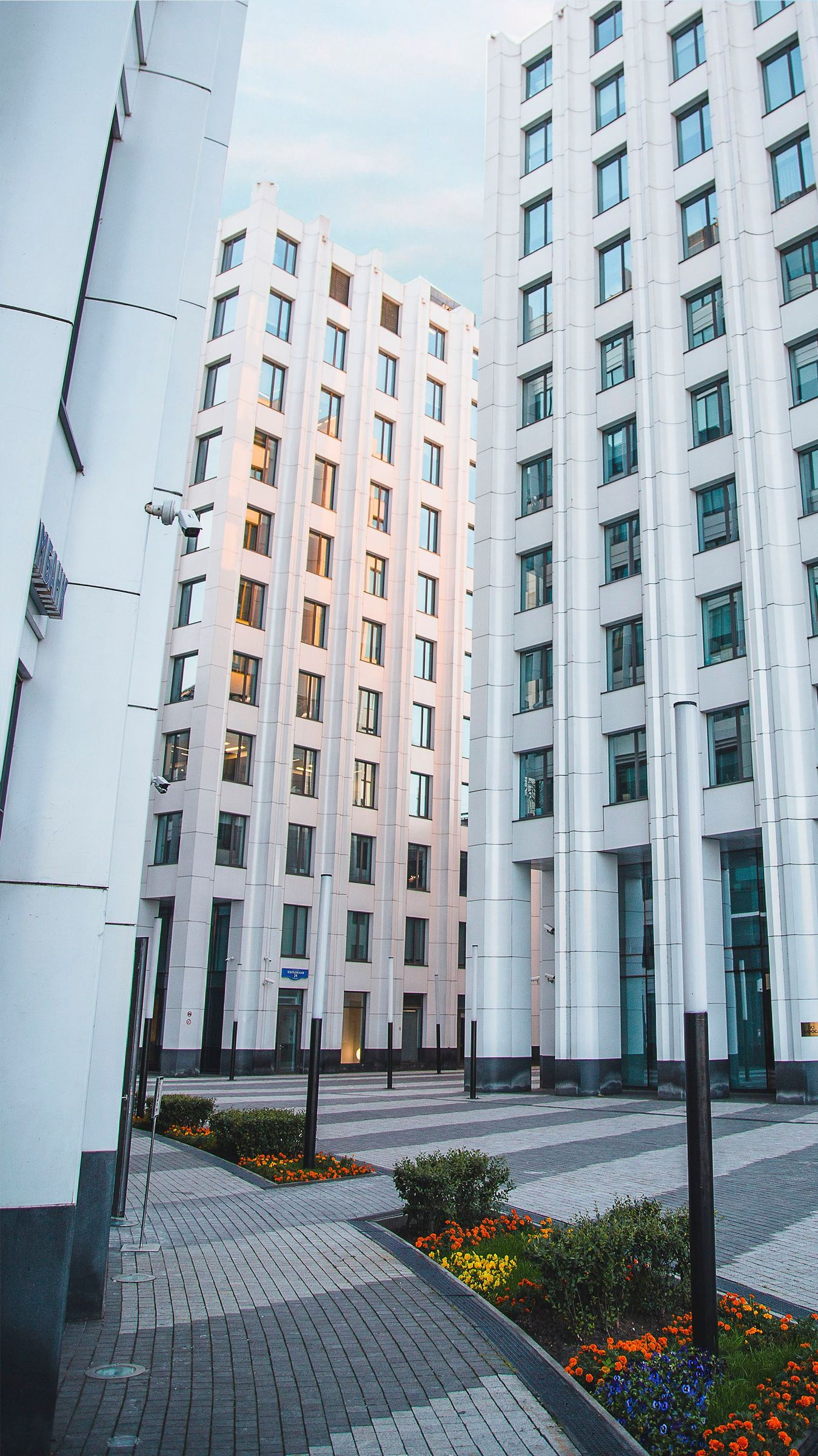
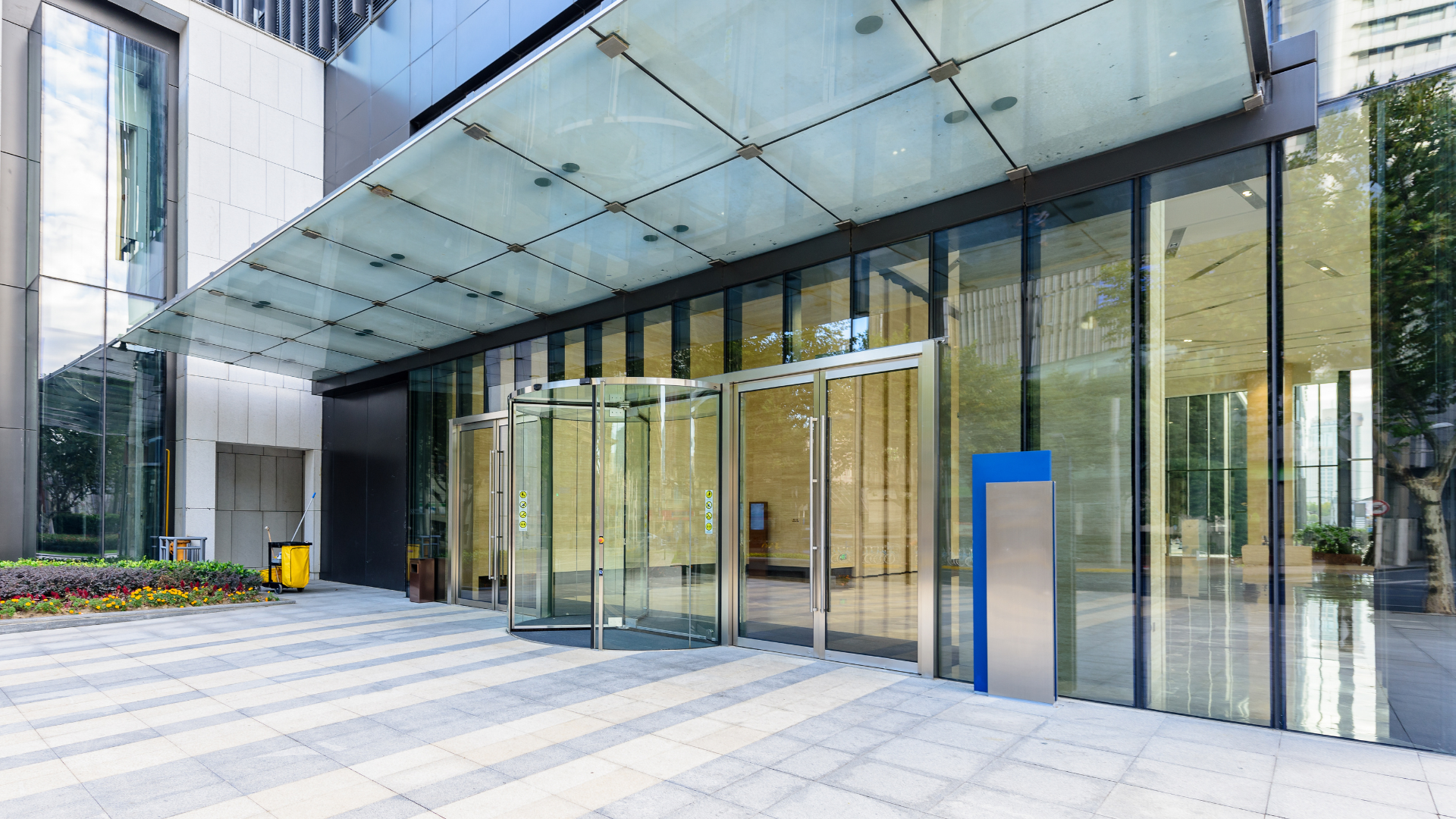
Summer is also a good time to evaluate exterior spaces. Parking lots, sidewalks, entrances, and landscaped areas all contribute to the overall appearance and functionality of a property.
A seasonal inspection may include reviewing walkways for hazards, parking lot cleanliness, exterior lighting, trash collection areas, and landscape maintenance. Well-maintained outdoor spaces help create a positive experience before visitors even enter the building.
Evaluate Restroom Maintenance
Restrooms remain one of the most frequently used spaces in any commercial property. They also tend to be one of the areas occupants notice most.
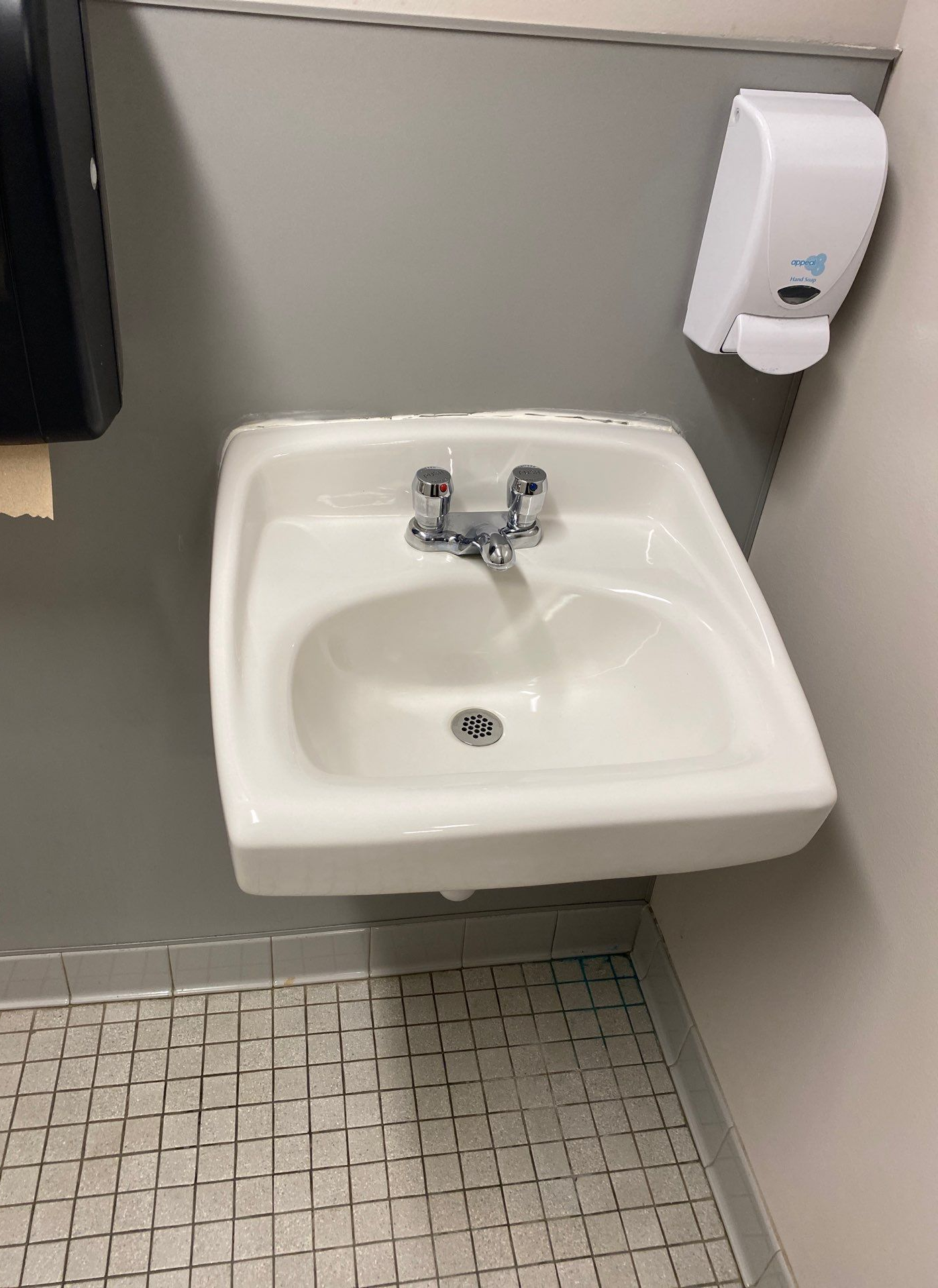
A summer maintenance plan should ensure regular cleaning schedules, adequate supply inventories, prompt attention to maintenance concerns, and ongoing inspection of fixtures and surfaces. Consistent restroom maintenance supports both occupant satisfaction and facility hygiene.

Consider Indoor Air Quality
As temperatures rise, HVAC systems often work harder to maintain comfortable indoor environments. This makes summer an excellent time to review indoor air quality strategies.
Dust accumulation, moisture, and heavy building use can all affect indoor conditions. Routine cleaning helps remove contaminants from surfaces and supports a cleaner environment throughout the facility.
For many commercial properties, maintaining indoor comfort is an important part of tenant and employee satisfaction.
Plan for Seasonal Traffic Changes
Some properties experience increased activity during the summer months, while others may see temporary occupancy changes due to vacations or seasonal business cycles.
Property managers should evaluate whether cleaning schedules, staffing levels, or maintenance priorities need adjustment to accommodate changing building demands.
Planning ahead often helps facilities operate more smoothly during busy periods.

A Proactive Approach Benefits Everyone
Successful summer maintenance is not simply about responding to problems. It is about identifying potential issues before they affect tenants, visitors, or building operations.
A well-rounded maintenance plan should address cleanliness, floor care, moisture management, outdoor areas, restrooms, and indoor environmental conditions. These efforts help protect the property while supporting a positive experience for everyone who uses the facility.
ABS Facility Solutions helps property managers maintain professional, clean, and well-functioning commercial environments throughout the year. From janitorial services and floor care to ongoing facility support, a proactive maintenance strategy can help keep your property operating at its best all summer long.