Why Cleaning Documentation Can Matter in Medical Environments
Medical offices, outpatient facilities, clinics, and other healthcare environments depend on consistent cleaning routines. Unlike many standard commercial spaces, healthcare facilities often need more structured procedures because treatment areas, waiting rooms, restrooms, and high-touch surfaces can all have different cleaning requirements.
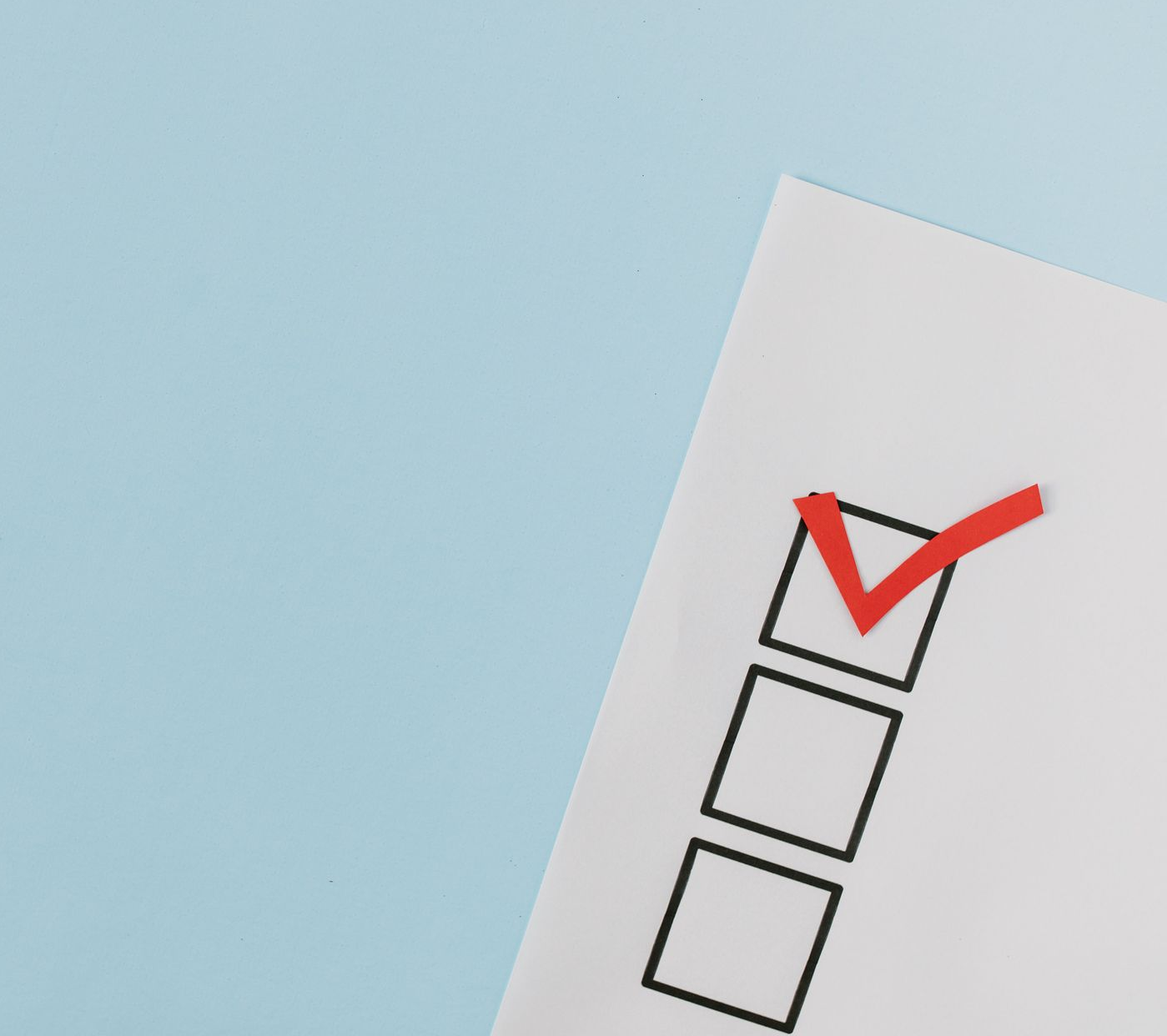
One way to support that consistency is through documentation. Cleaning logs, checklists, schedules, and service records can help facility managers understand what was cleaned, when it was completed, and whether important tasks are being handled as planned.

Documentation Creates Accountability
A cleaning program is more reliable when responsibilities are clearly defined.
Written checklists can identify which rooms, surfaces, and tasks should be addressed during each service period. This helps reduce uncertainty and makes it easier for cleaning teams to follow the same expectations from one shift to the next.
For example, a checklist may distinguish between routine office cleaning, restroom maintenance, waiting-room attention, and cleaning in clinical areas.
When responsibilities are documented,
facility managers have a clearer way to review whether the agreed scope of work is being completed consistently.

Different Areas May Need Different Schedules
Not every part of a medical facility needs to be cleaned at the same frequency.
A private administrative office may require a different routine than an exam room, restroom, waiting area, or reception counter.
Documentation can help organize those differences.
Instead of relying on memory, the cleaning plan can identify which areas need daily service, which require attention throughout the day, and which may need periodic deep cleaning.
This is especially useful in facilities with changing appointment volume or extended operating hours.

High-Touch Surfaces Need Consistent Attention
Healthcare environments contain many surfaces that are touched repeatedly throughout the day.
Door handles, light switches, reception counters, armrests, elevator buttons, faucets, and other shared touchpoints can require regular attention depending on facility protocols and usage.
A documented cleaning program can help make sure these areas are not overlooked.
It can also help clarify which surfaces are included in routine cleaning and which require a different procedure or disinfecting product.
Logs Can Help Identify Recurring Problems
Cleaning documentation can do more than confirm that a task was completed.
Over time, it reveals data.
If the same restroom repeatedly requires extra attention, the issue may be related to traffic volume, supply shortages, ventilation, or scheduling. If a waiting room becomes untidy by midday, the facility may need additional daytime service rather than relying only on evening cleaning.
Logs and service notes can help facility managers recognize these trends and adjust the cleaning program accordingly.

Documentation Supports Better Communication
Healthcare facilities often involve multiple departments, employees, vendors, and building managers.
Without clear records, cleaning concerns can become difficult to track.
A documented process gives everyone a common reference point. Facility managers can review when a concern was reported, what action was taken, and whether follow-up is needed.
This can reduce confusion and make communication with the cleaning provider more efficient.
It Can Help With Internal Procedures
Many healthcare organizations have their own internal standards for cleaning, infection prevention, and facility maintenance.
Documentation can help demonstrate that routine environmental cleaning tasks are being performed according to the facility's procedures.
This does not replace clinical infection-control policies or regulatory requirements, but it can support the operational side of the facility by creating a consistent record of routine service.
The exact documentation needed will vary depending on the type of medical environment and the organization's internal policies.

Checklists Can Improve Consistency Across Staff
Medical facilities may have different cleaning employees working on different days or shifts.
A written checklist helps reduce variation between workers.
Instead of one employee following one routine and another using a different approach, the team can work from the same documented expectations.
This is particularly valuable in larger facilities where several people may share responsibility for different areas.

Documentation Should Be Useful, Not Complicated
A good cleaning record does not need to create unnecessary paperwork.
The best system is one that gives facility managers enough information to confirm service, identify problems, and communicate effectively without making the process cumbersome.
Simple checklists, completion logs, service notes, and clearly defined schedules can often provide the structure a facility needs.
Build a More Consistent Healthcare Cleaning Program
In medical environments, consistency matters. Documentation can help support accountability, clarify responsibilities, track recurring issues, and make it easier to adjust cleaning schedules as facility needs change.
ABS Facility Solutions provides commercial janitorial services, day porter support, floor care, restroom maintenance, disinfection services, and specialized cleaning for healthcare and other commercial facilities. If your medical office or healthcare property needs a more organized and dependable cleaning program, contact ABS Facility Solutions to discuss a service plan built around your facility’s layout, traffic, and operational requirements.