What Visitors Notice in the First 30 Seconds of Entering a Facility
People form impressions of a commercial building almost immediately.
They may not consciously inspect the floors, glass, lobby furniture, or restroom signage, but they notice whether the space feels clean, organized, and well maintained. That first impression can influence how they view the business, property management team, or organization occupying the building.
For facility managers, that means the first 30 seconds matter more than many people realize.
The Entrance Sets the Tone
The entryway is usually the first place where a visitor interacts with the building.
Dirty glass, overflowing trash, tracked-in debris, worn floor mats, or fingerprints on doors can create the impression that maintenance is being overlooked.
The opposite is also true.
A clean entrance suggests that someone is paying attention.
This is why entryways often need more frequent service than low-traffic areas. They collect moisture, dust, leaves, salt, grit, and other debris throughout the day, and that material can quickly spread farther into the building if it is not controlled.

Floors Get Judged Instantly
Visitors may not know what kind of flooring they are walking on, but they can tell when it looks neglected.
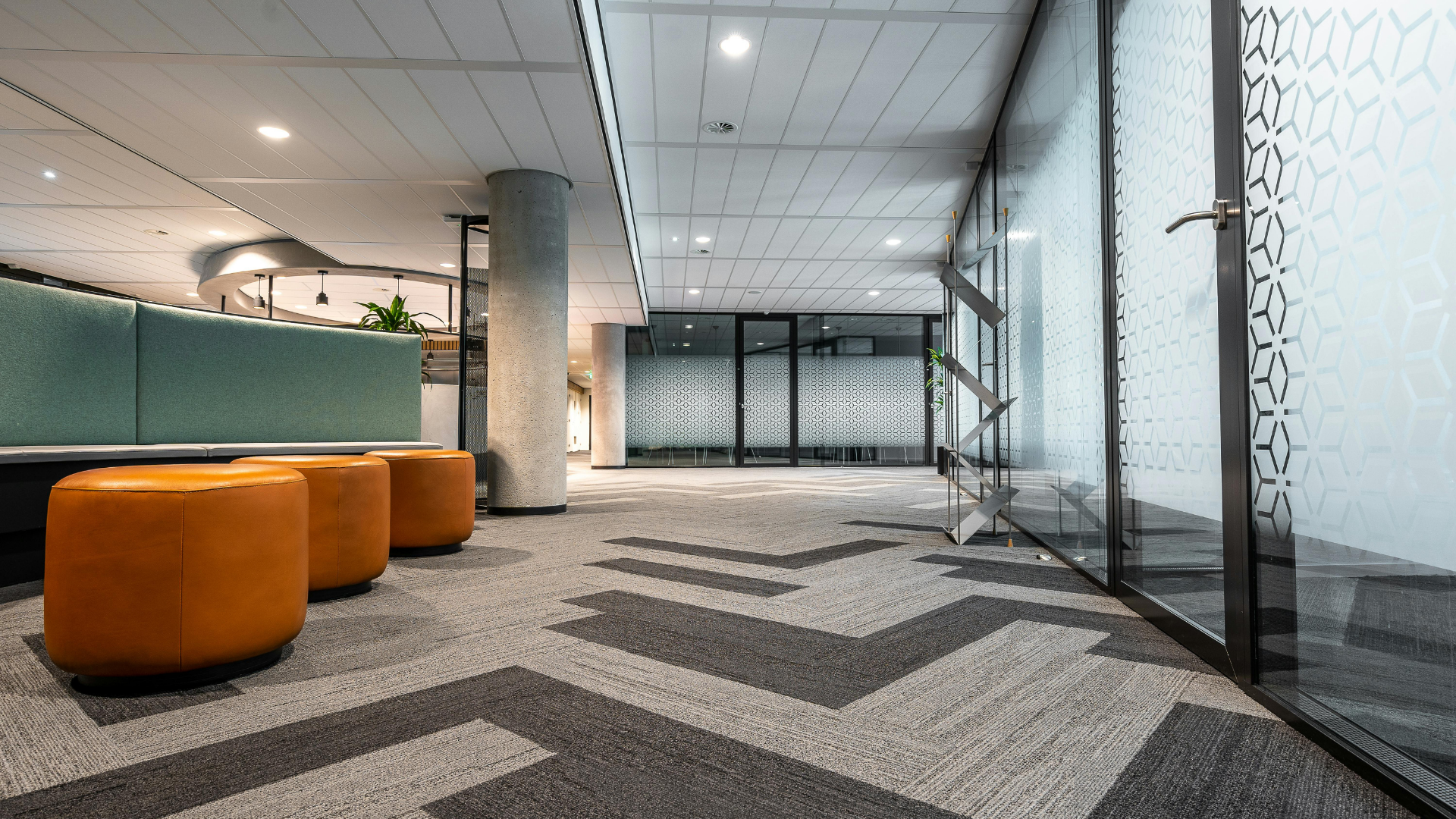
Dull finishes, visible traffic lanes, debris around corners, and staining near entrances can make an otherwise attractive space feel older.
Commercial floor care works best when it is based on how the space is actually used.
High-traffic areas may need more frequent attention, while lower-traffic spaces can often follow a different schedule.
ABS Facility Solutions can help facility managers build floor care around traffic patterns rather than treating every part of the building the same way.
Glass and Touchpoints Stand Out
Smudged glass is surprisingly noticeable.
Lobby doors, interior glass panels, elevator buttons, railings, and other high-touch surfaces can quickly collect fingerprints and residue.
These details are small, but they influence how clean the entire building feels.
When they are consistently maintained, visitors are less likely to notice them at all, which is usually the goal.
A good commercial janitorial program should account for both broad cleaning tasks and the small details that affect perception.

Restrooms Can Confirm—or Undo—the First Impression
Even if the lobby looks excellent, a poorly maintained restroom can change a visitor’s opinion quickly.
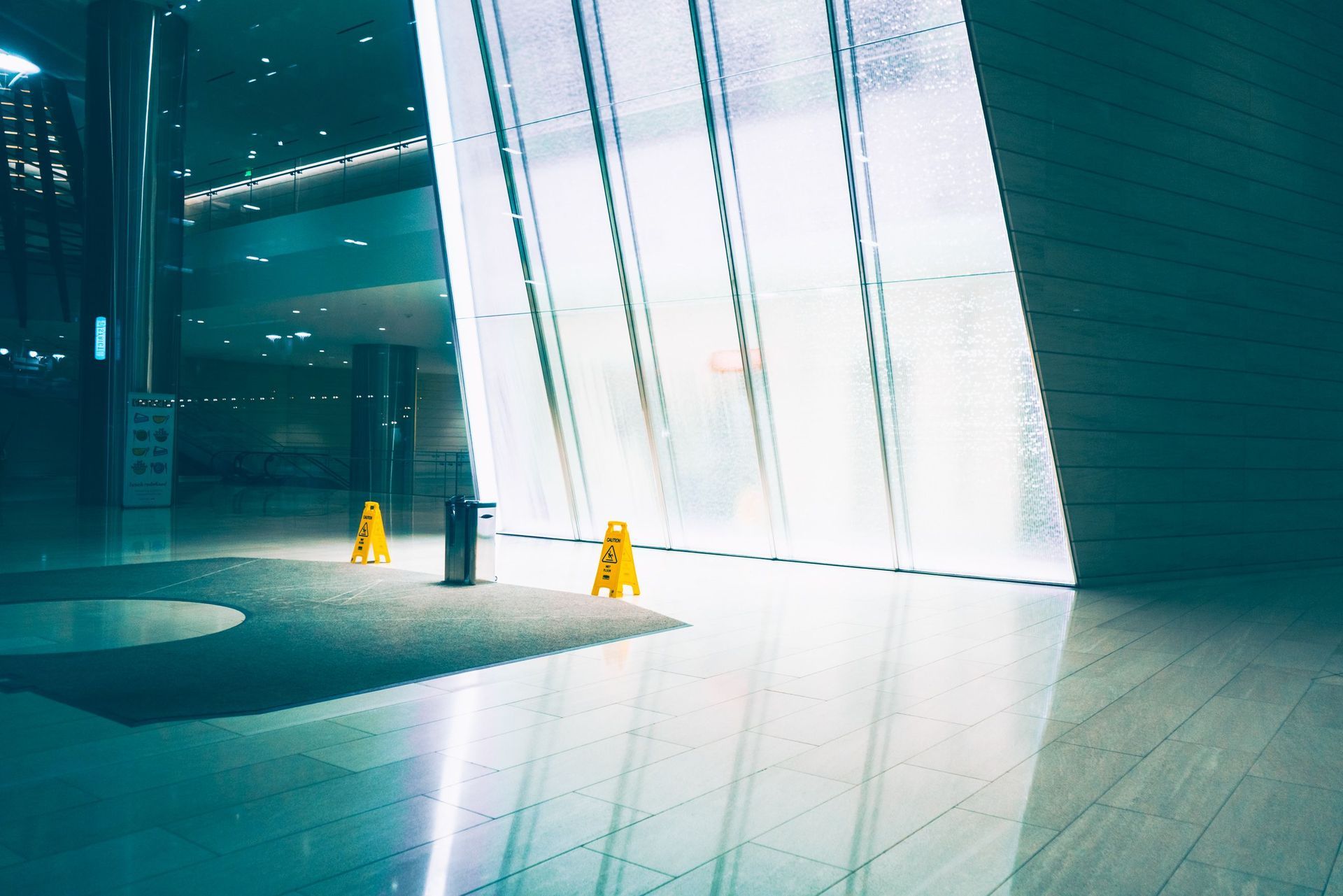
Odor, empty dispensers, wet floors, overflowing waste bins, or visibly dirty fixtures suggest a lack of attention.
Restrooms also change throughout the day.
A room that looked clean at 8 a.m. may need attention again by noon.
That is where day porter service can be especially valuable. Ongoing checks help keep supplies stocked, address spills, remove waste, and maintain the room between deeper cleaning cycles.
Clutter Makes Clean Spaces Feel Messy
Cleanliness is not only about dirt.
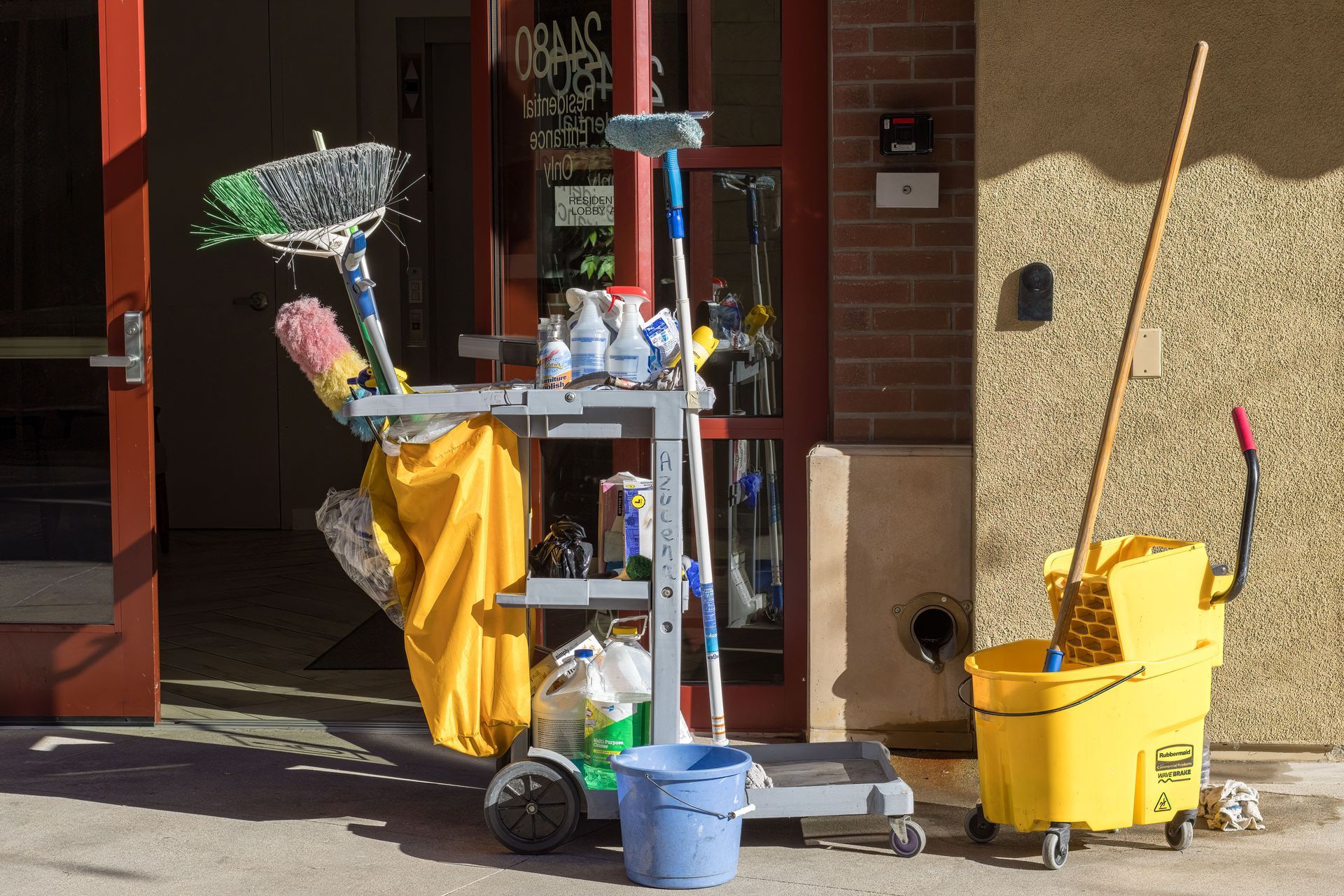
A lobby with overflowing recycling, abandoned boxes, poorly arranged furniture, or visible maintenance supplies can still feel disorganized.
Visitors tend to read clutter as a sign that the building is not being actively managed.
That is why good facility cleaning should support the overall presentation of the space, not just remove soil from surfaces.

Day Porters Can Protect the First Impression
Buildings with steady daytime traffic often need more than one nightly cleaning.
Spills happen. Trash fills. Weather changes. Restrooms get busy. Deliveries create debris.
Day porters help respond to those changes in real time.
They can refresh lobbies, address visible messes, restock supplies, wipe high-touch surfaces, and handle small issues before they become complaints.
That makes the building feel consistently maintained rather than clean only at the start of the day.
Cleanliness Communicates Management Quality
Visitors may never meet the facility manager, but they still form an opinion about how the property is run.
A clean, orderly entrance suggests responsiveness.
A neglected one suggests the opposite.
That is why commercial cleaning should be treated as part of the building experience rather than a background task.
ABS Facility Solutions provides commercial janitorial service, floor care, restroom maintenance, day porter support, disinfection, and post-construction cleaning for facilities that need consistent, professional upkeep.
If you want your property to make a stronger first impression, contact ABS Facility Solutions to build a cleaning program around the spaces visitors notice first.