Why Event Venues Need Structured Cleaning Plans
April 8, 2026
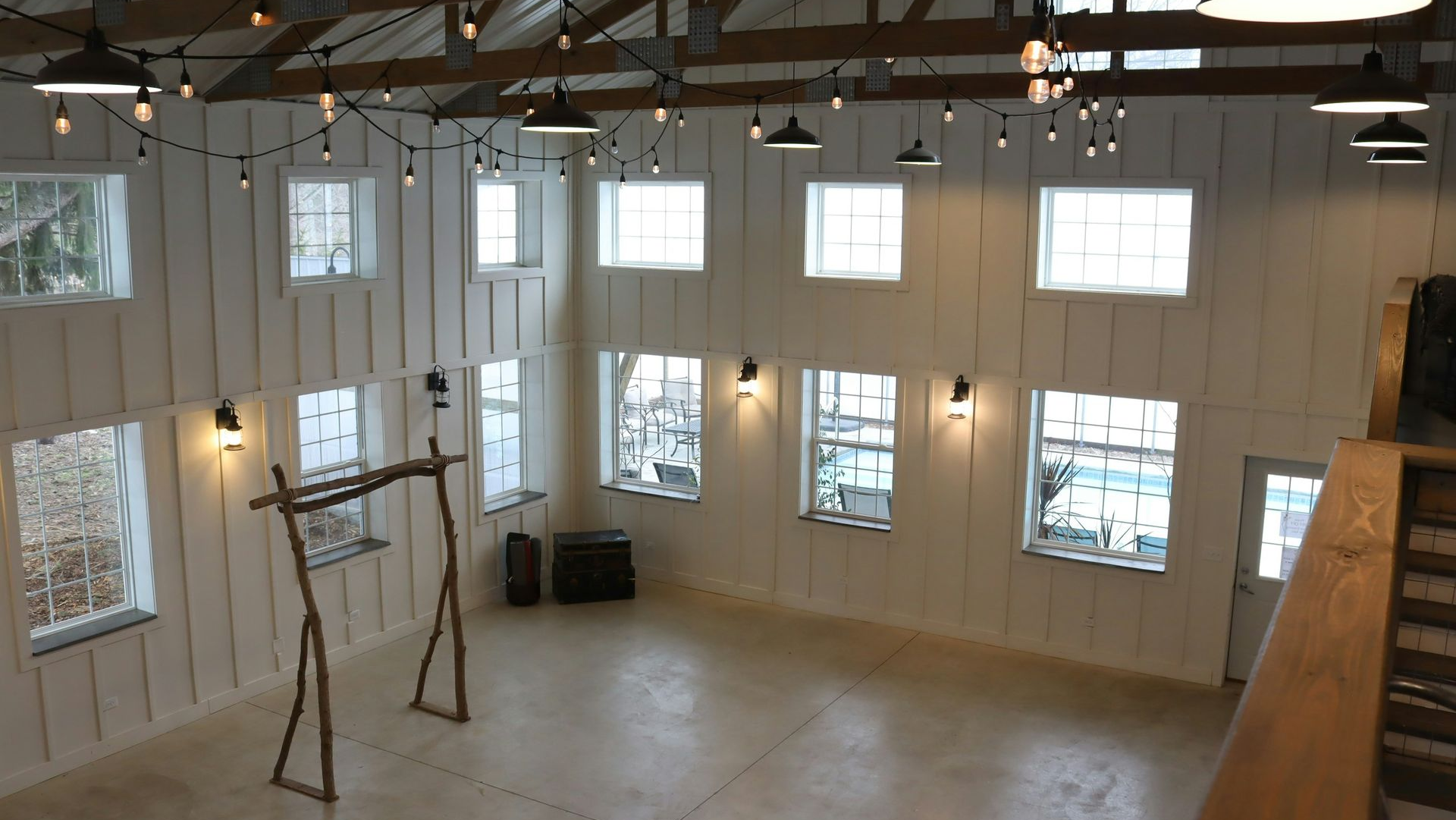
A bright, airy event space with white board-and-batten walls, hanging industrial lights, and large windows.
A bright indoor event hall with a vaulted wooden ceiling, a large chandelier, and guests seated at tables.

During-Event Cleaning Support

For many venues, cleaning does not stop once the event begins. Ongoing cleaning support during events is often necessary to maintain conditions as guests move throughout the space.


Restrooms require frequent attention to remain clean and stocked. Trash must be managed to prevent overflow, and spills must be addressed promptly to reduce slip hazards.


Having a structured plan for during-event cleaning allows staff to respond quickly without disrupting the guest experience. This level of support helps ensure that the venue remains clean and functional throughout the event.
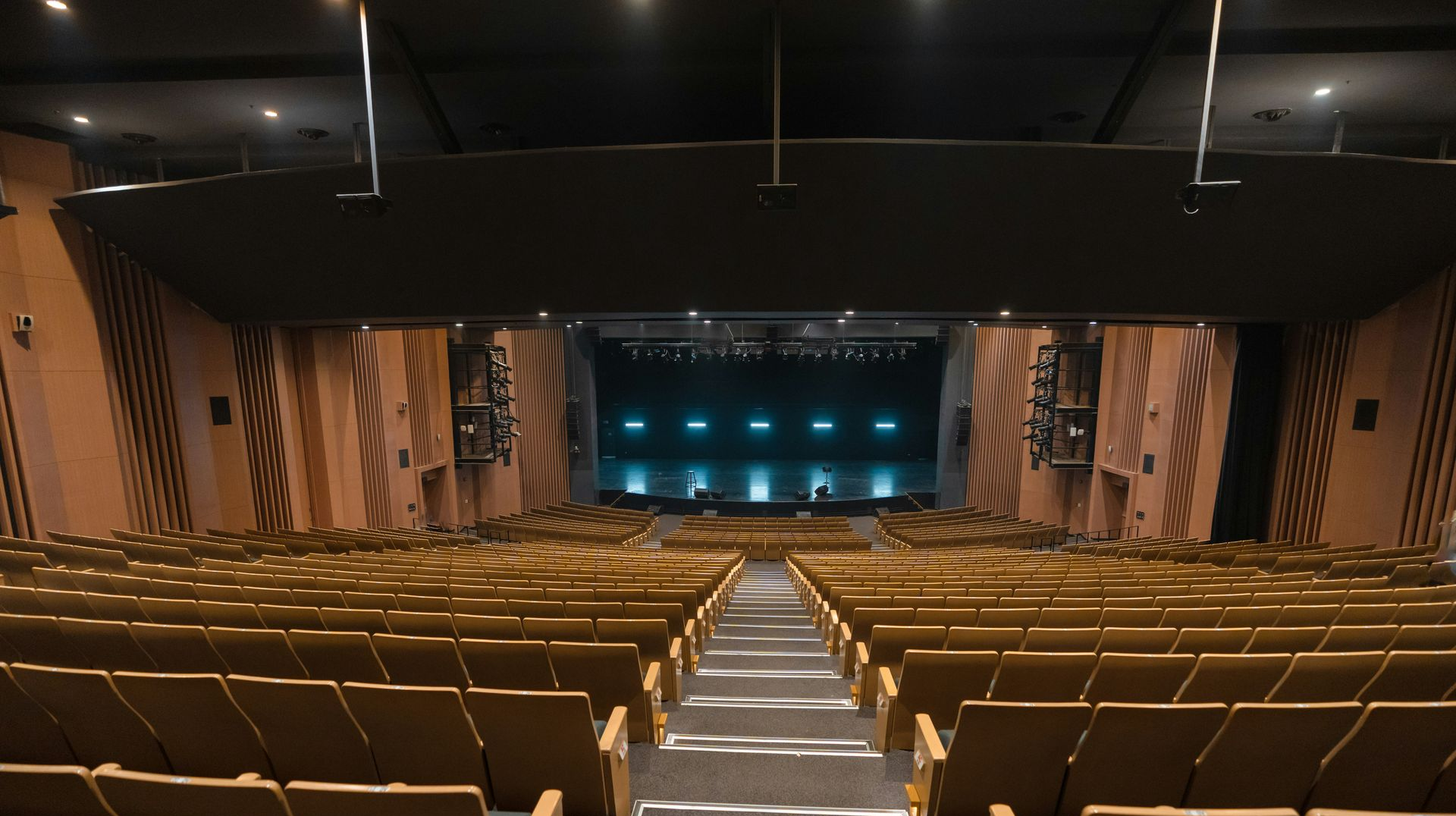
View from the back of a large, empty theater showing rows of tan seats facing a dimly lit stage with blue spotlights.

Post-Event Turnover Efficiency

Once an event concludes, the focus shifts to restoring the venue as quickly as possible. Post-event cleaning is one of the most critical phases of the process, especially when multiple events are scheduled back-to-back.


A structured cleaning plan outlines how teams will handle debris removal, floor cleaning, surface sanitation, and equipment reset. Efficiency during this phase is essential to meet tight turnaround times.


Without a clear plan, delays can occur, which may impact the next scheduled event. Consistency and organization are key to ensuring that the venue is ready for its next use.


Managing High-Traffic Areas

Certain areas of event venues experience heavier use than others. Entrances, restrooms, dining areas, and dance floors often require more frequent attention.


A structured cleaning plan identifies these high-traffic zones and prioritizes them accordingly. By focusing resources where they are needed most, venues can maintain cleanliness even during peak activity.


This targeted approach helps prevent issues such as overcrowded trash areas or unsanitary restrooms, both of which can negatively affect guest experience.

A dimly lit, wood-paneled library set for a wedding reception with round tables, white chairs, and floral centerpieces.

Supporting Safety and Compliance

Cleanliness in event venues is not only about appearance. It also plays a role in safety and compliance. Spills, debris, and clutter can create slip and trip hazards if not addressed promptly.


Proper cleaning protocols help reduce these risks and create a safer environment for guests and staff. In addition, sanitation practices are important when food and beverages are involved.


A structured cleaning plan ensures that these responsibilities are handled consistently and thoroughly.


Enhancing Guest Experience

Guests may not always notice cleaning when it is done well, but they will notice when it is not. Clean restrooms, spotless floors, and well-maintained spaces contribute to a positive overall experience.


Event venues rely heavily on reputation. Cleanliness is a key factor in how guests evaluate a venue and whether they choose to return or recommend it to others.


Consistent cleaning helps venues maintain the high standards expected by clients and guests.

A long dining table set for an event with glassware, white plates, and a vibrant floral centerpiece of yellow and red.

Professional Cleaning Support

Managing cleaning operations for an event venue requires coordination, reliability, and attention to detail. Professional janitorial services provide the structure and expertise needed to meet these demands.


At ABS Facility Solutions, we develop customized cleaning plans for event venues that support pre-event preparation, during-event maintenance, and post-event turnover. Our goal is to help venues operate smoothly while maintaining a clean and welcoming environment.


Event venues operate on tight schedules and high expectations. A structured cleaning plan ensures that every event begins and ends with the level of cleanliness that guests expect.
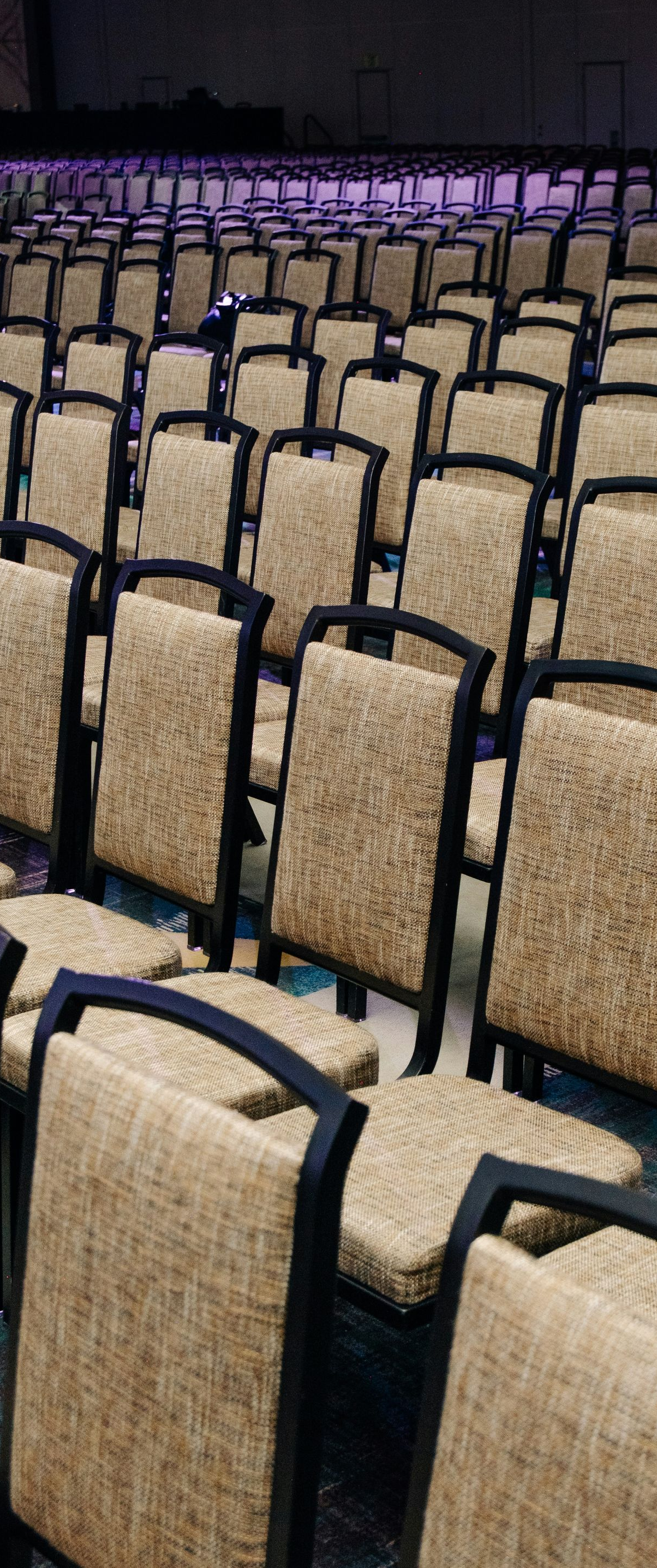

Rows of empty, beige-upholstered banquet chairs arranged in a large conference hall.
A gold circular frame decorated with green eucalyptus leaves and a cluster of pink and white hydrangea flowers.
A round event table set with white linens, gold-rimmed plates, blue napkins, and a gold candelabra centerpieces.
An outdoor wedding ceremony aisle lined with white flowers leads toward a circular altar against a scenic landscape.
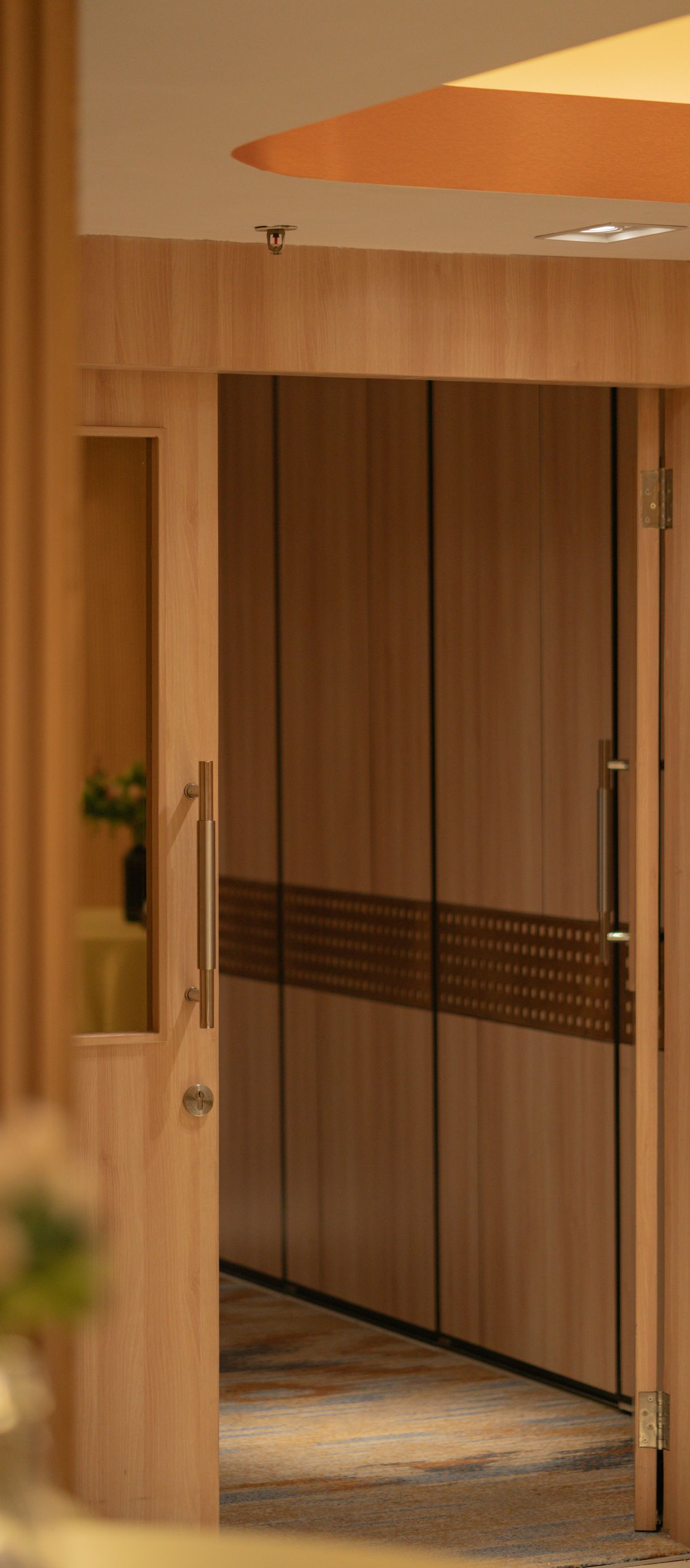
A view through an open wooden door into a room with light-toned wooden walls, a patterned floor, and interior lighting.
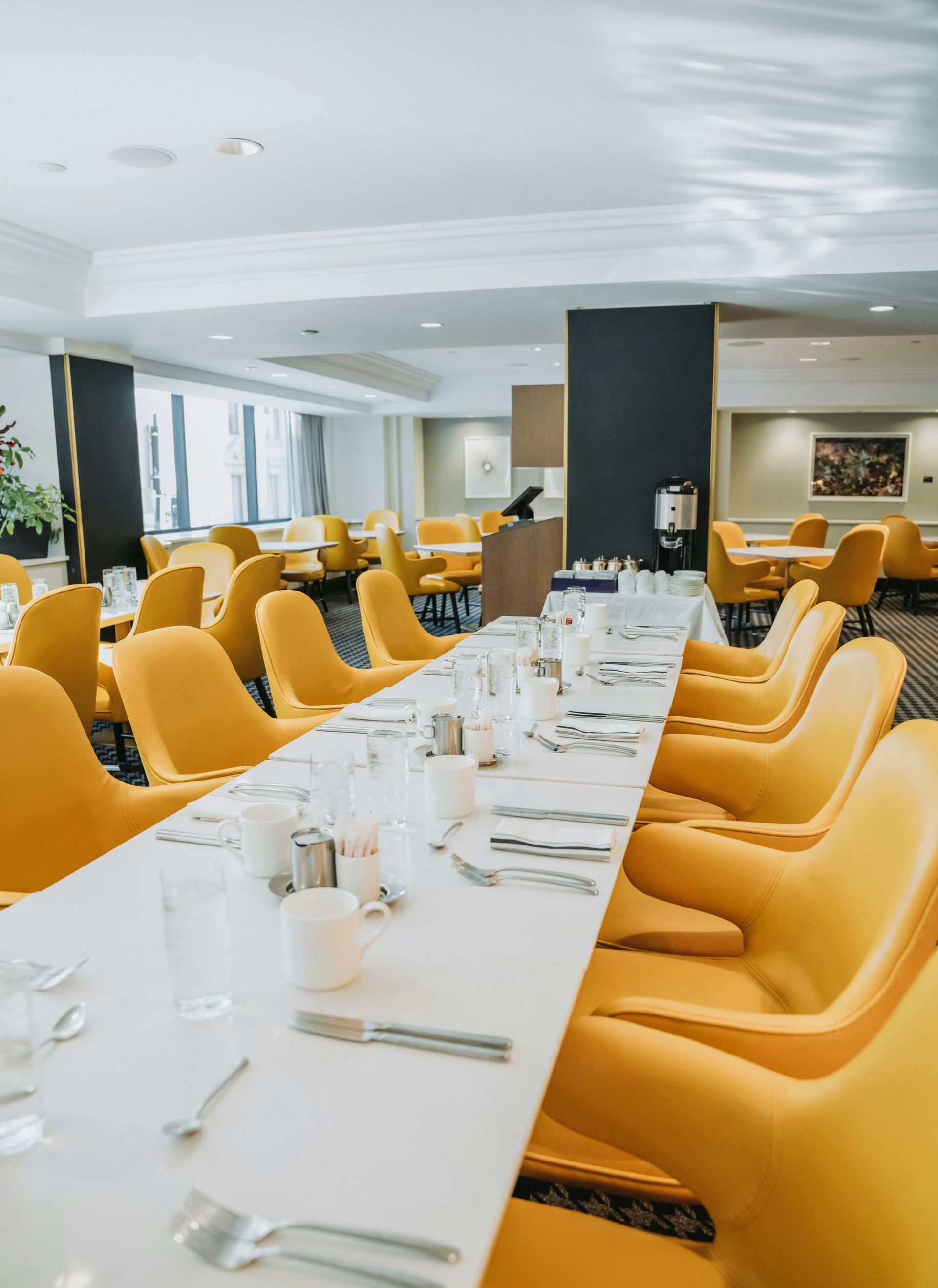
A long, empty dining table with place settings, flanked by rows of vibrant yellow modern chairs in a bright restaurant.
May 21, 2026
When people think about weather-related property maintenance, they usually focus on exterior surfaces such as roofs, parking lots, or landscaping. However, weather conditions also have a major impact on the interior condition of commercial buildings. Rain, snow, humidity, heat, and seasonal debris all influence how quickly indoor spaces accumulate dirt, moisture, and wear. At ABS Facility Solutions, we understand that effective facility maintenance requires adapting cleaning strategies to changing environmental conditions throughout the year. Weather does not stay outside the building . It constantly affects interior cleanliness, flooring condition, air quality, and overall facility appearance. Moisture Enters Buildings Daily One of the biggest weather-related maintenance challenges is moisture tracking. During rainy weather, snow events, or periods of heavy humidity, water is repeatedly carried indoors through entrances, hallways, and common areas. Even small amounts of moisture create several problems over time, including: Slippery flooring surfaces Increased dirt accumulation Damage to flooring materials Odor development Faster surface deterioration  Commercial buildings with high foot traffic experience these issues especially quickly because moisture spreads throughout the facility continuously during the workday.
May 15, 2026
Workplace cleanliness is often viewed as a practical necessity. Floors need to be cleaned, trash needs to be removed, and shared spaces need to be maintained. While these tasks are operationally important, cleanliness also affects something less visible but equally significant: how employees perceive management and the organization as a whole. The condition of a workplace communicates priorities. Employees notice whether shared spaces are maintained consistently, whether restrooms are cared for, and whether the overall environment feels organized and professional. These observations shape impressions about leadership, attention to detail, and workplace standards.  At ABS Facility Solutions, we understand that commercial cleaning is not just about appearance. It is part of how businesses communicate professionalism and consistency internally.
May 6, 2026
Self-storage facilities are often viewed as low-maintenance environments. Unlike offices, retail spaces, or residential buildings, they do not typically involve daily foot traffic from the same occupants. Units are rented, accessed periodically, and secured again. Because of this, many assume that cleaning needs are minimal. In reality, self-storage facilities present a unique set of challenges that make professional cleaning an important part of ongoing operations.  At ABS Facility Solutions, maintaining clean and functional environments across a range of industries includes spaces that are often overlooked, such as self-storage properties. The Nature of Storage Environments Self-storage facilities are designed for durability and utility, not continuous occupancy. Units may sit empty for periods of time, or they may be used to store a wide range of items, including furniture, equipment, and personal belongings. This variability creates conditions where dirt, dust, and debris can accumulate without immediate notice. Because units are not consistently occupied, small issues can develop over time. Dust can settle on surfaces, debris can collect in corners, and environmental factors such as moisture or airflow can affect overall cleanliness. Without regular attention, these conditions can impact both the appearance and usability of the facility.