Cleaning Standards for Manufacturing Facilities Most People Overlook

April 15, 2026
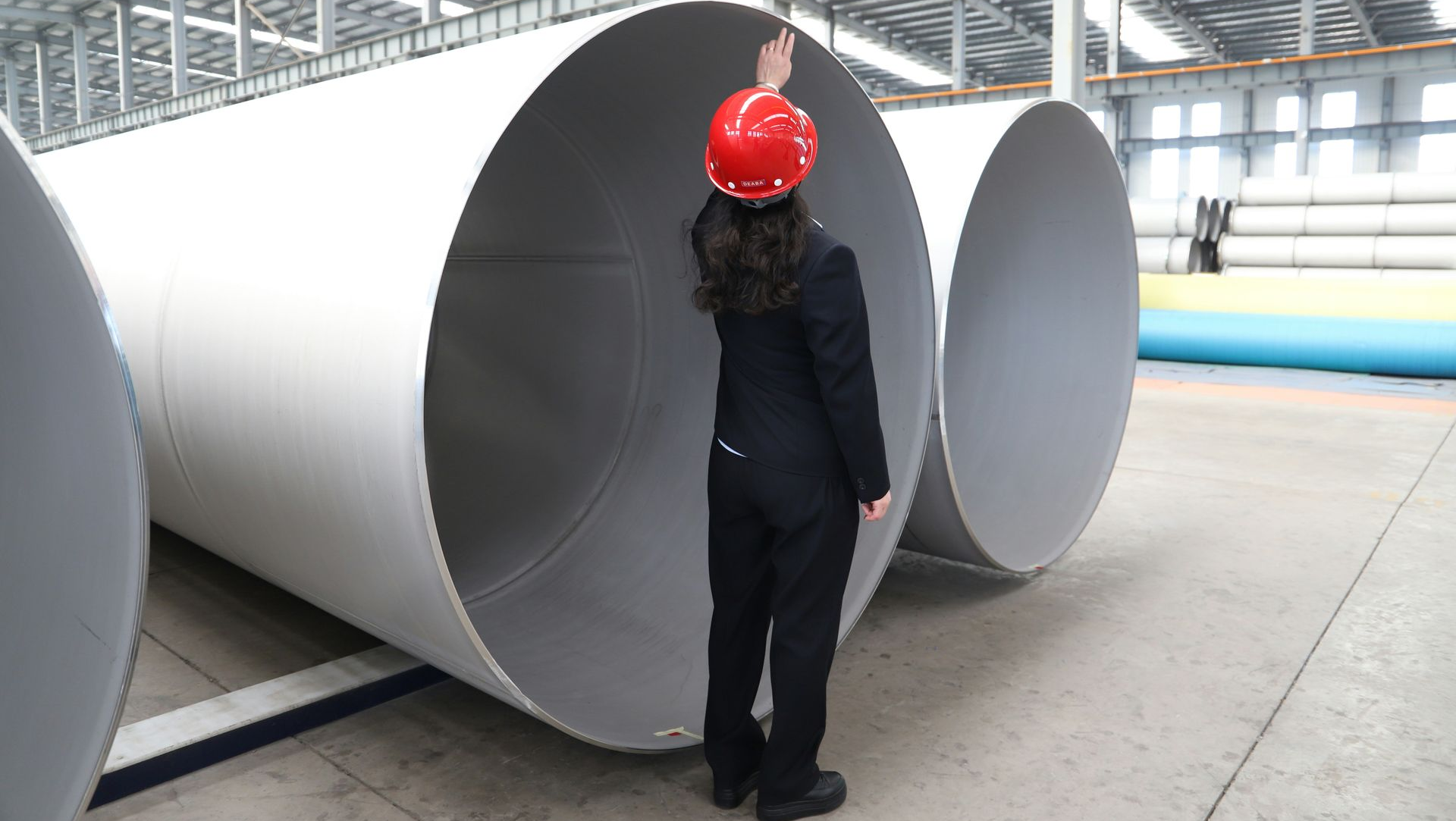
A person in a hard hat inspects the interior of a large, gray industrial pipe inside a factory.
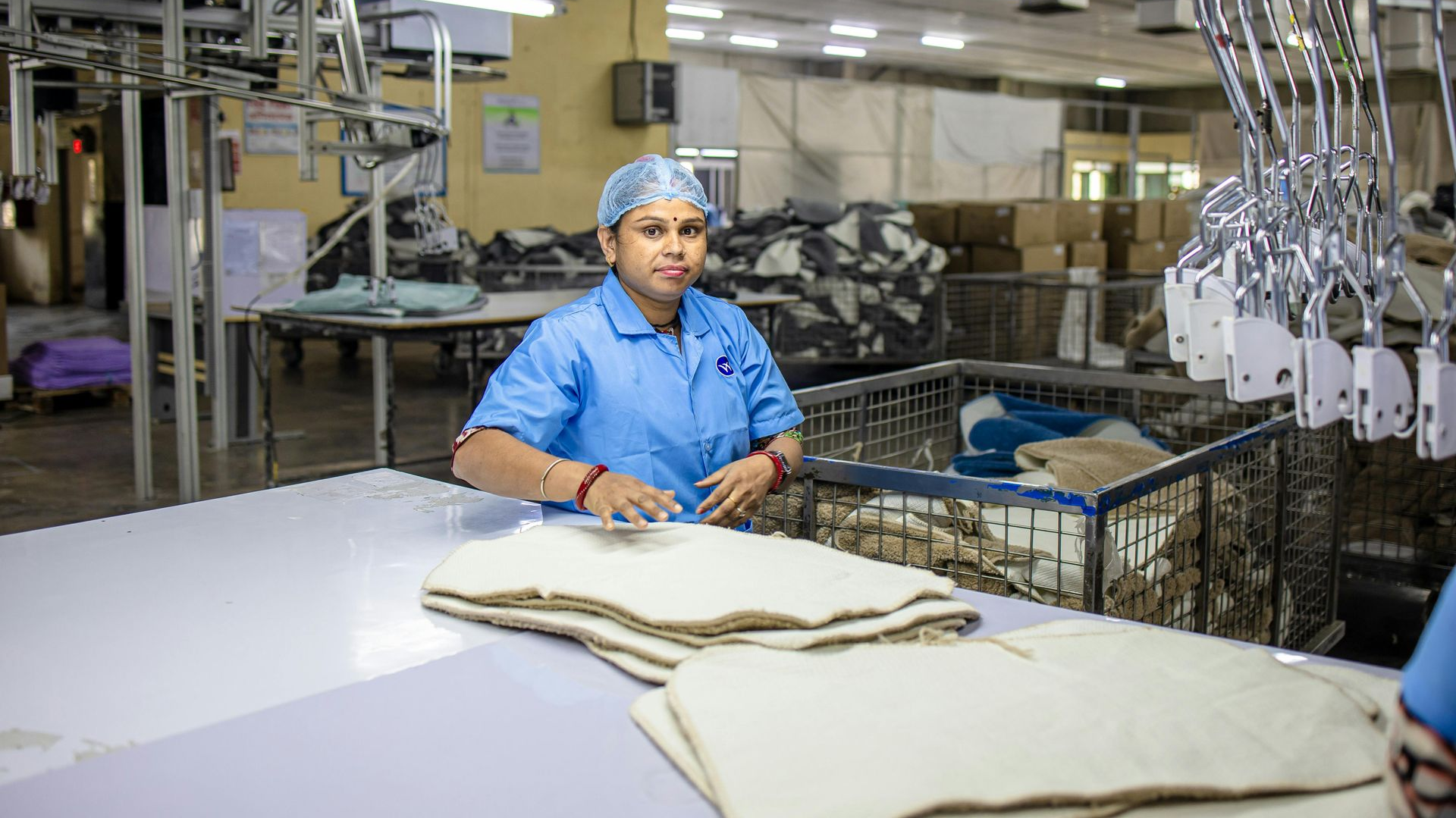
A worker in a blue uniform and hairnet works at a table in a garment factory, preparing stacks of white fabric.

4. High‑Traffic Zones Need Specialized Cleaning

Entry points, production lines, and common pathways accumulate debris faster than other areas. These zones require:

  • Higher cleaning frequency
  • Targeted removal of industrial buildup
  • Continuous monitoring

Ignoring them leads to safety issues and operational inefficiencies.


5. Consistency: The Most Overlooked Cleaning Standard

Even with regular cleaning, inconsistent quality can result in:

  • Missed areas
  • Gradual buildup
  • Decline in overall facility condition

Clear cleaning standards and structured processes ensure every area receives proper attention.
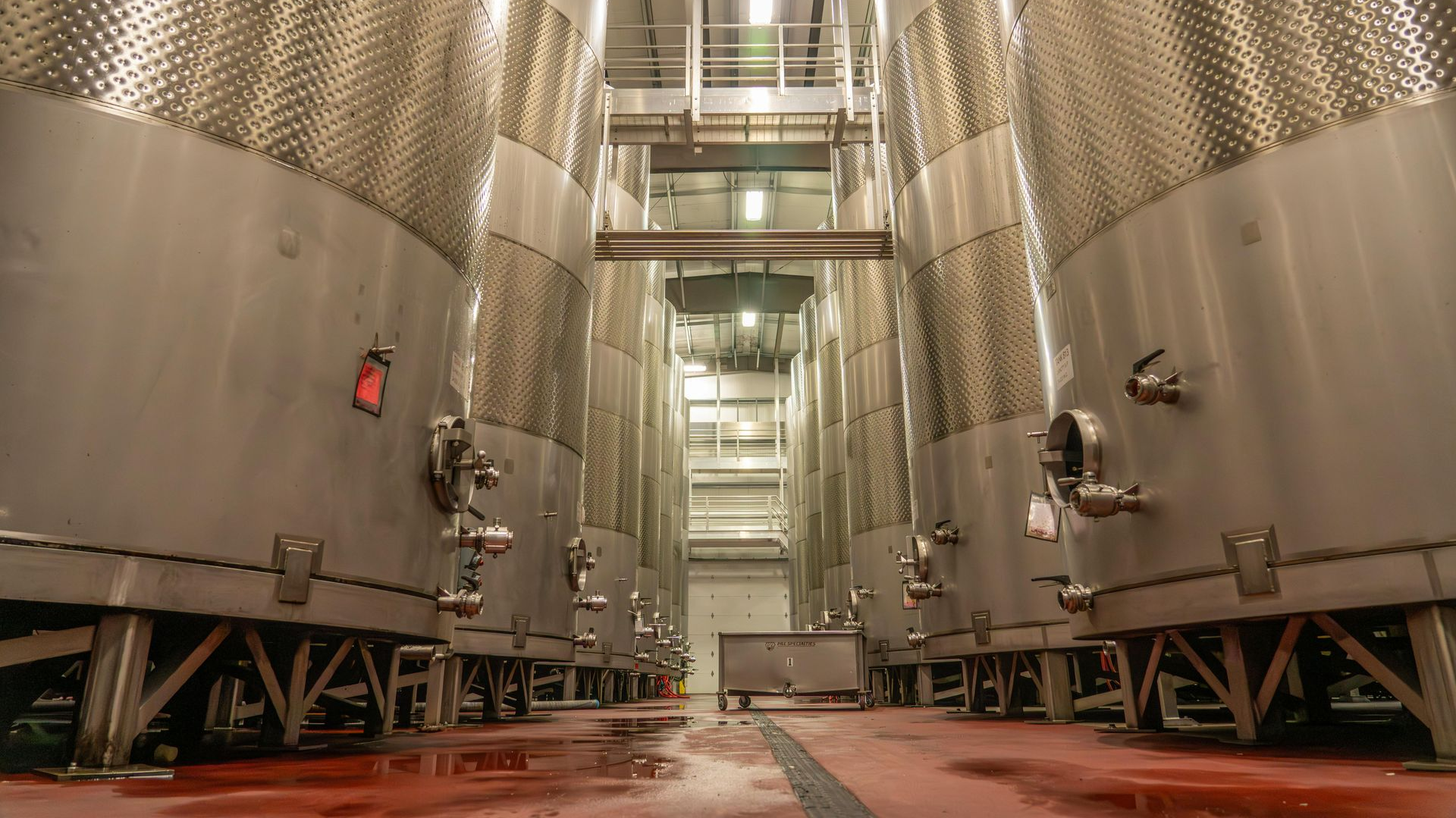
Large, cylindrical stainless steel wine tanks stand in rows in an industrial facility with a red-stained concrete floor.

6. Different Surfaces Require Different Cleaning Methods

Manufacturing facilities include metal, concrete, plastic, coated surfaces, and more. Effective cleaning depends on:

  • Understanding the material
  • Identifying the type of residue
  • Using the correct tools and products

This prevents surface damage and improves overall results.


7. Preventing Long‑Term Operational Issues

Small amounts of residue may seem harmless, but over time they lead to:

Proactive cleaning protects your facility and your bottom line.
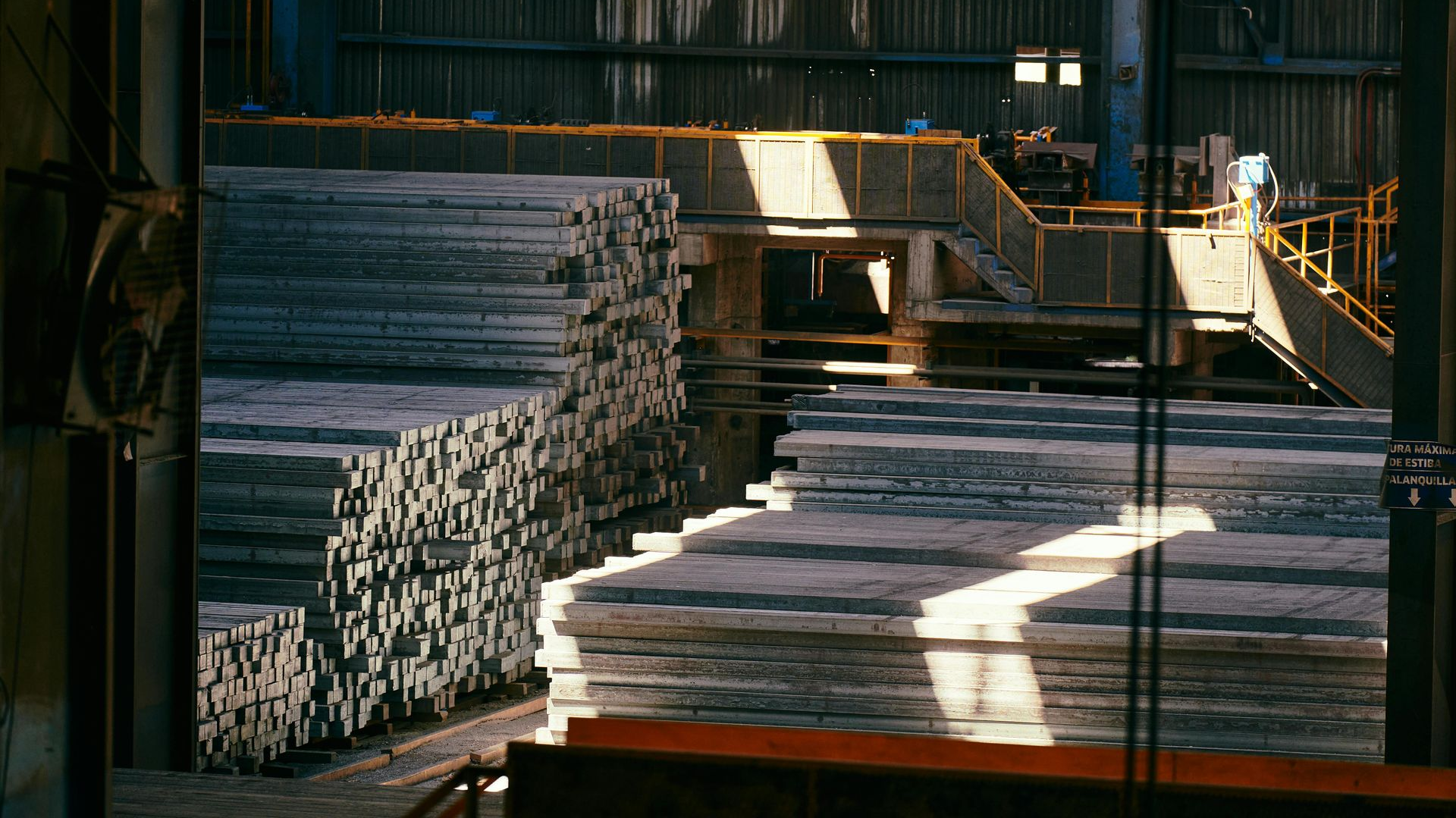
Large stacks of grey metal ingots inside an industrial factory with overhead lighting and a metal walkway.

ABS Facility Solutions: Industrial Cleaning for Manufacturing Facilities

ABS Facility Solutions specializes in industrial cleaning services, manufacturing facility maintenance, and high‑detail cleaning programs designed for production environments.


Our approach focuses on:

  • Consistency
  • Detail
  • Safety
  • Operational efficiency

Contact ABS Facility Solutions today to schedule a facility assessment and develop a cleaning plan that supports your production goals.
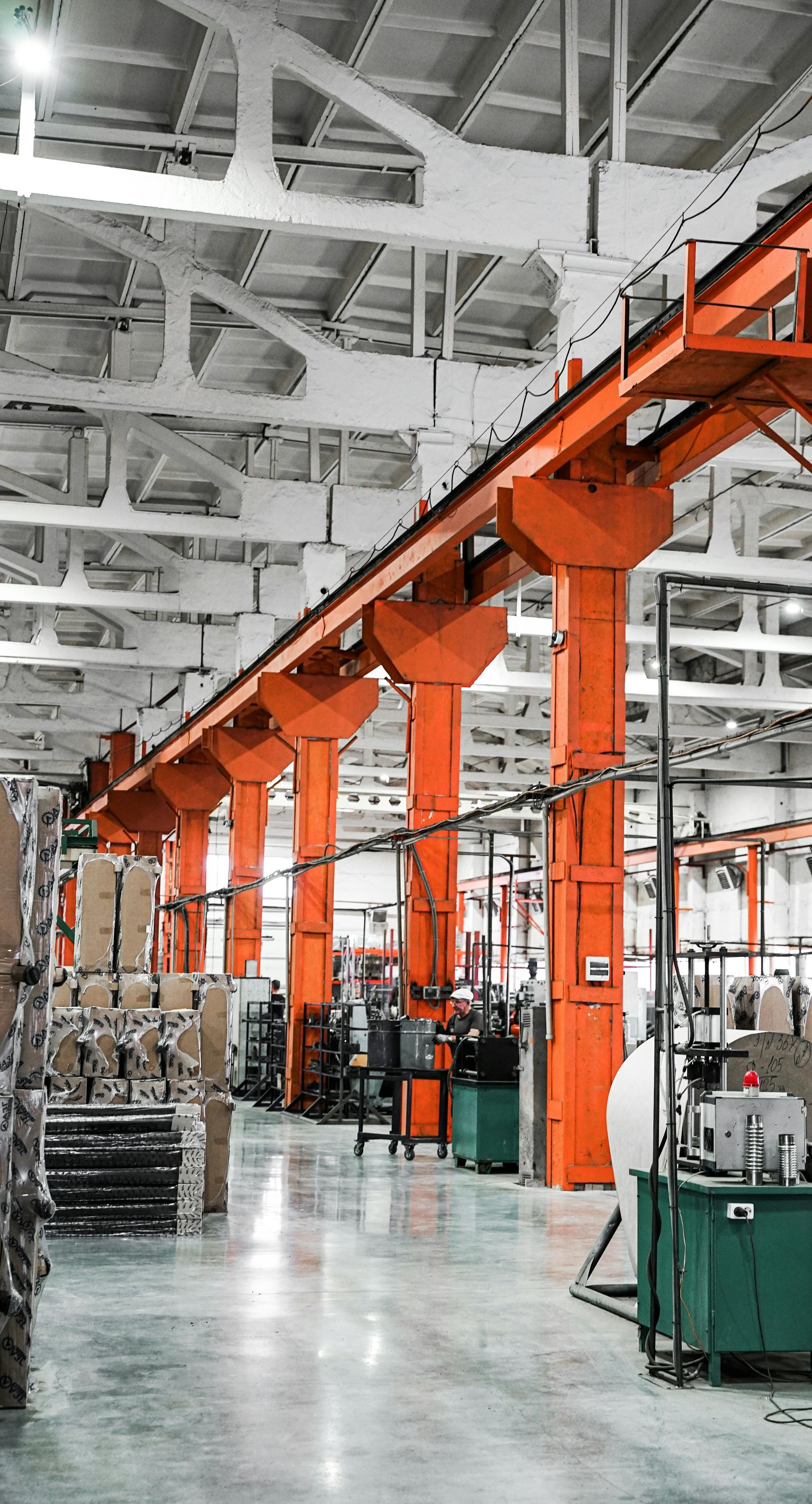
A long, industrial warehouse interior featuring a row of tall orange metal columns supporting an overhead structure.
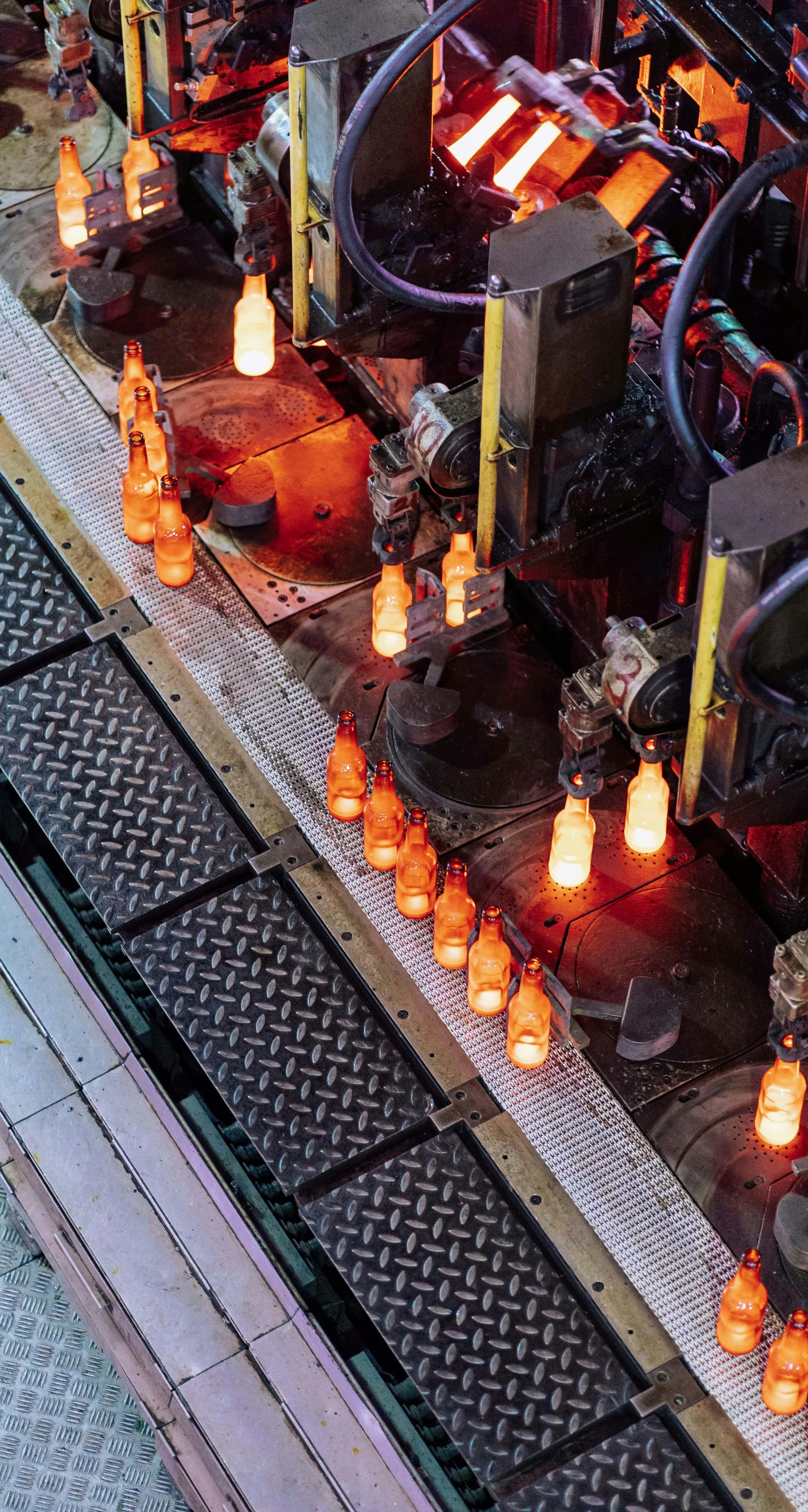
A high-angle view of a glass manufacturing line with glowing, molten glass bottles moving along a metal conveyor belt.
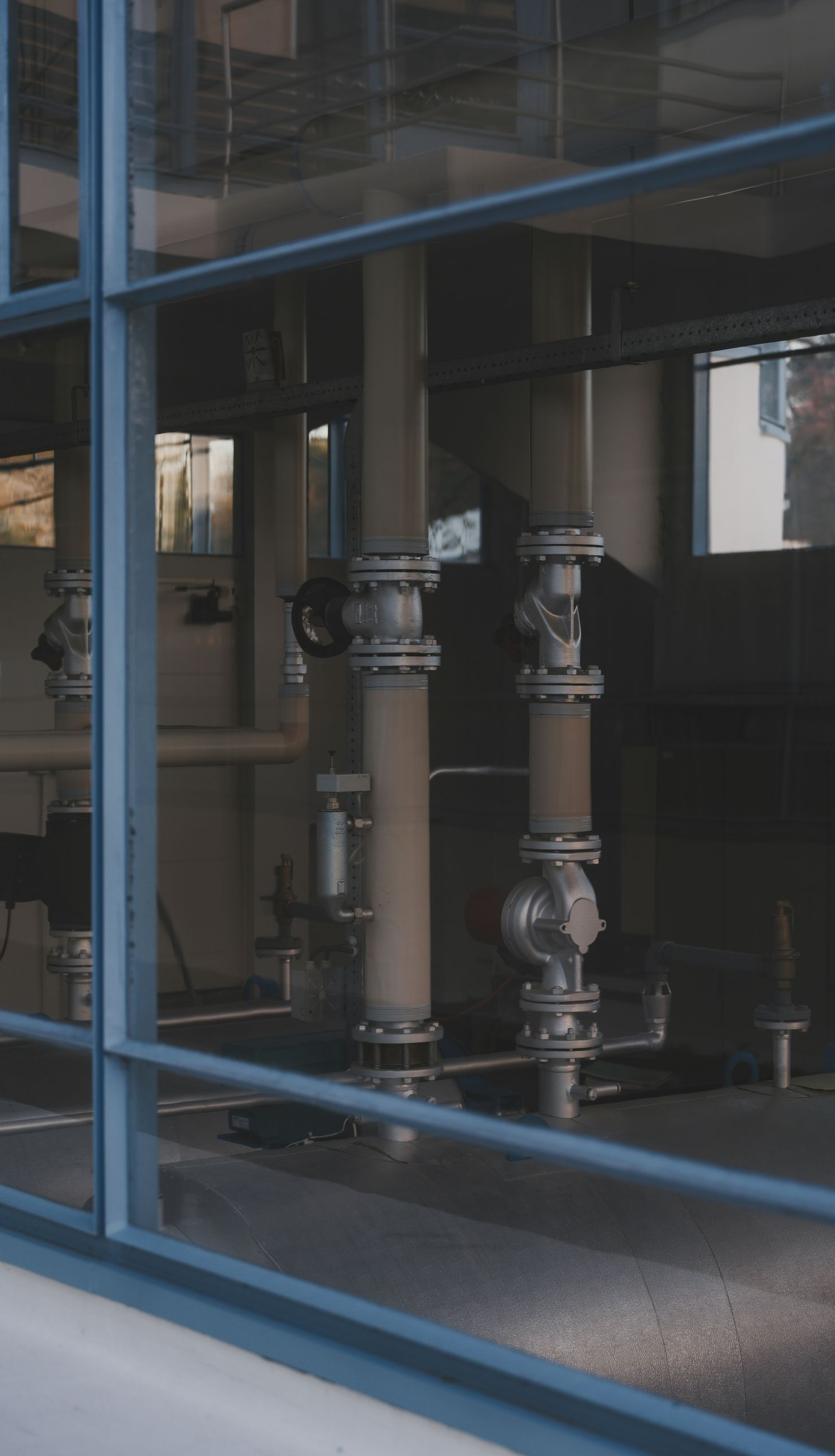
Vertical pipes with metallic valves seen through a glass window inside an industrial or mechanical facility.
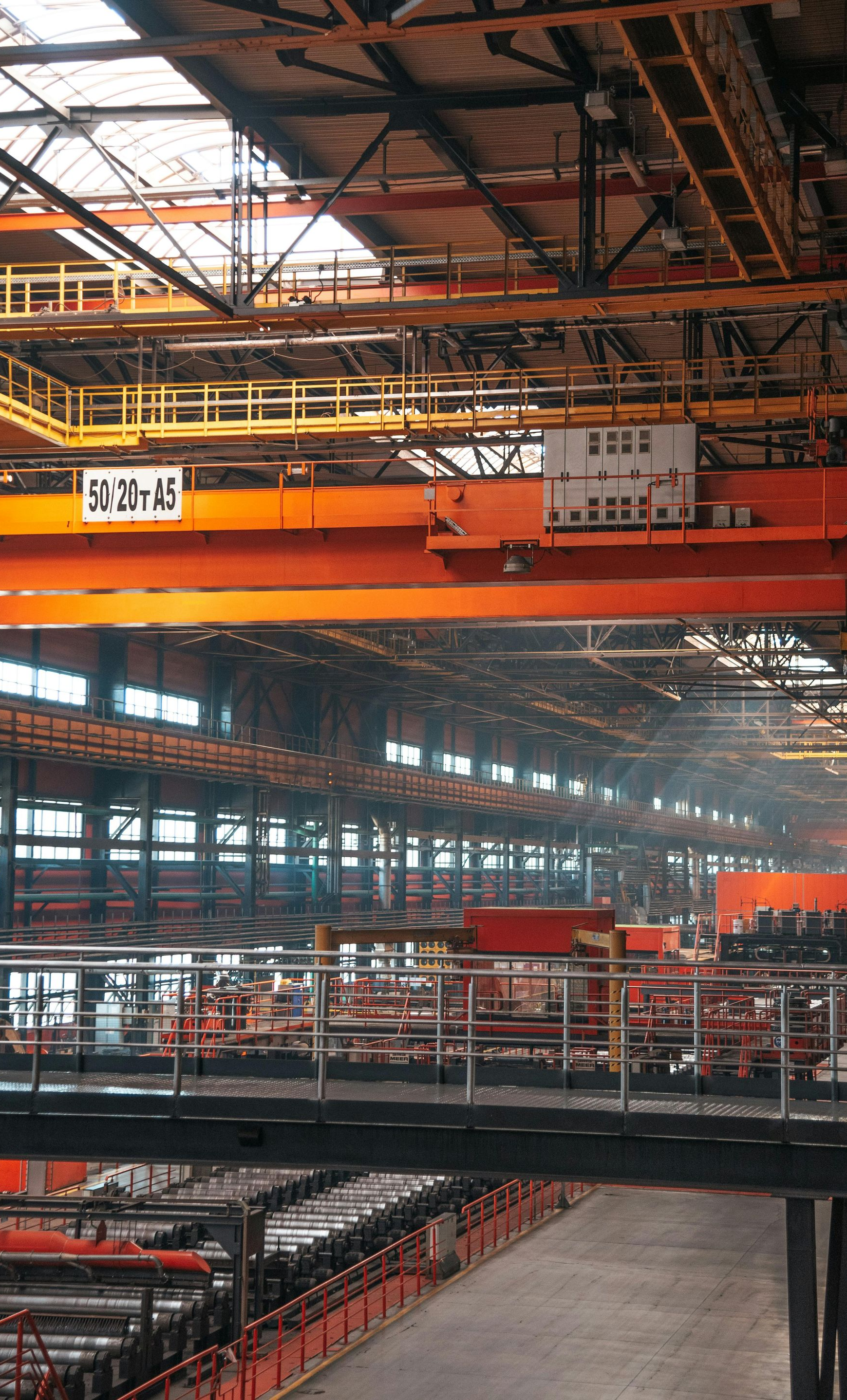
Large industrial factory interior featuring heavy orange overhead cranes, metal walkways, and vast workshop floor space.
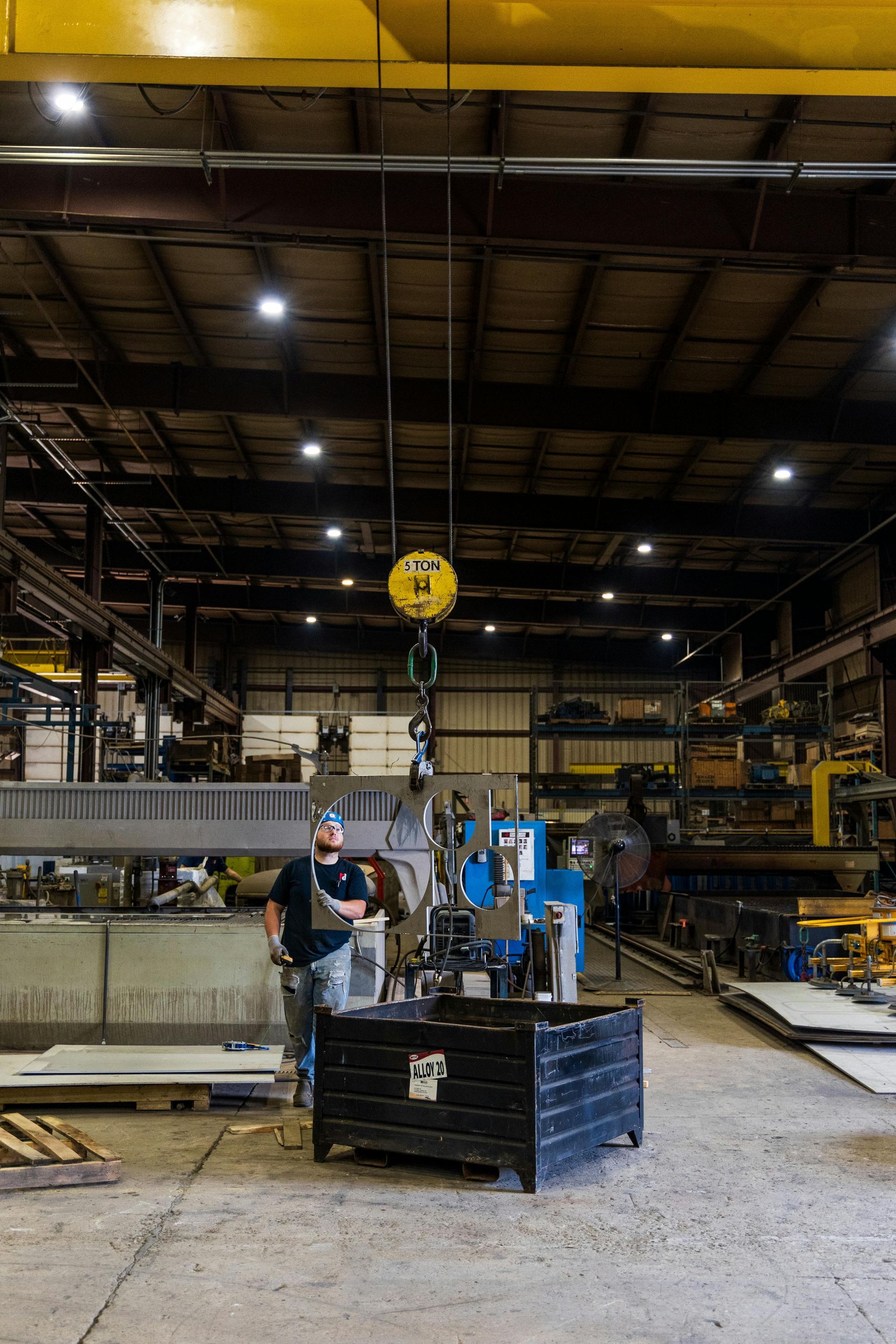
A person in a warehouse operates an overhead crane to lift a metal component into a black industrial bin.
April 8, 2026
Event venues are designed to host large gatherings, celebrations, and professional functions. From weddings and conferences to concerts and corporate events, these spaces must accommodate high volumes of people in short periods of time. While the focus is often on logistics, entertainment, and guest experience, one critical factor operates behind the scenes: cleaning. Unlike traditional commercial spaces, event venues experience rapid cycles of use. A room may host hundreds of guests one evening and need to be fully reset for a completely different event the next day. Without a structured cleaning plan, it becomes difficult to maintain consistency, meet expectations, and ensure a safe environment for guests and staff.  The Unique Demands of Event Spaces Event venues face cleaning challenges that differ from standard offices or retail environments. High foot traffic, food and beverage service, and frequent setup changes all contribute to increased wear on the space. Spills, trash accumulation, and restroom usage can escalate quickly during events. In addition, venues must maintain a polished appearance at all times, as cleanliness directly affects guest perception. Because events often run on tight schedules, cleaning must be efficient, thorough, and well-coordinated.
April 2, 2026
Distribution and fulfillment centers are designed for speed, accuracy, and consistent output. Every process within these facilities is optimized to move products quickly and reliably. While technology and logistics planning often receive the most attention, cleanliness plays a critical role in supporting daily operations. A clean facility is not simply a matter of appearance. It directly affects how efficiently a distribution center functions. Clean Floors Support Movement and Safety Fulfillment centers depend on constant movement . Employees, forklifts, pallet jacks, and automated systems all rely on stable and predictable surfaces. When floors accumulate dust, debris, or residue, movement can become less efficient. Common issues caused by unclean floors include: Reduced traction for equipment Increased risk of slips and trips Obstructed pathways that slow operations Even minor disruptions can have a measurable impact in high-volume environments. Clean floors help maintain consistent movement and reduce avoidable delays.
March 25, 2026
Protecting Sensitive Equipment Data centers are often viewed as highly controlled environments where cleanliness is already built into daily operations. With advanced cooling systems, restricted access, and carefully managed infrastructure, it may seem as though these facilities require little outside maintenance. However, data centers still depend on professional cleaning services to maintain optimal performance, protect sensitive equipment, and ensure long-term reliability. While data centers differ from traditional commercial spaces, their cleaning needs are just as important, if not more so. The presence of dust, debris, and environmental contaminants can have a direct impact on equipment efficiency and operational stability.