Why Year-End Cleaning Is a Good Time to Reset High-Touch Areas
The end of the year is a natural time for businesses to review what is working, what needs attention, and what should be improved before January begins. Facility cleaning should be part of that process.
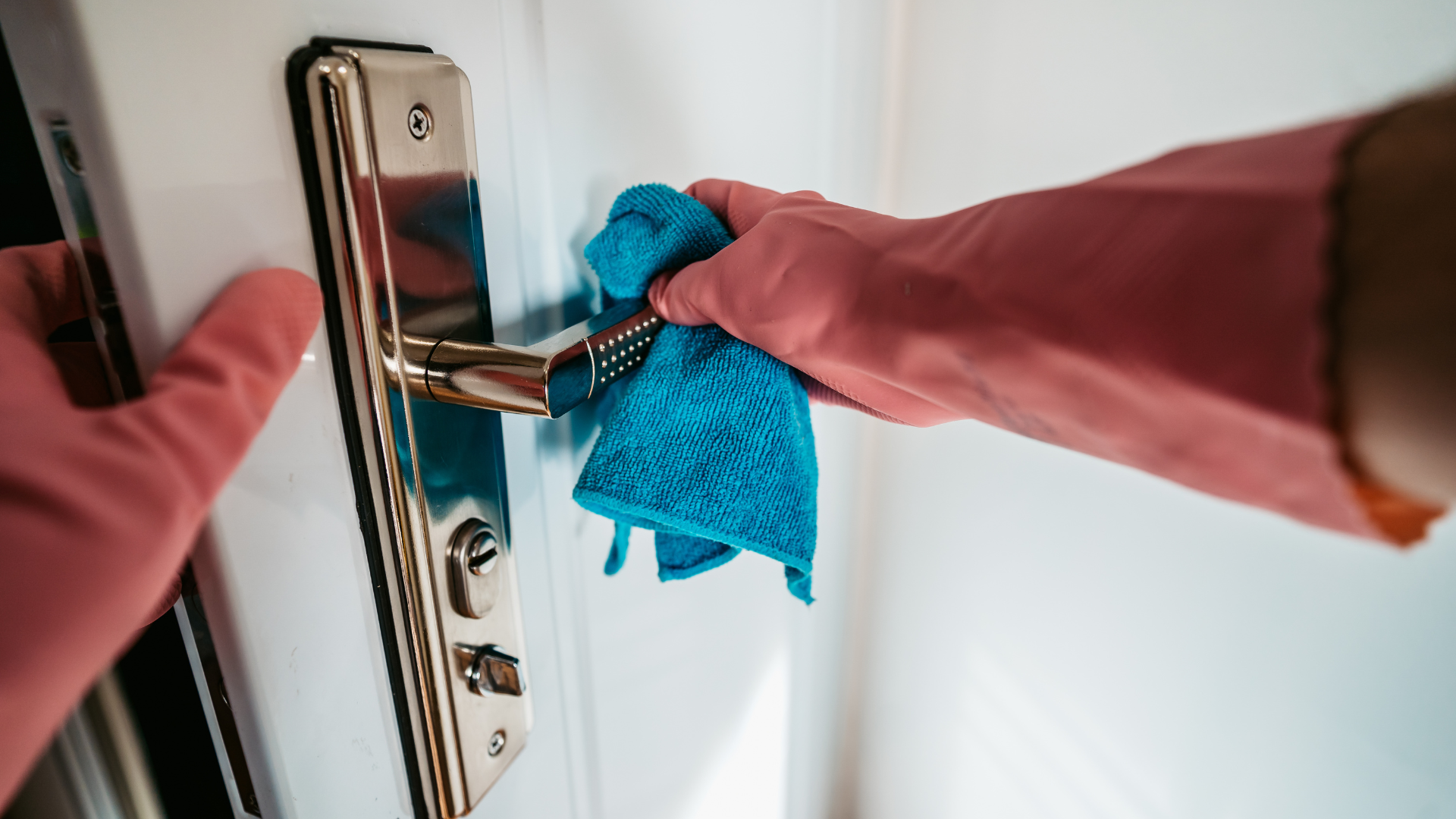
High-touch areas such as door handles, elevator buttons, reception counters, breakroom surfaces, restroom fixtures, and shared equipment can accumulate wear, residue, and grime faster than surrounding areas. Even when a building receives regular janitorial service, these surfaces may need extra attention after months of daily use.
A year-end cleaning reset gives facility managers an opportunity to start the new year with a cleaner, more consistent standard.
High-Touch Areas Tell a Story
People notice the surfaces they interact with most.
A smudged glass door, sticky breakroom handle, dusty reception counter, or marked elevator panel can make an otherwise clean building feel less maintained.
That is because high-touch surfaces are encountered repeatedly throughout the day.
Their condition can influence how employees, tenants, visitors, and customers perceive the entire facility.
Year-end cleaning is a good time to identify the areas that have gradually become part of the background and give them more focused attention.
Regular Cleaning and Reset Cleaning Are Different
Routine janitorial service is designed to keep a facility consistently maintained.
A deeper year-end reset has a different purpose. It gives cleaning teams an opportunity to focus on details that may not require the same level of attention every day.
That can include buildup around handles, wall plates, cabinet pulls, chair arms, switch areas, shared counters, dispenser surfaces, and other frequently used points.
The goal is not simply to clean more. It is to restore consistency across the areas people touch and notice most often.
Holiday Traffic Can Increase the Need
December often changes the way commercial spaces are used.
Offices may host holiday gatherings, customers may visit more frequently, and common areas may see different traffic patterns. Breakrooms, restrooms, conference rooms, and reception areas can all experience higher use during events or year-end meetings.
At the same time, staffing schedules may change because of vacations and shortened workweeks.
That makes year-end a useful time to review whether cleaning frequency still matches actual use.
ABS Facility Solutions can help facility managers adjust service around changing schedules instead of relying on the same routine regardless of occupancy.
Restrooms Deserve Special Attention
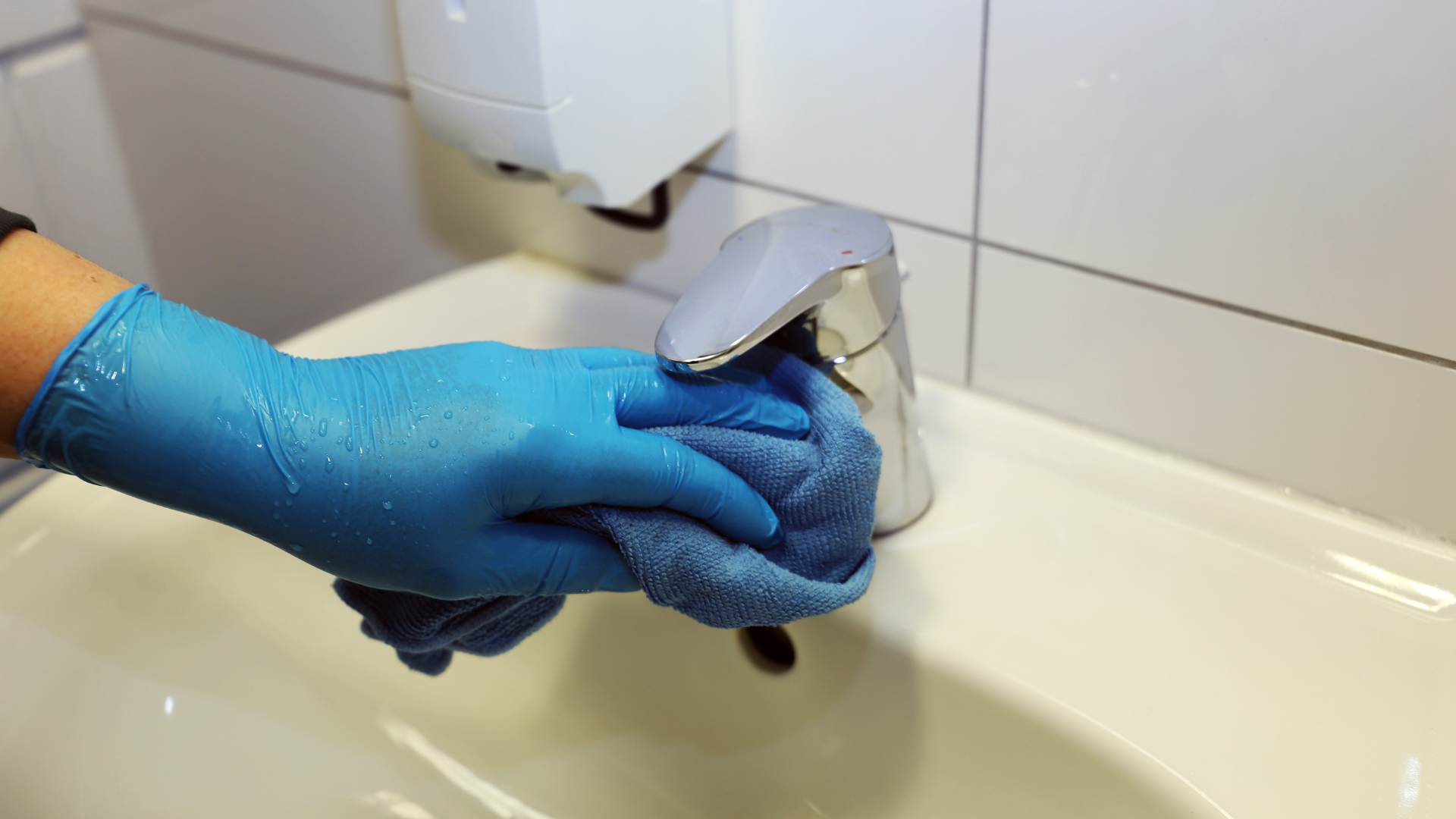
Restrooms are among the most heavily touched areas in many commercial buildings.
Faucets, dispensers, partition hardware, handles, counters, and door surfaces can all show wear quickly.
A year-end reset can include more detailed attention to these surfaces while also reviewing supply management and cleaning frequency.
If the same restroom complaints keep returning, the issue may not be the cleaning itself.
The service schedule may simply need to better reflect how often the space is being used.
Shared Spaces Should Be Reviewed Too
Breakrooms, conference rooms, waiting areas, and shared workstations often have their own high-touch zones.
Microwave handles, refrigerator doors, coffee stations, table edges, chair backs, remote controls, and shared equipment may receive significant daily contact.
These areas can be easy to overlook because they are not always treated like traditional cleaning priorities.
A year-end walkthrough can help identify these patterns and update the cleaning plan accordingly.
Use the Reset to Improve Next Year’s Program
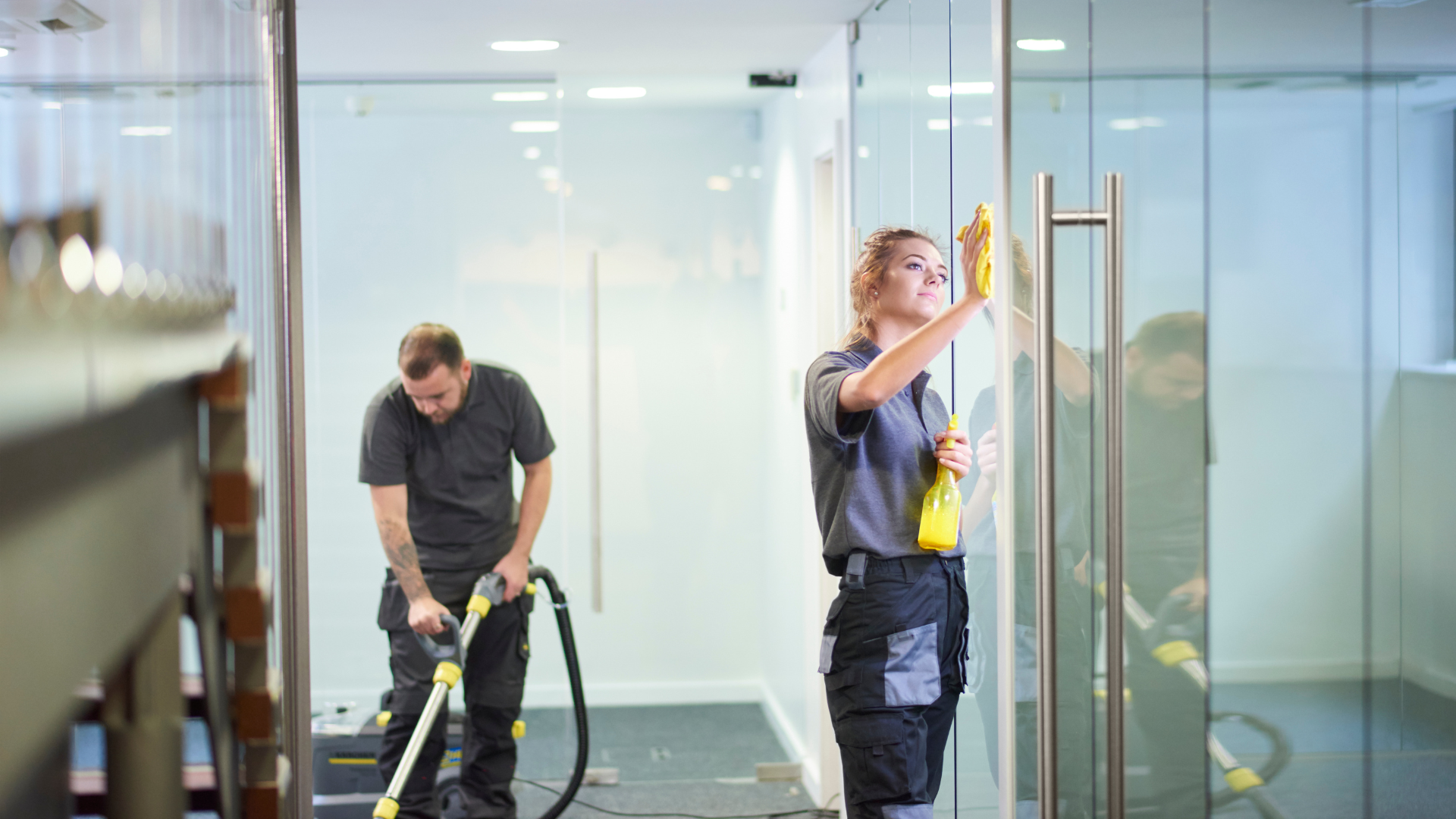
The most useful year-end cleaning is not just about making the building look better for a few days.
It should also help improve the cleaning program going forward.
Facility managers can use the reset to note where buildup happens fastest, which spaces receive more traffic than expected, and where supplies or service frequency may need adjustment.
Those observations can make the January cleaning plan more responsive and reduce recurring issues throughout the year.
Start the New Year With a Better Standard
High-touch areas influence both cleanliness and overall facility perception.
Giving them focused attention at the end of the year can help restore consistency, prepare the building for January, and reveal where the regular cleaning plan may need to evolve.
ABS Facility Solutions provides commercial janitorial service, day porter support, restroom maintenance, floor care, post-construction cleaning, and specialized facility solutions.
For facility managers preparing for the new year, a year-end cleaning reset can be a practical way to improve both appearance and day-to-day maintenance before the next busy season begins.