Why Restroom Supply Management Belongs in the Janitorial Plan
A restroom can be clean and still feel poorly maintained if the soap dispenser is empty, paper towels are missing, or toilet paper runs out during the day.
For facility managers, restroom supply management should not be treated as a separate issue from cleaning. The two are closely connected because occupants judge the entire space based on both cleanliness and whether basic supplies are consistently available.
A strong janitorial plan should account for both.
Supplies Affect the Way People Experience the Space
People notice missing restroom supplies immediately.
An empty soap dispenser, overflowing trash can, or missing paper product can create frustration even if the floors and fixtures were recently cleaned.
Those small issues can quickly influence how employees, tenants, customers, patients, or visitors perceive the rest of the facility.
In
high-traffic buildings, the restroom often becomes one of the clearest indicators of whether maintenance is keeping up with daily use.
Usage Should Determine Restocking Frequency
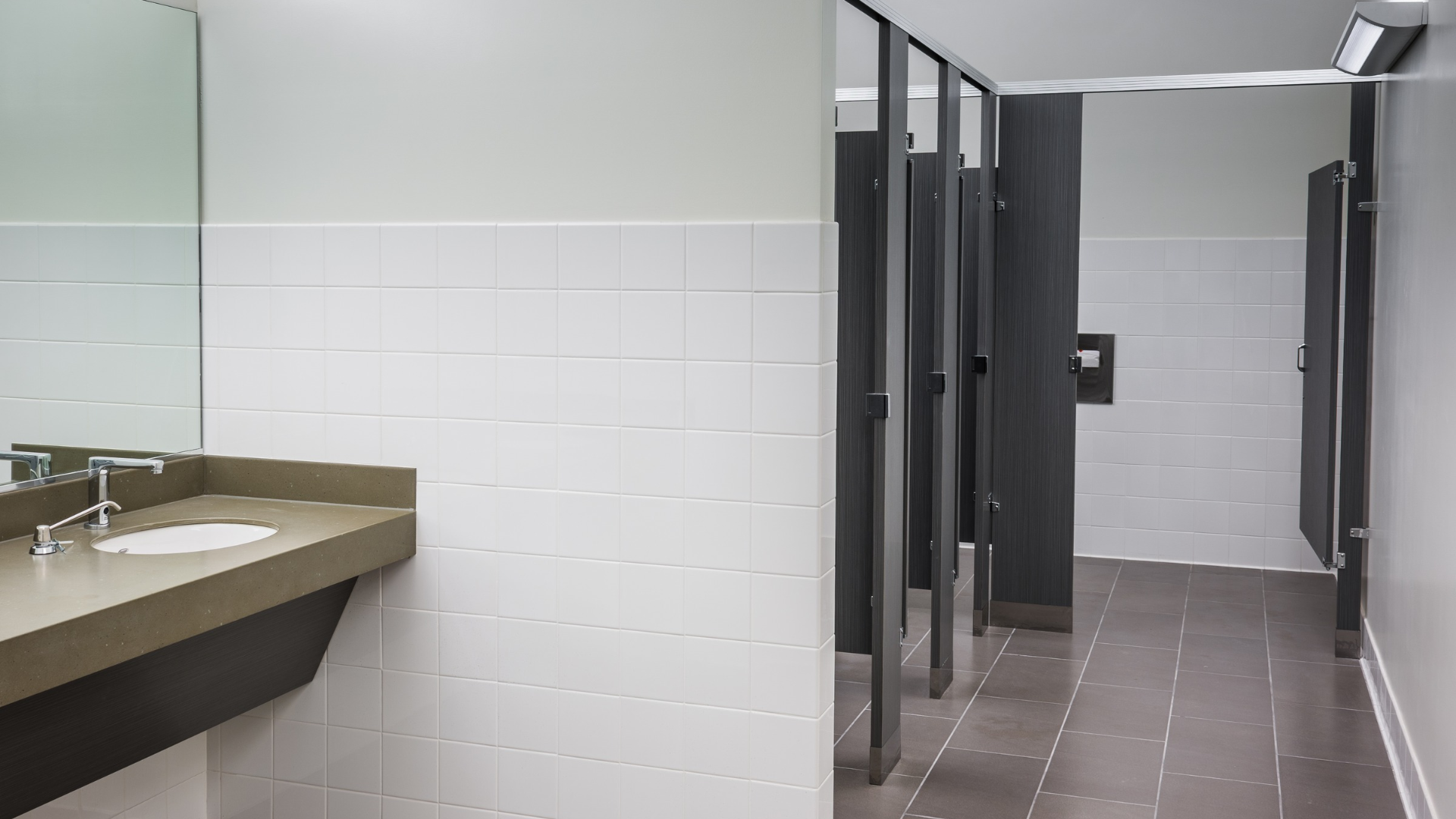
Restroom supply needs should follow traffic patterns, not just a fixed schedule.
A lightly used restroom may only need routine checks, while a restroom near a lobby, cafeteria, waiting area, or conference space may require more frequent monitoring.
Holiday events, meetings, seasonal visitors, and changes in occupancy can also increase demand unexpectedly.
ABS Facility Solutions can help facility managers adjust restroom service based on how the building is actually being used rather than relying on the same restocking pattern every day.
Cleaning and Restocking Should Happen Together
It makes little sense to clean a sink, counter, or stall without also checking the dispensers nearby.
Restocking should be built into the same routine.
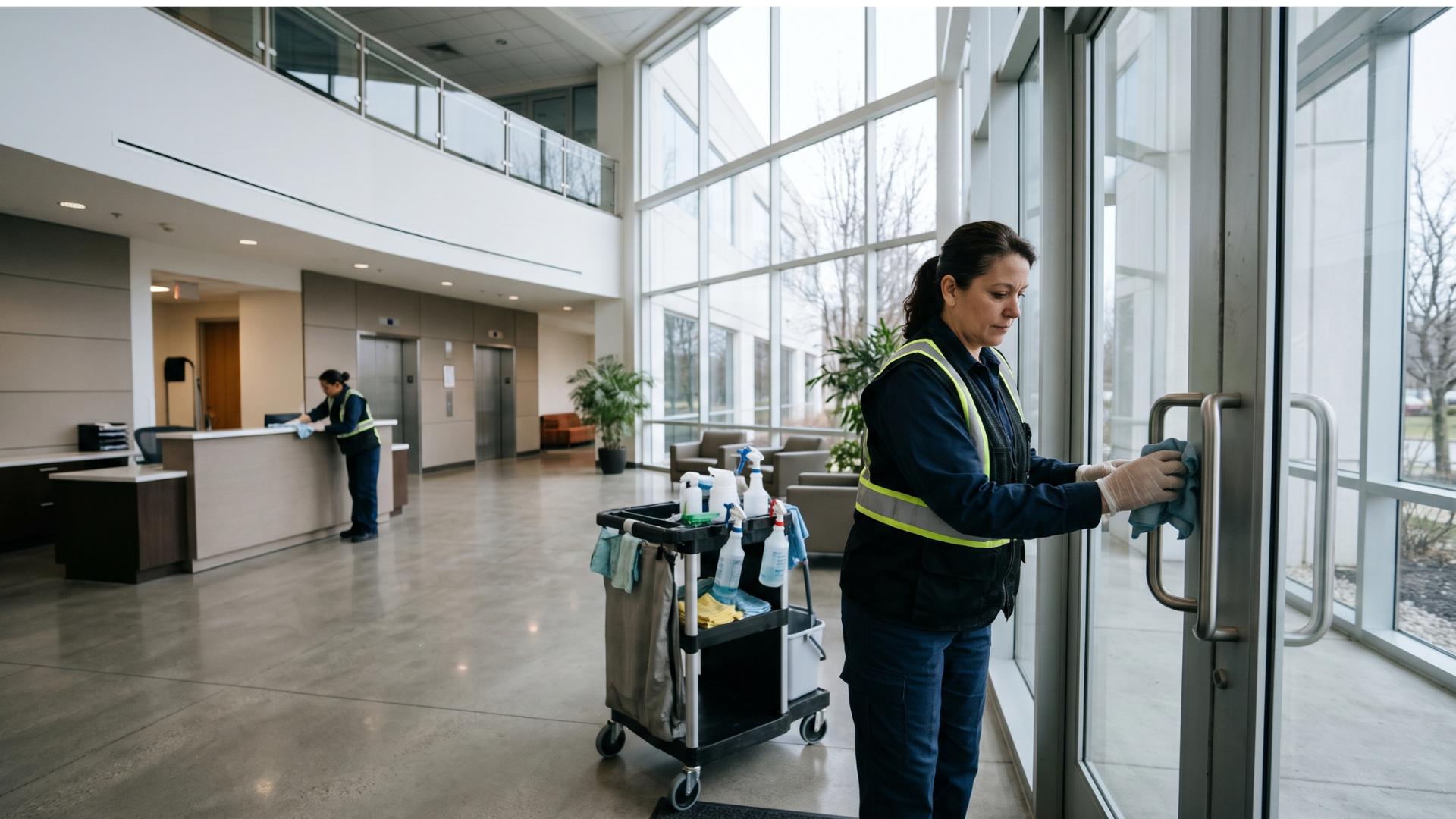
When cleaning teams inspect soap, paper towels, toilet tissue, liners, and other supplies at the same time they clean the room, it becomes easier to catch shortages before they become complaints.
This also creates a more consistent standard across shifts and different areas of the building.
Supply Placement Matters Too
Not every restroom is set up efficiently.
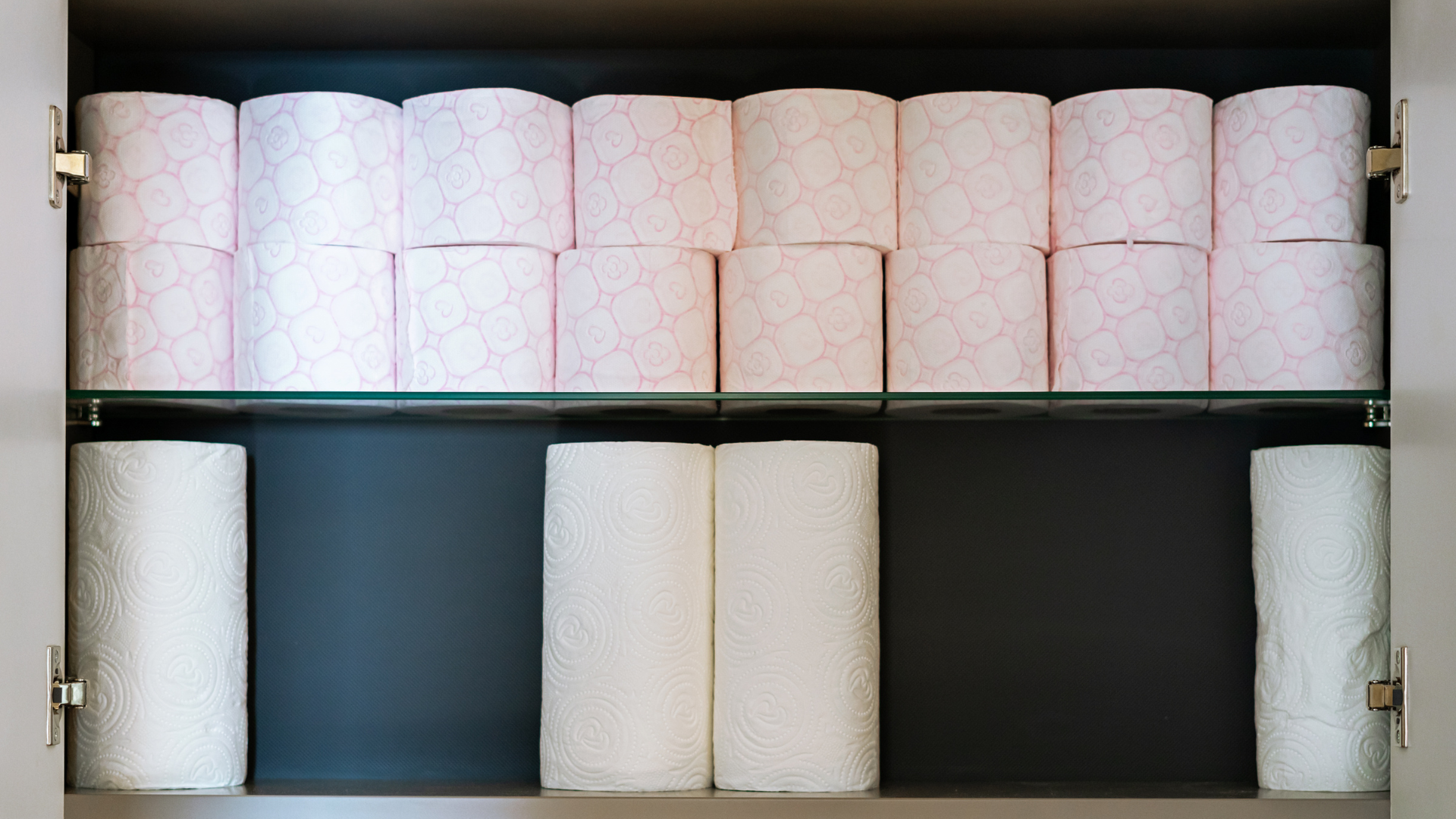
If backup supplies are stored too far away, restocking takes longer and may be delayed during busy periods.
Facility managers should think about where extra stock is kept and whether cleaning staff can access it quickly.
A well-organized supply area can help reduce unnecessary trips, make service more efficient, and improve response time when demand suddenly increases.
Overfilling Can Be Just as Inefficient
Running out is a problem, but overstocking every dispenser and storage area is not always the best solution either.
Excess inventory can take up valuable space, make storage areas harder to organize, and create waste if products are damaged or mishandled.
A better approach is to monitor actual usage and keep an appropriate reserve based on traffic and delivery schedules.
That allows
supply management to support the cleaning program without becoming a separate source of clutter or inefficiency.

Day Porter Service Can Help During Busy Hours
In buildings with constant daytime traffic, once-a-day janitorial service may not be enough.
A day porter can monitor restrooms, refill dispensers, remove trash, respond to spills, and address small issues before they become visible problems.
This is especially useful in multi-tenant buildings, healthcare settings, busy offices, and facilities that host regular meetings or events.
The goal is not simply to react when something runs out. It is to prevent the problem from becoming noticeable in the first place.
Repeated Shortages Can Reveal a Scheduling Problem
If the same restroom repeatedly runs out of supplies, the issue may not be inventory.
The service schedule itself may be wrong.
A restroom that needs attention three times a day should not be managed as if one daily check is enough.
Tracking where and when shortages occur can help facility managers adjust both cleaning and restocking frequency.
That information can lead to a more efficient and responsive janitorial plan.
Make Supply Management Part of the Standard
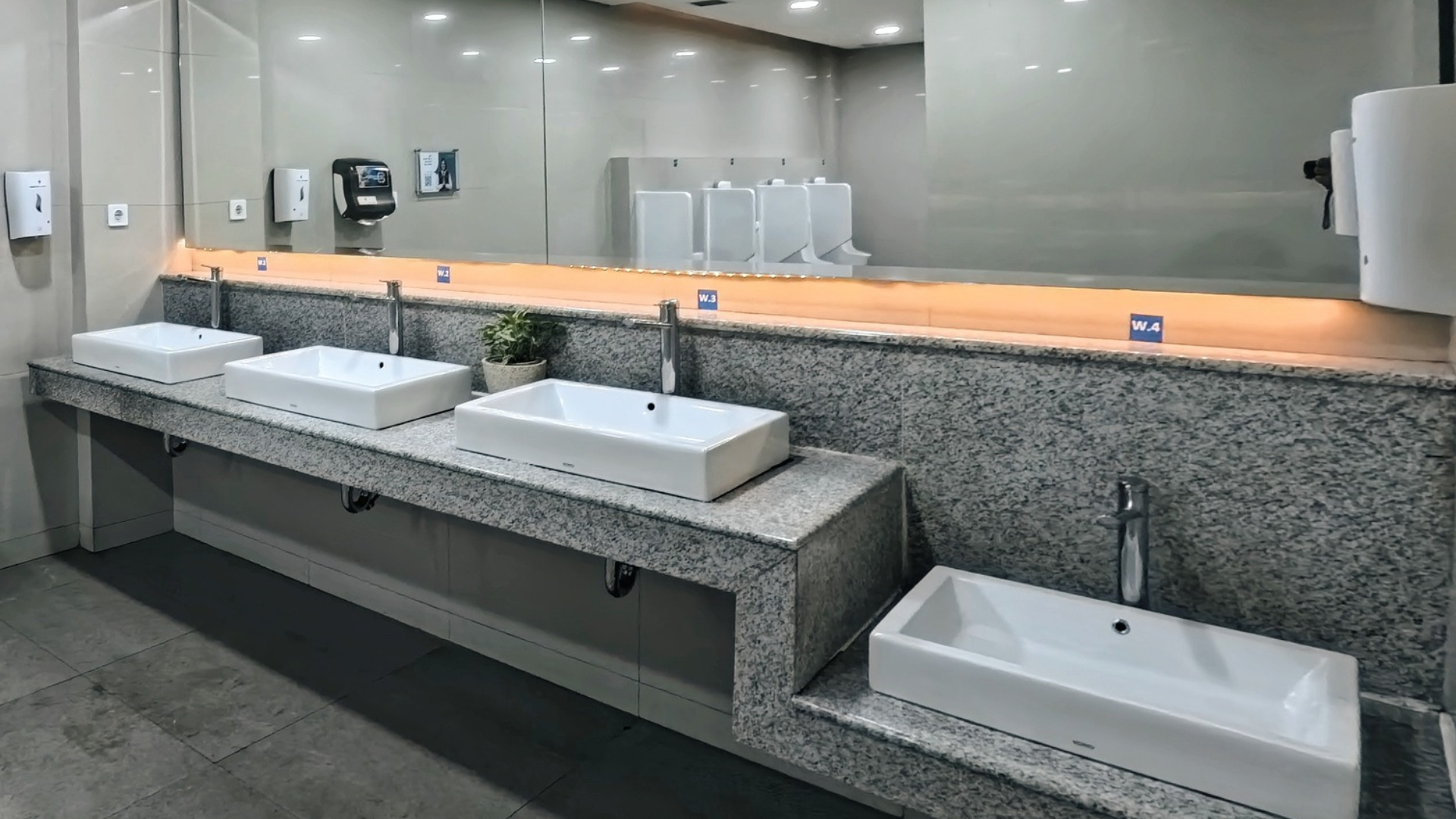
Restroom maintenance is about more than cleaning surfaces.
A complete program should also make sure the space remains stocked, functional, and ready for the people using it throughout the day.
ABS Facility Solutions provides commercial janitorial service, day porter support, restroom maintenance, floor care, post-construction cleaning, and specialized facility services.
By treating restroom supplies as part of the janitorial plan instead of a separate task, facility managers can create a more consistent experience and reduce the small problems that often lead to larger complaints.