What a Professional Janitorial Program Should Include
A professional janitorial program should do more than keep a building looking presentable. It should support day-to-day operations, help protect flooring and fixtures, maintain clean shared spaces, and create a consistent standard throughout the facility. For offices, healthcare environments, multi-tenant buildings, retail properties, and other commercial spaces, that requires a structured plan rather than a one-size-fits-all cleaning schedule.
ABS Facility Solutions provides customized commercial janitorial programs built around the needs of each property. The most effective programs combine routine cleaning with floor care, restroom sanitation, high-touch surface attention, waste removal, and periodic services that address areas requiring deeper maintenance.
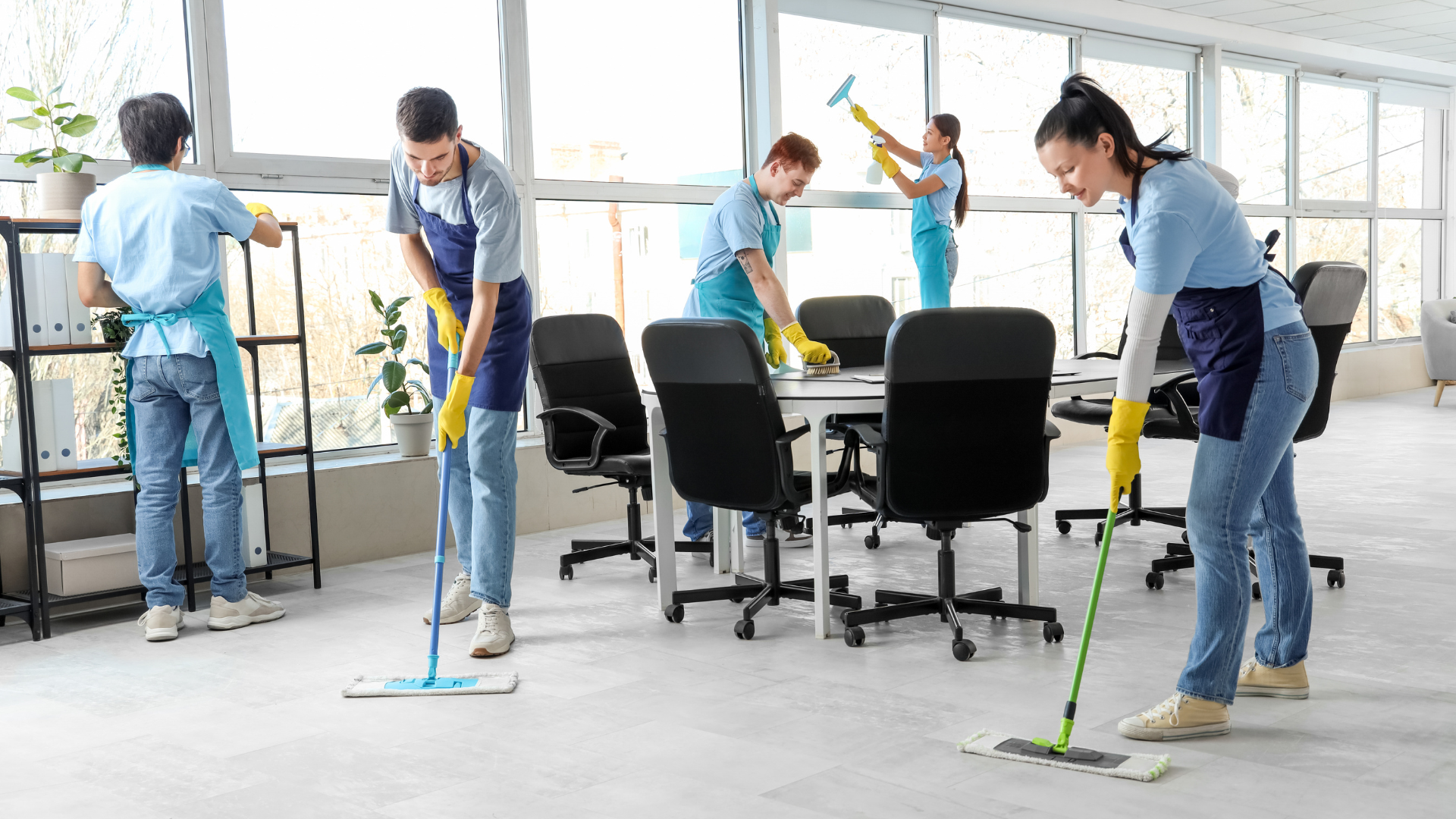
Routine Cleaning for Daily Operations
The foundation of any janitorial program is consistent routine cleaning.
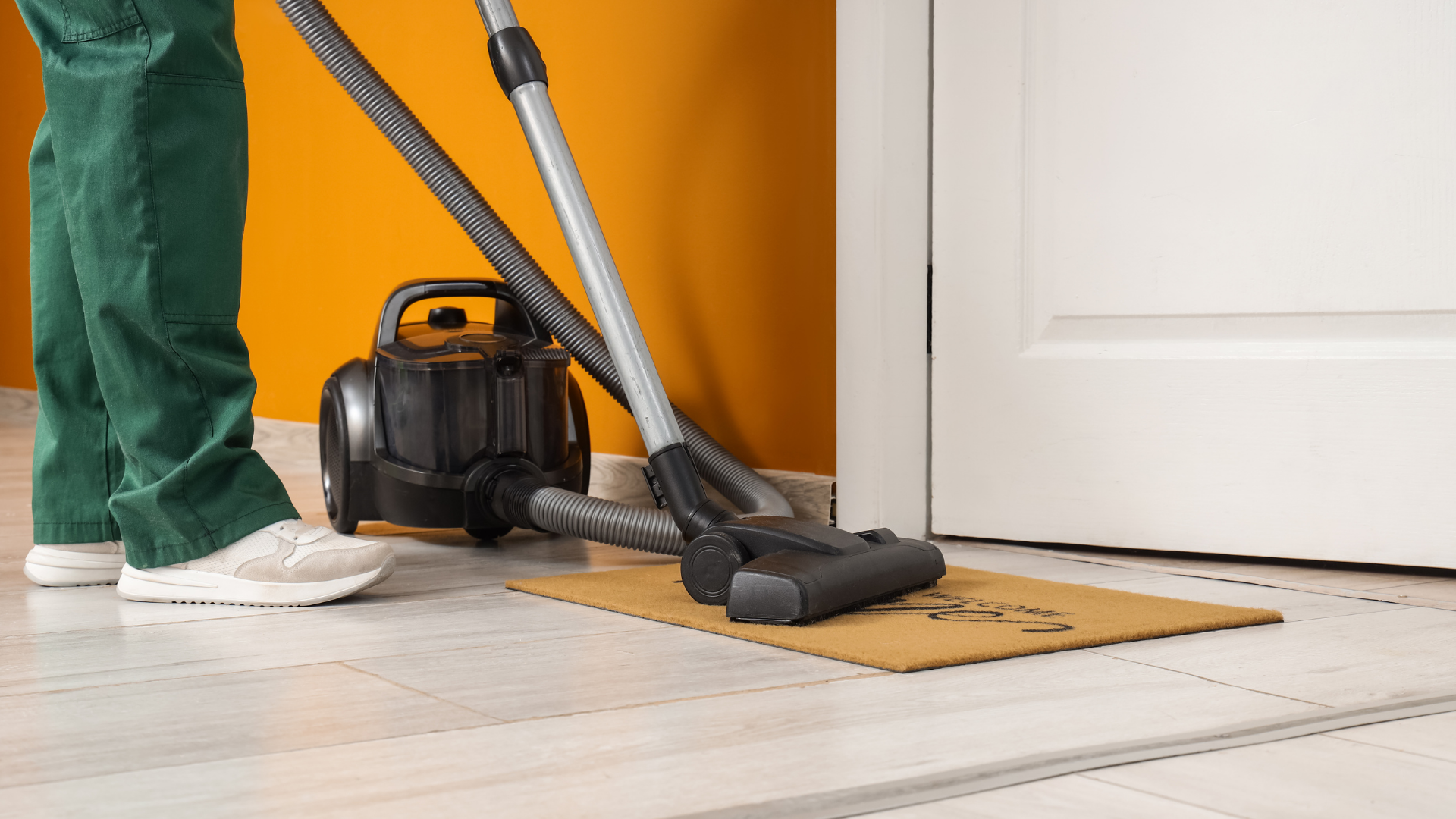
This typically includes dusting, vacuuming, mopping, emptying waste containers, cleaning common areas, and maintaining workspaces that experience regular daily use. The frequency should reflect the size of the facility, number of occupants, operating hours, and amount of foot traffic.
A high-volume office may require more frequent service than a smaller professional space, while a multi-tenant property may need different schedules for lobbies, hallways, restrooms, and individual suites.
Matching service frequency to actual building use helps maintain consistency without wasting resources.
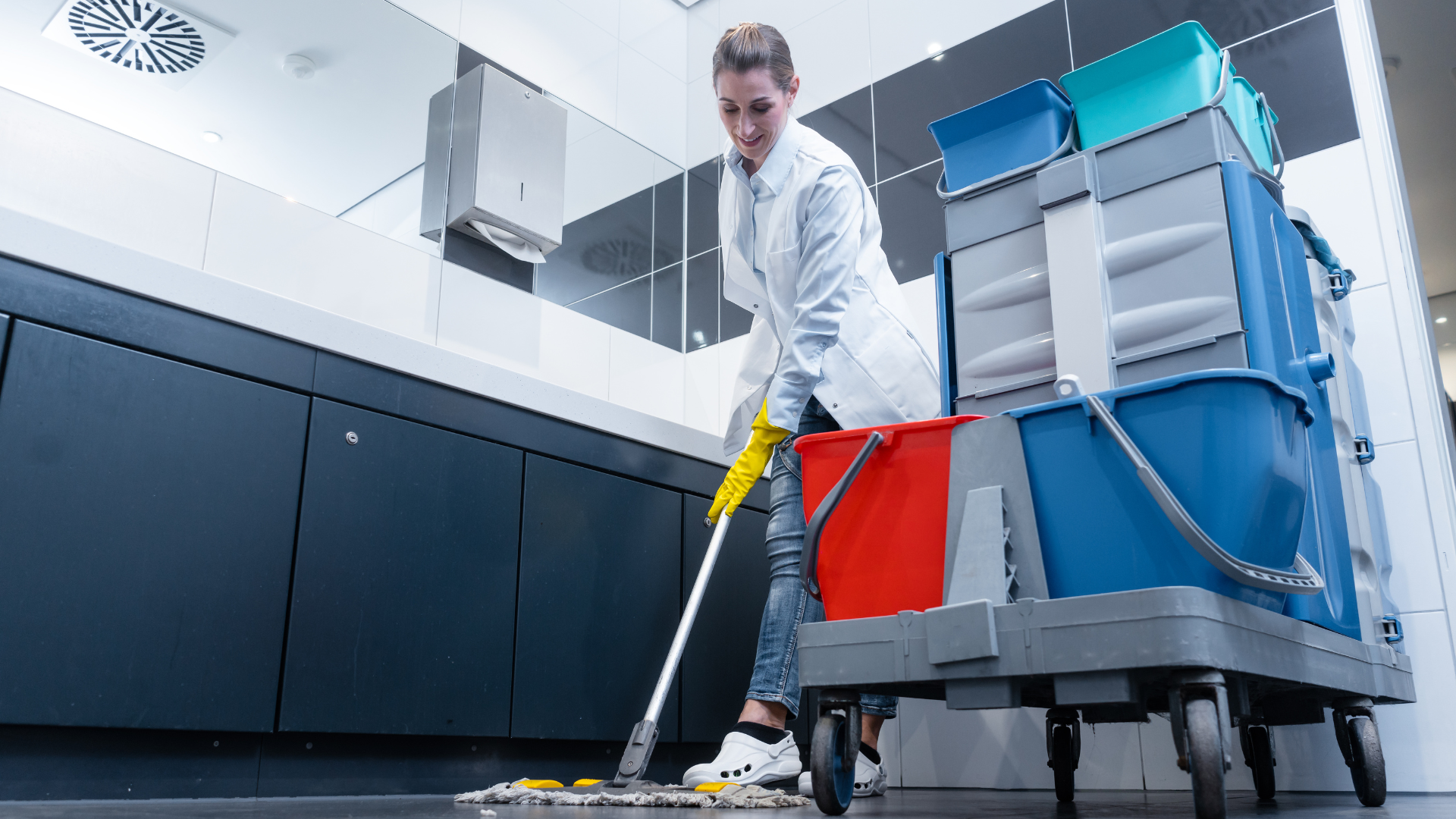
Restroom Cleaning and Restocking
Restrooms are among the most important areas in any commercial facility because they are used frequently and can quickly affect how employees, customers, and visitors perceive the building.
A professional janitorial program should include cleaning and sanitizing fixtures, countertops, partitions, mirrors, floors, and other frequently touched surfaces. Supplies such as soap, paper products, and liners should also be monitored and replenished as needed.
Regular restroom service helps maintain both appearance and functionality while preventing small maintenance issues from becoming recurring complaints.
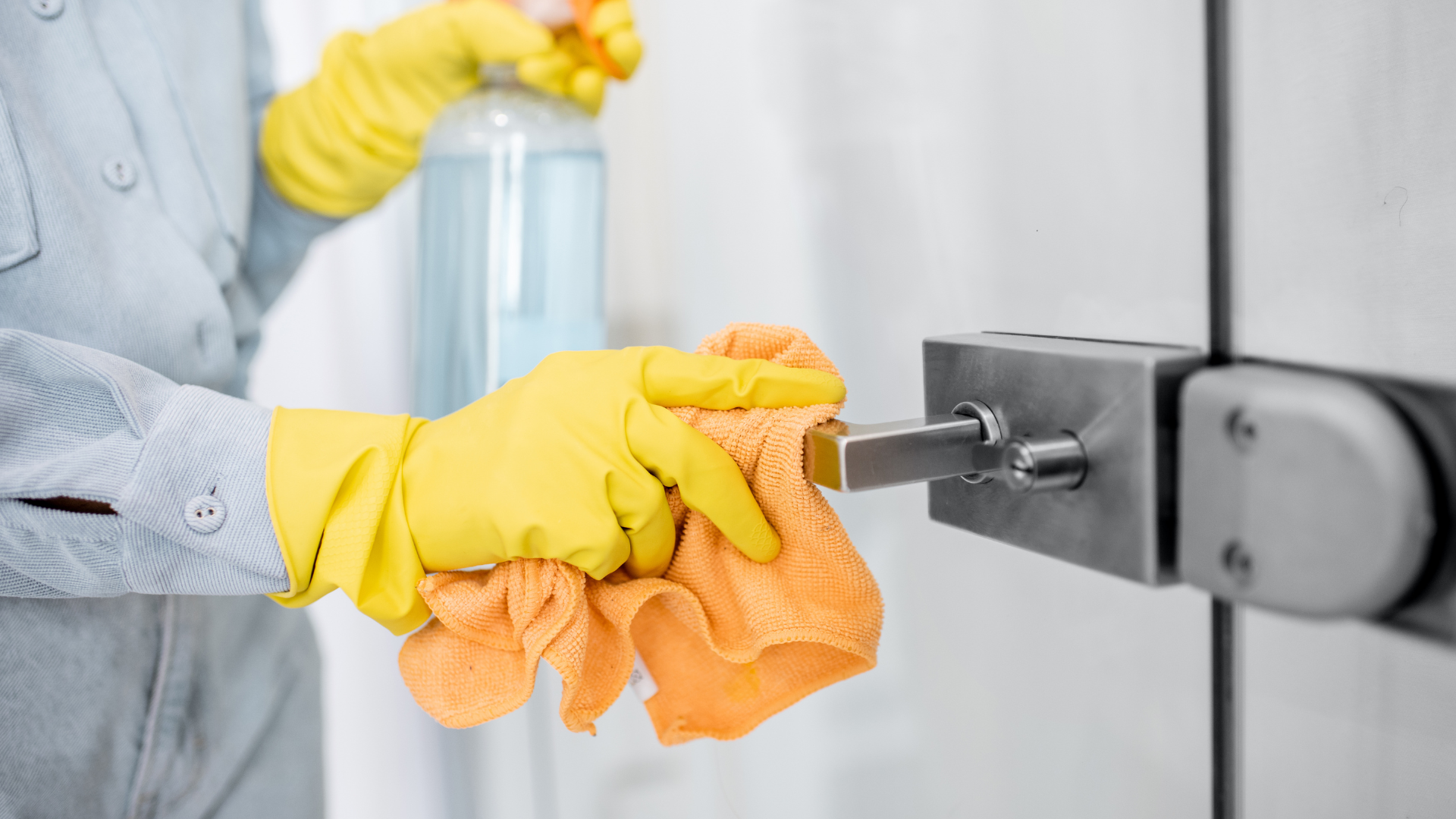
High-Touch Surface Attention
Door handles, elevator buttons, light switches, shared equipment, railings, and other frequently touched areas deserve special attention within a commercial cleaning plan.
These surfaces can accumulate soils quickly because they are handled repeatedly throughout the day. Establishing a regular cleaning schedule for high-touch areas helps maintain a more consistent level of cleanliness across the property.
In certain environments, including healthcare and other specialized facilities, disinfection protocols may also be incorporated based on the needs of the building.
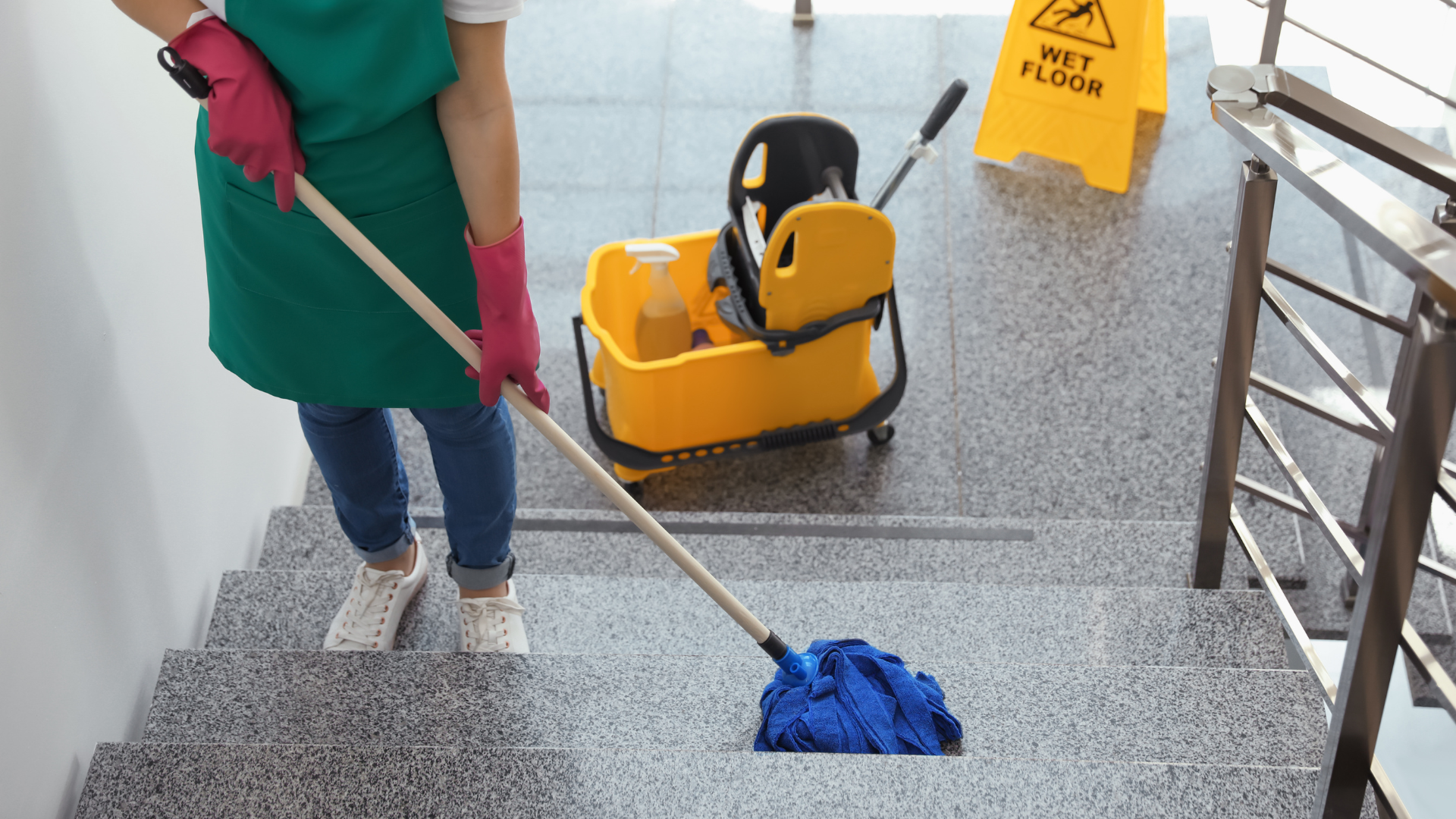
Professional Floor Care
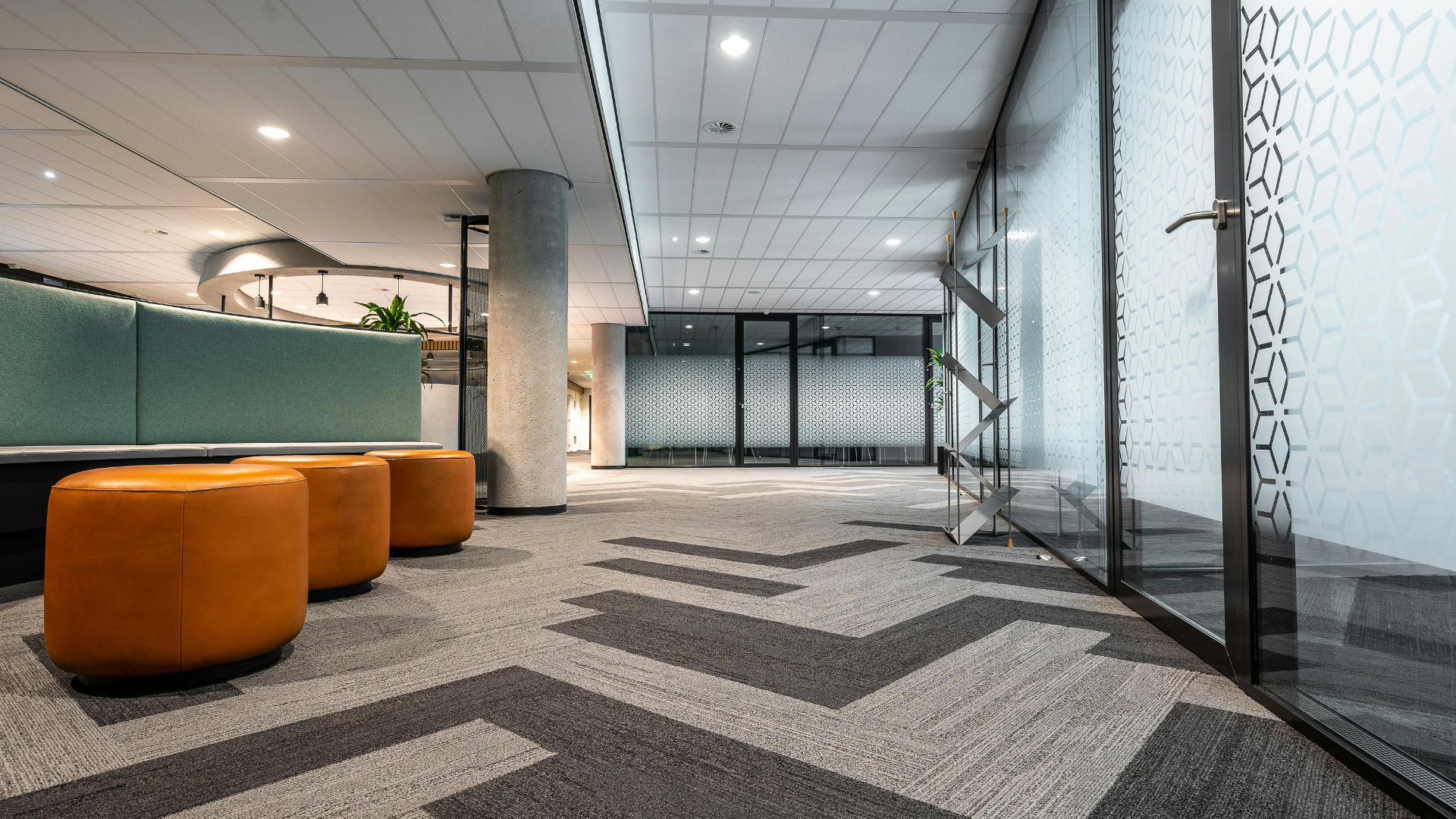
Floors are among the largest and most visible surfaces in a commercial facility, and they also experience some of the greatest wear.
Routine vacuuming and mopping are important, but many flooring materials also require periodic deeper maintenance. Depending on the surface, that may include machine scrubbing, carpet extraction, burnishing, stripping and refinishing, or other specialized treatments.
A complete janitorial program should account for both daily floor care and scheduled restoration services. Proper maintenance can help extend the useful life of flooring while keeping entrances, hallways, offices, and shared areas looking professional.
Waste and Common-Area Maintenance
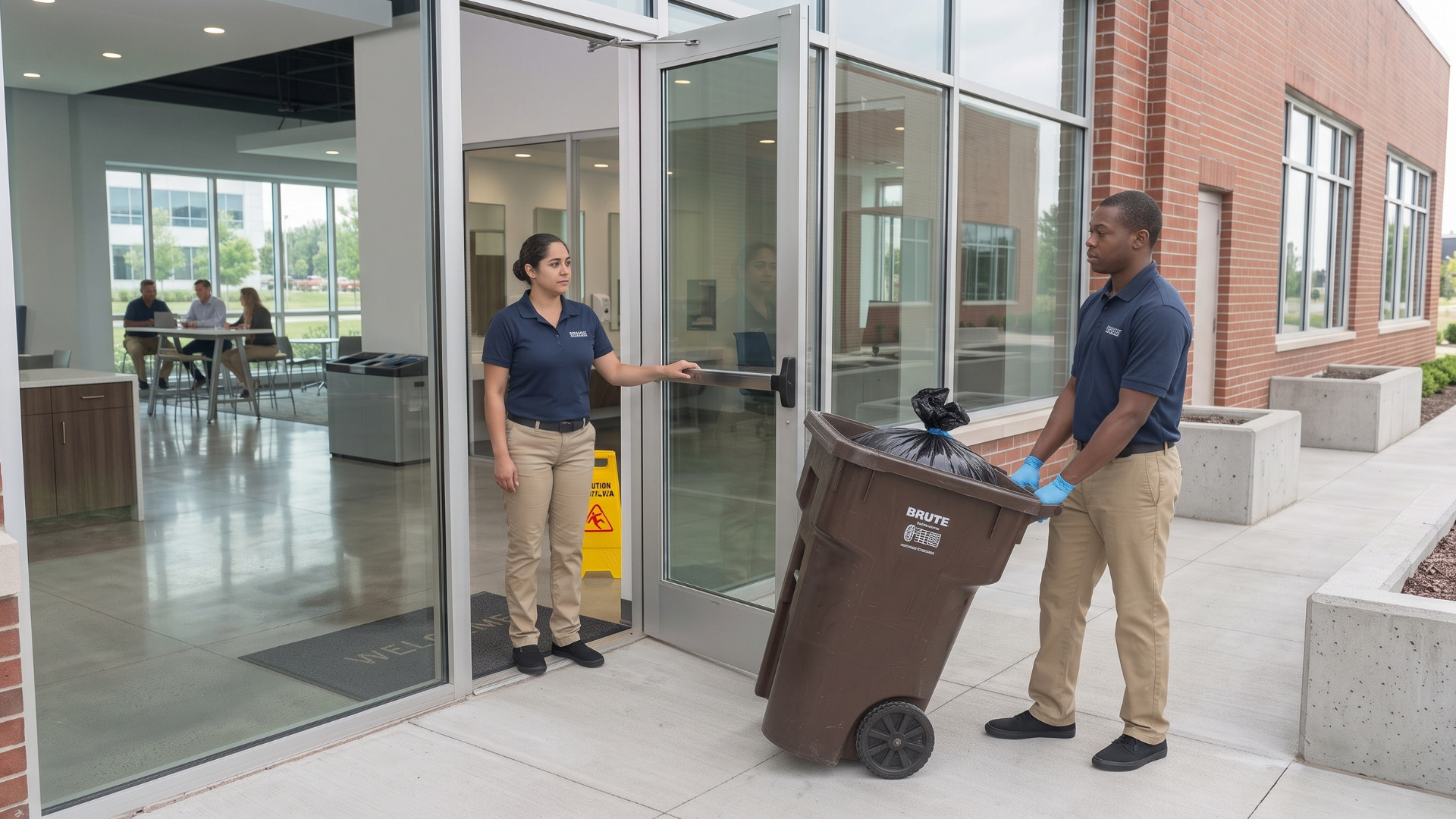
Waste removal should be coordinated with building activity rather than handled only when containers are visibly full.
Trash and recycling receptacles in offices, breakrooms, restrooms, conference areas, and common spaces should be emptied at appropriate intervals. Breakrooms may also require countertop cleaning, sink maintenance, appliance exterior cleaning, and attention to tables and floors.
In larger facilities, day porter services can provide ongoing support during business hours by responding to spills, maintaining entrances, handling waste, and addressing appearance issues as they arise.
Periodic and Specialty Cleaning
Some cleaning needs do not occur every day but are still essential to a complete maintenance program.
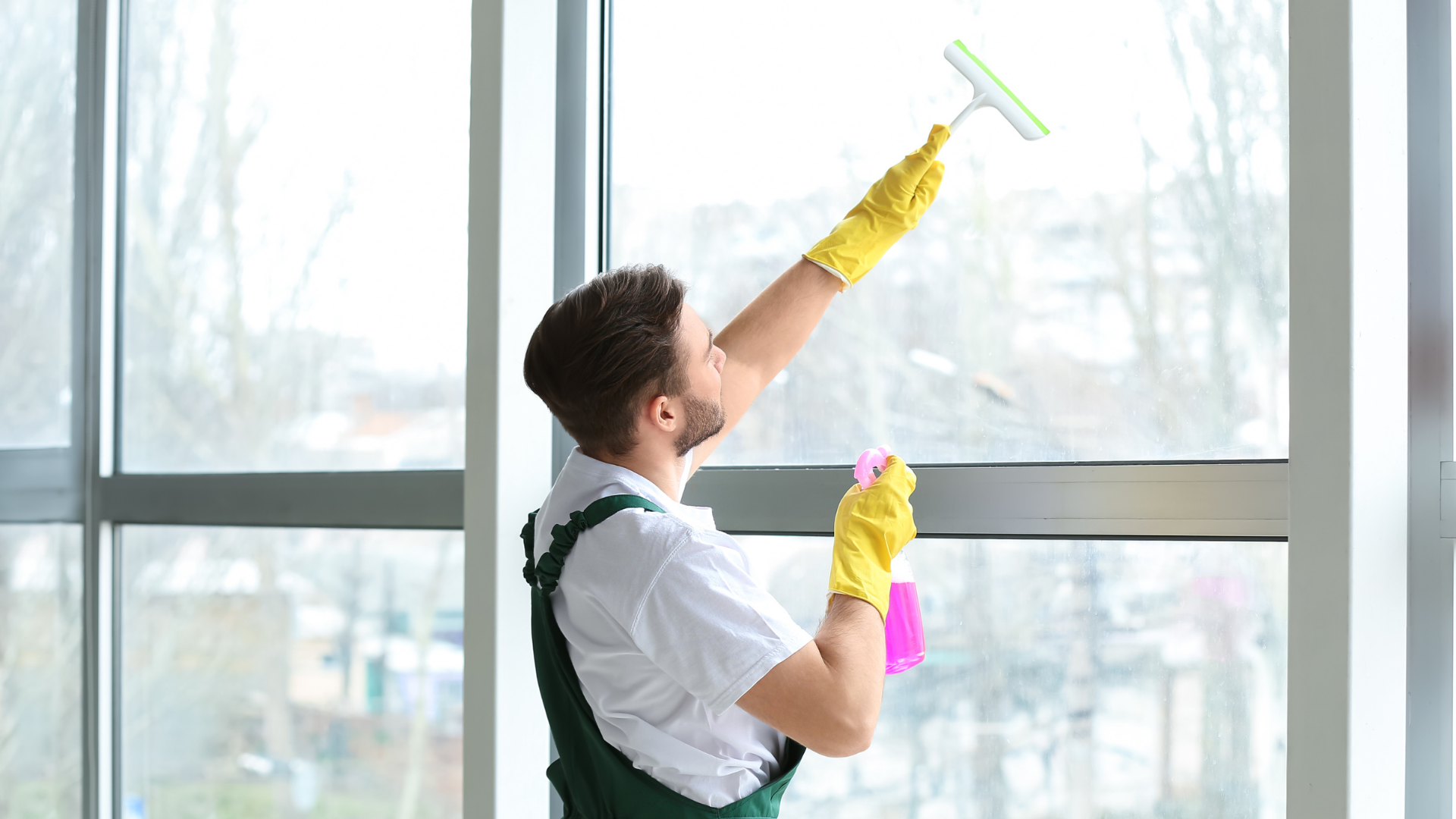
Periodic services may include deep floor cleaning, detailed restroom cleaning, interior glass cleaning, high dusting, seasonal projects, or post-construction cleanup after renovations. Building these services into a long-term schedule helps facility managers plan ahead instead of reacting when conditions have already deteriorated.
Building a Better Janitorial Program
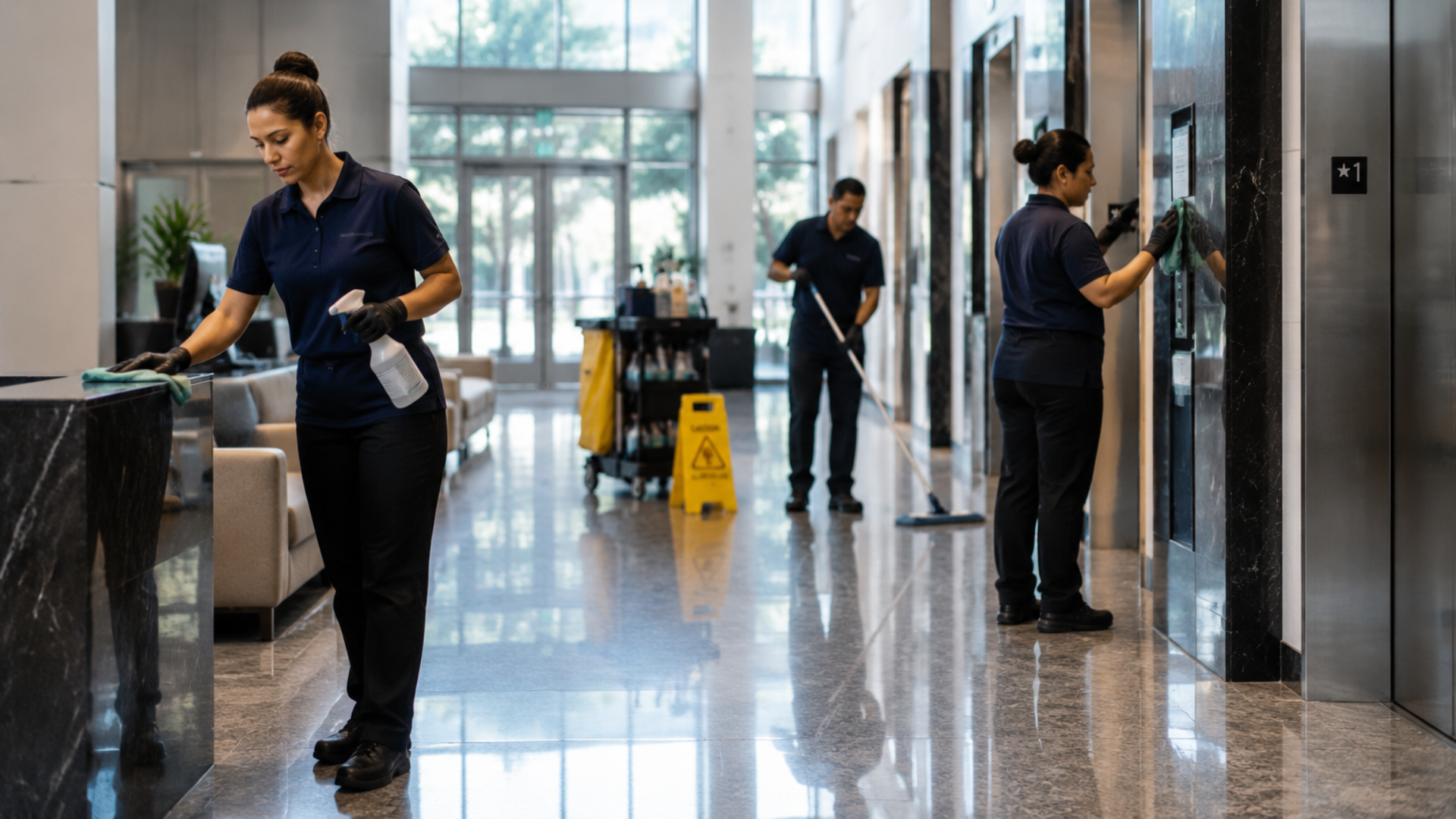
A strong janitorial program combines consistency, flexibility, and attention to the specific needs of each property. Routine cleaning, restroom sanitation, floor care, waste removal, high-touch surface maintenance, and periodic specialty services should work together as one coordinated plan.
ABS Facility Solutions provides customized commercial janitorial services, professional floor care, disinfection, restroom service, day porter support, and post-construction cleaning for a wide range of facilities. Contact ABS Facility Solutions to develop a cleaning program tailored to your building, schedule, and operational needs.