What OSHA Really Looks For During a Workplace Inspection
Beyond Appearance
For many business owners and facility managers, the thought of an OSHA inspection can create immediate stress. Questions arise quickly. Are we fully compliant? Are our cleaning protocols sufficient? Could something as simple as housekeeping lead to a citation?
The truth is that workplace cleanliness plays a far greater role in OSHA compliance than many organizations realize. At ABS Facility Solutions LLC, we understand that janitorial services are not just about appearance. They are directly tied to safety, risk management, and regulatory standards. A well-maintained facility can significantly reduce the likelihood of violations and improve overall operational readiness.
Why Housekeeping Is an OSHA Priority
OSHA’s standards repeatedly reference housekeeping and safe working conditions. While many employers focus on machinery guarding or protective equipment, routine cleaning and organization are foundational elements of compliance.
Poor housekeeping can contribute to:
- Slip, trip, and fall hazards
- Fire risks from dust and debris accumulation
- Blocked emergency exits
- Improper chemical storage
- Contaminated work surfaces
OSHA inspectors look for
hazards that create foreseeable risk. Accumulated clutter, unsanitary restrooms, overflowing trash receptacles, or uncleaned spills can quickly draw attention.
Walking and Working Surfaces
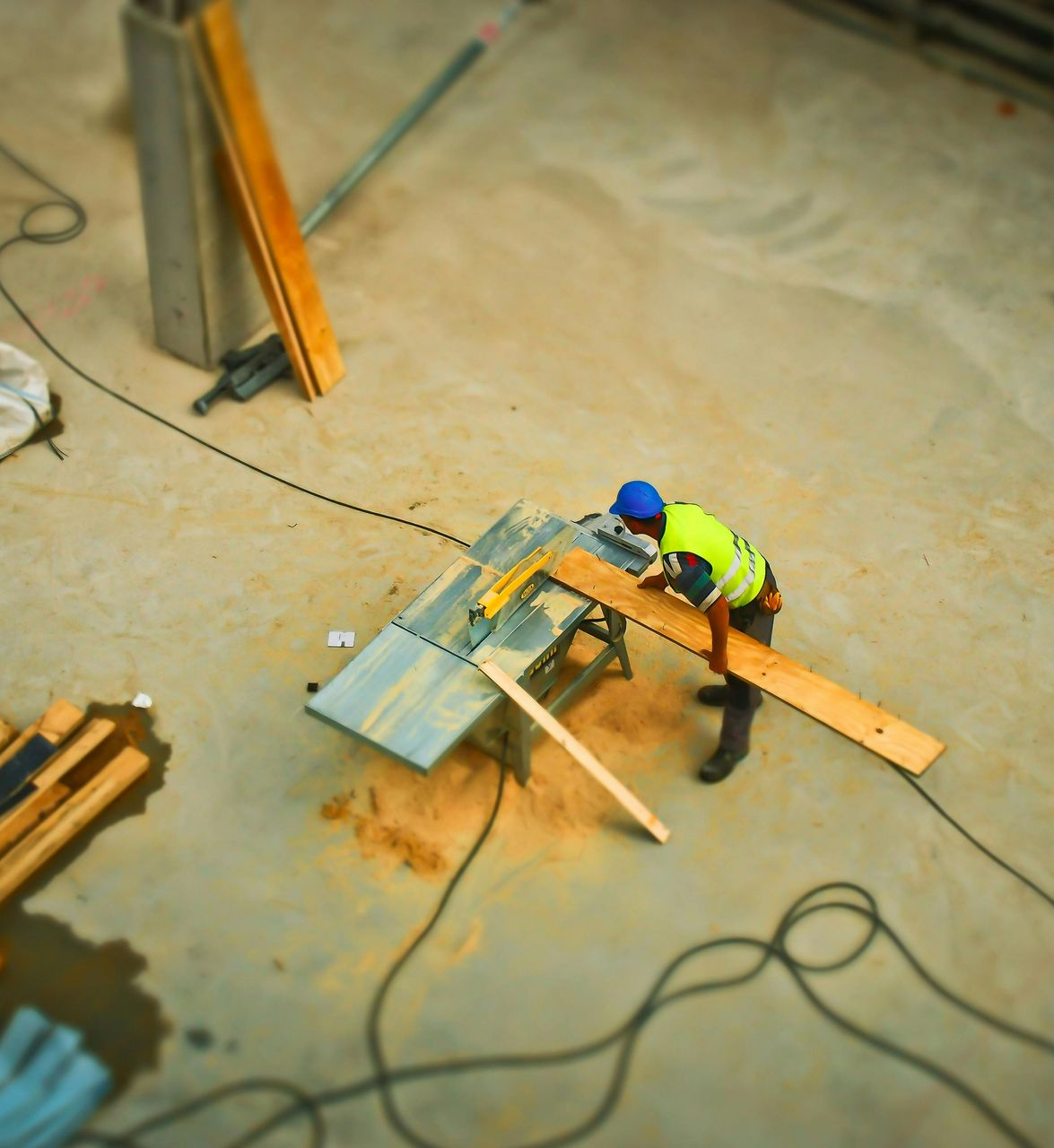
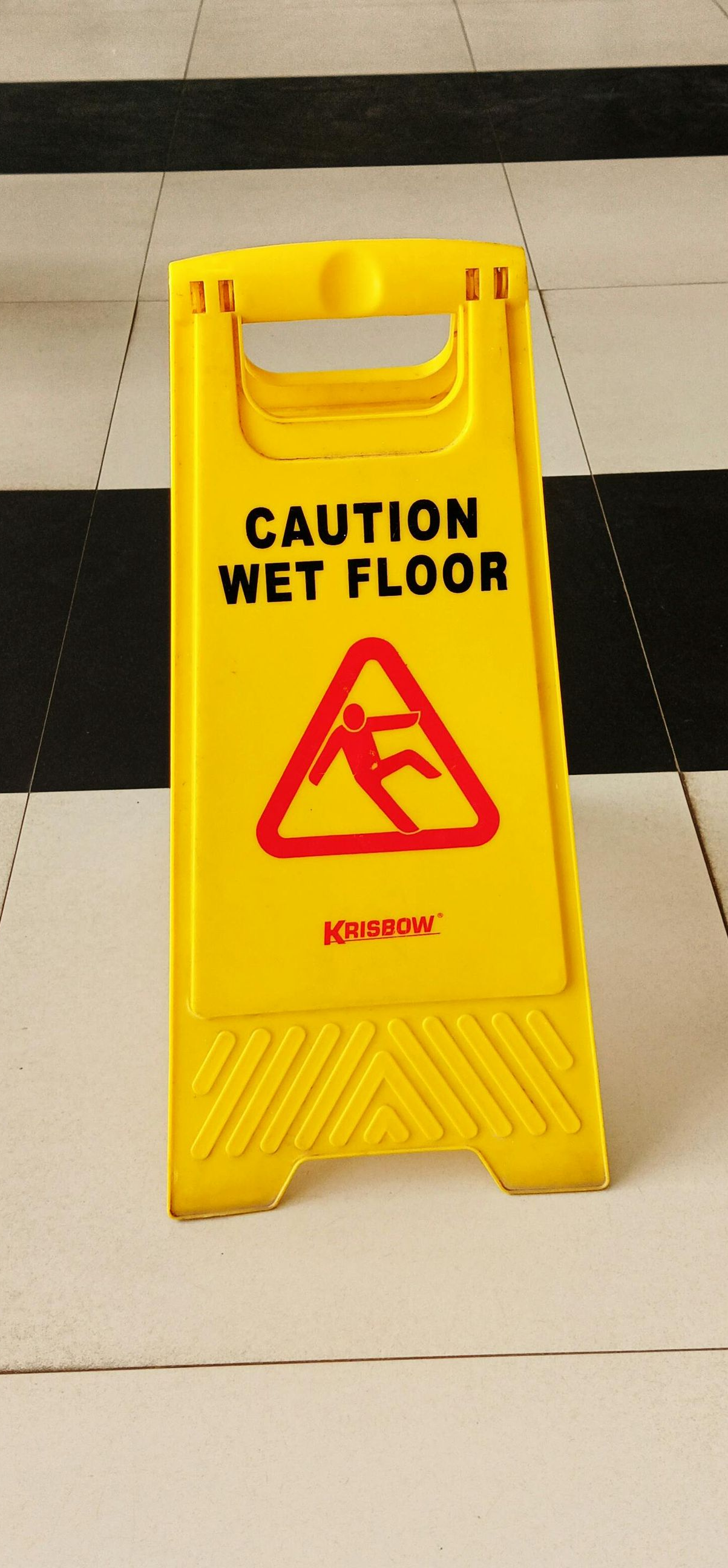
One of the most common areas of inspection involves walking and working surfaces. Floors must be kept clean and dry as far as possible. Wet floors without warning signage, uneven surfaces, or debris accumulation can result in citations.
Routine floor maintenance reduces these risks. Proper cleaning protocols, regular inspections, and timely spill response all demonstrate proactive hazard control. ABS Facility Solutions LLC prioritizes consistent floor care because we understand that a clean floor is a safer floor.
Chemical Handling and Storage
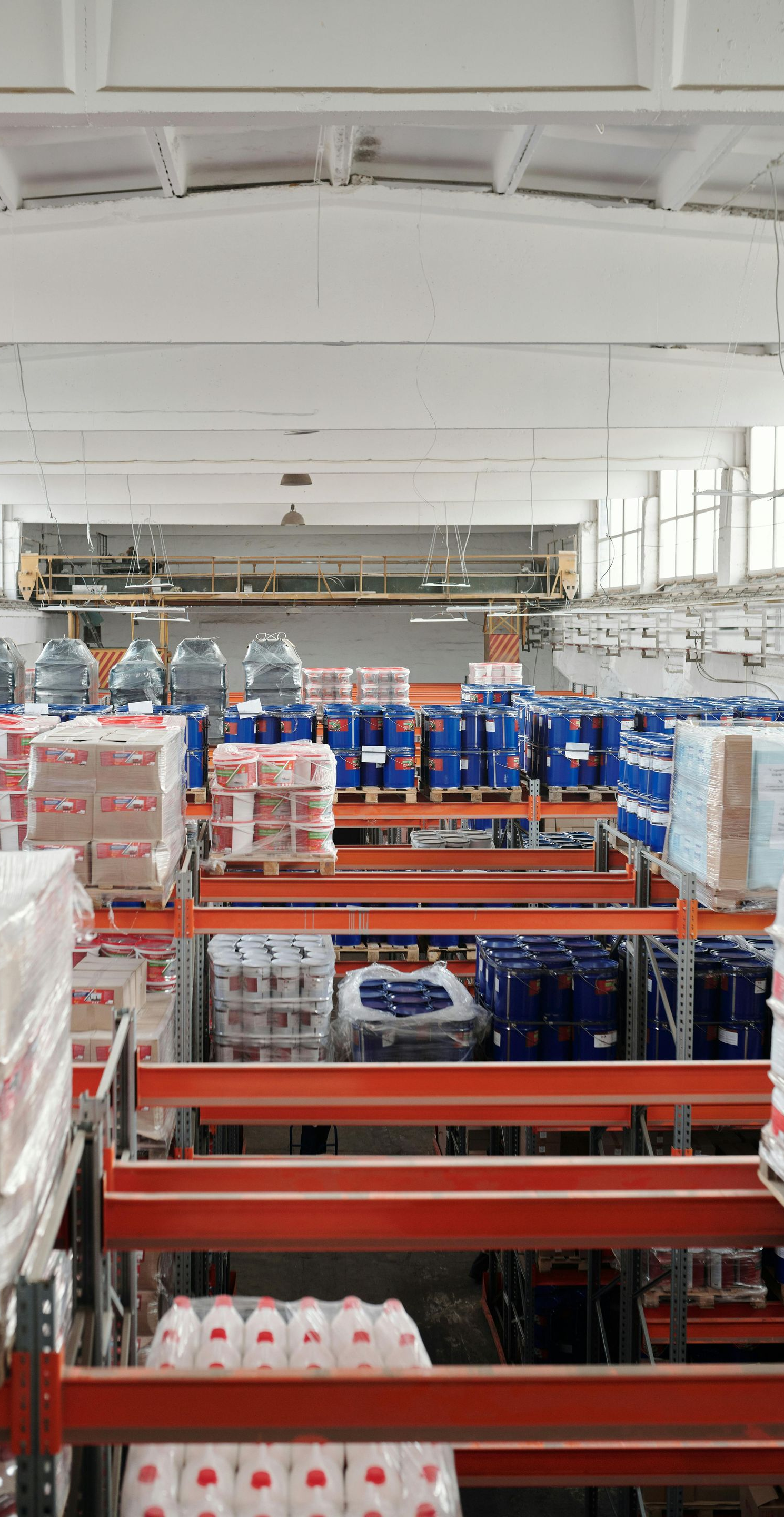
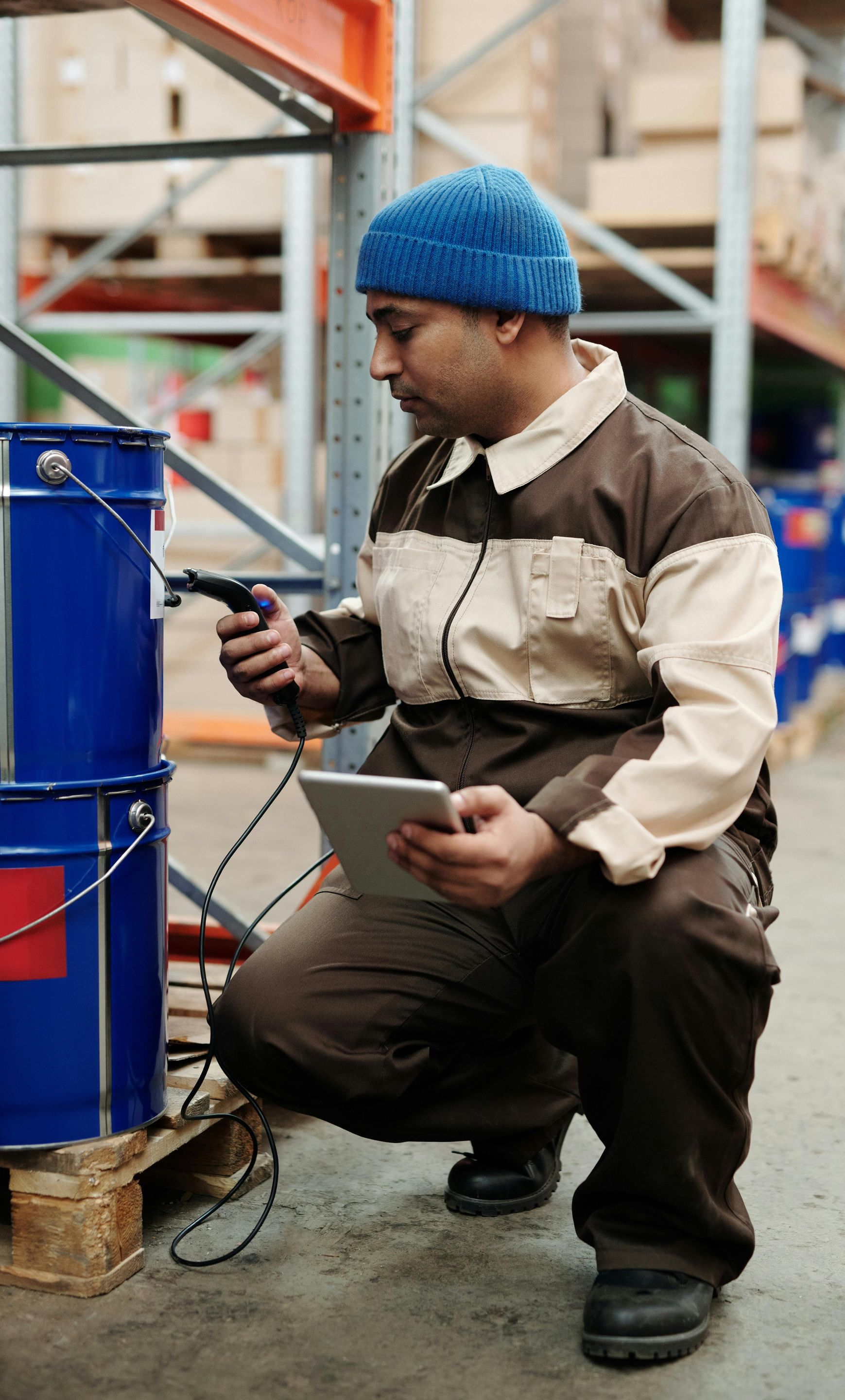
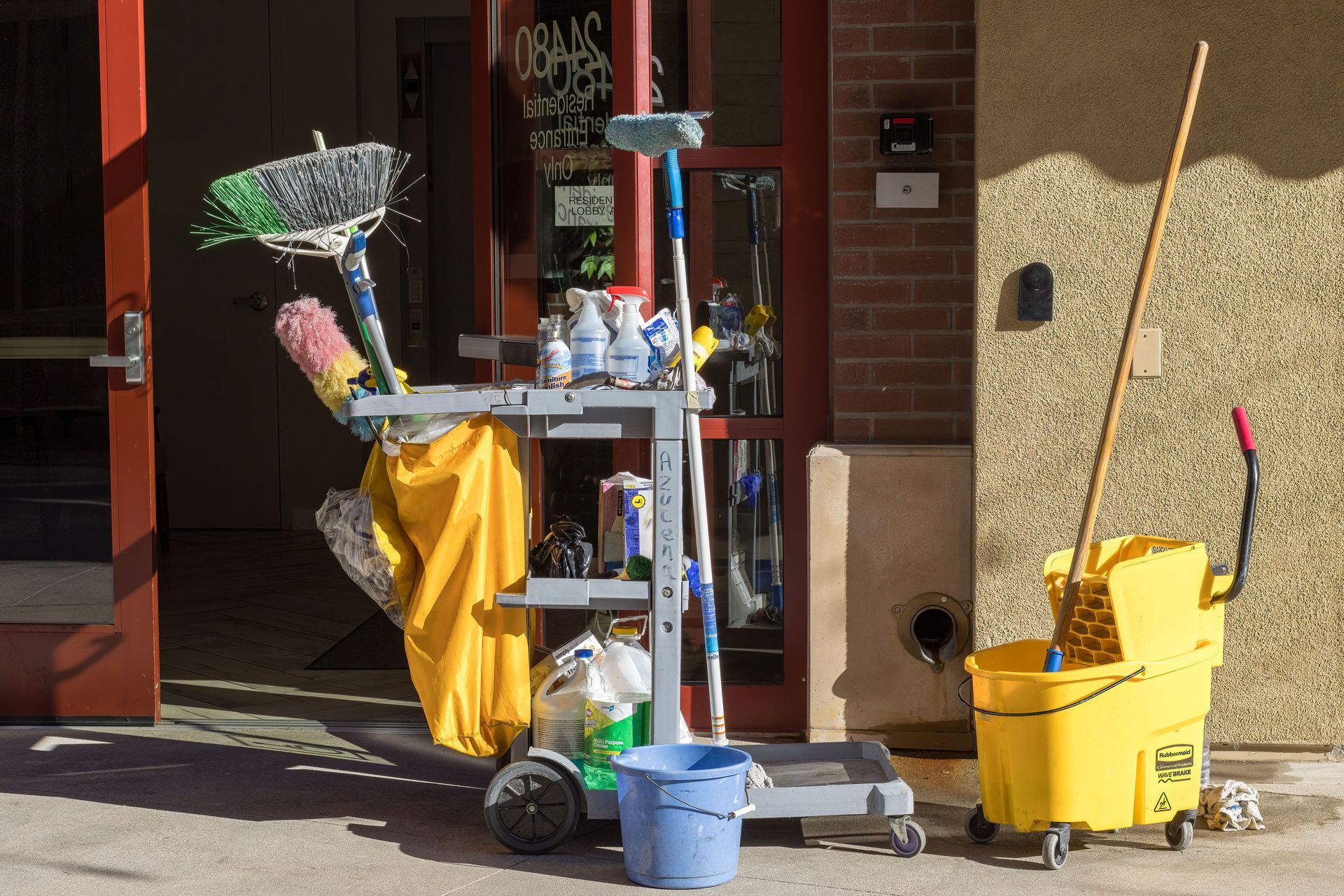
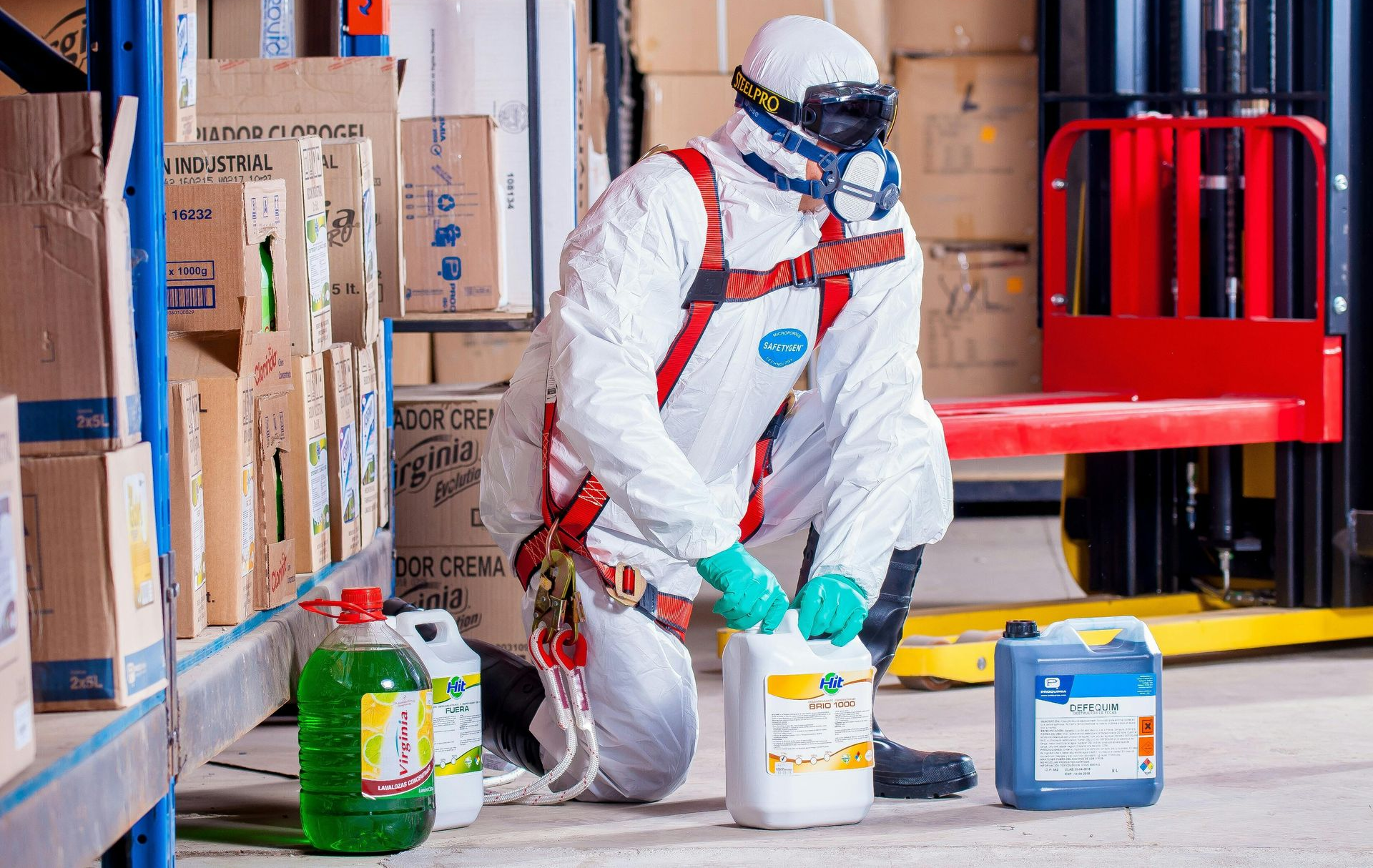
In facilities where cleaning chemicals are stored or used, OSHA also examines labeling, proper containment, and employee training. Improperly stored chemicals or unlabeled containers can trigger violations.
Professional janitorial services ensure that cleaning agents are handled responsibly, properly labeled, and stored in compliance with safety data sheet requirements. Organized storage areas not only meet regulatory standards but also reduce the risk of accidental exposure.
Restroom and Sanitation Standards
Sanitation is another key focus during inspections. OSHA requires that employers provide clean restroom facilities and potable water. Unsanitary restrooms or poorly maintained break areas may reflect broader compliance issues.
Consistent restroom cleaning, supply replenishment, and odor control are not cosmetic concerns. They directly support employee health and workplace standards.
Fire Safety and Emergency Access
Blocked exits, obstructed fire extinguishers, and excessive combustible debris are common violations during inspections. Dust buildup in industrial settings can even increase fire risk.
Routine cleaning helps ensure that emergency pathways remain clear and that combustible materials are properly managed. Organized workspaces reduce both inspection risks and real-world hazards.
Documentation and Preventative Approach
OSHA inspections are not solely about current conditions. They also consider patterns of compliance. Facilities that demonstrate consistent preventative maintenance and professional cleaning routines often present fewer concerns during walkthroughs.
Partnering with a professional janitorial provider creates a structured cleaning schedule that supports ongoing compliance. Rather than reacting to problems, businesses can maintain readiness at all times.
Clean Facilities Reflect Safety Culture
OSHA inspectors assess more than isolated hazards. They observe the overall safety culture within a facility. Clean, orderly environments signal proactive management. Cluttered or neglected areas may suggest oversight gaps.
ABS Facility Solutions LLC approaches commercial cleaning as a risk management tool. Our services support:
- Safer working surfaces
- Proper waste disposal
- Sanitized high-touch areas
- Organized storage spaces
- Clear access to emergency exits

Preparing for Inspections Through Consistency
The best way to approach an OSHA inspection is to operate every day as if one could occur. Consistency is the key to compliance. Regular janitorial service is not just about aesthetics. It is an operational safeguard.
A clean facility reduces liability, improves employee morale, and supports regulatory readiness. At ABS Facility Solutions LLC, we help businesses maintain professional, compliant environments through structured and dependable cleaning services.
When workplace safety and compliance matter, cleanliness becomes more than maintenance. It becomes protection.