How Preventative Floor Care Extends the Life of Commercial Surfaces
A Smart Investment for Commercial Properties
Floors are one of the most heavily used surfaces in any commercial facility. From office buildings and medical centers to retail stores and industrial spaces, flooring absorbs constant foot traffic, rolling equipment, spills, and debris. Over time, even high-quality materials begin to show wear. However, with a structured preventative floor care program, commercial property owners can significantly extend the life of their flooring while preserving safety and appearance.
At ABS Facility Solutions, LLC, we view floor care as a proactive investment rather than a reactive repair strategy. Consistent maintenance protects both the surface itself and the long-term operating budget of a facility.

The Cost of Neglect
Without regular maintenance, floors deteriorate quickly. Dirt and grit tracked in from outdoors act like sandpaper, grinding against finishes and fibers. Moisture, particularly during rainy or winter months, accelerates surface breakdown. In hard-surface flooring, worn protective coatings can expose the underlying material to staining or permanent damage. In carpeting, embedded soil weakens fibers and shortens usable lifespan.
Replacing commercial flooring is expensive and disruptive. Beyond material costs, businesses must account for downtime, labor, and potential interruptions to tenants or operations. Preventative maintenance helps avoid premature replacement.

Strip and Wax Programs for Hard Floors
Vinyl composition tile and other resilient floor surfaces rely on protective finishes to maintain durability and shine. Over time, these finishes wear down in high-traffic areas. A structured strip and wax program removes old layers of finish, eliminates embedded dirt, and applies fresh protective coatings.
This process restores appearance and reinforces durability. Regularly scheduled refinishing protects the underlying tile from scratches and stains. Rather than allowing finish layers to degrade completely, proactive care preserves surface integrity and improves traction, contributing to overall safety.
Carpet Maintenance and Fiber Protection
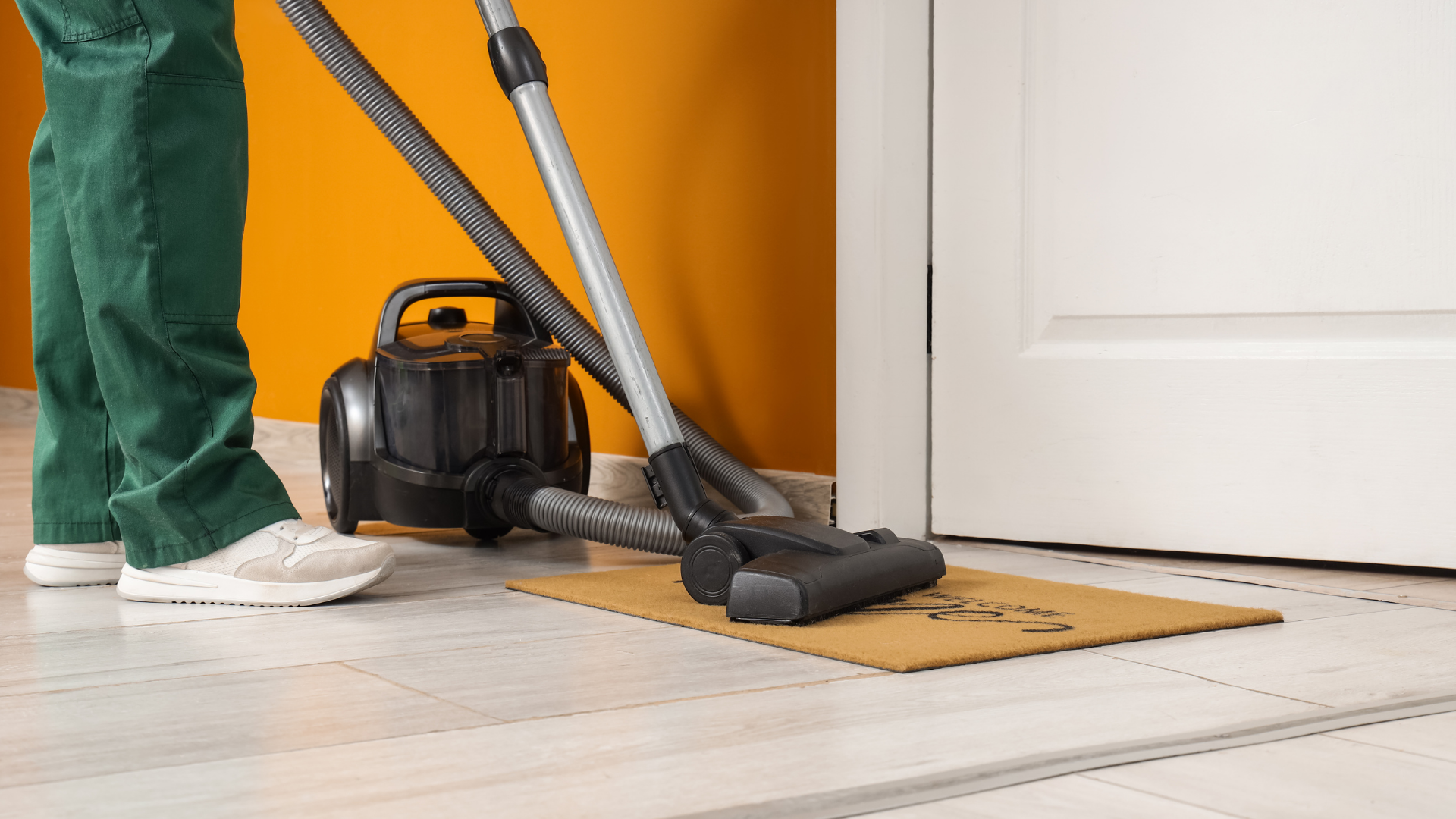
Carpeted commercial spaces require consistent vacuuming and periodic deep cleaning. Daily vacuuming removes surface debris, but over time, soils settle deep within fibers. Professional extraction methods lift embedded contaminants that routine cleaning cannot reach.
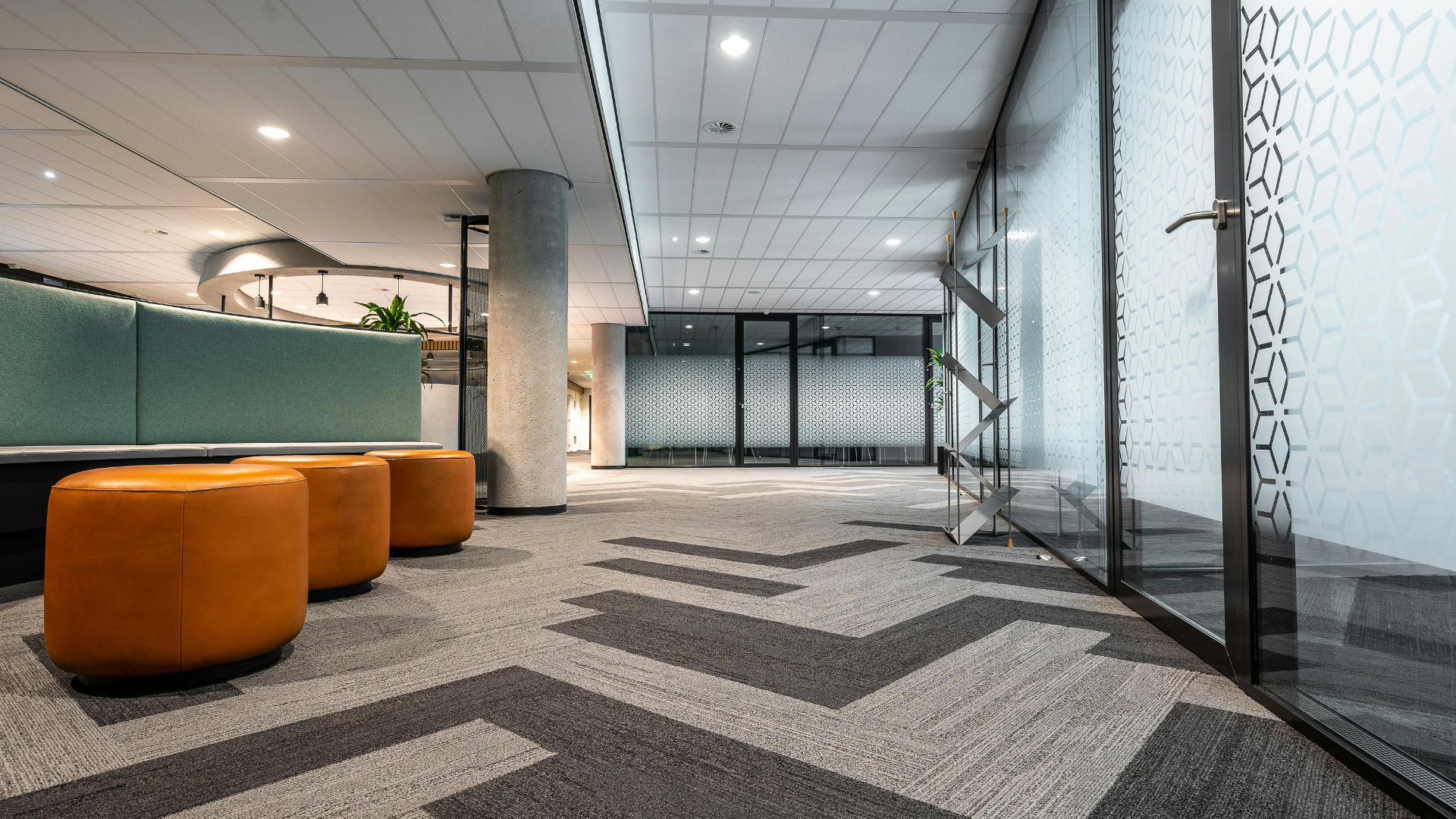
Preventative carpet care maintains appearance and reduces odors. It also extends fiber life by removing abrasive particles that cause fraying and matting. A comprehensive carpet maintenance schedule may include spot treatment, interim cleaning, and hot water extraction at intervals based on traffic levels.
Protecting High-Traffic Zones
Entrances, hallways, and common areas experience heavier use than other parts of a facility. These zones often show wear first. Implementing entrance matting systems and increasing cleaning frequency in these areas reduces long-term damage.
Routine inspection allows facility managers to identify early signs of deterioration. Addressing minor issues promptly prevents more extensive damage later.

Supporting Safety and Compliance
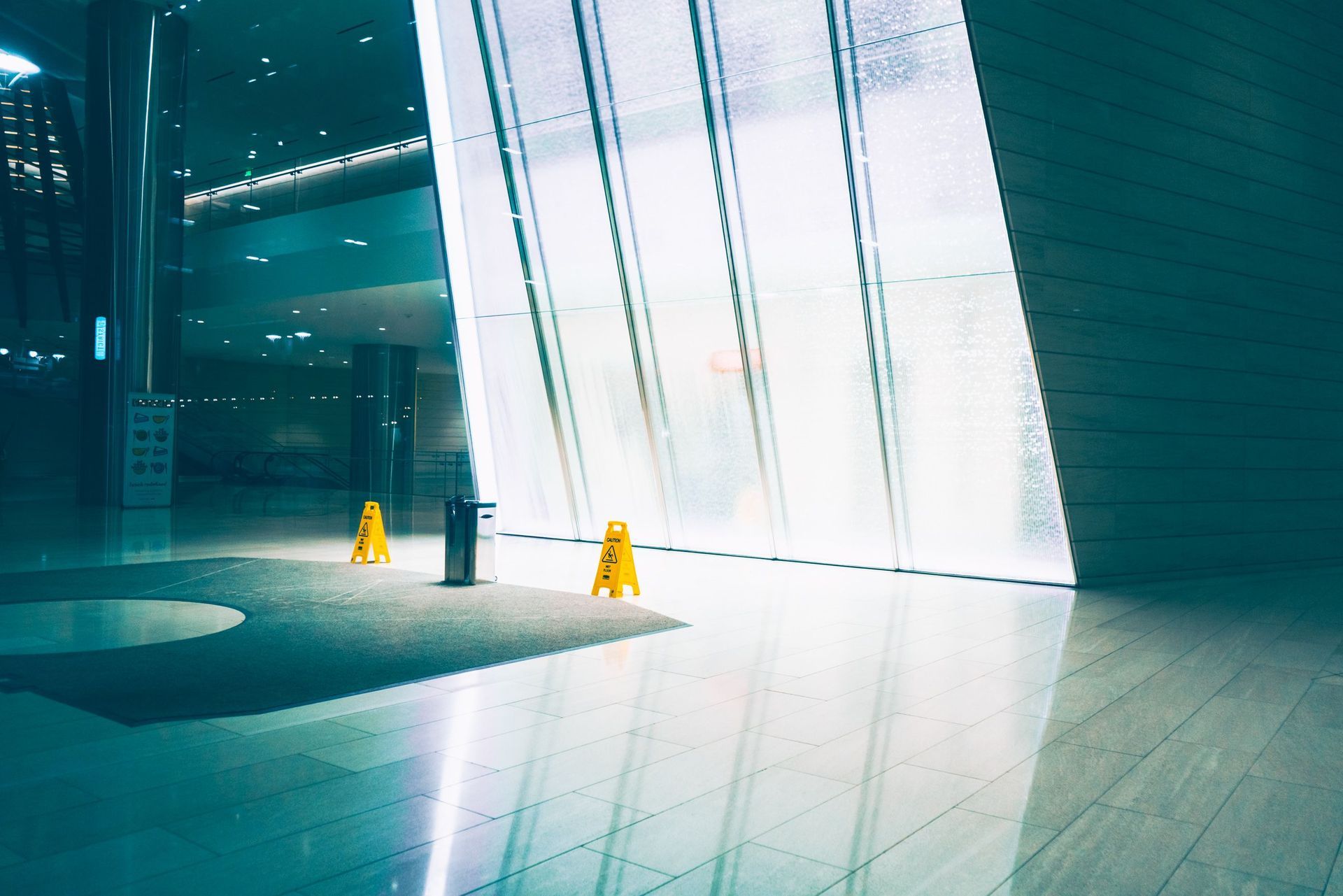
Worn flooring is not merely a cosmetic concern. Slippery surfaces, uneven finishes, or damaged carpet edges increase slip and trip hazards. Maintaining floors properly supports workplace safety and may reduce liability exposure.
In facilities subject to regulatory oversight, cleanliness and maintenance standards contribute to compliance efforts. A structured floor care program aligns with broader janitorial protocols designed to support safe and professional environments.
Long-Term Financial Benefits
Preventative floor care reduces lifecycle costs. Investing in maintenance spreads expenses predictably over time rather than facing sudden capital expenditures for replacement. Properly maintained flooring can last significantly longer than neglected surfaces.
For property managers and business owners, this approach offers greater budgeting stability and asset protection.

A Proactive Strategy for Facility Excellence
Flooring represents a visible indicator of how well a facility is maintained. Dull, stained, or worn surfaces can negatively influence tenant satisfaction and visitor perception. Clean, polished floors reflect attention to detail and professionalism.
At ABS Facility Solutions, LLC, we design floor care programs tailored to each facility’s traffic patterns and material types. By combining daily maintenance with scheduled restorative services, we help clients preserve their flooring investment and maintain safe, attractive spaces.
Preventative care is not optional if long-term durability is the goal. With consistent attention and professional oversight, commercial floors can withstand demanding conditions while continuing to perform effectively year after year.