Cleaning Protocols for Multi-Tenant Office Buildings
Balancing Consistency and Customization
Multi-tenant office buildings present unique cleaning challenges. Unlike single-occupancy spaces, these environments serve multiple businesses, each with its own expectations, traffic patterns, and operational schedules. Common areas, shared restrooms, elevators, lobbies, and corridors must consistently meet professional standards, while individual suites may require customized attention. Establishing clear, consistent cleaning protocols is essential for maintaining a safe, professional, and compliant facility.
At ABS Facility Solutions, we understand that multi-tenant properties require thoughtful planning and reliable execution.

Prioritizing High-Traffic Areas
Lobbies, elevators, stairwells, and hallways are often the first spaces visitors encounter. These areas experience constant foot traffic and require frequent cleaning to maintain a polished appearance. Dust, debris, and fingerprints accumulate quickly, especially on glass surfaces and stainless steel fixtures.
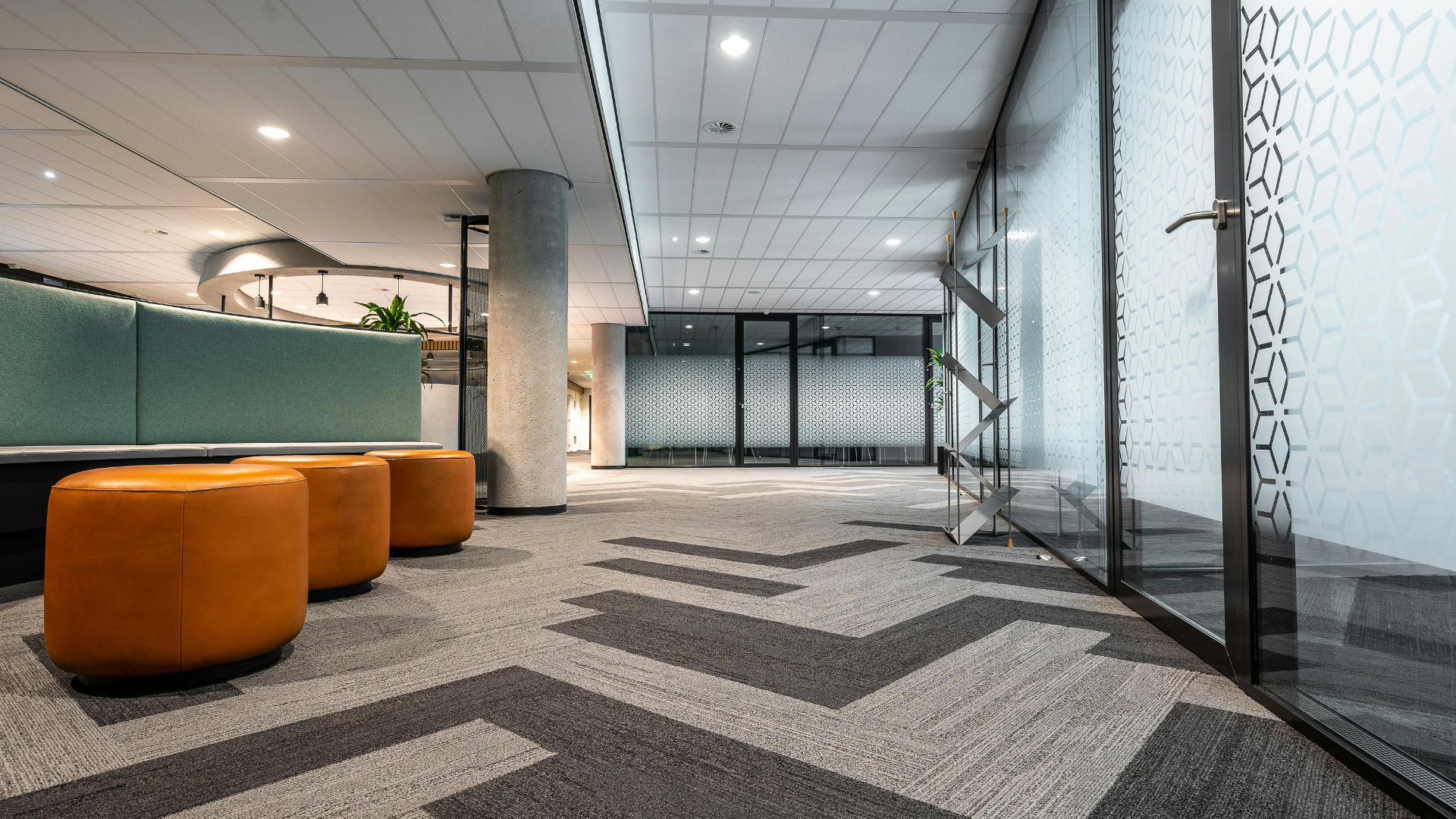
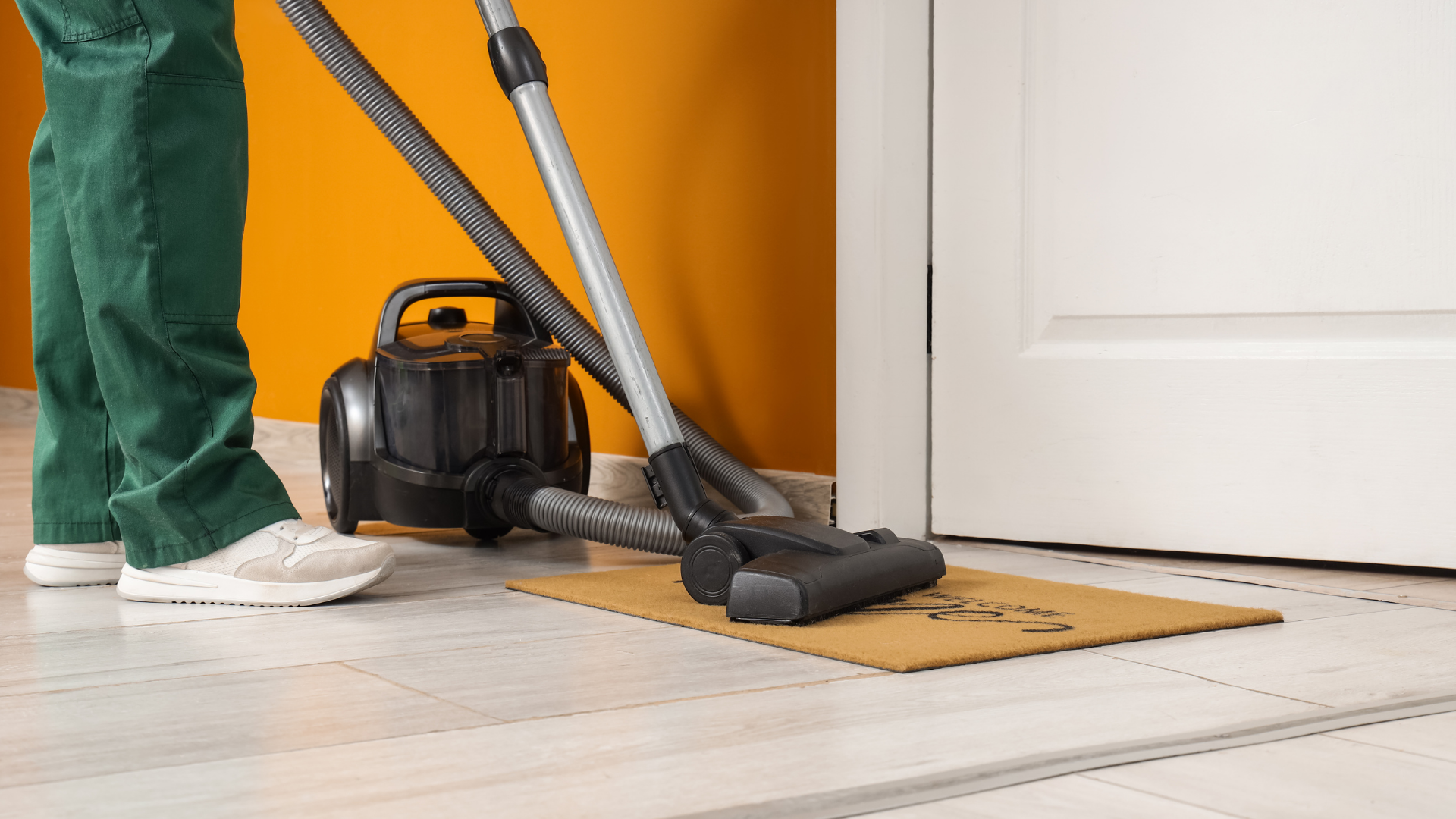
Routine cleaning of floors, railings, and touchpoints helps maintain a professional environment. Hard floor surfaces may require daily sweeping and mopping, while carpeted corridors benefit from scheduled vacuuming and periodic deep cleaning to prevent soil buildup.

Restroom Sanitation Standards
Shared restrooms in multi-tenant buildings demand consistent oversight. These spaces influence tenant satisfaction and public perception. Cleaning protocols should include thorough disinfection of high-touch surfaces such as faucet handles, door locks, dispensers, and countertops.
Restocking paper products and soap should be part of each visit, along with regular inspection for leaks or maintenance concerns. Maintaining detailed checklists ensures consistency and accountability across shifts.
Managing Shared Amenities
Many multi-tenant buildings offer shared amenities such as conference rooms, break areas, and fitness centers. These spaces require coordination to ensure cleanliness without disrupting tenant schedules.
Clear communication between property management and cleaning teams supports effective service delivery. Scheduled cleanings during low-traffic hours reduce inconvenience while maintaining high standards.

Suite-Specific Customization
While common areas require standardized protocols, individual tenant suites may have varying needs. Professional offices, medical practices, and creative agencies often operate on different schedules and may have specific requests.
Customized cleaning plans allow each tenant to receive appropriate service without compromising building-wide consistency. Open communication and clear expectations foster long-term satisfaction.
Floor Care and Long-Term Maintenance
Flooring in multi-tenant environments represents a significant investment. Regular maintenance extends its lifespan and preserves appearance. Hard floors may require periodic stripping and waxing, while carpets benefit from extraction cleaning to remove embedded soil.
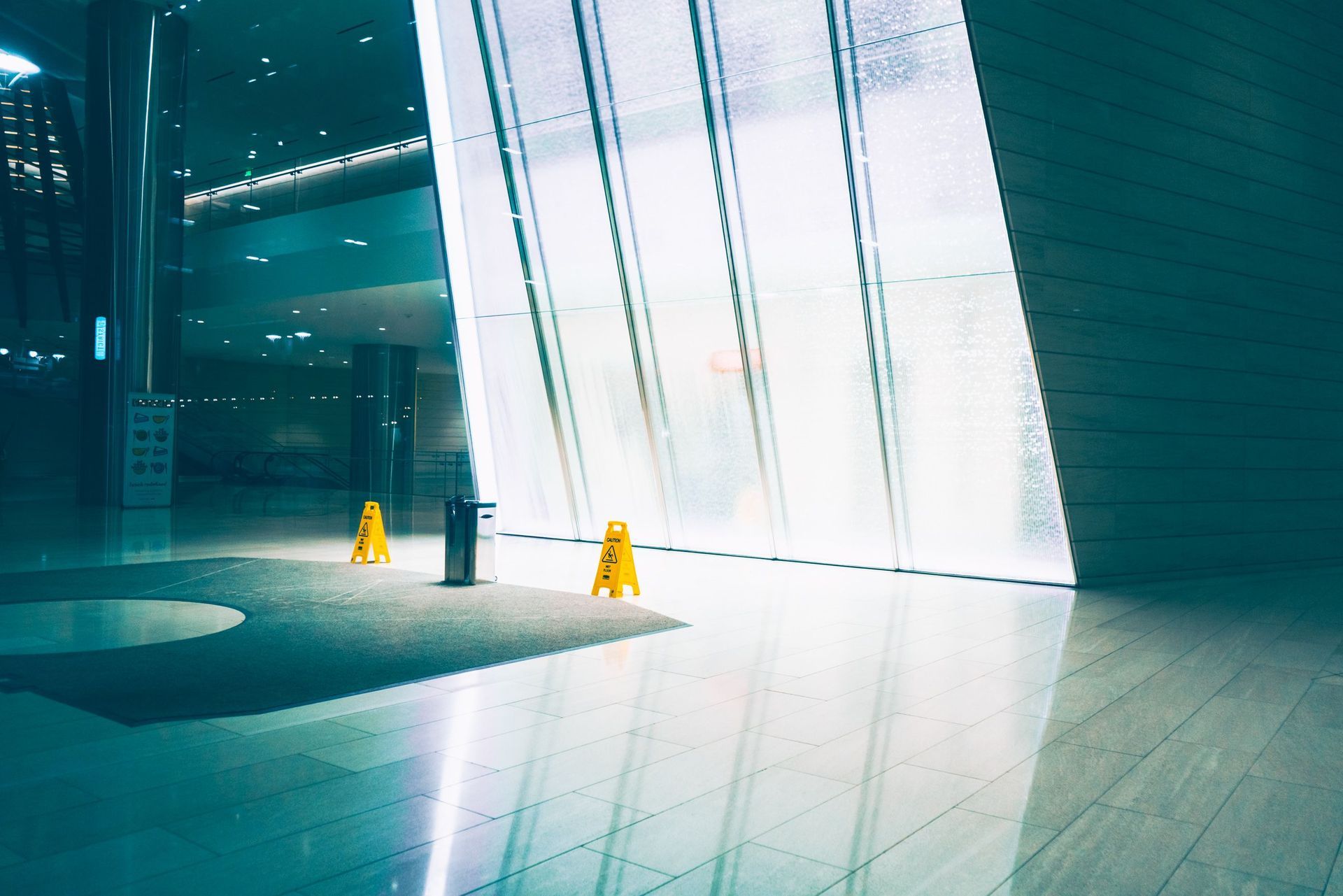
Proactive maintenance reduces long-term replacement costs and supports a safe walking surface. Slip resistance and surface integrity should always be considered when establishing cleaning schedules.

Waste Management and Recycling
Multi-tenant buildings generate diverse waste streams. Proper disposal protocols support cleanliness and environmental responsibility. Recycling stations should be clearly labeled and emptied consistently to prevent overflow.
Attention to waste management also reduces odors and discourages pest activity, contributing to a healthier indoor environment.
Regulatory Awareness and Documentation
Commercial properties must comply with health and safety standards set forth by regulatory bodies, including the EPA and OSHA. Cleaning providers should follow OSHA guidelines regarding chemical handling and safety data sheet management. Using appropriate products and maintaining documentation supports compliance efforts.
Detailed service logs provide transparency for property managers and can serve as valuable records during inspections or audits.

Consistency Builds Confidence
In multi-tenant office buildings, consistency is more important than intensity. Tenants expect clean, well-maintained common areas every day, not just after occasional deep cleans. A structured protocol supported by trained professionals ensures that standards are met reliably.
At ABS Facility Solutions, we approach multi-tenant properties with careful planning and disciplined execution. By prioritizing high-traffic areas, maintaining restroom sanitation, customizing suite services, and supporting regulatory compliance, we help property managers maintain environments that reflect professionalism and care. Clean, orderly spaces contribute to tenant satisfaction, operational efficiency, and long-term property value.